7 Tips for Safe and Colorful Pet Grooming: Go Green!
Struggling with how to give your pet a fun pop of color? You’re not alone. Many pet owners are looking for creative ways to express their furry friends’ personalities, and coloring fur can be a delightful way to do just that. Finding safe, effective methods is key to avoid any harm to your pet while achieving that vibrant green hue.
To get started, look for pet-safe dyes like vegetable-based formulas or washable pet chalk that offer bright colors without harsh chemicals. These products are designed specifically for pets, ensuring their safety and comfort throughout the process.
Best for: Most dog and cat breeds. Use caution if: Your pet has sensitive skin or allergies.
Colorful Pet Grooming Trend
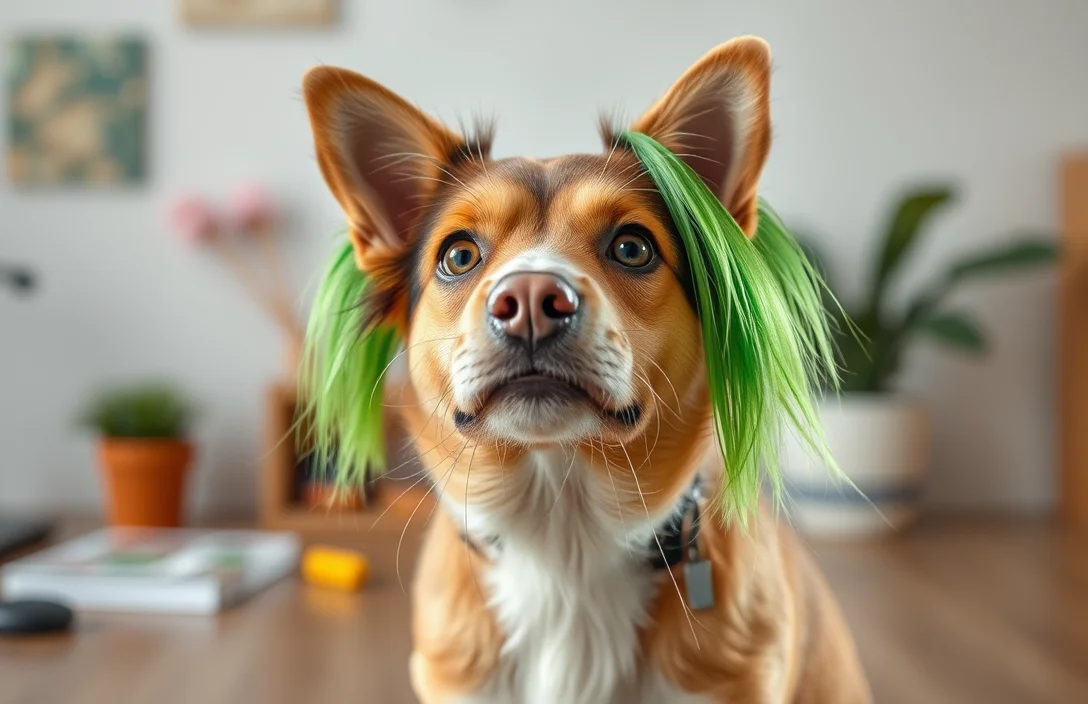
The trend of colorful pet grooming has gained popularity as pet owners seek to express their pets’ personalities through vibrant fur colors. This playful approach not only beautifies but also allows for creativity and bonding between pets and their owners. A striking example is the rising interest in pets with green hair, which can be achieved with safe and gentle products.
Why Colorful Fur Matters
Colorful grooming can enhance the aesthetic appeal of pets and serves several purposes:
- Self-Expression: Owners can showcase their pet’s unique personality.
- Fun for Events: Bright colors can make pets stand out at events like dog shows or parties.
- Social Media Appeal: Colorful pets tend to attract attention online, boosting engagement and community interaction.
Who Enjoys This Trend
This trend appeals to a diverse group of pet lovers:
- Fashion Enthusiasts: Those who enjoy styling their pets as an extension of their own fashion sense.
- Families: Kids often enjoy the fun of colorful pets, fostering a sense of connection and play.
- Pet Influencers: Owners who want to create a brand around their pets benefit from unique grooming styles.
“Always ensure that the products used are pet-safe and non-toxic to avoid any health issues.”
As you consider colorful grooming for your pet, remember to select products specifically designed for animal use to ensure their safety and comfort, especially when opting for bold colors like green!
Identifying Pet Coat Type
Determining your pet’s coat type is essential when considering dyeing options, especially for achieving vibrant colors like green. Different coat types and textures can influence how well a dye adheres and the overall outcome. Understanding these factors helps ensure the safety and effectiveness of the dyeing process.
Short vs. Long Hair
Coat length plays a significant role in the dyeing process. Here’s how to evaluate:
- Short Hair: Generally easier to dye, as the dye can penetrate quickly. Ideal for bold colors like green.
- Long Hair: Requires more time and possibly more dye to achieve even coloring. Ensure that you evenly distribute the dye to avoid patchy results.
Coat Texture Evaluation
The texture of your pet’s coat can also affect dye longevity and vibrancy:
- Smooth Coats: Tend to hold dye well; colors appear more vibrant.
- Curly or Wavy Coats: May require special products to help the dye adhere properly.
- Coarse Coats: Often need more preparation and possibly pre-treatments for the dye to work effectively.
Expert tip: Always conduct a patch test on a small area of your pet’s fur before applying dye to check for any allergic reactions.
By understanding your pet’s coat type, you can select the appropriate dyeing technique and products that will ensure a safe and successful coloring experience.
Safe Dye Ingredients
When considering dye options for pets, it’s essential to choose ingredients that are safe and non-toxic. This section highlights natural dye options and non-toxic alternatives that can be used to achieve vibrant colors like green without compromising your pet’s health.
| Item | Amount/Specification | Notes |
|---|---|---|
| Chlorophyll | 1-2 drops per 1 oz of carrier | Natural green dye derived from plants, safe for pets when diluted. |
| Spinach Powder | 1 tsp per 1 cup of water | Provides a temporary green tint; rinse thoroughly. |
| Beet Juice | 1-2 tbsp | Safe for pets; can create darker shades of green when mixed with yellow. |
| Turmeric | 1 tsp mixed with spinach for green hue | Use cautiously; may stain fur temporarily. |
| Food Coloring (Pet-Safe) | Follow package instructions | Ensure the product is labeled as non-toxic for pets. |
- Always perform a patch test before applying any dye to ensure no allergic reactions occur.
- Consult with a veterinarian before dyeing, especially for pets with sensitive skin.
- Limit dyeing frequency to avoid skin irritation; consider seasonal or special occasion use.
- Ensure the dye is fully rinsed out after application to prevent ingestion.
Dyeing Process Overview
This section will guide you through the essential steps of dyeing your pet’s fur green, ensuring safety and effectiveness. By following these steps carefully, you can achieve a vibrant look for your furry friend while minimizing any potential risks.
- Prepare Your Pet: Before starting the dyeing process, give your pet a thorough bath with a gentle pet shampoo to remove dirt and oils. Make sure to dry their fur completely to ensure even dye application. A calm pet is easier to manage, so consider a short play session to tire them out beforehand.
- Gather Your Supplies: Collect all necessary items, including pet-safe dye, gloves, a mixing bowl, an applicator brush, and a towel. Choose a dye specifically formulated for pets to avoid harsh chemicals that can irritate their skin.
- Mix the Dye: Follow the instructions on the dye package carefully. If the dye requires mixing, do so in a well-ventilated area to avoid inhaling fumes. Always wear gloves during this step to protect your skin.
- Apply the Dye: Using the applicator brush, carefully apply the dye to your pet’s fur in sections. Start from the back and work your way forward, ensuring even coverage. Avoid getting dye on their skin as much as possible, as this can lead to irritation.
- Set the Dye: Allow the dye to sit according to the package instructions, usually around 10-30 minutes. Monitor your pet during this time to ensure they are comfortable and not trying to lick the dye.
- Rinse Thoroughly: After the dye has set, rinse your pet’s fur with lukewarm water until the water runs clear. Use a gentle conditioner to help restore moisture to their fur, then towel dry them.
Avoiding Common Mistakes
When considering dyeing your pet’s fur, especially with vibrant colors like green, avoiding common mistakes is crucial for both the safety of your pet and the success of the dye job. Many pet owners unknowingly use inappropriate products or skip important steps that can lead to serious issues.
Using Human Products
One of the most significant errors is using human hair dye on pets. Human hair products contain chemicals that can be harmful to animals. Always choose products specifically formulated for pets. Here’s what to look for:
- Pet-safe dyes that are free from ammonia and peroxide
- Natural or organic ingredients whenever possible
- Coloring products designed for specific pet types (dogs, cats, etc.)
Ignoring Patch Tests
Just as with human skin, performing a patch test on your pet is essential. This helps ensure your pet does not have an adverse reaction. Follow these steps:
- Apply a small amount of dye to a discreet area of your pet’s fur.
- Wait 24 hours to observe for any signs of irritation or allergic reaction.
- If there are no reactions, proceed with the full application.
Expert tip: Always consult a veterinarian if you’re unsure about the safety of a specific product for your pet.
Being mindful of these common pitfalls will help you achieve a colorful and safe grooming experience for your pet. A little care goes a long way!
Budget-Friendly Dye Options
For pet owners looking to add a splash of color to their furry friends, especially green, there are plenty of affordable dye options available. This section highlights budget-friendly products from drugstores and simple DIY alternatives that are not only fun but also safe for your pets.
Drugstore Brands
- PetSafe Color Spray – Affordable and easy to apply, this spray comes in various colors, including green. It’s non-toxic and designed specifically for pets.
- Pet Head Funky Fur Color – This line features fun colors and is gentle on pet fur. Ensure to follow the instructions for safe application.
- Wahl Color Pro – While primarily a grooming tool, it can be used with pet-safe dyes for an even and vibrant application.
Homemade Dye Recipes
For those who prefer a DIY approach, here are two simple recipes to create your own pet-safe dye:
- Beet Juice Dye: Blend beets with water, strain, and apply to your pet’s fur with a spray bottle. Rinse after 30 minutes for a temporary tint.
- Green Tea Dye: Brew strong green tea, let it cool, and use it to rinse your pet’s fur. It may not be as vibrant but gives a subtle green hue.
Tip: Always perform a patch test on a small area of fur to check for any allergic reactions before applying dye all over.
| Product | Price | Key Ingredient | Best For |
|---|---|---|---|
| PetSafe Color Spray | $10 | Non-toxic dyes | Quick color change |
| Pet Head Funky Fur Color | $12 | Natural ingredients | Longer lasting color |
| Homemade Beet Juice Dye | Under $5 | Beet extract | Temporary tint |
Expert Groomer Tips
Achieving and maintaining vibrant color in your pet’s fur, such as green hair, requires careful preparation and ongoing care. These tips will ensure your pet’s colorful coat remains bright and healthy while keeping their skin safe and irritation-free.
Pre-treatment Care
- Choose the Right Dye: Opt for pet-safe, non-toxic dyes specifically formulated for animals. Avoid human hair dyes that can be harmful.
- Patch Test: Always perform a patch test 24 hours before applying the dye to check for skin sensitivities.
- Grooming: Make sure your pet is clean and well-groomed before dyeing. A bath with a gentle pet shampoo will remove dirt and oils, allowing for better dye absorption.
- Consult a Groomer: If unsure, consult a professional groomer experienced in dyeing pets for advice tailored to your pet’s coat type.
Post-dye Maintenance
- Gentle Bathing: Use sulfate-free, pet-safe shampoos to preserve color. Avoid washing your pet for at least 72 hours post-dye.
- Regular Moisturizing: Apply a pet-safe conditioner to maintain coat health and vibrancy.
- Limit Sun Exposure: Prolonged sunlight can fade color. Consider using pet sun protection or limiting outdoor time during peak hours.
Expert tip: Regular grooming not only keeps your pet’s coat healthy but also helps maintain the color longer.
| Product | Price | Key Ingredient | Best For |
|---|---|---|---|
| PetSafe Dye | $15 | Natural pigments | All coat types |
| Gentle Pet Shampoo | $10 | Oatmeal | Sensitive skin |
| Color-Protection Conditioner | $12 | Aloe Vera | Maintaining vibrancy |
Quick Summary
- Focus on clues: Look for synonyms related to pets and colors.
- Animal types: Consider common pets like turtles or frogs that may have green coloring.
- Wordplay: Explore puns or playful interpretations of “green hair.”
- Crossword patterns: Analyze the letter count and existing letters for hints.
- Online resources: Utilize crossword solver tools for assistance.
| Routine | Steps |
|---|---|
| Morning | 1. Cleanser 2. Toner 3. Serum 4. Moisturizer 5. SPF |
| Evening | 1. Cleanser 2. Exfoliant 3. Serum 4. Moisturizer |
Frequently Asked Questions
What does “pet with green hair” refer to in crossword puzzles?
The clue “pet with green hair” often refers to a fictional character or a specific pet in popular culture, like a pet from a children’s show or cartoon.
How long does it take to solve clues like “pet with green hair”?
You can typically expect to find answers to crossword clues like this in under five minutes, depending on your familiarity with the subject matter.
Are there common crossword puzzle strategies to tackle clues like this?
Yes, you can use cross-referencing with intersecting clues to help determine the answer more quickly, as well as relying on knowledge of popular culture.
Is it helpful to look up answers for clues instead of guessing?
Yes, you can improve your crossword skills by looking up answers occasionally, as it helps you learn new terms and references for future puzzles.
Do I really need to know specific pet characters for crossword puzzles?
While it’s not absolutely necessary, having a good grasp of popular pet characters and their quirks can greatly enhance your ability to solve themed crossword puzzles efficiently.

- Medium Hairstyles for School: 25 Best Looks That Are Easy - March 31, 2026
- Hairstyles for Medium Hair for School: Easy and Stylish - March 31, 2026
- Hairstyles for Medium Length Hair for School: 28 Styles That Are Easy - March 31, 2026