Hair Hydration vs Moisturizing: The Real Difference
Hydration and moisturization are two distinct concepts for hair care that work together to maintain healthy, manageable hair.
Hydration refers to the process of water penetrating the hair shaft, which is essential for maintaining its internal moisture levels and keeping hair flexible and elastic.
Moisturization, on the other hand, involves sealing in that moisture to prevent it from escaping, typically using oils, butters, or creams that create a protective barrier on the hair cuticle.
Think of hydration as drinking water for your hair, while moisturization is like applying lotion to keep it soft and supple.
Both are crucial for healthy hair, as hydrated hair can still appear dry and frizzy if not properly moisturized.
Understanding which your hair needs or if it needs both depends on your hair type, porosity, and current condition.
The Science Behind Hydration vs. Moisturization
In the world of natural hair care, the terms “hydration” and “moisturization” are often used interchangeably, but they perform two completely different functions.
Understanding the scientific difference is the key to ending persistent dryness. If your hair feels greasy yet brittle, you are likely moisturizing without hydrating.
If your hair feels soft for ten minutes and then turns into a puffball of frizz, you are likely hydrating without moisturizing
To achieve healthy, elastic curls, you must master the “Dynamic Duo” of hair care: getting water inside the hair shaft and then building a wall to keep it there.
What Is Hair Hydration?
Hydration is the internal process of water molecules penetrating into the hair cortex, which is the thick middle layer of the hair beneath the outer cuticle.
The Scientific Explanation
The hair shaft consists of the cuticle (outer scales), the cortex (internal strength and moisture), and the medulla (core). When you hydrate your hair, water enters through the gaps in the cuticle scales.
A hydrated cortex ensures your hair is flexible and elastic. Without internal water, the cortex becomes “stiff,” leading to brittle strands that snap the moment you try to detangle them.+2
- The Water Analogy: “Think of hydration as drinking water for your hair.” It is internal nourishment that provides the foundation for health.
- True Hydrators: Water is the only true hydrator. However, you can use humectants—ingredients like glycerin, aloe vera, honey, and hyaluronic acid—which act like magnets to pull water from the air into your hair.
- Hydration Methods: Deep conditioning on damp hair, using water-based leave-ins, and steam treatments are the most effective ways to hydrate.
What Is Hair Moisturization?
Moisturization is the external process of sealing that water into the hair shaft and creating a protective barrier to prevent evaporation.
The Scientific Explanation
Crucially, oils and butters do not hydrate hair. In fact, because oil and water don’t mix, oils actually repel water. Instead, moisturizers coat the cuticle layer. This coating serves two purposes: it locks in the water already inside the hair and protects the hair from “hygral fatigue” (the damaging expansion and contraction caused by constant wetting and drying).
- The Lotion Analogy: “Moisturization is like applying lotion to your skin.” You apply it after a shower to keep the water from evaporating off your skin.
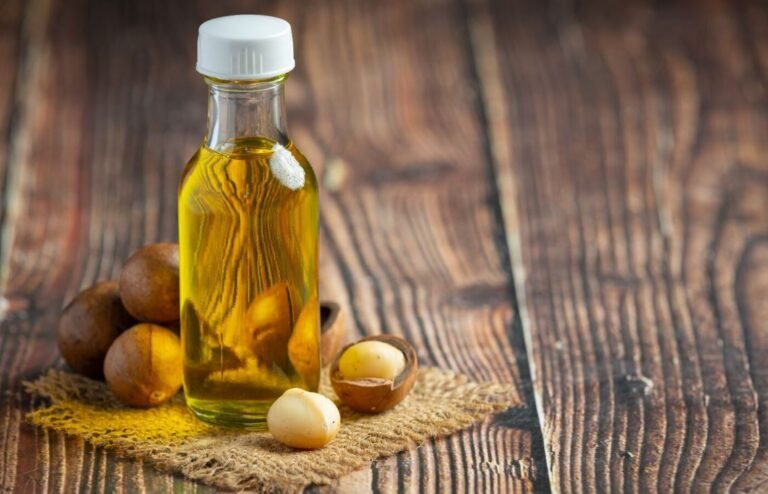
- True Moisturizers: This category includes oils (jojoba, argan, coconut, olive) and butters (shea, cocoa, mango). These ingredients create the “seal” that keeps hair soft for days rather than minutes.
- The Role of Silicones: While some avoid them, silicones are highly effective moisturizers because they provide a near-impenetrable seal on the cuticle.
Why Both Are Essential (The Dynamic Duo)
The relationship between hydration and moisturization is a partnership. One cannot function effectively without the other.
- Hydration without Moisture: If you apply water but no oil, the water evaporates almost instantly. This leaves your hair feeling dry and frizzy within an hour.
- Moisture without Hydration: This is a common mistake. If you apply heavy oils to bone-dry hair, you are simply sealing in the dryness. Your hair will look shiny and feel greasy, but it will remain brittle and prone to breakage because the cortex is still “thirsty.”
The Bucket Example: Imagine pouring water into a bucket with holes in the bottom (dehydrated hair without a seal). Now imagine putting a lid on an empty bucket (moisturized hair without hydration). To have a full bucket, you need the water inside and a solid lid on top.
Debunking the Myth: Heavy butters and oils are not “cures” for dry hair. They are “guards.” You must always ensure your hair is damp or has a water-based product applied before you reach for the shea butter or jojoba oil.
How to Tell What Your Hair Needs
Cracking the code of natural hair care often feels like a guessing game. You buy a highly rated product, apply it with high hopes, and yet your curls still feel like straw by noon.
The reason most people fail to achieve consistent results is that they misdiagnose what their hair actually needs.
Is it thirsty for water (hydration)? Or is it unable to hold onto that water (moisturization)? To stop the cycle of “greasy but dry” hair, you need to perform a diagnostic check on your strands.
By using the following signs and physical tests, you can move from guesswork to a scientific routine that guarantees soft, resilient hair.
Signs Your Hair Needs Hydration
Dehydration happens when the inner cortex of the hair lacks water. This is an internal issue. If your hair is dehydrated, it loses its “spring.” Without water, the proteins in your hair become stiff, leading to immediate breakage.
Symptoms of Dehydrated Hair
- The “Crunch” Factor: Your hair feels rough and straw-like even five minutes after you’ve applied an expensive butter.
- Instant Absorption: You apply a water-based leave-in, and it disappears instantly, yet the hair still feels brittle.
- Constant Tangles: Dehydrated cuticles are often raised and “chipped,” causing them to snag on neighboring strands like Velcro.
- Lackluster Shine: Light reflects best off a hydrated, smooth surface. If your hair is dull regardless of how much oil you use, it lacks the internal water to plump up the strand.
The Wet Test
Spray a section of dry hair with water. Observe how it reacts. If the water is absorbed immediately and the hair feels dry again within ten minutes, you have high porosity issues; you need a massive dose of hydration followed by a heavy sealant. If the water beads up on the surface like a freshly waxed car, you have buildup or low porosity; you need to clarify your hair and use steam to force hydration into the shaft.
The Stretch Test
Take a single strand of wet hair. Hold it between your fingers and gently stretch it.
- Healthy: It stretches about 30% and bounces back.
- Dehydrated: It doesn’t stretch at all—it snaps immediately. This is a “water emergency.”
- Over-Moisturized: It stretches and stretches like a piece of chewed gum without bouncing back. This means you have too much moisture and need a protein treatment.
Signs Your Hair Needs Moisturization
Moisturization is about the seal. If your hair feels great when it’s wet but becomes a frizzy mess the moment it air-dries, your problem isn’t hydration it’s the lack of a barrier to keep that hydration from evaporating.
Symptoms of Under-Moisturized Hair
- Short-Lived Softness: Your hair feels hydrated immediately after a wash but dries out within 2 to 4 hours.
- Environmental Sensitivity: Your hair reacts violently to air conditioning or wind, becoming parched almost instantly.
- Loss of Definition: As the hair dries and the water leaves the shaft, your curls lose their “clump” and turn into a singular mass of frizz.
- Hygral Fatigue: Your hair feels weak from the constant cycle of swelling with water and shrinking as it dries.
The Day-After Test
The ultimate test for moisturization is how your hair feels 24 hours after a wash. If you wake up and your hair is “crispy,” your sealant (oil or butter) wasn’t strong enough.
If your hair feels soft and manageable the next morning, your moisture seal is perfect. If it feels greasy but the hair underneath is still hard, you have enough moisture but zero hydration.
Signs You Need BOTH (The Most Common Scenario)
Most people in the natural hair community suffer from a “double deficit.” This is characterized by hair that feels dry no matter what you do. You likely apply heavy products to dry hair, which makes it greasy, while the inside of the hair remains “starved” for water.
The Solution: You must adopt a layered approach.
- Liquid (L): Water or a water-based leave-in to provide hydration.
- Oil (O): To penetrate the shaft or provide a light seal.
- Cream (C): A heavy butter or cream to provide a final, thick barrier against the air. This is known as the LOC method, and it is the gold standard for long-lasting softness.
Quick Diagnostic Quiz
Answer these 3 questions to find your personalized hair prescription:
- When you spray your hair with water, what happens?
- A) It absorbs instantly and dries fast.
- B) It beads up on the surface and won’t go in.
- C) It absorbs, but the hair only feels good for a few minutes.
- When you apply oil to dry hair, what happens?
- A) It absorbs, and the hair feels slightly better.
- B) It just sits there looking greasy and “filmy.”
- C) The hair feels coated but still rough underneath.
- After washing and conditioning, how long does your hair feel good?
- A) Less than two hours.
- B) Until the next morning.
- C) It never feels truly soft, even when wet.
Results:
- Mostly A’s: You are severely dehydrated. Focus on water-based deep conditioners and use the L.O.C. method to lock it in.
- Mostly B’s: You have product buildup or low porosity. Use a clarifying shampoo and apply your products while the hair is very warm and wet.
- Mostly C’s: Your protein-moisture balance is off. You are likely sealing in “dry” hair. Focus on hydrating first with water, then sealing with a lighter oil like jojoba.
Hair Porosity and Its Role
In the journey of natural hair care, porosity is arguably the most important scientific factor to understand. It dictates how your hair interacts with water. You can buy the most expensive “hydrating” products on the market, but if they aren’t formulated for your specific porosity, they will either sit on top of your hair making it greasy or evaporate so quickly that your hair remains brittle.
Understanding Hair Porosity
Porosity is defined as your hair’s ability to absorb and retain moisture. This is determined by the state of your cuticle, the protective outer layer of the hair shaft that looks like shingles on a roof.
- Low Porosity: The cuticle scales lie flat and are tightly overlapped. It is incredibly hard for water to get in (a hydration challenge). However, once you manage to get moisture inside, it is hard for water to get out, meaning it stays hydrated for longer periods.
- Medium/Normal Porosity: The cuticle is slightly raised, allowing for a balanced relationship with water. It absorbs hydration easily and retains it with minimal effort.
- High Porosity: The cuticle is raised, chipped, or damaged (often due to heat, chemicals, or genetics). While it is easy for water to get in, it is just as easy for water to get out. Your hair absorbs moisture instantly but feels bone-dry minutes later.
The Porosity-Hydration-Moisture Connection
Your strategy must change based on your “gatekeeper” (the cuticle).
- Low Porosity Strategy: Your focus is opening the door. You need heat (steam or warm towels) to lift those tight scales. Use lightweight, water-based hydrators and avoid heavy oils like castor oil, which will only lead to massive product buildup. Stick to “moisture-penetrating” oils like jojoba or argan.
- High Porosity Strategy: Your focus is closing the door. Since your “shingles” are already up, water enters easily. You need heavy sealants—think shea butter, cocoa butter, and thick creams—to create an artificial barrier. High porosity hair also loves protein treatments, which help “plug the holes” in the damaged cuticle.
The Analogy: Low porosity is like a locked door (hard to get in, but secure once you do). High porosity is like a screen door (water passes through immediately and disappears just as fast).
The Porosity Float Test
To find your type, take a few strands of clean, product-free shed hair and place them in a glass of room-temperature water.
- Floats at the top: Low Porosity.
- Sinks slowly to the middle: Normal Porosity.
- Sinks immediately to the bottom: High Porosity.
The Right Products for Hydration
If you want to end hair dryness, you must start with water. However, water is a fleeting visitor; it needs “friends” to help it stay inside the hair shaft. These friends are called humectants.
Water-Based Products (True Hydrators)
When shopping, the first ingredient on the label must be Water or Aqua. If the first ingredient is an oil or a butter, you are holding a moisturizer, not a hydrator.
Look for These Powerhouse Humectants:
Humectants are ingredients that act like sponges, drawing water from the environment into your hair.
- Glycerin: The most common humectant; it is highly effective but should be used carefully in extremely dry or extremely humid climates.
- Aloe Vera Juice/Gel: A natural pH-balancer that soothes the scalp while hydrating.
- Honey: A natural antibacterial humectant that adds incredible shine.
- Hyaluronic Acid: Usually found in skincare, it is now a trend in hair care for its ability to hold 1,000 times its weight in water.
- Panthenol (Pro-Vitamin B5): Penetrates the cuticle to add thickness and internal moisture.
Essential Product Categories
To hydrate effectively, look for water-based leave-in conditioners, curl mists, and steam-activated deep conditioners. These are designed to deliver water molecules directly to the cortex.
DIY Hydration Options
You don’t always need a store-bought bottle. Some of the best hydrators are:
- Plain Water: Using a continuous mist spray bottle.
- Rose Water: Adds hydration while balancing the scalp’s pH.
- Glycerin Mix: A ratio of 1 part glycerin to 4 parts water is a potent hydration “booster.”
What DOESN’T Hydrate: Common Mistakes
Many people reach for a bottle of Coconut Oil when their hair feels dry. This is a scientific error. Pure oils do not hydrate. Because oil is hydrophobic, it actually repels water. If you apply oil to dry hair, you are creating a waterproof barrier that prevents future hydration from entering.
- Oils (Coconut, Olive, Jojoba): These are sealants. They go on after the water.
- Butters (Shea, Cocoa): These are heavy-duty guards. They are the “lids” to the bucket.
- Silicones: These provide a synthetic coat for shine, but they do not add a single drop of water to the hair shaft.
The Labeling Trick
Marketing can be deceptive. A bottle may say “Extreme Hydration” in big letters, but if you flip it over and see Butyrospermum Parkii (Shea Butter) or Petrolatum as the first ingredient, that product is a Moisturizer. It is designed to sit on top of the hair. True hydrators will always lead with Water.
The Right Products for Moisturization
Once you have successfully hydrated the hair cortex with water, you must immediately pivot to moisturization. In the scientific sense, moisturization is the act of “locking the door.” Without an oil or butter to seal the hair shaft, the water you just applied will evaporate into the air through a process called transepidermal water loss (adapted for hair).
Oil-Based Sealants
Oils are the primary tools for sealing. However, not all oils are created equal. They generally fall into two categories: penetrating oils (which can enter the hair shaft) and sealing oils (which sit on top to create a barrier).
Best Oils by Hair Type:
- Fine/Low Porosity Hair: You need lightweight oils that won’t weigh down your strands or cause “greasy buildup.” Argan oil and Jojoba oil are champions here. Jojoba is particularly effective because its molecular structure closely mimics the natural sebum produced by your scalp.
- Medium/Normal Hair: You can handle a bit more weight. Coconut oil is unique because it is one of the few oils proven to penetrate the hair shaft and reduce protein loss. Avocado oil is also excellent, providing a boost of vitamins alongside its moisturizing properties.
- Thick/High Porosity Hair: Because your cuticles are naturally raised or damaged, you need “heavy hitters” to plug the gaps. Castor oil is thick and provides an almost impenetrable seal. Shea butter and Cocoa butter are also ideal for these textures, offering long-lasting protection.
The LOC/LCO Method Explained
To ensure your hydration and moisture work in tandem, the natural hair community uses two main layering techniques.
- LOC Method (Liquid-Oil-Cream):
- Liquid: Water or water-based leave-in (Hydration).
- Oil: A thin layer of oil to penetrate or provide the first seal (Moisture).
- Cream: A thick butter or cream to provide the final, heavy barrier (Extra Moisture).
- Best for: High porosity hair and very thick, coarse textures that “eat” product.
- LCO Method (Liquid-Cream-Oil):
- Liquid: Water-based leave-in (Hydration).
- Cream: A moisturizing cream to soften the hair (Moisture).
- Oil: The final oil layer to “wrap” everything together (Final Seal).
- Best for: Low porosity or fine hair. Applying the cream before the oil often allows for better absorption into tight cuticles.
Creating Your Hydration-Moisture Routine
A successful routine is not a “one size fits all” checklist. It is a personalized strategy based on your hair’s porosity and the environment around you.
For Low Porosity Hair: The “Heat and Light” Approach
The main challenge is getting water past the tight cuticle.
- Weekly: Use a clarifying shampoo to remove any old oil buildup. Always deep condition with heat (a steamer or warm towel) for at least 20 minutes. Apply your leave-in while your hair is soaking wet to take advantage of the open cuticles.
- Daily: Refresh with a light water-based mist. Avoid heavy butters; stick to the L-O (Liquid-Oil) method.
- Principle: Heat is your friend; heavy product is your enemy.
For High Porosity Hair: The “Plug and Protect” Approach
The main challenge is stopping the water from escaping.
- Weekly: Use a moisturizing, sulfate-free shampoo. Incorporate a protein treatment once a month to fill the “holes” in your damaged cuticle. Layer your products heavily—this is where the LOC method shines.
- Daily: Your hair loses moisture fast. You may need to “re-seal” your ends with a tiny bit of butter or castor oil every other night.
- Principle: You need multiple layers of armor (oil + cream) to keep the hydration inside.
Adjusting for Climate and Seasons
Your hair’s needs change with the weather. This is often dictated by the Dew Point.
- Winter (Dry Climate): When the air is dry, it will try to “steal” water from your hair. Avoid humectants like glycerin, as they can actually pull moisture out of your hair and into the dry air. Use heavier sealants (butters) to create a physical wall.
- Summer (Humid Climate): When the air is wet, your hair may “swell,” causing frizz. Use lighter products and humectants (like honey or aloe) to help your hair stay hydrated without becoming a puffy mess.
Common Routine Mistakes
- The “Dry Oil” Mistake: Applying oil to bone-dry hair. Oil has zero water; you are just making dry hair shiny.
- Skipping the Clarifier: If you never use a “real” shampoo, your moisture sealants will build up into a waterproof “plastic” layer. Eventually, no hydration can get in, and your hair will snap from internal dehydration.
- The Cotton Thief: Sleeping on a cotton pillowcase. Cotton is a highly absorbent fabric that will suck the oils and water right out of your hair while you sleep. Always use satin or silk.
Sample Data Organization
| Category | Description | Priority |
| Data Entry | Transforming raw notes into a clean, readable format. | High |
| Comparison | Weighing pros and cons of different options. | Medium |
| Scheduling | Mapping out dates, times, and deadlines. | High |
How to Fix Common Problems
Even with the best intentions, your natural hair journey will likely hit a few bumps. The key to fixing common hair issues is correctly identifying whether the problem is internal (hydration) or external (moisturization). Here is how to troubleshoot the most frequent frustrations.
Problem: “My hair is always dry no matter what I do”
Diagnosis: This is likely a hydration issue. You are applying products, but water isn’t getting into the cortex.
- The Fix: Start by using a clarifying shampoo to remove old product buildup that might be blocking water. Apply your leave-in conditioner to soaking wet hair in the shower. Water is the only true hydrator; if you apply products to “damp” hair, you’ve already lost half your hydration to evaporation.
Problem: “My hair feels greasy but still dry/crunchy”
Diagnosis: You have too much moisture (oils/butters) and not enough hydration (water).
- The Fix: You are likely sealing in “dryness.” Perform a clarifying wash to reset. Moving forward, ensure water is the first ingredient in your products and significantly reduce the amount of oil you use. If the “crunch” persists, your hair may actually be craving a protein treatment to fix a weakened structure.
Problem: “Products don’t absorb they just sit on my hair”
Diagnosis: Either low porosity or massive product buildup.
- The Fix: If a clarifying wash doesn’t help, you have low porosity hair. You must use heat to open your cuticles. Use a steamer or a warm cap during deep conditioning. Always apply products to dripping wet hair; the weight of the water helps “push” the product past the tight cuticle scales.
Problem: “Hair feels great when wet, terrible when dry”
Diagnosis: You have mastered hydration but failed at moisturization.
- The Fix: Your “lid” is missing. To stop the water from escaping as your hair air-dries, you must add an oil or butter while the hair is still wet. Switch to the LOC method to ensure a heavy-duty seal that lasts until your next wash day.
Special Considerations for Different Hair States
Not every head of hair follows the same rules. Chemical processing, heat, and texture all change how your hair handles water.
- Color-Treated Hair: Coloring raises the cuticle permanently, making the hair high porosity. You need weekly protein treatments to repair the “gaps” in your strands and a heavy moisture seal to prevent your expensive color from fading.
- Heat-Styled Hair: Frequent flat-ironing causes “flash drying,” which sucks the internal hydration out of the cortex. Always use a heat protectant and focus on deep hydration treatments before you apply heat to give your hair a “water reservoir” to pull from.
- Transitioning Hair: This is the most difficult state because you are managing two different porosities. The relaxed ends are often weak and porous, while the natural roots are dense. Use a protein-heavy routine at the “demarcation line” (where the two textures meet) to prevent snapping.
Product Ingredients to Look For (and Avoid)
Reading labels is the only way to ensure your products are actually doing what they claim.
Hydrating Ingredients (The “Water Seekers”)
Seek out humectants that draw moisture into the hair:
- Glycerin & Aloe Vera: The gold standards for drawing in water.
- Hyaluronic Acid: Provides high-level hydration without weight.
- Hydrolyzed Proteins: Silk or wheat proteins that help the cortex “hold” onto water molecules.
Moisturizing Ingredients (The “Sealers”)
Look for emollients that smooth the cuticle and lock the door:
- Jojoba & Argan Oil: Best for fine or low-porosity hair.
- Shea & Castor Oil: Best for thick, high-porosity, or 4C hair.
- Fatty Alcohols: Ingredients like Cetyl or Stearyl alcohol are “good” alcohols that provide slip and creaminess (unlike drying alcohols).
Ingredients to Avoid
- Drying Alcohols: Isopropyl or Denatured alcohol will strip your hair of water instantly.
- Sulfates: These harsh detergents (SLS/SLES) are okay for an occasional “reset” wash but will cause chronic dryness if used weekly.
- Mineral Oil & Petrolatum: These can create a “plastic” wrap around the hair that is very difficult to wash off, eventually leading to internal dehydration because water can no longer get in.
Summary Comparison Table
| Issue | Root Cause | Top Ingredient to Use | Ingredient to Avoid |
| Brittle/Snapping | Dehydration | Aloe Vera / Water | Drying Alcohols |
| Frizzy/Puffy | Poor Moisture Seal | Shea Butter / Castor Oil | Light Oils (need heavier) |
| Greasy/Flat | Too Much Moisture | Argan / Jojoba Oil | Petrolatum / Waxes |
| Mushy/Weak | Hygral Fatigue | Hydrolyzed Protein | Excessive Water-only days |
FAQ Section
Q: What’s the difference between hydration and moisturizing for hair?
A: Hydration is water penetrating INTO the hair shaft to maintain internal moisture levels. Moisturizing is using oils or creams to SEAL that water in and prevent it from escaping. Think of it as drinking water (hydration) vs. applying lotion (moisturizing).
Q: Can I just use oil to moisturize my dry hair?
A: No – oil alone won’t fix dry hair. Oil repels water and can’t hydrate hair. You need to hydrate FIRST with water-based products, THEN seal with oil. Applying oil to dry hair just makes dry hair greasy.
Q: How do I know if my hair needs hydration or moisture?
A: Spray your hair with water. If it absorbs instantly and dries fast, you need both hydration and a better moisture seal. If water beads up on the surface, you have too much product buildup and need to clarify, then focus on hydration.
Q: How often should I hydrate my hair?
A: Daily to every few days, depending on your hair’s needs. You can refresh with water or water-based sprays anytime. Deep hydration (deep conditioning) should be done weekly for dry hair, bi-weekly for normal hair.
Q: What is the LOC method?
A: LOC stands for Liquid-Oil-Cream. It’s a layering method where you apply water-based products (hydration), then oil (moisture seal), then cream (extra moisture). This ensures hair is both hydrated and properly sealed.
Q: Does coconut oil hydrate hair?
A: No. Coconut oil is a moisturizer, not a hydrator. While it penetrates the hair shaft better than most oils, it still doesn’t add water to your hair. Use coconut oil to SEAL in hydration, not to provide it.
Q: Why does my hair feel dry even after deep conditioning?
A: If you’re not sealing in the hydration from deep conditioning, water evaporates quickly. Apply a leave-in conditioner and oil/cream while hair is still damp to lock in the moisture from your deep conditioner.
Q: Can you over-hydrate or over-moisturize hair?
A: Yes. Over-hydration leads to hygral fatigue (damage from excessive swelling). Over-moisturizing makes hair limp, greasy, and can lead to moisture overload where hair feels mushy and loses elasticity. Balance is key.
Q: What’s the best way to hydrate low porosity hair?
A: Use heat to open the cuticle (warm towel, steamer, hooded dryer), then apply water-based products with humectants. Lightweight products work best. Clarify regularly to prevent buildup that blocks hydration.
Q: Do I need different products in winter vs. summer?
A: Yes. In winter (low humidity), focus on heavier moisture seals and avoid glycerin in very dry conditions. In summer (high humidity), use lighter products and humectants work better. Adjust your routine to the climate.
Conclusion: Mastering the Hydration-Moisture Balance
Understanding the science of hydration vs moisturizing hair is the ultimate “cheat code” for natural hair care. By now, the core difference should be clear: Hydration is the internal process of delivering water into the hair’s cortex to ensure flexibility, while Moisturization is the external process of sealing that water in with oils and butters to prevent it from evaporating. To achieve the soft, bouncy, and resilient curls you’ve always wanted, you must stop viewing these as optional choices and start seeing them as a mandatory partnership.
Your Action Plan for Success
Transitioning to a science-based routine doesn’t happen overnight, but you can start today by following these steps:
- Identify Your Porosity: Use the float test to see if your “cuticle doors” are locked tight (low porosity) or wide open (high porosity).
- Assess Your Current State: Use the stretch test to diagnose if you are snapping from dehydration or mushy from over-moisturization.
- Execute the Order: Always follow the golden rule—Hydrate first, Seal second. Use water-based products to feed the hair, then apply your oils or creams to lock the door.
The next time you reach for a product, ask yourself: “Am I giving my hair the water it needs, or am I just trying to seal in water that isn’t there?” This simple question will save you money, time, and frustration. Understanding your hair’s unique language transforms hair care from a mysterious chore into an achievable science.
- Test: Perform the porosity and stretch tests this week.
- Change: Make one small adjustment apply your products to soaking wet hair before reaching for the oil.
- Track: Monitor your hair’s “crunchiness” over the next 14 days.

- Does Summer Really Boost Hair Growth Speed? Insights and Facts - March 31, 2026
- Medium Hairstyles for School: 25 Best Looks That Are Easy - March 31, 2026
- Hairstyles for Medium Hair for School: Easy and Stylish - March 31, 2026