
7 Reasons Your Hair Roots Hurt and How to Find Relief
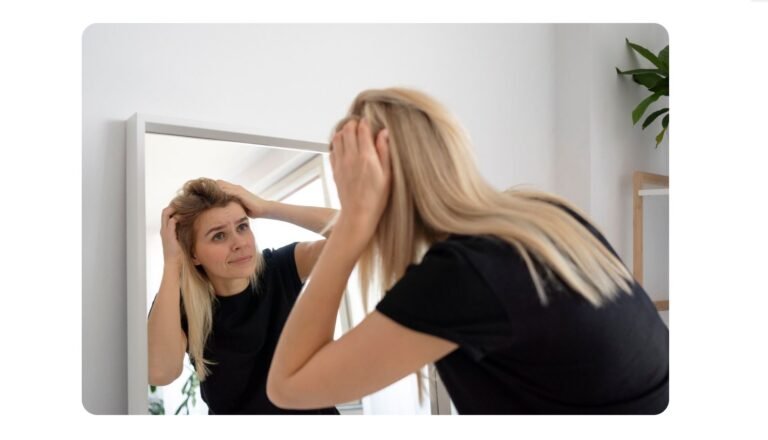
Struggling with hair root discomfort? You’re not alone. Many people experience pain at their roots, which can disrupt your beauty routine and overall confidence. Understanding the causes and solutions is essential for maintaining a healthy scalp and beautiful hair.
To ease this issue, consider trying scalp massages, incorporating essential oils like tea tree or peppermint, and avoiding tight hairstyles that may cause tension. These simple steps can significantly alleviate discomfort.
Best for: All skin types. Use caution if: You have a sensitive scalp or skin conditions like psoriasis.
What Causes Hair Root Pain
Hair root pain can be an uncomfortable and concerning experience. Understanding the causes behind this discomfort is crucial for effective relief and maintaining scalp health. Here are some common reasons why your hair roots may hurt.
Tight Hairstyles
One of the most prevalent causes of hair root pain is wearing tight hairstyles. Styles like ponytails, braids, or buns can create tension on the hair follicles, leading to discomfort.
- Frequent use of tight hairstyles can result in traction alopecia, a condition where hair is pulled from the roots.
- Alternating styles and giving your hair a break can help alleviate pressure and prevent long-term damage.
Scalp Conditions
Various scalp conditions can contribute to hair root pain. These include:
- Dandruff: An itchy and flaky scalp can cause irritation and pain.
- Psoriasis: This autoimmune condition can lead to red, scaly patches on the scalp, causing discomfort.
- Folliculitis: Inflammation of hair follicles can result in painful bumps and tenderness.
If you suspect a scalp condition, consult a dermatologist for proper diagnosis and treatment.
Nutritional Deficiencies
Diet plays a significant role in scalp health. Deficiencies in certain nutrients can lead to hair root pain:
- Iron: Low iron levels can affect hair strength and health.
- Vitamin D: Essential for hair follicle cycling; a deficiency may lead to increased sensitivity.
- Biotin: Important for hair health; inadequate levels can contribute to discomfort.
“A balanced diet rich in vitamins and minerals is essential for maintaining a healthy scalp.”
If hair root pain persists or is accompanied by significant symptoms, consider seeking professional help to address underlying issues effectively.
Identifying Your Scalp Type
Understanding your scalp type is crucial for addressing hair root pain effectively. By identifying whether your scalp is oily, dry, or sensitive, you can tailor your hair care routine and choose the right products to alleviate discomfort.
- Assess Oily vs. Dry Scalp: To determine if you have an oily or dry scalp, observe how your scalp feels and looks after washing your hair. If it feels greasy within a day or two and has visible shine, you likely have an oily scalp. Conversely, if your scalp feels tight and flaky or you notice dandruff, it may indicate dryness.
- Evaluate Sensitivity Levels: Consider how your scalp reacts to products and environmental factors. If you experience stinging, itching, or redness after using certain shampoos or styling products, you may have a sensitive scalp. Keep track of any specific ingredients that trigger these reactions.
- Look for Signs of Irritation: Check for additional symptoms such as persistent itchiness, inflammation, or even hair loss. These signs can indicate irritation that may be contributing to root pain. If you notice these symptoms, it may be time to investigate potential allergens or harsh ingredients in your hair care products.
Key Ingredients for Scalp Health
Understanding the right ingredients can significantly improve scalp health and alleviate discomfort associated with painful hair roots. Here are key ingredients to look for in products that promote a healthier scalp and help relieve pain.
| Item | Amount/Specification | Notes |
|---|---|---|
| Tea Tree Oil | 5-10% concentration | Best for oily to combination scalp types; has natural antifungal and antibacterial properties. |
| Salicylic Acid | 0.5-2% concentration | Effective for oily scalps; helps exfoliate and reduce inflammation. |
| Aloe Vera | Pure gel or in formulations | Soothes irritation and hydrates; suitable for all skin types. |
- Always conduct a patch test before using products with active ingredients to avoid adverse reactions.
- Apply treatments with Tea Tree Oil in the evening to reduce sensitivity.
- For Salicylic Acid, use it a few times a week to avoid over-exfoliation.
- Incorporate Aloe Vera gel into your routine for added moisture and soothing effects.
Scalp Care Routine Steps
Maintaining a healthy scalp is essential for alleviating discomfort in your hair roots. A consistent scalp care routine can help address issues like sensitivity or pain by keeping the scalp clean, exfoliated, and well-hydrated. Follow these simple steps to ensure your scalp remains in optimal health.
- Gentle Cleansing: Start by using a mild, sulfate-free shampoo to cleanse your scalp without stripping natural oils. Look for products containing ingredients like tea tree oil or aloe vera which can soothe irritation. Aim to wash your hair 1-3 times a week, depending on your scalp type; oily scalps may need more frequent cleansing.
- Regular Exfoliation: Incorporate a scalp scrub or exfoliating treatment once a week to remove dead skin cells and product buildup. Look for products that contain salicylic acid or physical exfoliants like sugar or salt. This will help in maintaining scalp health and can alleviate discomfort by promoting better blood circulation.
- Moisturizing Scalp: After cleansing and exfoliating, apply a lightweight scalp serum or oil to hydrate the scalp. Ingredients such as jojoba oil or argan oil work well for all skin types, including oily scalps. Massage the product gently into the scalp to improve circulation and promote relaxation.
Common Hair Care Mistakes
Understanding common hair care mistakes is essential for addressing discomfort in your hair roots. Often, these mistakes can lead to additional pain or exacerbate existing issues. By adjusting your hair care routine, you can alleviate pain and promote a healthier scalp.
- Over-tight Hairstyles: Frequent use of tight hairstyles like ponytails, braids, or buns can cause traction alopecia, leading to root pain. Opt for looser styles and give your hair a break to reduce strain.
- Harsh Products: Using shampoos and conditioners that contain sulfates, parabens, or alcohol can irritate the scalp and cause discomfort. Look for gentle, sulfate-free formulas that are hydrating, especially for sensitive scalps.
- Neglecting Scalp Care: A healthy scalp is crucial for healthy hair. Failing to exfoliate or moisturize your scalp can lead to build-up and inflammation. Incorporate a gentle scalp scrub or oil treatment into your routine at least once a week.
Affordable DIY Remedies
Experiencing pain in your hair roots can be uncomfortable and concerning, but there are several budget-friendly DIY remedies you can try at home to alleviate discomfort and promote scalp health. These simple solutions utilize natural ingredients that are easy to find and can be effective in soothing your scalp.
Coconut Oil Massage
Coconut oil is known for its moisturizing properties and can help reduce inflammation and irritation on the scalp. Here’s how to perform a coconut oil massage:
- Warm 2-3 tablespoons of coconut oil until it’s liquid.
- Part your hair and apply the oil directly to your scalp using your fingertips.
- Massage gently in circular motions for about 5-10 minutes.
- Leave it on for at least 30 minutes before washing out with a mild shampoo.
This method works best for dry or sensitive scalps, providing hydration and relief.
Apple Cider Vinegar Rinse
An apple cider vinegar rinse can help balance the scalp’s pH and reduce irritation. Use it as follows:
- Mix 1 part apple cider vinegar with 3 parts water in a bowl.
- After shampooing, pour the mixture over your scalp and hair.
- Leave it on for 5-10 minutes before rinsing thoroughly with water.
This rinse works well for oily or combination scalps and can help remove product buildup.
Herbal Infusions
Herbal treatments like chamomile or green tea can soothe the scalp. Brew a strong infusion and let it cool:
“Herbal infusions can nourish and calm irritated scalps, promoting overall scalp health.”
- Brew 1 cup of chamomile or green tea.
- Allow it to cool and apply it to your scalp using a spray bottle or cotton balls.
- Leave on for 15-20 minutes before rinsing.
This remedy is suitable for all skin types and can reduce inflammation and discomfort at the roots.
Professional Treatment Options
If you’re experiencing persistent pain or discomfort at your hair roots, consulting a professional is essential to determine the underlying causes and effective solutions. This section outlines when to seek help and the various treatment options available to help alleviate your symptoms.
Dermatologist Consultation
A dermatologist can assess your scalp health and determine if there’s an underlying condition contributing to your discomfort, such as:
- Scalp psoriasis
- Folliculitis
- Allergic reactions to products
- Seborrheic dermatitis
During your appointment, be prepared to discuss your symptoms, current hair care routine, and any products you use. This information will help the dermatologist make an accurate diagnosis and recommend appropriate treatments.
Scalp Treatments
Depending on the diagnosis, your dermatologist may suggest various scalp treatments, including:
- Medicated shampoos: Look for ingredients like ketoconazole or salicylic acid to address fungal infections or buildup.
- Scalp exfoliation: Regular exfoliation can help remove dead skin and improve blood circulation.
Prescription Solutions
If over-the-counter options don’t provide relief, your dermatologist may prescribe:
- Topical corticosteroids: To reduce inflammation and soothe irritation.
- Oral medications: Such as antibiotics or antifungals, depending on the condition.
“Consulting a dermatologist is key if over-the-counter treatments fail; they can provide targeted therapies based on your individual needs.”
By addressing the issue early on with professional help, you can mitigate pain and improve your overall scalp health effectively.
Quick Summary
- Understanding discomfort: Hair root pain can be caused by tension, scalp conditions, or product buildup.
- Check for tight hairstyles: Avoid tight ponytails or braids that strain the hair follicles.
- Scalp care is essential: Regular exfoliation can help remove buildup and improve scalp health.
- Choose gentle products: Opt for sulfate-free shampoos and avoid harsh chemicals.
- Consult a professional: If pain persists, see a dermatologist to rule out underlying conditions.
| Routine | Steps |
|---|---|
| Morning | 1. Gentle scalp massage (30s) 2. Apply lightweight conditioner (30s) 3. Style hair without tension (30s) |
| Evening | 1. Cleanse scalp thoroughly 2. Apply soothing oils or treatments 3. Relax hair and avoid tight styles |
Frequently Asked Questions
Why do my hair roots hurt?
Hair root pain can be caused by tension from tight hairstyles, scalp conditions, or even stress. Identifying the underlying cause is essential for effective relief.
How long until I see results from treating my scalp pain?
You may start to notice improvement in 1-2 weeks with consistent treatment like gentle scalp massages and proper hair care. Persistent issues may require a dermatologist’s evaluation.
Can I use hair products if I have sensitive skin?
Yes, but look for products labeled as hypoallergenic or formulated for sensitive skin. Always perform a patch test to avoid irritation.
Do I really need to change my hairstyle to relieve root pain?
Yes, switching to looser hairstyles can significantly reduce tension on your scalp and alleviate discomfort. Avoiding tight ponytails or braids is crucial for healing.
Is a more expensive scalp treatment worth it compared to drugstore options?
While some high-end products offer unique ingredients and formulations, many drugstore options effectively address scalp pain. Evaluate ingredients and reviews to find what works best for you.

- Does Summer Really Boost Hair Growth Speed? Insights and Facts - March 31, 2026
- Medium Hairstyles for School: 25 Best Looks That Are Easy - March 31, 2026
- Hairstyles for Medium Hair for School: Easy and Stylish - March 31, 2026