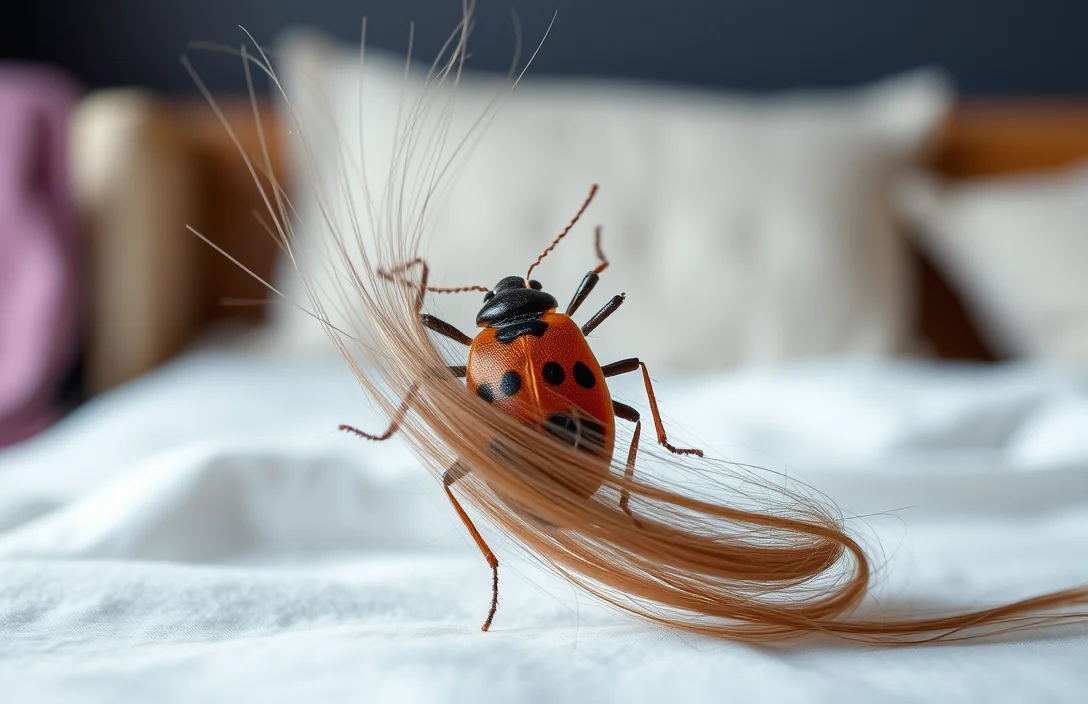
Can Bed Bugs Infest Hair? 8 Tips for Prevention and Treatment
Struggling with the thought of bed bugs hiding in your hair? You’re not alone. This concern can be unsettling, especially if you’re already dealing with skin issues. Understanding how these pests operate is crucial for your peace of mind and overall hair and scalp health.
The good news is that bed bugs generally prefer to hide in bedding and furniture rather than hair. However, it’s essential to be vigilant. Look for signs like small bites or dark spots on your scalp. To combat any potential issues, consider using tea tree oil or neem oil as natural repellents.
Best for: all hair types. Use caution if: you have sensitive skin or allergies.
What are Bed Bugs?
Bed bugs are small, parasitic insects that feed on the blood of humans and animals. Understanding their characteristics and common habitats is essential for assessing their potential impact on hair and scalp health.
Definition of Bed Bugs
Bed bugs, scientifically known as Cimex lectularius, are nocturnal creatures that thrive in environments where humans sleep. They are approximately 1/4 inch long, have a flat, oval shape, and are typically brown or reddish-brown in color. Their small size allows them to hide effectively in various places, making them a nuisance when infesting homes.
Common Habitats
Bed bugs are often found in areas where people gather or sleep. Common habitats include:
- Mattresses and bedding
- Bed frames and headboards
- Upholstered furniture
- Carpets and rugs
- Cracks and crevices in walls and floors
While bed bugs prefer to stay close to their food sources, they are not known to colonize hair or the scalp. However, using a thorough approach to understanding their behavior can help in identifying potential infestations.
Expert tip: Regularly inspect and clean areas where you sleep to prevent bed bug infestations.
Can Bed Bugs Hide in Hair?
Understanding whether bed bugs can hide in hair is crucial for effective prevention and treatment strategies. While bed bugs are notorious for infesting bedding and upholstery, their behavior and biology play a significant role in determining if they can reside in hair.
Scientific Insights
Bed bugs, scientifically known as Cimex lectularius, are primarily nocturnal and prefer to feed on human blood during sleep. Their flat bodies allow them to hide in narrow crevices, but their choice of habitat is usually dictated by proximity to a food source. Here are key points regarding their potential to hide in hair:
- Bed bugs do not live in hair; they prefer locations that offer easy access to the skin, such as seams of mattresses or furniture.
- Hair provides an unsuitable environment due to its texture, lack of shelter, and the constant movement of the scalp.
- While they may temporarily land on hair while crawling or feeding, they are unlikely to stay there.
Expert Opinions
Entomologists state: “Bed bugs are more likely to be found in bedding or furniture than in hair, as they require a stable environment for reproduction and survival.”
Therefore, while it’s highly unlikely for bed bugs to infest hair, they could still be found in close proximity, particularly if you have been in a heavily infested area. If you suspect an infestation, thorough inspection of bedding and common areas is advised.
Identifying Infestations
Recognizing the signs of bed bugs in hair and on the scalp is crucial for effective treatment and prevention. Understanding visual cues and symptoms can help you determine if an infestation is occurring and what steps to take next.
- Visual Signs: Look for small, reddish-brown insects that may be crawling through the hair or along the scalp. These bugs are typically 4-5 mm long, resembling apple seeds. You may also notice tiny black spots, which are bed bug excrement, on your pillow or bedding, indicating their presence nearby.
- Itchy Scalp: A common symptom of bed bug bites includes intense itching on the scalp, which can be mistaken for other conditions like dandruff or allergies. Pay attention to whether the itching persists despite using topical treatments for irritation.
- Red Bumps or Welts: Inspect your scalp for clusters of red, inflamed bumps that resemble mosquito bites. These are often found on exposed areas of the scalp and may appear in lines or clusters, which is typical of bed bug bites.
- Unusual Hair Loss: If you notice patches of hair loss or thinning in specific areas, it may be a reaction to scratching or irritation caused by bed bugs. This can lead to inflammation, which affects hair growth.
- Check Personal Belongings: Inspect hats, hair accessories, and any items that may come into close contact with your hair. Bed bugs can hitch a ride on these objects, so thorough examination is necessary.
Prevention Measures
Preventing bed bug infestations is essential to maintaining a healthy environment, particularly when it comes to your hair and scalp. While bed bugs typically reside in bedding and furniture, taking proactive steps can help mitigate the risk of them making your hair their home. Here are some effective strategies for prevention.
- Regularly wash bedding and clothing: Wash your sheets, pillowcases, and any clothing that may have been in contact with infested areas at a high temperature (at least 130°F). This not only kills bed bugs but also removes any eggs that may have been laid.
- Vacuum frequently: Use a vacuum with a HEPA filter to clean your bedroom, especially around the bed and furniture. Empty the vacuum immediately after use and dispose of the contents outside to avoid reinfestation.
- Seal cracks and crevices: Inspect your bedroom for potential hiding spots like cracks in the walls, floorboards, and furniture. Seal these openings with caulk to minimize the areas where bed bugs can hide.
- Use protective covers: Invest in bed bug-proof mattress and pillow covers. These encasements create a barrier, preventing bed bugs from infesting your bedding and making it easier to spot any potential issues.
- Limit clutter: Reducing clutter in your bedroom can make it easier to spot bed bugs and simplifies cleaning. Keep items stored in plastic bins with lids to minimize hiding places.
- Inspect second-hand items: Before bringing in any second-hand furniture or clothing, carefully inspect them for signs of bed bugs. If possible, treat these items before introducing them into your living space.
Effective Treatment Options
If you suspect that bed bugs may have infested your hair, it is crucial to address the situation promptly and effectively. Here, we’ll discuss topical treatments and home remedies that can help eliminate any unwanted pests while maintaining scalp health.
Topical Treatments
While bed bugs are unlikely to stay in hair for long periods, if you find evidence of them, consider these topical options:
- Permethrin Cream: This insecticide can kill bed bugs on contact. Apply it to affected areas as directed on the product label.
- Tea Tree Oil: Known for its antimicrobial properties, tea tree oil may help repel and kill bed bugs. Dilute with a carrier oil and apply to the scalp, avoiding contact with eyes.
Home Remedies
In addition to commercial products, there are effective home remedies:
- Vinegar: A natural insect repellent. Mix equal parts vinegar and water, spray on hair and scalp, and let it sit for 30 minutes before rinsing.
- Essential Oils: Lavender and peppermint oils can deter bed bugs. Mix with a carrier oil and apply to the scalp.
Expert tip: Always conduct a patch test before applying any new treatment to your scalp to avoid allergic reactions.
| Product | Price | Key Ingredient | Best For |
|---|---|---|---|
| Permethrin Cream | $10 | Permethrin | Direct treatment of bed bugs |
| Tea Tree Oil | $12 | Tea Tree Oil | Natural repellent |
| Lavender Oil | $8 | Lavender Oil | Repellent for various pests |
Remember to follow up with your usual hair care routine to keep your scalp healthy and free from irritation. If the problem persists, consult a pest control professional for thorough treatment options.
Common Mistakes to Avoid
Understanding how to deal with potential bed bug infestations, especially in relation to hair, is crucial for effective prevention and treatment. Many individuals make common mistakes that could worsen the situation or lead to unnecessary stress. Here are some pitfalls to avoid.
Incorrect Cleaning Methods
- Using ineffective cleaning solutions: Regular shampoos and conditioners do not repel or kill bed bugs. Instead, look for specialized insecticidal shampoos that are specifically designed to target pests.
- Neglecting other areas: Focusing only on hair while ignoring bed linens, upholstery, and flooring can lead to continued infestations. Always clean your environment thoroughly.
Ignoring Symptoms
Being aware of the signs of a bed bug infestation can help in early detection. Common symptoms include:
- Itchy, red bites on the scalp and neck area
- Small blood stains on pillowcases or sheets
- Dark spots that may indicate bed bug droppings
Expert tip: If you suspect bed bugs, consult a pest control professional who can provide a thorough inspection and effective treatment options.
By avoiding these mistakes, you can better manage the risk of bed bugs and protect your hair and scalp health. Always remember to act promptly if you notice any signs of infestation to minimize potential issues.
Budget-Friendly Alternatives
Understanding how to prevent and treat potential bed bug issues, especially concerning hair and scalp health, doesn’t have to break the bank. Here are some drugstore products and DIY treatments that can help you stay ahead of any infestation while caring for your hair.
Drugstore Products
- Tea Tree Oil Shampoo – Look for a shampoo containing tea tree oil, known for its insect-repelling properties. Brands like Paul Mitchell Tea Tree Special Shampoo ($22) or Jason Tea Tree Scalp Normalizing Shampoo ($8) can be effective.
- Anti-lice Treatments – Products like RID Lice Killing Shampoo ($10) can also help deter bed bugs. These treatments are formulated to kill pests and can be used if you suspect an infestation.
DIY Treatments
Creating your own bed bug deterrents can be both effective and economical. Here are some options:
- Essential Oil Spray:
- Mix 10-15 drops of peppermint or lavender essential oil with water in a spray bottle.
- Spray on your hair and scalp as a preventative measure.
- Vinegar Rinse:
- Combine equal parts of white vinegar and water.
- Use it as a final rinse after shampooing to help repel bed bugs.
“Regularly cleaning your bedding and vacuuming your hair and scalp can significantly reduce the risk of an infestation.”
| Product | Price | Key Ingredient | Best For |
|---|---|---|---|
| Paul Mitchell Tea Tree Special Shampoo | $22 | Tea Tree Oil | Hair and scalp cleansing |
| Jason Tea Tree Scalp Normalizing Shampoo | $8 | Tea Tree Oil | Oily to combination hair types |
| RID Lice Killing Shampoo | $10 | Pesticide Formula | Immediate bed bug treatment |
Expert Tips for Healthier Hair
Maintaining a healthy scalp is essential, especially when considering potential infestations like bed bugs. While bed bugs primarily inhabit bedding and furniture, ensuring your scalp health can help prevent any unwanted pests and maintain overall hair vitality. Here are some practical tips to keep your scalp healthy and reduce any risk of infestations.
Scalp Care Tips
- Keep your scalp clean: Regular washing with a gentle shampoo helps remove dirt and oils that may attract pests.
- Exfoliate your scalp: Use a scalp scrub or a gentle exfoliating shampoo once a week to remove dead skin cells.
- Moisturize: Use a lightweight, non-comedogenic conditioner to keep your scalp hydrated, especially for dry or sensitive skin types.
Routine Adjustments
Adjusting your hair care routine can also help prevent any issues. Consider the following:
- Wash hair regularly: Aim for 2-3 times a week, depending on your hair type. Oily hair may require more frequent washing.
- Limit the use of heat styling tools: Excess heat can damage your hair and scalp, making it more susceptible to issues.
- Stay vigilant: Regularly check your scalp for any unusual signs like itching or irritation, which could indicate a problem.
“Keeping your hair and scalp clean and well-maintained is your first line of defense against any potential infestations.”
By following these tips, you can promote a healthy scalp environment that deters pests while ensuring your hair remains strong and vibrant.
Quick Summary
- Bed Bugs and Hair: Bed bugs typically do not infest hair; they prefer hiding in cracks and crevices.
- Feeding Habits: Bed bugs feed on blood and are more likely to be found on skin during the night.
- Signs of Infestation: Look for bites, shed skins, and dark spots on bedding rather than in hair.
- Prevention Tips: Regularly wash bedding and inspect second-hand furniture to prevent infestations.
- Professional Help: Consult pest control for effective treatment if you suspect an infestation.
| Action | Details |
|---|---|
| Inspect | Check bedding and furniture for signs of bed bugs. |
| Wash | Regularly wash bedding in hot water. |
| Consult | Seek professional pest control if needed. |
Frequently Asked Questions
Will bed bugs hide in hair?
No, bed bugs typically do not hide in hair; they prefer to stay close to where they feed, which is usually on exposed skin during sleep. They are more likely to be found in bedding, mattresses, and cracks in furniture.
How long can bed bugs live without feeding?
Bed bugs can survive for several months without a blood meal, with some reports indicating they can last up to 1 year in cooler conditions.
Can bed bugs cause skin reactions?
Yes, bed bug bites can lead to skin reactions such as redness, itching, and swelling, which may vary from person to person. Some individuals may even experience severe allergic reactions.
Do I need to wash my hair if I have bed bugs?
While washing your hair is not necessary to get rid of bed bugs, it is essential to wash your bedding and clothing to eliminate any potential infestations. Focus on cleaning areas where bed bugs are likely to reside.
Is there a way to prevent bed bugs in my home?
Yes, you can prevent bed bugs by regularly inspecting your sleeping areas and using protective mattress covers. Sealing cracks and crevices in your home can also help deter their entry.

- Medium Hairstyles for School: 25 Best Looks That Are Easy - March 31, 2026
- Hairstyles for Medium Hair for School: Easy and Stylish - March 31, 2026
- Hairstyles for Medium Length Hair for School: 28 Styles That Are Easy - March 31, 2026