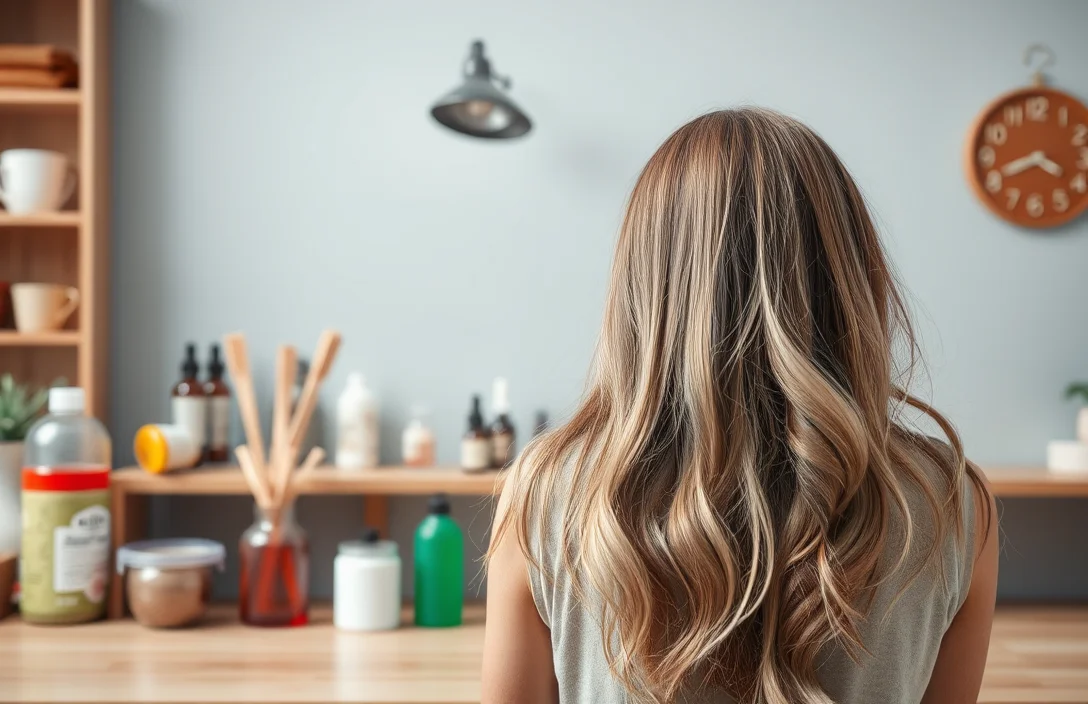
Is Hair Dye Harming Your Hair? Understanding the Risks and Effects
Research indicates that over 70% of women in the U.S. regularly use hair dye products. Many wonder if these dyes cause damage to their hair, leading to concerns about long-term effects on hair health and appearance.
Studies show that hair dye can cause dryness, breakage, and loss of shine. Ingredients such as ammonia and peroxide are often the culprits. Choosing products with gentler formulations can mitigate some of these risks.
Chemical Ingredients in Hair Dye
Ammonia serves as a common ingredient in many hair dyes, acting as a powerful alkaline agent. This chemical opens up the hair cuticle, allowing color to penetrate the hair shaft. While effective for coloring, ammonia can also lead to dryness and damage over time.
Peroxide is another prevalent component found in hair dye formulations. It functions as a bleaching agent, helping to lift the natural pigment from hair. Prolonged exposure to peroxide can weaken hair structure, resulting in brittleness and breakage.
Resorcinol often appears in permanent hair dyes, contributing to the overall color development process. While it provides a rich hue, resorcinol can cause allergic reactions in some individuals, leading to irritation or skin sensitivity.
Parabens, used as preservatives, help extend the shelf life of hair dye products. Despite their effectiveness, concerns have arisen regarding their potential impact on hormonal balance, prompting some consumers to seek paraben-free alternatives.
PPD (p-phenylenediamine) is frequently included in darker hair dyes to enhance color intensity. Though effective, PPD is known for causing allergic reactions and skin irritation, raising questions about its safety in hair dye formulations.
Impact on Hair Structure
Hair dye alters the physical structure of strands, primarily through the penetration of chemical agents. These agents disrupt the hair’s cuticle, the outer protective layer, leading to increased porosity. As a result, hair becomes more susceptible to damage, frizz, and breakage. Regular exposure can exacerbate these issues, making it essential to understand the potential consequences.
- Chemical reactions weaken protein bonds. Ammonia and peroxide act to open the hair cuticle, allowing color molecules to enter. This process can compromise the keratin structure, resulting in diminished strength.
- Increased porosity leads to moisture loss. Once the cuticle is damaged, hair can lose its ability to retain moisture effectively. Dryness can result in brittleness and an overall unhealthy appearance.
- Coloring can cause uneven texture. As the dye interacts with the hair, some areas may absorb color differently, leading to patchiness and variations in texture. This inconsistency affects styling options and overall aesthetics.
- Frequent dyeing accelerates split ends. Regular applications can result in frayed ends, requiring more frequent trims. Maintaining healthy ends becomes a challenge as the hair’s structural integrity diminishes.
- Moisturizing treatments help restore balance. Incorporating deep conditioning masks and leave-in treatments can mitigate some damage. These products help replenish moisture and improve texture over time, promoting healthier hair.
Allergic Reactions to Hair Dye
Allergic reactions to hair dye can pose serious health risks. Many hair dyes contain chemicals like paraphenylenediamine (PPD), which can trigger skin allergies. Symptoms may include itching, redness, swelling, and in severe cases, anaphylaxis. Always conduct a patch test 48 hours before applying any new product to your hair.
Symptoms vary widely among individuals. Some people may experience mild irritation, while others can develop more severe reactions. Common signs include hives, blistering, and swelling around the eyes and face. Recognizing these symptoms early is crucial for preventing further complications.
Consulting a dermatologist is advisable if you suspect an allergy. Professionals can recommend suitable alternatives or treatments to manage reactions effectively. They may also suggest hypoallergenic hair dye options that minimize the risk of irritation.
Seeking immediate medical attention is essential for severe reactions. In cases of difficulty breathing or swelling of the throat, emergency services should be contacted immediately. Knowing the signs of an allergic reaction can save lives and prevent serious health issues.
Long-Term Effects of Frequent Dyeing
Frequent dyeing can lead to significant hair damage over time. Chemical ingredients in hair dye, especially ammonia and peroxide, weaken the hair structure, leading to brittleness and breakage. Each application compounds these effects, making hair more susceptible to environmental damage and styling stress.
Repeated exposure to harsh chemicals often results in dry, frizzy hair. Moisture retention becomes challenging, leaving strands lacking in luster and softness. Over time, this can create a dull appearance, prompting the need for more intensive conditioning treatments.
Regular dyeing also affects scalp health. Irritation or sensitivity from chemicals can lead to inflammation, which may cause flaking or discomfort. Maintaining a healthy scalp is crucial, as it directly influences hair growth and overall hair health.
Gradual color buildup may also occur, altering the intended hue. Dark colors can fade unevenly, while lighter shades may turn brassy. Understanding these changes can help in choosing appropriate maintenance products to preserve color vibrancy.
Ultimately, long-term dyeing leads to cumulative effects that can compromise hair quality. Regular trims, deep conditioning treatments, and occasional breaks from dyeing can mitigate damage and promote healthier hair. Prioritizing hair care ensures that color remains vibrant while maintaining hair integrity.
Coloring Techniques and Damage
Different dyeing techniques impact hair integrity significantly. Each method has unique effects on the hair structure, potentially leading to damage. Knowing how these techniques work allows for better decisions regarding hair care and maintenance.
- Bleaching strips color and moisture. This technique opens the hair cuticle, allowing chemicals to penetrate deeply, leading to dryness and brittleness. Frequent bleaching can weaken hair significantly.
- Permanent dyes penetrate the hair shaft. These dyes contain strong chemicals that alter the hair’s natural pigment. Repeated use may result in hair breakage and loss of shine.
- Semi-permanent dyes coat the hair. They provide temporary color without harsh chemicals, but they still cause some damage. Regular application may lead to a buildup that requires clarifying treatments.
- Highlights involve selective bleaching. This method can be less damaging than full coloring if done correctly. However, overprocessing can still result in split ends and frizz.
- Ombre techniques blend colors gradually. While this approach may appear more natural and less damaging, frequent touch-ups can still lead to weakened strands if proper care isn’t taken.
Post-Dye Care for Healthy Hair
Maintaining healthy hair post-dye requires specific care strategies. Focus on hydration and nutrition to combat potential damage from coloring. Implementing a robust post-dye care routine can significantly improve hair health and appearance. Follow these actionable steps to ensure your hair remains vibrant and strong after dyeing.
- Moisturizing treatments should be frequent. Use deep conditioning masks at least once a week to restore moisture and repair damage.
- Heat styling tools need moderation. Limit the use of blow dryers, straighteners, and curling irons to reduce additional stress on freshly dyed hair.
- Gentle cleansing is essential. Opt for sulfate-free shampoos specifically designed for colored hair to prevent fading and preserve color vibrancy.
- Cold water rinses help seal cuticles. Finish your hair wash with cold water to lock in moisture and enhance shine.
- Sun protection is crucial. Wear hats or use UV protection sprays to shield your hair from sun damage, which can fade color.
Following these guidelines minimizes the risk of damage caused by hair dye. Each step contributes to maintaining the integrity and appearance of your hair, ensuring it remains healthy and beautiful.
Quick Summary
- Hair dye can cause damage to hair, leading to dryness and brittleness.
- Chemical ingredients in hair dyes may cause allergic reactions in some individuals.
- Frequent use of hair dye can weaken hair structure and lead to breakage.
- Natural hair dyes, like henna, are generally considered less harmful than chemical dyes.
- Proper hair care and conditioning can mitigate some of the damage caused by dyeing.
- It’s essential to follow application instructions and conduct patch tests to avoid adverse effects.
- Consulting a professional stylist can help minimize risks associated with hair dyeing.
Frequently Asked Questions
Is hair dye harmful to hair?
Hair dye can potentially harm your hair, especially if used frequently or if it contains harsh chemicals. Many dyes can strip moisture from the hair, leading to dryness and damage.
What are the effects of permanent hair dye on hair?
Permanent hair dye penetrates the hair shaft, which can cause significant damage over time. This type of dye may weaken the hair structure, leading to breakage and split ends.
Are there safer alternatives to traditional hair dye?
Yes, there are safer alternatives such as semi-permanent dyes, vegetable-based dyes, and natural options like henna. These typically contain fewer harsh chemicals and are less damaging to hair.
How can I minimize damage when dyeing my hair?
To minimize damage, consider using a deep conditioning treatment before and after dyeing. Additionally, choosing a high-quality dye and following the instructions carefully can also help reduce harm.
How often can I dye my hair without causing damage?
It is generally recommended to wait at least 4-6 weeks between dyeing sessions to prevent excessive damage. The longer you wait, the better your hair will recover and maintain its health.

- Does Summer Really Boost Hair Growth Speed? Insights and Facts - March 31, 2026
- Medium Hairstyles for School: 25 Best Looks That Are Easy - March 31, 2026
- Hairstyles for Medium Hair for School: Easy and Stylish - March 31, 2026