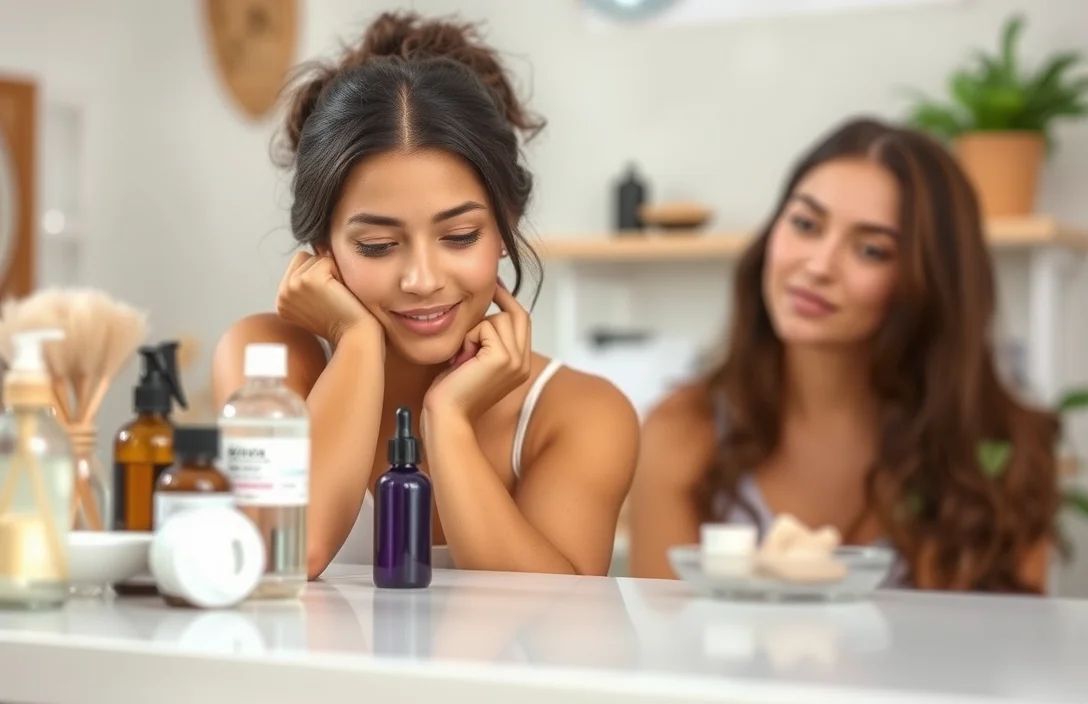
Are Hair Serums Necessary? Exploring Their Benefits for Healthy Hair
Approximately 80% of people experience damaged hair at some point, leading many to question the necessity of hair serums. With countless products on the market, understanding their role in hair care can transform your daily routine and enhance hair health significantly.
Hair serums are beneficial for protection, hydration, and shine. They can help tame frizz, smooth split ends, and provide a layer of defense against environmental damage. While not mandatory, they can greatly improve the appearance and feel of your hair.
What Are Hair Serums?
Hair serums are specialized hair care products designed to enhance and protect hair. Typically lightweight and often silicone-based, these formulations provide a variety of benefits such as shine, frizz control, and moisture retention. They remain on the hair after application, as opposed to conditioners that rinse out, making their effects more enduring.
Ingredients in hair serums vary widely but often include oils, proteins, and vitamins. Common components such as argan oil or jojoba oil offer nourishment and hydration. Proteins can strengthen hair, while vitamins help support overall hair health. Each serum is tailored to address specific hair concerns, whether it’s dryness, damage, or lack of shine.
Application methods are straightforward and can be adapted based on hair type. Typically, users apply a few drops to damp or dry hair, focusing on the ends where damage tends to be more pronounced. Depending on the product, serums can be used daily or as needed to maintain hair’s appearance and health.
Benefits for Hair Health
Hair serums provide significant advantages for maintaining healthy hair. They work by delivering essential nutrients, moisture, and protection from environmental damage. Using these products can lead to shinier, smoother, and more manageable hair, making them an important part of any hair care routine.
- Serums seal moisture into strands. Hydration is crucial for preventing dryness and brittleness, which leads to breakage. Choose a serum that contains hydrating ingredients like hyaluronic acid or glycerin to retain moisture effectively.
- Serums protect against heat damage. Many styling practices involve heat, which can harm hair. A good serum acts as a barrier, reducing damage from tools like hair dryers and straighteners, ultimately preserving hair integrity.
- Serums enhance shine and smoothness. Frizz often detracts from hair’s appearance. Applying a serum can smooth the hair cuticle, resulting in a glossy finish that enhances overall visual appeal.
- Serums reduce split ends. Regular use can help to temporarily seal split ends, preventing them from worsening until the next trim. This helps maintain a healthier look in between salon visits.
- Serums promote overall hair health. Many formulations contain vitamins and oils that nourish the scalp and hair follicles, supporting stronger, healthier hair growth over time.
Types of Hair Serums
Serums come in various formulations, each targeting specific hair issues. Moisture-boosting serums typically contain hydrating ingredients like hyaluronic acid or glycerin, which help restore moisture to dry hair. Conversely, smoothing serums often feature silicones that coat the hair shaft, reducing frizz and enhancing shine. Knowing these differences can aid in selecting the right product.
Lightweight serums are designed for fine hair, providing nourishment without weighing it down. Richer formulations, on the other hand, are ideal for thick or curly hair, offering deep hydration and manageability. Users should assess their hair type to determine the best consistency for their needs.
Thermal protection serums contain ingredients that shield hair from heat damage during styling. These formulations often include polymers that create a barrier, safeguarding strands from high temperatures. Regular use can mitigate the adverse effects of heat styling tools, preserving hair integrity.
Color-protecting serums are crafted to extend the life of hair color. Ingredients like antioxidants and UV filters help prevent fading and damage caused by sun exposure. For those with color-treated hair, these serums are essential in maintaining vibrancy and shine.
Lastly, growth serums often include ingredients like biotin and caffeine, aimed at promoting hair growth and thickness. Users experiencing thinning hair may find these formulations beneficial in stimulating follicles and improving overall hair density.
Who Should Use Hair Serums?
Individuals with specific hair types benefit most from serums. People experiencing dryness, frizz, or damage often find them particularly useful. Those with color-treated hair can also gain protection and enhance vibrancy. Identifying your hair’s needs is essential for effective use.
Curly hair often lacks moisture. Applying a serum can help maintain definition and reduce frizz. Individuals with wavy hair may also find that serums enhance shine and smoothness.
- Fine hair requires lightweight formulas. Look for silicon-based options that won’t weigh strands down.
- Thick hair benefits from richer creams. Seek out nourishing ingredients like argan oil for added hydration.
- Damaged hair needs reparative properties. Proteins and nutrients in serums can restore vitality.
People with oily scalps should apply sparingly. Focus on the mid-lengths and ends to avoid greasiness. Ultimately, knowing your hair’s condition can guide effective serum use.
Application Techniques for Effectiveness
Applying hair serums correctly enhances their benefits significantly. Begin with clean, damp hair for optimal absorption. Use a small amount, typically a pea-sized drop, to avoid greasiness. Adjust the amount based on hair length and thickness; finer hair may require less product, while thicker strands can handle more.
Distributing the serum evenly is crucial. Rub the product between your palms before applying to warm it up, making it easier to spread. Focus on the mid-lengths and ends of your hair, as these areas often need the most moisture and protection. Avoid the scalp to prevent oiliness.
Applying serums before styling is beneficial. Use the serum as a heat protectant before using hair dryers, straighteners, or curling irons. This step helps shield your hair from heat damage while enhancing shine. Allow the serum to absorb for a few minutes before proceeding with styling tools.
Remember to reapply as needed throughout the day. For frizz control or added shine, a small touch-up can help maintain a polished look. Do not overdo it; a little goes a long way. Regular application will yield the best results, promoting healthier-looking hair.
Hair Serums vs. Other Products
Serums offer distinct benefits compared to oils and conditioners. While oils primarily focus on moisturizing and sealing in moisture, serums provide targeted treatment for specific hair concerns such as frizz and damage. This specialized approach allows serums to penetrate deeper into the hair shaft, providing more effective results.
Oils typically deliver nourishment and shine, making them excellent for dry hair types. They can add weight, which might not suit fine hair. In contrast, serums are often lightweight and designed to offer styling benefits without excessive heaviness. This difference is crucial for individuals seeking volume or movement in their hair.
Conditioners, while essential for hydration, mainly work on the surface. They can soften and detangle hair but do not provide the same level of treatment as serums. A good approach is to use a serum in conjunction with a conditioner for optimal hair health. This combination allows for both immediate moisture and long-term repair.
| Product Type | Primary Function | Best For |
|---|---|---|
| Hair Serums | Treatment and styling | Frizz control, shine |
| Hair Oils | Moisturizing | Dry, coarse hair |
| Conditioners | Hydration | General maintenance |
Ultimately, evaluating hair needs is essential for determining the right product combination. Mixing serums with oils and conditioners can maximize benefits, addressing various hair concerns effectively.
Do You Really Need Hair Serums?
Assessing your individual hair needs determines if hair serums are necessary for you. Consider factors such as your hair type, texture, and specific concerns like frizz or damage. Identifying these aspects helps you decide whether a serum can address your unique challenges effectively.
Evaluating product ingredients is crucial. Look for serums containing beneficial components like oils, vitamins, and proteins. These elements can enhance moisture, shine, and strength. Selecting a serum with the right formulation for your hair type maximizes its effectiveness.
Consulting with a hair care professional offers personalized insights. A stylist can recommend specific products based on your hair’s condition and needs. Tailoring your approach can lead to better results and satisfaction with your hair care routine.
Experimenting with different serums may yield valuable information about what works best for you. Try applying serums in various amounts and methods to see which combination delivers optimal results. Documenting your experiences helps refine your choices over time.
Ultimately, determining the necessity of hair serums involves understanding your hair’s requirements and experimenting with products that cater to those needs. By taking a thoughtful approach, you can enhance your hair’s health and appearance effectively.
Quick Summary
- Hair serums can help manage frizz and add shine to hair.
- They are beneficial for protecting hair from heat damage during styling.
- Serums often contain ingredients that moisturize and nourish hair, improving overall health.
- While not essential for everyone, they can be particularly useful for those with damaged or dry hair.
- Choosing the right serum based on hair type and concerns is crucial for effectiveness.
- Overuse of serums can lead to buildup, so moderation is key.
- Ultimately, the necessity of hair serums depends on individual hair needs and styling habits.
Frequently Asked Questions
Are hair serums necessary for healthy hair?
Hair serums are not strictly necessary for healthy hair, but they can provide additional benefits. They often help with frizz control, add shine, and protect against heat damage, making them a useful addition to your hair care routine.
What are the main benefits of using hair serums?
Hair serums can help smooth hair, reduce frizz, enhance shine, and protect against environmental damage. They are also great for adding moisture and can help in detangling hair, making it easier to manage.
Can hair serums replace conditioners?
No, hair serums cannot replace conditioners. While serums provide surface-level benefits like shine and frizz control, conditioners are essential for deep hydration and nourishment of the hair shaft.
How often should I use hair serum?
The frequency of use depends on your hair type and needs. Generally, applying a small amount of serum to damp or dry hair a few times a week is sufficient, but you can adjust based on how your hair responds.
Are there specific hair types that benefit more from serums?
Yes, individuals with frizzy, dry, or curly hair often benefit the most from hair serums, as these products help manage texture and enhance moisture. However, even straight or fine hair can benefit from lightweight serums to add shine and protection.

- Does Summer Really Boost Hair Growth Speed? Insights and Facts - March 31, 2026
- Medium Hairstyles for School: 25 Best Looks That Are Easy - March 31, 2026
- Hairstyles for Medium Hair for School: Easy and Stylish - March 31, 2026