Are Hair Straighteners Bad for Hair? Understanding the Risks Involved
Over 50% of women use hair straighteners regularly, yet many remain unaware of their potential damage. Frequent exposure to high heat can lead to dryness, split ends, and breakage, raising concerns about the long-term health of hair. Understanding the risks is crucial for maintaining vibrant locks.
Studies indicate that while hair straighteners can cause damage, using them correctly minimizes risks. Opt for lower heat settings and heat protectant sprays to safeguard hair health. Regular conditioning treatments also help to restore moisture and reduce brittleness.
Heat Damage Explained
Heat directly alters hair structure. High temperatures from straighteners can break down the protein bonds within hair strands, leading to damage and fragility. Regular use of these tools without proper care can result in weakened hair that appears dull and lifeless.
- Protein bonds give hair strength. These bonds consist of keratin, which is crucial for maintaining hair integrity. Excessive heat disrupts these bonds, causing structural weakness.
- Cuticle layers protect inner strands. Hair cuticles act like armor, shielding the inner cortex from damage. High heat can lift these cuticles, exposing the cortex to environmental stressors.
- Moisture is crucial for elasticity. Healthy hair retains moisture, ensuring it remains flexible. Heat can evaporate this moisture, resulting in brittle and unmanageable hair.
- Heat settings matter significantly. Lower temperature settings can minimize damage while still effectively straightening hair. Choosing the right temperature is essential for maintaining hair health.
- Regular heat protection is vital. Utilizing heat protectants before styling can create a barrier, reducing direct contact with high temperatures and preventing damage.
Impact on Moisture Levels
Heat application from straighteners significantly reduces moisture content in hair. Hair strands lose vital hydration, leading to dryness and brittleness. Over time, this lack of moisture makes hair more susceptible to damage, split ends, and breakage. Understanding how straighteners affect moisture can guide you in making better styling choices.
- Direct heat exposure strips moisture. Hair straighteners operate at high temperatures, which can evaporate water from the hair shaft. This process compromises the natural moisture balance.
- Frequent use leads to cumulative effects. Regularly applying heat increases the risk of chronic dryness. Hair may not recover adequately between sessions, resulting in long-term damage.
- Moisture retention strategies can help. Incorporating leave-in conditioners or hair oils before styling can provide a protective barrier. This aids in maintaining hydration levels despite heat exposure.
- Hydrating products enhance recovery. Using moisture-rich shampoos and conditioners post-straightening can replenish lost hydration. Look for products with ingredients like shea butter or argan oil for best results.
- Limiting heat exposure is crucial. Reducing the frequency of straightening sessions allows hair time to regain moisture. Consider air drying or using lower heat settings to minimize damage.
Chemical Treatments and Straighteners
Combining chemical treatments with heat styling poses significant risks to hair health. Treatments like relaxers and perms alter hair structure, making strands more susceptible to damage from heat. Using straighteners immediately after these processes can lead to increased brittleness and breakage, compromising the hair’s integrity.
Research indicates that using high-heat tools on chemically treated hair can exacerbate damage. These tools often reach temperatures that further weaken the hair shaft, resulting in split ends and frizz. Reducing the frequency of heat styling can mitigate these effects, allowing time for hair to recover.
Maintaining proper care after such treatments is essential. Utilizing deep conditioning masks and serums helps restore moisture and nourishment to the hair. Always look for products specifically designed for chemically treated hair, as they can provide necessary protection against additional heat damage.
Monitoring the temperature settings on straighteners can also help protect your hair. Opt for lower temperatures when styling chemically treated hair, as this minimizes the risk of damage. A temperature range of 300-350°F is generally safe for most hair types.
Frequency of Use Risks
Regular use of hair straighteners can significantly damage hair health. Frequent exposure to high temperatures can lead to dryness, brittleness, and split ends. Each session of heat styling strips moisture from the hair, making it more prone to breakage and frizz. This cumulative effect can result in an overall dull appearance, detracting from your hair’s natural shine.
Consistent heating can also weaken the hair structure over time. Proteins within the hair shaft are affected by excessive heat, leading to a loss of elasticity. As hair loses its strength, it becomes less manageable and more difficult to style. This can create a cycle of increased heat usage to achieve desired looks, further exacerbating the damage.
Long-term effects from frequent straightener use can include thinning hair. Over time, excessive heat can slow down hair growth and contribute to hair loss. Encouraging healthier practices, such as limiting heat exposure, is essential for maintaining hair vitality. Consider alternating with air-drying or using heat-free styling methods to reduce potential damage.
Reducing the frequency of straightener use can lead to noticeable improvements in hair condition. Allowing hair to recover from heat exposure helps restore moisture levels and strengthen strands. Implementing a hair care routine that prioritizes hydration and nourishment will provide your locks with the recovery they need.
Protective Products to Consider
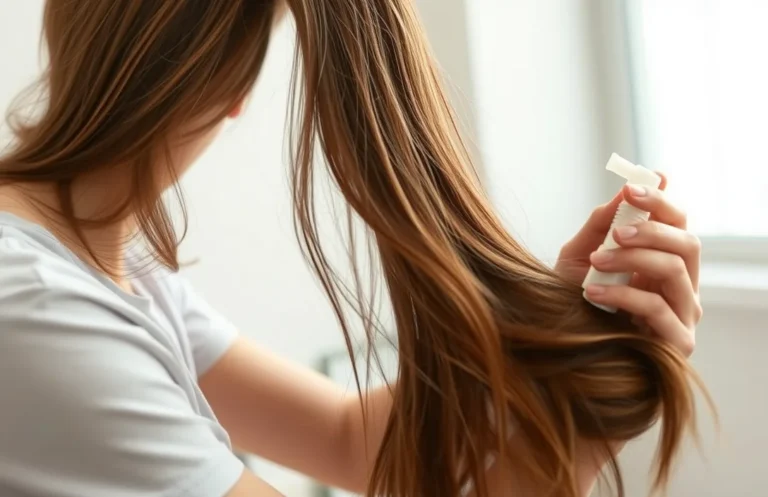
Heat protectant sprays are essential for minimizing damage from high temperatures. These products create a barrier between your hair and the heat, reducing moisture loss and preventing breakage. Look for sprays that contain ingredients like silicones, which help to smooth the hair cuticle and provide a protective layer.
Leave-in conditioners enhance moisture retention while offering additional protection. These products penetrate the hair shaft, delivering essential nutrients and hydration. Opt for formulations rich in natural oils, such as argan or jojoba oil, which can help to strengthen hair and improve its overall health.
Hair serums can provide a finishing touch after straightening. These products often contain silicone-based ingredients that help to seal the hair cuticle, adding shine and reducing frizz. Apply a small amount to the ends of your hair to keep it looking sleek without weighing it down.
Regular deep conditioning treatments are vital for maintaining hair health. Use a deep conditioner or hair mask once a week to replenish moisture and nutrients lost from heat styling. Look for masks containing proteins and vitamins to help repair any damage caused by straightening.
Silk or satin pillowcases can protect hair while sleeping. Unlike cotton, these materials reduce friction, which can help prevent breakage and frizz. Switching to silk or satin pillowcases is a simple yet effective method to maintain your hair’s health overnight.
Signs of Damage to Watch For
Visible signs of damage can indicate issues caused by heat styling tools. Look for hair that appears frizzy, brittle, or lacks shine. These characteristics often signify excessive heat exposure, which can weaken the hair structure over time. Regular inspection of your hair can help catch damage early.
Split ends are a common indicator of hair suffering from styling practices. If you notice multiple strands breaking off or splitting at the ends, it’s time to reconsider your straightening habits. Addressing split ends promptly can prevent further hair loss and maintain overall health.
Texture changes can also indicate damage. If hair feels rough or coarse instead of smooth, the cuticle may be compromised. This change often results from frequent heat application, signaling the need for recovery time and better protective measures.
Loss of elasticity is another critical sign. If hair snaps easily when stretched, it may be over-processed and requires immediate attention. Strengthening treatments or a break from heat styling can help restore elasticity.
Excessive dryness can also point to damage. If hair feels parched and lacks moisture, it may be time to assess how often you use straighteners. Incorporating hydrating products can alleviate this issue, enhancing overall hair vitality.
Alternatives to Heat Styling
Air drying offers an effective way to achieve straight hair without heat damage. After washing, gently towel-dry your hair to remove excess water. Then, apply a leave-in conditioner or smoothing serum to help control frizz. As your hair dries naturally, it will often settle into a straighter shape.
Wrapping your hair can also create straightness without heat. Divide damp hair into sections and wrap each section around your head in the opposite direction. Secure the wrapped sections with bobby pins or clips. Allow it to dry completely before removing the pins for smooth, straight strands.
Using braids provides another heat-free straightening method. After towel drying, create a few loose braids in damp hair. The tighter the braid, the straighter the result. Once the hair is dry, gently undo the braids for a soft, wavy look that can be brushed out for added volume.
Rollers can be a practical alternative as well. Opt for large foam or Velcro rollers to avoid heat. Place them in damp hair and let them stay for several hours or overnight. After removing the rollers, you’ll have straightened hair with volume, without any heat exposure.
Seeking professional treatments like keratin or Brazilian blowouts can also be beneficial. These methods provide long-lasting straightening effects without the frequent use of heated tools. Regular maintenance and proper products will help sustain the results.
Quick Summary
- Excessive use of hair straighteners can lead to heat damage, causing dryness and brittleness.
- Using a heat protectant product can help minimize damage when styling with straighteners.
- Choosing the right temperature setting is crucial; lower temperatures are less damaging.
- Regular deep conditioning treatments can help maintain hair health when using heat styling tools.
- Hair type and texture play a significant role in how much damage straighteners can cause.
- Limiting the frequency of straightening can help preserve hair integrity and overall health.
- Investing in high-quality straighteners with ceramic plates can reduce damage compared to cheaper alternatives.
Frequently Asked Questions
1. Are hair straighteners bad for hair?
Hair straighteners can potentially damage hair if used excessively or without proper precautions. The high heat can strip moisture and lead to dryness, breakage, and split ends. However, using them correctly and incorporating heat protection can minimize damage.
2. How can I protect my hair from heat damage when using a straightener?
To protect your hair, always apply a heat protectant spray before straightening. Additionally, use the straightener at the lowest effective temperature and avoid going over the same section multiple times to reduce heat exposure.
3. How often can I use a hair straightener without causing damage?
It’s generally recommended to limit the use of hair straighteners to 1-2 times per week to minimize damage. If you notice signs of dryness or breakage, consider reducing usage further or incorporating more nourishing hair treatments into your routine.
4. What types of hair are more susceptible to damage from straighteners?
Fine, thin, and chemically treated hair are usually more susceptible to heat damage from straighteners. These hair types can lose moisture more quickly and may require extra care and lower heat settings to maintain health.
5. Are there healthier alternatives to hair straighteners?
Yes, alternatives like heat-free styling methods, such as braiding damp hair or using rollers, can achieve straight or wavy looks without the damage associated with heat. Additionally, some styling products can help tame frizz and enhance natural texture without the need for heat.

- Medium Hairstyles for School: 25 Best Looks That Are Easy - March 31, 2026
- Hairstyles for Medium Hair for School: Easy and Stylish - March 31, 2026
- Hairstyles for Medium Length Hair for School: 28 Styles That Are Easy - March 31, 2026