Do Hair Products Contribute to Hair Loss? Causes and Solutions Expl…
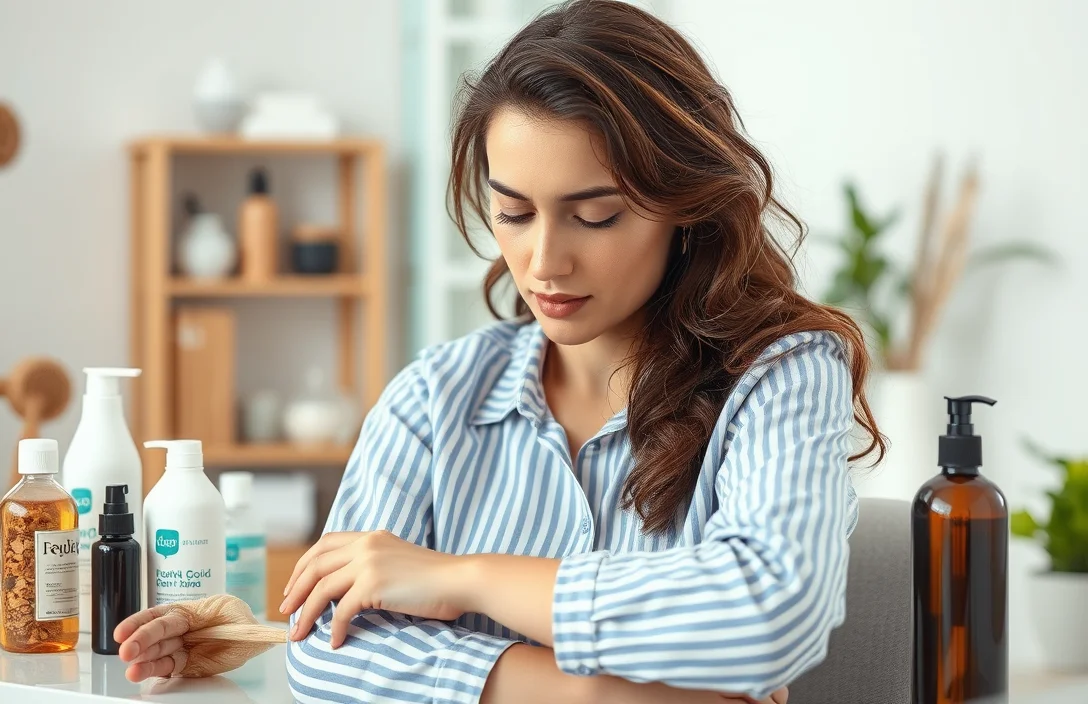
Over 40% of individuals report experiencing hair loss linked to hair products, raising concerns about ingredients like sulfates and parabens. Many consumers are unaware of potential damage caused by everyday styling items, making it crucial to scrutinize what’s in their hair care routines.
Experts suggest examining your hair product ingredients, as certain chemicals can lead to thinning hair. Common culprits include alcohols and silicones, which may cause buildup and irritation. Prioritizing natural alternatives can significantly reduce the risk of hair loss.
Ingredients Linked to Hair Loss
Certain chemicals in hair products can lead to significant hair loss. Ingredients such as sulfates, parabens, and formaldehyde have been linked to scalp irritation and damage. These substances can strip hair of its natural oils, making it weaker and more prone to breakage. Regular exposure could exacerbate underlying conditions, resulting in thinning hair over time.
Sulfates, commonly found in shampoos, create lather but can irritate the scalp. This irritation might lead to inflammation, causing hair follicles to weaken. People with sensitive skin should consider sulfate-free alternatives to minimize potential damage and support healthier hair growth.
Parabens serve as preservatives but may disrupt hormonal balance. Hormonal changes can affect hair growth cycles, leading to increased shedding. Opting for paraben-free products helps reduce exposure to these chemicals and promotes overall scalp health.
Formaldehyde and its derivatives act as preservatives in some styling products. Continuous use can cause allergic reactions and hair loss. Checking labels for formaldehyde-free options is crucial for anyone concerned about the health of their hair.
Choosing natural or organic hair products minimizes exposure to harmful chemicals. Many brands now offer formulations free from sulfates, parabens, and formaldehyde. These alternatives can nourish hair while reducing the risk of adverse effects on hair health.
Effects of Styling Products
Gels, sprays, and waxes can significantly impact hair health. Often, these styling products contain alcohol and other harsh chemicals that may lead to dryness, breakage, and potential hair loss. Frequent use can build up on the scalp, clogging hair follicles and hampering healthy hair growth.
- Alcohol-based products dry out strands. Selecting alcohol-free options can help maintain moisture levels in hair.
- Heavy waxes may cause buildup. Regularly cleansing with clarifying shampoos prevents residue accumulation that can suffocate hair follicles.
- Excessive use of gels can lead to brittleness. Limiting application frequency and using lightweight alternatives helps keep hair flexible.
- Sprays can cause stiffness. Opting for lightweight, flexible hold sprays allows for movement while maintaining style.
- Hair products may lead to scalp irritation. Choosing hypoallergenic products minimizes the risk of allergic reactions that could contribute to hair loss.
Impact of Heat Styling Tools
Heat styling tools, such as flat irons and curling wands, can significantly damage hair. Excessive heat causes the hair cuticle to break down, resulting in dryness and brittleness. Over time, this damage can lead to hair thinning and increased hair loss. To maintain healthy hair, limit the use of these tools and always apply a heat protectant before styling.
Regularly checking the temperature settings on your styling tools is crucial. Using high heat settings can exacerbate damage, especially for fine or color-treated hair. Aim for lower temperatures that still achieve your desired style without causing harm. Investing in tools with adjustable heat settings allows for more control and protection.
Spacing out heat styling sessions helps hair recover from damage. Allowing hair to rest for several days between styling reduces cumulative stress on the hair shaft. Consider incorporating heat-free styling methods, like braiding or using hair rollers, to minimize reliance on tools while still achieving beautiful styles.
Choosing the right products can also make a difference. Look for nourishing hair care products that focus on hydration and repair. Ingredients like keratin, argan oil, and shea butter can help strengthen hair, making it more resilient against the damaging effects of heat styling.
Frequency of Product Use
Overusing hair products can lead to thinning and hair loss. Regular application of styling products, shampoos, and conditioners may cause buildup, which weakens hair strands over time. Limiting usage helps maintain hair health, making it crucial to find a balance between aesthetics and care.
- Assess your routine regularly. Evaluate how often you apply products like gels, sprays, and creams. Consider reducing the frequency if you notice any changes in hair density.
- Rotate products strategically. Use different products on alternate days to prevent overexposure to specific ingredients. This approach can help mitigate potential negative effects on your hair.
- Prioritize lightweight formulations. Opt for products that are less likely to cause buildup. Lightweight sprays or serums help maintain style without overwhelming your hair.
- Incorporate product-free days. Designate certain days where you refrain from using any hair products. This break allows your scalp and hair to recover, promoting healthier growth.
- Consult professionals for advice. Seek guidance from hairstylists or dermatologists if you’re unsure about your product use. They can provide personalized recommendations tailored to your hair type.
Scalp Health and Product Buildup
Product buildup directly impacts scalp health, leading to potential hair loss. Residue from styling products, shampoos, and conditioners can clog hair follicles, preventing healthy hair growth. Regular cleansing is essential to maintain scalp hygiene and prevent adverse effects on hair health.
- Choose clarifying shampoos periodically. These specialized cleansers effectively remove buildup, ensuring a clean scalp environment. Use them once every few weeks to avoid over-drying hair.
- Massage the scalp during washing. This enhances blood circulation, promoting healthier hair growth while loosening debris and buildup around follicles.
- Limit heavy product use. Opt for lightweight formulas to reduce the chance of buildup. Greasy or thick products can exacerbate scalp issues.
- Rinse thoroughly after washing. Leaving residual product can lead to buildup. Ensure all products are washed out completely to maintain scalp health.
- Monitor scalp condition regularly. Look for signs such as itchiness or flakiness. These may indicate buildup or other underlying issues that need attention.
Identifying Allergic Reactions
Allergic reactions triggered by hair products can lead to hair loss. Skin irritation and inflammation from these products may weaken hair follicles, resulting in increased shedding. Identifying allergies early is crucial to prevent further damage. Follow these steps to recognize potential allergic reactions.
- Inspect your scalp regularly for redness or swelling. Any sign of irritation may indicate an allergic response to a specific ingredient in your hair products.
- Monitor hair fallout closely. If you notice unusual hair loss alongside scalp irritation, consider the possibility of an allergy affecting your hair’s health.
- Eliminate one product at a time. By stopping the use of individual products, you can determine which one may be causing the allergic reaction.
- Consult a dermatologist for professional advice. They can perform allergy tests to identify specific sensitivities and recommend suitable alternatives.
- Document your findings diligently. Keep a record of which products cause reactions to avoid them in the future and maintain healthy hair.
Ignoring allergic reactions can lead to persistent hair loss. Taking proactive measures can protect your hair and scalp from unnecessary damage.
Switching to Natural Alternatives
Natural hair products can prevent hair loss effectively. Opt for ingredients like aloe vera, coconut oil, and castor oil, which nourish the scalp and promote healthy hair growth. These alternatives are free from harsh chemicals commonly found in commercial products, reducing the risk of irritation and damage.
Employing essential oils, such as rosemary and peppermint, can stimulate circulation in the scalp. Adding a few drops to your shampoo or carrier oil can enhance their effectiveness. Regular scalp massages with these oils not only relaxes but also revitalizes hair follicles.
Incorporating herbal rinses, like green tea or chamomile, can also be beneficial. These natural solutions provide antioxidants and anti-inflammatory properties, contributing to a healthier scalp environment. Make a rinse by steeping the herbs and using it as a final wash after shampooing.
Prioritizing a balanced diet rich in vitamins and minerals supports hair health from within. Foods high in omega-3 fatty acids, biotin, and zinc can strengthen hair strands and reduce shedding. Integrating nuts, seeds, leafy greens, and fish into your meals can make a significant difference.
Experimenting with homemade hair masks can further enhance hair vitality. Ingredients like yogurt, honey, and avocado can deeply moisturize and rejuvenate hair. Apply these masks weekly for optimal results and improved overall hair condition.
Quick Summary
- Some hair products contain harsh chemicals that can weaken hair and lead to breakage.
- Frequent use of styling tools and products can contribute to hair thinning over time.
- Allergic reactions to certain ingredients in hair products may cause scalp irritation and hair loss.
- Over-washing hair with strong shampoos can strip natural oils, resulting in dryness and brittleness.
- Using heavy products without proper cleansing can lead to buildup on the scalp, affecting hair health.
- Natural and organic hair products are generally gentler and may help reduce the risk of hair loss.
- Consulting a dermatologist or trichologist can provide personalized advice on hair care and product use.
Frequently Asked Questions
Can certain hair products lead to hair loss?
Yes, some hair products can contribute to hair loss, especially those containing harsh chemicals like sulfates, parabens, and alcohol. These ingredients can damage hair follicles and lead to breakage over time.
What types of hair products are most likely to cause hair loss?
Products that contain strong styling agents, excessive fragrances, or irritants can potentially harm your scalp and hair. Additionally, heavy use of gels, sprays, and heat protectants can lead to buildup, causing follicles to become clogged.
How can I tell if my hair products are affecting my hair health?
Signs that your hair products may be causing issues include excessive shedding, thinning hair, or an irritated scalp. If you notice these symptoms, consider switching to milder, sulfate-free, and natural products.
Are natural hair products safer for preventing hair loss?
Natural hair products often contain fewer harmful chemicals and can be gentler on the hair and scalp. However, it’s essential to check the ingredient list, as “natural” doesn’t always mean safe for everyone.
What steps can I take to minimize hair loss from products?
To minimize hair loss, choose products with clean, nourishing ingredients and avoid excessive use of styling products. Additionally, maintain a healthy hair care routine, including regular cleansing and conditioning, and consider consulting a dermatologist for personalized advice.

- Medium Hairstyles for School: 25 Best Looks That Are Easy - March 31, 2026
- Hairstyles for Medium Hair for School: Easy and Stylish - March 31, 2026
- Hairstyles for Medium Length Hair for School: 28 Styles That Are Easy - March 31, 2026