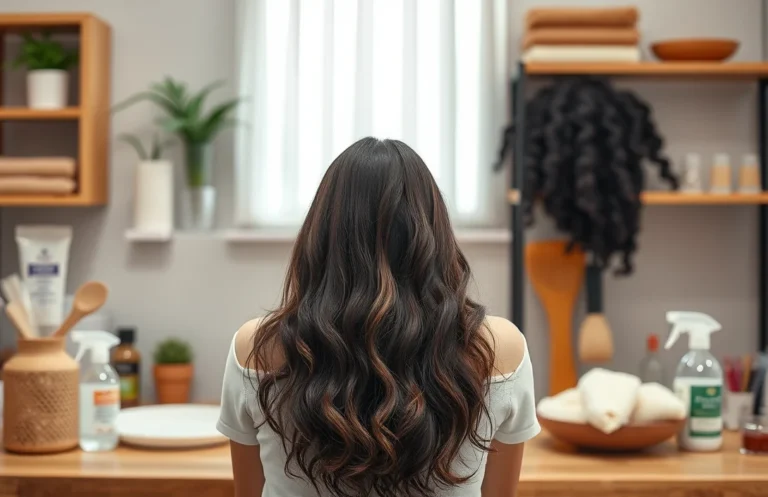

How to Condition Thin Hair for Maximum Volume Boost
Seventy percent of women experience thinning hair by age 65. For those in their 20s and 30s, the quest for volume can feel impossible. Conditioning thin hair properly is essential for achieving that desired lift and fullness without compromising hair health.
Conditioning thin hair effectively involves choosing lightweight conditioners, applying products strategically, and incorporating volumizing techniques. These steps ensure your hair remains healthy while enhancing body and bounce.
Choose Lightweight Conditioners
Selecting lightweight conditioners is essential for thin hair. Heavy products can weigh your strands down, making them appear flat. Look for formulas specifically labeled as “lightweight” or “volumizing.” These are designed to hydrate without the added weight, helping maintain the bounce and body you desire.
Avoid conditioners with heavy oils or butters, as they may leave your hair feeling greasy. Instead, opt for those containing ingredients like aloe vera or green tea extract, which provide moisture without heaviness. Reading product labels will help you identify which items to choose.
Incorporate Volume-Boosting Ingredients
Specific ingredients can transform your hair routine. Look for conditioners that contain proteins like hydrolyzed wheat or silk. These proteins help strengthen hair strands, promoting a fuller appearance. Also, consider botanical extracts such as aloe vera or ginseng, which can stimulate the scalp and improve hair texture.
Natural oils like argan or jojoba can also be beneficial. While they add moisture, they won’t weigh your hair down. Essential oils like peppermint or rosemary can invigorate the scalp. This stimulation can lead to healthier hair growth over time.
Formulas with volumizing agents, like polyquaternium-7, create a lightweight film around each strand. This helps in achieving a bouncy look without compromising health. Avoid heavy silicones that can cause buildup and make hair appear limp.
Products labeled as “volumizing” or “thickening” often contain these key ingredients. Make sure to read labels carefully to ensure you’re choosing the right conditioners. Integrating these components into your routine can significantly enhance your hair’s volume and overall health.
Apply Conditioner Correctly
Start by applying conditioner to wet hair, focusing on the mid-lengths and ends. Avoid the roots to prevent weighing down your hair. Use a quarter-sized amount, adjusting based on hair length and thickness. Gently distribute it using your fingers or a wide-tooth comb to ensure even coverage.
Massage the conditioner into your hair for about 1-2 minutes. This not only helps with absorption but also stimulates the scalp, promoting healthy hair growth. Make sure to avoid harsh rubbing, which can cause breakage, especially in thin hair.
Rinse thoroughly with cool water to seal the hair cuticle. Cool water helps lock in moisture while adding a touch of shine. Ensure all product is out to prevent buildup, which can also weigh hair down and reduce volume.
Consider using a leave-in conditioner for added hydration. Apply a small amount to the ends of your hair after rinsing to provide extra moisture without compromising volume. This step is especially beneficial for those with dry or brittle strands.
Limit Conditioning Frequency
Condition thin hair no more than twice a week. Over-conditioning can lead to limp strands, which detracts from volume. Adjusting frequency helps maintain hair’s natural texture and lift. Pay attention to how your hair responds and consider your styling routine when deciding how often to condition.
- Start by observing your hair’s reaction. If it feels heavy or greasy, reduce conditioning frequency.
- Experiment with different days to find the ideal routine. Consider conditioning every 3-4 days for optimal results.
- Monitor changes in volume. Notice if your hair looks fuller or flat after adjustments.
- Keep track of the products you use. Some heavy formulas may require less frequent application.
- Consult your stylist for personalized recommendations based on your hair type and lifestyle.
Focusing on the right conditioning frequency will enhance your hair’s overall health. A balanced routine prevents product buildup and maintains lift, ensuring your hair stays vibrant and voluminous.
Focus on Scalp Care
Healthy scalp contributes significantly to volume. Prioritizing scalp care can stimulate hair follicles and promote hair growth. Keeping your scalp clean and well-nourished is essential for enhancing volume and overall hair health.
- Exfoliate your scalp regularly. Use a gentle scrub or exfoliating treatment to remove dead skin cells and product buildup. This encourages healthier hair growth and creates a clean canvas for styling.
- Massage your scalp daily. Use your fingertips to gently massage the scalp for 5-10 minutes. This boosts circulation and promotes hair follicle health, vital for enhancing volume.
- Choose a lightweight shampoo. Opt for sulfate-free formulas that won’t strip your scalp of natural oils. Look for volumizing shampoos that contain ingredients like biotin or caffeine, which can invigorate the scalp.
- Apply a nourishing scalp oil. Incorporate natural oils like jojoba or tea tree oil. These oils can hydrate the scalp, reduce dryness, and improve the overall environment for hair growth.
- Keep your scalp hydrated. Drink plenty of water and consider using a humidifier in dry environments. Healthy hydration levels support scalp health and can lead to thicker-looking hair.
Use Leave-In Conditioners Wisely
Choosing the right leave-in conditioner is essential for enhancing volume in thin hair. Opt for lightweight formulas that won’t weigh hair down. These products provide moisture and help detangle without making your hair feel greasy or heavy.
- Apply after towel-drying hair. Gently squeeze excess water from your hair, then spray or apply a small amount of leave-in conditioner. Focus on the mid-lengths and ends, as these areas often need more moisture.
- Use a comb to distribute. After applying the product, use a wide-tooth comb to evenly distribute the conditioner. This technique ensures that every strand gets the benefit of hydration without clumping.
- Limit the amount used. Start with a dime-sized amount and add more if necessary. Too much product can lead to buildup, which can weigh your hair down and diminish volume.
- Style with care. After applying the leave-in, consider using a volumizing mousse or spray for added lift. This combination can enhance the overall body of your hair without compromising its health.
Experimenting with different products will help you find what works best for your hair type. Remember to always read the labels and choose formulations that are free of heavy silicones and oils to maintain your hair’s natural volume.
Consider Hair Masks for Boost
Deep conditioning treatments significantly enhance volume for thin hair. Incorporating hair masks into your routine once or twice a month can provide the nutrients your strands crave. Look for ingredients like keratin, argan oil, or shea butter, which help to nourish and thicken hair without weighing it down.
Choosing the right mask is crucial. Focus on products specifically designed for volume enhancement. Here are some effective options:
- Keratin-infused masks boost strength and elasticity.
- Moisturizing masks with argan oil hydrate without heaviness.
- Protein-rich masks help to build structure and fullness.
Applying a hair mask is simple. Start with clean, damp hair for best results. Apply evenly from mid-lengths to ends, avoiding the scalp. Leave it on for the recommended time, usually 10-30 minutes, then rinse thoroughly. Follow with a lightweight conditioner for extra softness.
Consistent deep conditioning not only promotes volume but also enhances overall hair health. Regularly pampering your strands can lead to noticeable improvements, making your hair appear thicker and more vibrant.
Quick Summary
- Choose a volumizing conditioner specifically designed for thin hair.
- Apply conditioner mainly to the ends to avoid weighing down the roots.
- Incorporate leave-in conditioners or volumizing sprays for added lift.
- Limit the use of heavy oils and creams that can flatten hair.
- Use a wide-toothed comb to distribute conditioner evenly without breakage.
- Consider using a clarifying shampoo once a week to remove product buildup.
- Air dry or use a blow dryer with a diffuser to enhance volume after conditioning.
Frequently Asked Questions
1. What type of conditioner is best for thin hair?
For thin hair, look for lightweight conditioners that are specifically formulated for volume. Avoid heavy, creamy formulas as they can weigh your hair down and make it look flat.
2. How often should I condition my thin hair?
Conditioning your thin hair 2-3 times a week is generally sufficient. Over-conditioning can lead to buildup and make your hair look limp, so adjust based on your hair’s needs.
3. Can I use leave-in conditioner for added volume?
Yes, a lightweight leave-in conditioner can help provide moisture without weighing your hair down. Look for products that mention volumizing properties to enhance your hair’s body and texture.
4. Are there specific techniques to apply conditioner for volume?
Apply conditioner primarily to the ends of your hair, avoiding the roots to prevent greasiness. You can also try using an upward motion when applying to encourage lift at the roots.
5. Should I avoid certain ingredients in my conditioner?
Yes, steer clear of heavy silicones and oils that can weigh down thin hair. Ingredients like hydrolyzed proteins and botanical extracts can help strengthen and add volume without causing buildup.

- Does Summer Really Boost Hair Growth Speed? Insights and Facts - March 31, 2026
- Medium Hairstyles for School: 25 Best Looks That Are Easy - March 31, 2026
- Hairstyles for Medium Hair for School: Easy and Stylish - March 31, 2026