Can Conditioner Truly Repair Damaged Hair? Insights and Tips
Studies show that conditioners can significantly improve the appearance of damaged hair, enhancing both moisture and shine. In fact, 70% of users report visible improvements after consistent use. Understanding how conditioners work can lead to healthier hair over time, making them an essential part of hair care.
Conditioners do not repair hair on a molecular level but smooths and hydrates the outer layer. They reduce frizz and improve manageability, making hair look healthier. Regular application can help maintain a shiny and soft texture.
How Conditioners Work
Conditioners primarily function to improve hair texture and manageability. They contain emollients and humectants that coat the hair strands, providing moisture and reducing friction. This process helps to smooth the cuticle, which is the outer layer of the hair, allowing for easier detangling and a softer feel.
Polymers found in conditioners also play a crucial role by binding to damaged areas on the hair shaft. These compounds fill in gaps and imperfections, temporarily repairing the look of damaged hair. While this repair is not permanent, it significantly enhances the appearance of hair for a healthier look.
Moisture retention is vital for hair health. Conditioners help lock in hydration by creating a barrier that prevents moisture loss. This effect is particularly beneficial for dry or damaged hair, making it appear revitalized and less prone to breakage.
Regular use of conditioners can lead to long-term benefits. By consistently applying these products, users can improve hair resilience over time. While conditioners cannot completely reverse damage, they do contribute to maintaining overall hair health and managing existing issues.
Types of Conditioners Available
Conditioners come in various formulations tailored to specific hair needs. Rinse-out conditioners offer immediate moisture and detangling benefits, making them ideal for daily use. They are designed to be applied after shampooing and rinsed out quickly, providing essential hydration and softness.
Leave-in conditioners provide extended nourishment and are perfect for those with extremely dry or damaged hair. These products remain in the hair, offering long-lasting benefits without the need for rinsing. They often contain lightweight ingredients that improve manageability and shine.
Deep conditioning treatments deliver intensive moisture and repair for severely damaged hair. Typically used weekly, these formulations penetrate the hair shaft, targeting damage and restoring strength. They often contain concentrated ingredients to rejuvenate both the look and feel of hair.
Protein-based conditioners are crucial for rebuilding hair structure. These products help reinforce weakened strands by providing the necessary proteins that hair naturally contains. Ideal for chemically treated or heat-damaged hair, they can help restore elasticity and resilience.
Color-safe conditioners are specifically formulated to protect and maintain color-treated hair. They are free from harsh sulfates and contain ingredients that help retain color vibrancy while providing moisture. Using these types can prolong the life of your hair color while keeping it healthy.
Ingredients That Repair Hair
Keratin proteins effectively restore damaged hair. Found in many conditioners, keratin helps to rebuild the hair’s structure by filling in gaps and smoothing the cuticle. Regular use of keratin-infused conditioners can lead to visibly healthier and stronger hair, making it a popular choice for those seeking repair.
Hydrolyzed silk offers moisture and shine. This ingredient penetrates the hair shaft, making strands smoother and more manageable. By locking in moisture, hydrolyzed silk reduces frizz and enhances overall texture, making it essential for maintaining healthy hair.
Coconut oil nourishes and protects hair. Rich in fatty acids, it penetrates deeply to provide hydration and reduce protein loss. Applying conditioners that include coconut oil can significantly improve hair health and resilience against damage.
Aloe vera acts as a natural moisturizer. Its soothing properties help to repair and hydrate dry, damaged hair. Conditioners with aloe vera not only promote softness but also enhance shine, making hair look vibrant and healthy.
Argan oil is known for its intense repair capabilities. This oil, derived from Moroccan argan trees, contains antioxidants and essential fatty acids that nourish the hair. Conditioners enriched with argan oil can significantly improve the hair’s elasticity and overall strength.
Limitations of Conditioners
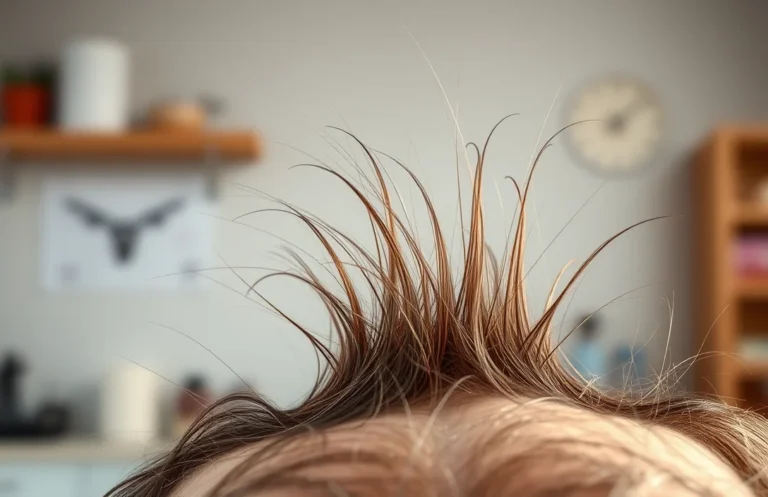
Conditioners cannot completely reverse damage. While they improve texture and manageability, they lack the ability to restore the hair’s internal structure. Most conditioners primarily coat the outer layer, providing temporary relief instead of permanent repair. This limitation means that damaged hair requires more than just conditioning for effective recovery.
Products with penetrating ingredients can enhance performance. Look for those containing proteins or oils that can infiltrate the hair shaft. Although these ingredients can provide some level of repair, they still do not address all types of damage. For instance, heat damage may need more intensive treatment beyond what conditioners offer.
Frequent use of conditioners can lead to buildup. Over time, residue from various products may accumulate on the hair, making it feel heavy and greasy. This buildup can further complicate the appearance of damaged hair, causing it to look dull instead of revitalized, which is often a misconception about their efficacy.
Results vary significantly among individuals. Factors such as hair type, extent of damage, and lifestyle play crucial roles in how well conditioners perform. Tailoring the choice of products to your specific needs is essential for achieving the best possible outcome.
Conditioner Application Techniques
Applying conditioner correctly maximizes its benefits. Focus on your hair type and the condition of your strands to ensure effective results. Follow these steps for optimal application, allowing your conditioner to work its best on damaged hair.
- Start with clean, damp hair. Rinse thoroughly with warm water to open the hair cuticles, which allows better absorption of the conditioner.
- Dispense an adequate amount of conditioner. Use enough product to fully coat your hair without making it overly greasy; typically, a quarter-sized amount works well for medium-length hair.
- Apply from mid-length to ends. Concentrate on the areas most prone to damage, avoiding the scalp to prevent oiliness. This technique ensures that you treat the most affected parts.
- Use a wide-tooth comb. Gently comb through your hair to distribute the conditioner evenly. This also helps to detangle and minimize breakage during the process.
- Leave it on for the recommended time. Check the product instructions for the ideal duration; typically, 3 to 5 minutes allows ample time for conditioning agents to penetrate.
Following these steps enhances the effectiveness of your conditioner, contributing to healthier, more manageable hair. Proper application can significantly aid in addressing damage and improving overall hair texture.
Complementary Hair Care Practices
Incorporating regular trims maintains hair health. Cutting off split ends prevents further damage and promotes healthier growth. Schedule trims every six to eight weeks to keep your hair looking vibrant and minimize breakage. This simple practice can significantly enhance the effects of conditioning treatments and overall hair appearance.
Hydrating your hair with oils adds moisture effectively. Natural oils like argan, coconut, or jojoba can penetrate the hair shaft, providing extra nourishment. Apply a small amount to the ends of your hair after conditioning, ensuring not to weigh it down. This practice can complement conditioner’s benefits by sealing in moisture.
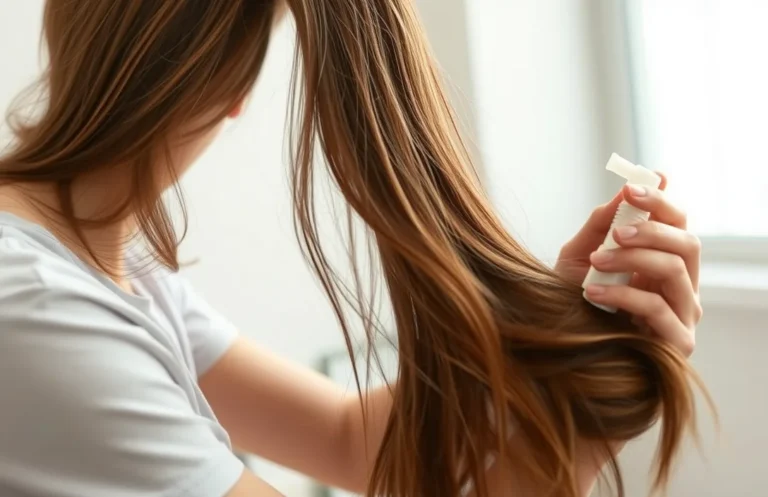
Protecting hair from heat damage is crucial. High temperatures from styling tools can worsen existing damage. Always use a heat protectant spray before using blow dryers, curling irons, or straighteners. Limiting heat exposure helps maintain the integrity of your hair, allowing conditioners to work more effectively.
Following a balanced diet supports hair health. Nutrients like vitamins A, C, D, E, and omega-3 fatty acids play vital roles in hair strength and growth. Incorporate foods such as fish, nuts, fruits, and vegetables into your meals to nourish your hair from within, enhancing the results of topical treatments.
Choosing the Right Conditioner
Selecting the appropriate conditioner significantly influences your hair’s health. Focus on your specific hair type and concerns. Look for conditioners formulated to address issues like dryness, breakage, or color treatment. Ingredients like keratin, oils, and proteins can provide targeted benefits for damaged strands.
- Identify your hair type clearly. Curly, straight, or wavy hair requires different formulations. Knowing this guides your purchase.
- Check ingredient lists carefully. Prioritize products with nourishing components like argan oil, shea butter, or amino acids that promote repair.
- Evaluate your specific needs. If experiencing breakage, opt for strengthening formulas that focus on rebuilding hair structure.
- Consider the conditioner’s texture. Thicker textures often provide deeper moisture, while lighter options may suit fine hair types better.
- Test small samples first. Experimenting with different products helps determine which conditioner effectively improves your hair’s condition.
Assessing these factors ensures you choose a conditioner that genuinely supports repair efforts. Remember, while no product can completely restore hair, the right conditioner can significantly enhance its appearance and manageability.
Quick Summary
- Conditioner can help improve the appearance of damaged hair by providing moisture and smoothing the cuticle.
- Regular use of conditioner can prevent further damage by enhancing hair elasticity and reducing breakage.
- Protein-rich conditioners can strengthen hair that has been weakened by heat styling or chemical treatments.
- Deep conditioning treatments offer intensive hydration and can repair severe damage over time.
- Choosing the right conditioner based on hair type is essential for optimal results.
- Conditioners with nourishing ingredients like oils and vitamins can promote healthier hair.
- While conditioner can mitigate damage, it cannot fully restore hair that is severely compromised; trimming may be necessary.
Frequently Asked Questions
Can conditioner actually repair damaged hair?
Conditioner can help improve the appearance and feel of damaged hair, but it doesn’t repair hair at a structural level. It adds moisture, smooths the cuticle, and reduces frizz, making hair look healthier and more manageable.
What types of conditioners are best for damaged hair?
Look for deep conditioning treatments, leave-in conditioners, or those specifically formulated for damaged hair. Ingredients like proteins, oils, and moisturizing agents can help strengthen and hydrate your hair.
How often should I use conditioner on damaged hair?
If your hair is damaged, it’s beneficial to use conditioner every time you wash your hair. Additionally, incorporating a deep conditioning treatment once a week can provide extra nourishment and repair.
Can using too much conditioner harm my hair?
Using too much conditioner can lead to build-up, making hair feel greasy or weighed down. It’s important to find the right amount that works for your hair type and to occasionally clarify your hair to remove any residue.
Is leave-in conditioner better for damaged hair?
Leave-in conditioner can be very beneficial for damaged hair as it provides ongoing hydration and protection throughout the day. It helps to detangle, reduce frizz, and adds an extra layer of moisture, which is essential for maintaining healthy hair.

- Does Summer Really Boost Hair Growth Speed? Insights and Facts - March 31, 2026
- Medium Hairstyles for School: 25 Best Looks That Are Easy - March 31, 2026
- Hairstyles for Medium Hair for School: Easy and Stylish - March 31, 2026