How to Use Aloe Vera for Deep Conditioning Your Hair Effectively
Studies reveal that aloe vera can improve hair health by directly penetrating the hair shaft, providing moisture and nourishment. Its natural composition helps reduce breakage and enhances shine, making it a powerful ally in conditioning your hair effectively.
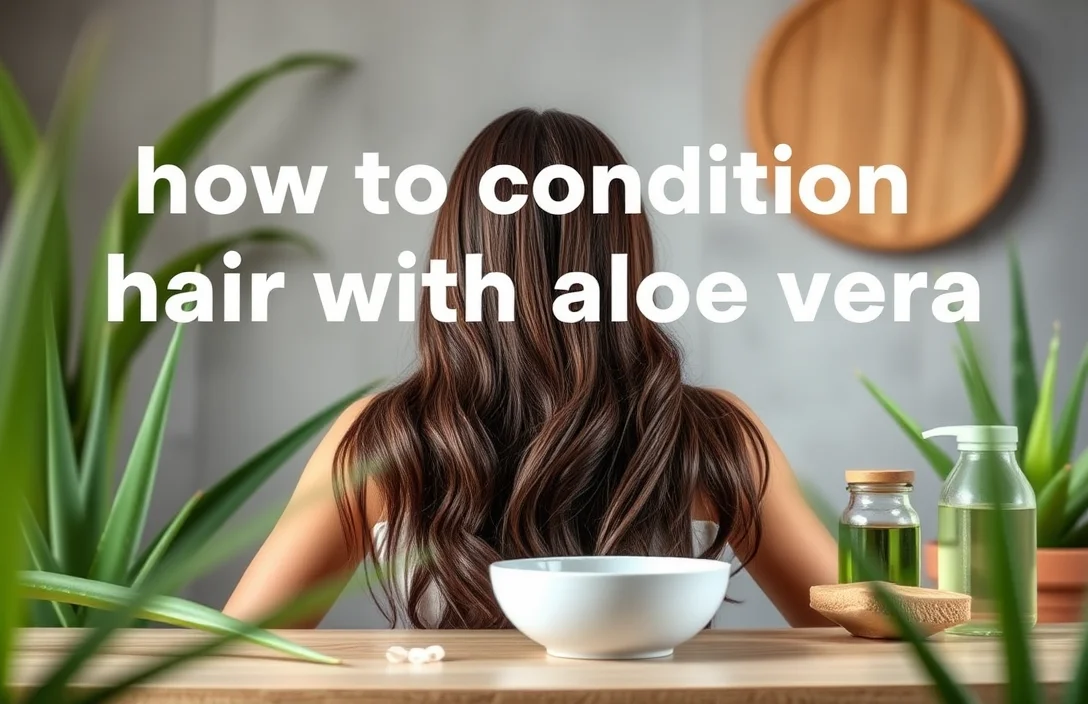
Conditioning hair with aloe vera involves applying fresh aloe gel directly to your strands, massaging the scalp for better absorption, and leaving it on for 30 minutes before rinsing. This routine promotes hydration and strength while minimizing damage.
Choosing Quality Aloe Vera
Select quality aloe vera products. Look for 100% pure aloe vera gel or juice, free from additives and fillers. The ingredient list should primarily feature aloe vera as the main component. Products labeled as organic are often better, ensuring minimal chemical exposure.
- Check for certifications. Look for USDA organic or similar certifications that guarantee the product meets high-quality standards.
- Examine packaging. Dark glass bottles or opaque containers protect aloe vera from light, preserving its beneficial properties longer.
- Read reviews. Customer feedback can provide insight into the product’s effectiveness and whether it truly delivers on its promises.
- Consider sourcing. Products sourced from regions known for high-quality aloe vera, such as Mexico, tend to be more effective.
- Test a small amount. Conduct a patch test on your skin to ensure no adverse reactions occur before using it extensively on your hair.
Prioritize fresh options. Freshly harvested aloe vera leaves typically contain more nutrients compared to processed products. If possible, consider using whole leaves from a plant for maximum benefits.
Preparing Aloe Vera Gel
Extracting fresh aloe vera gel requires a few straightforward steps. Start with a healthy aloe vera leaf, as its quality directly affects the gel’s effectiveness. Follow these simple procedures to prepare the gel for conditioning your hair.
- Choose a mature aloe vera leaf. Select a leaf that is thick and fleshy, which indicates high gel content.
- Wash the leaf thoroughly. Remove any dirt or debris by rinsing it under running water.
- Cut the leaf using a sharp knife. Aim for a section about 6 to 8 inches long, ensuring you cut close to the base.
- Slice the leaf lengthwise. Open the leaf to expose the inner gel, taking care not to puncture the leaf’s outer skin.
- Scrape out the gel with a spoon. Collect the clear, viscous gel into a clean bowl, avoiding any yellowish latex that may be present.
Store the freshly extracted gel in an airtight container. Refrigerating it can extend its shelf life for up to one week, maintaining its beneficial properties for hair conditioning.
Creating an Aloe Vera Hair Mask
Combine aloe vera gel with nourishing ingredients to create an effective hair mask. Essential components include natural oils, yogurt, or honey. These elements enhance the conditioning properties of aloe vera while adding moisture and shine to your hair.
Mix equal parts of aloe vera gel and coconut oil for deep hydration. Coconut oil penetrates the hair shaft, promoting healthy growth and minimizing breakage. Blend the two ingredients thoroughly until they form a smooth consistency.
Add a tablespoon of honey to your mixture for its antibacterial properties. Honey helps to lock in moisture, making hair softer and shinier. Stir well to ensure it is evenly distributed throughout the mask.
Incorporate yogurt for additional protein benefits. Yogurt aids in strengthening hair and reducing frizz. Use plain, unsweetened yogurt to maintain the purity of your mask’s beneficial properties.
Store any leftover mixture in an airtight container in the refrigerator for up to a week. This allows you to reuse the mask easily, making conditioning your hair with aloe vera convenient and efficient.
Application Techniques for Aloe Vera
Applying aloe vera effectively involves targeting specific areas. Begin by parting the hair into sections. This makes it easier to distribute the product evenly, ensuring that every strand receives adequate conditioning. Use a comb or fingers to work the gel from the roots to the tips, focusing on dry or damaged areas.
Sectioning hair allows for better absorption. Divide hair into four or more sections, depending on thickness. Secure each section with clips or hair ties. This method prevents product buildup in one area and promotes even coverage, maximizing the benefits of aloe vera.
Massaging the scalp enhances absorption. While applying, use gentle circular motions to stimulate blood flow. This not only helps the aloe penetrate deeper but also encourages healthy hair growth. A well-massaged scalp can absorb nutrients more effectively, leading to stronger, healthier hair.
Covering the hair post-application improves conditioning. After applying the gel, consider wrapping the hair in a warm towel or using a shower cap. The added warmth helps open pores, allowing the aloe to penetrate the hair shaft more efficiently. This technique amplifies hydration, making it a vital step for effective deep conditioning.
Timing for Deep Conditioning
Timing significantly impacts the effectiveness of deep conditioning with aloe vera. Leaving it on for the right duration ensures that your hair absorbs the nutrients fully, enhancing moisture and strength. Aim for specific timeframes to maximize benefits while preventing potential buildup.
- Ten to fifteen minutes works well for a quick hydration boost. This duration allows the aloe vera to penetrate the hair shaft without overwhelming your strands.
- Thirty minutes to one hour is ideal for deeper conditioning. Use this time for more intensive treatments, especially if your hair is particularly dry or damaged.
- Overnight conditioning can be beneficial for extremely dry or coarse hair. Ensure to cover your hair with a shower cap to prevent mess and maximize absorption.
Monitoring your hair’s response is crucial. Adjust the timing based on how your hair feels after each treatment. If you notice excessive greasiness or residue, reduce the duration. Ultimately, finding the right balance will lead to optimal results.
Rinsing and Follow-Up Care
Rinsing out aloe vera effectively ensures your hair benefits from deep conditioning without residue. Begin by wetting your hair using lukewarm water, which helps in loosening the product and preparing it for a thorough wash. Aim for a gentle but steady stream to avoid tangling.
- Apply a gentle shampoo to remove the aloe vera. Focus on the scalp, massaging in circular motions to ensure the product is fully lifted from the roots.
- Rinse thoroughly with lukewarm water until all shampoo is removed. Make sure no product remains, as residue can lead to greasiness or buildup over time.
- Follow up with a nourishing conditioner. This step replenishes moisture and enhances softness after the aloe vera treatment.
- Consider using cool water for the final rinse. This helps to seal the hair cuticles, promoting shine and reducing frizz.
- Dry gently with a microfiber towel. Avoid vigorous rubbing, as this can cause breakage and frizz.
Incorporating these rinsing techniques and follow-up care tips will enhance the benefits of your conditioning treatment. Consistent care leads to healthier, more manageable hair over time.
Frequency of Use for Best Results
Conditioning hair with aloe vera yields optimal results when used regularly. Aim for applying it at least once a week to maintain hydration and nourishment. For those with dry or damaged hair, consider increasing the frequency to twice a week to enhance the conditioning effects.
- Start with weekly applications for normal hair types. This allows your hair to absorb the benefits without overwhelming it.
- Increase to bi-weekly treatments for dry or damaged hair. This frequency helps restore moisture and repair damage effectively.
- Monitor your hair’s response. Adjust the frequency based on how your hair feels and looks after each treatment.
- Incorporate aloe vera into your routine alongside other hair care products. This ensures comprehensive care without neglecting other beneficial treatments.
- Stay consistent with your regimen. Regular use will lead to noticeable improvements in hair texture and health over time.
Maintaining this frequency will help you achieve the best results while conditioning your hair. Tailor your approach based on individual hair needs for optimal hydration and shine.
Quick Summary
- Aloe vera hydrates and nourishes hair, promoting healthy growth.
- It contains enzymes that help repair dead skin cells on the scalp.
- Aloe vera has anti-inflammatory properties that can soothe an irritated scalp.
- Using aloe vera can help reduce dandruff and flakiness.
- It acts as a natural conditioner, leaving hair smooth and shiny.
- Aloe vera can be mixed with other ingredients like coconut oil or honey for enhanced benefits.
- Regular application can improve overall hair health and reduce breakage.
Frequently Asked Questions
What are the benefits of using aloe vera for hair conditioning?
Aloe vera is rich in vitamins, minerals, and amino acids that nourish the hair and scalp. It helps to hydrate and soften hair, reduce dandruff, and promote healthy hair growth.
How do I apply aloe vera to my hair?
You can apply aloe vera gel directly to your hair and scalp. Simply take fresh aloe vera gel, massage it into your scalp, and work it through the lengths of your hair. Leave it on for about 30 minutes before rinsing it out with a mild shampoo.
How often should I use aloe vera as a hair conditioner?
For best results, use aloe vera as a conditioner once or twice a week. This frequency allows your hair to absorb the beneficial nutrients without overloading it.
Can I mix aloe vera with other ingredients for better results?
Yes, you can mix aloe vera with other natural ingredients like coconut oil, honey, or essential oils for added benefits. These combinations can enhance moisture, shine, and overall hair health.
Is aloe vera suitable for all hair types?
Aloe vera is generally suitable for all hair types, including dry, oily, and curly hair. However, it’s always a good idea to do a patch test first to ensure there are no allergic reactions.

- Does Summer Really Boost Hair Growth Speed? Insights and Facts - March 31, 2026
- Medium Hairstyles for School: 25 Best Looks That Are Easy - March 31, 2026
- Hairstyles for Medium Hair for School: Easy and Stylish - March 31, 2026