Protein Conditioning Treatment: Understanding Its Benefits for Hair…
Seventy percent of hair’s structure is made up of protein, making protein conditioning treatments essential for maintaining healthy hair. These treatments are designed to replenish and strengthen hair, especially after damage from heat styling, chemical processes, or environmental factors.
Protein conditioning treatments provide strength, repair, and moisture to hair. They work by infusing proteins into the hair shaft, improving elasticity and reducing breakage. Regular use can enhance overall hair health and appearance, making it a vital part of hair care routines.
What is Protein Conditioning?
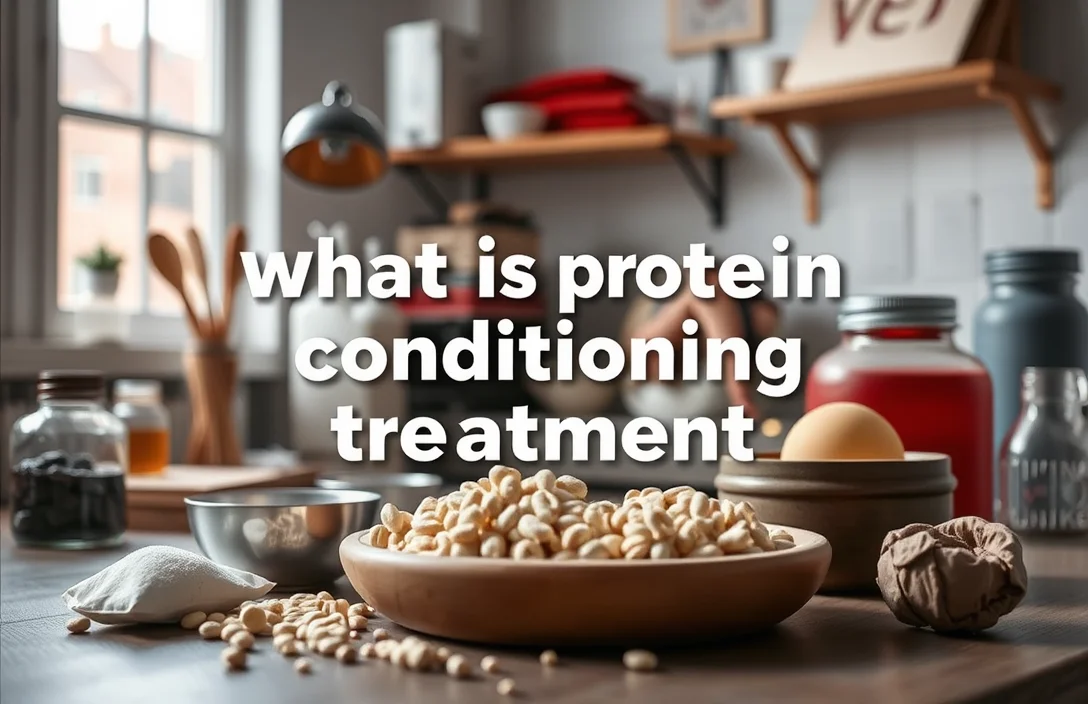
Protein conditioning treatment enhances hair health by replenishing essential proteins. These proteins strengthen hair strands, repair damage, and improve overall texture. This treatment is particularly beneficial for individuals with chemically treated or heat-damaged hair, as it restores moisture and elasticity. Applying protein conditioners regularly can lead to reduced breakage and healthier-looking hair.
Hair consists primarily of a protein called keratin. Over time, factors such as environmental stressors and heat styling diminish its integrity. Using a protein conditioning treatment helps counteract these effects by infusing the hair with necessary proteins. Ultimately, this process aids in maintaining hair strength and resilience.
Regularly incorporating protein treatments into your hair care routine can yield significant benefits. These treatments can vary in formulation, but they typically include hydrolyzed proteins that penetrate the hair shaft. By understanding how these products work, individuals can achieve optimal results and maintain vibrant, healthy hair.
How Protein Treatments Work
Protein treatments focus on strengthening hair by replenishing lost proteins. Hair primarily consists of a protein called keratin, which provides structure and resilience. Over time, factors like heat styling, chemical treatments, and environmental stressors can deplete these proteins, leading to weak and damaged strands.
Interacting directly with the hair shaft, treatments penetrate the cuticle layer. This deep penetration allows proteins to bond with the natural keratin in hair, reinforcing its structure. Ingredients commonly found in these treatments, such as hydrolyzed silk or wheat protein, enhance moisture retention and improve elasticity, resulting in smoother and more manageable hair.
Targeting specific damage areas, protein treatments can restore balance to the hair. Regular application can help prevent breakage and split ends by fortifying each strand. These treatments also create a protective barrier, ensuring hair remains resilient against further damage, while promoting overall health and shine.
Benefits for Damaged Hair
Protein conditioning treatments effectively reinforce damaged hair. They restore strength and resilience by replenishing essential proteins that hair often loses due to environmental stressors, chemical treatments, or heat styling. Incorporating these treatments into your hair care routine can significantly improve its overall health.
- Repair broken bonds within strands. Protein treatments mend the structural integrity of hair, restoring its original strength and reducing breakage.
- Enhance moisture retention in hair. Protein helps create a protective barrier that locks in moisture, preventing dryness and brittleness.
- Reduce frizz and improve manageability. By smoothing the hair cuticle, these treatments minimize frizz, making hair easier to style and maintain.
- Boost shine and overall appearance. Healthier hair reflects light better, resulting in a shinier and more vibrant look.
- Strengthen hair against future damage. Regular use of protein conditioning treatments fortifies hair, making it more resilient to heat and environmental factors.
Types of Protein Used
Keratin serves as the most popular protein in conditioning treatments. Found naturally in hair, nails, and skin, it strengthens and protects hair strands. Keratin treatments help to smooth frizz and enhance shine, making them ideal for those with damaged or unruly hair textures.
Silk proteins, derived from silk fibers, provide excellent moisture retention. These proteins penetrate the hair shaft, promoting softness and elasticity. They also create a protective barrier against environmental stressors, ensuring that hair maintains its health and vibrancy.
Wheat protein is another key ingredient, known for its ability to add volume and thickness. This protein binds to hair and forms a protective film, which helps to prevent breakage. It is particularly beneficial for fine or thinning hair types, giving them a fuller appearance.
Collagen, typically associated with skin health, also benefits hair by improving its strength and resilience. This protein helps to restore moisture and reduce brittleness, making it an excellent addition to conditioning treatments aimed at revitalizing dry or damaged hair.
Application Techniques
Applying protein conditioning treatments effectively starts with clean, damp hair. Begin by washing your hair with a sulfate-free shampoo to remove dirt and product buildup. This ensures that the treatment can penetrate the hair shaft properly. Gently towel-dry your hair to remove excess water, leaving it moist but not dripping wet.
Section off your hair into manageable parts for even application. Use clips to separate the hair into four or more sections, depending on thickness. This method allows for thorough coverage and ensures that every strand benefits from the treatment. Start applying the protein treatment from the roots to the ends, focusing on areas that are particularly damaged or dry.
Massage the treatment into your hair using your fingertips. Distributing the product evenly is crucial for maximum effectiveness. Ensure the product is fully absorbed by working it through with a wide-tooth comb. This technique helps to detangle while also ensuring that the treatment reaches all areas of your hair.
Cover your hair with a plastic cap or wrap. Doing this creates a warm environment that helps the treatment penetrate deeper into the hair. Allow the treatment to sit for the recommended time, usually between 10 to 30 minutes, depending on the product instructions. Rinse thoroughly with cool water to seal the cuticles and lock in moisture.
Frequency of Treatment
Recommended frequency for protein conditioning treatments varies based on hair type and condition. Generally, using these treatments every 4 to 6 weeks provides optimal benefits without overloading the hair with protein. Adjustments may be necessary for specific needs, such as more frequent applications for damaged hair or less for healthy strands.
- Assess your hair’s health regularly. Identify whether your hair feels brittle or lacks elasticity. If so, consider increasing the frequency to every 3 weeks.
- Monitor changes after each treatment. Notice how your hair responds. If you observe improved strength and shine, maintain the current schedule.
- Consider seasonal changes affecting hair health. Increased humidity can lead to frizz, making more frequent treatments beneficial in summer.
- Consult with a professional stylist for personalized recommendations. They can provide insights based on your specific hair type and history.
- Limit overuse to prevent protein overload. Signs include excessive stiffness or breakage, indicating a need for moisture instead of protein.
Potential Side Effects
Protein conditioning treatments can lead to several potential side effects, particularly for those with specific hair types or conditions. Overuse of protein products can cause hair to become stiff, dry, or brittle. This happens because too much protein can disrupt the natural moisture balance within the hair, leading to damage instead of repair.
Individuals with fine or overly processed hair should be cautious. Excessive protein can weigh hair down, making it limp and lifeless. Consulting with a hair care professional before starting treatments is advisable, especially if your hair is already prone to damage.
Signs of protein overload include breakage, increased hair loss, and a rough texture. If you notice these symptoms after using a protein treatment, consider reducing frequency or switching to a more moisturizing product. Recovery may require deep conditioning treatments to restore moisture and elasticity.
Pregnant or breastfeeding individuals should also consult with healthcare providers before using protein treatments. Some ingredients might not be suitable during these stages. Overall, knowing your hair type and needs is vital to ensure the best results while minimizing adverse effects.
Quick Summary
- Protein conditioning treatment is a hair care process designed to strengthen and repair damaged hair.
- It involves the application of protein-rich products that penetrate the hair shaft.
- This treatment helps to rebuild the hair’s natural protein structure, improving elasticity and reducing breakage.
- Protein treatments are particularly beneficial for chemically treated, heat-damaged, or over-processed hair.
- Results can include smoother, shinier hair with enhanced manageability.
- Frequency of treatment varies based on hair type and damage level; overuse can lead to dryness.
- It’s important to follow up with moisturizing treatments to maintain hair health.
Frequently Asked Questions
What is a protein conditioning treatment?
A protein conditioning treatment is a hair care process designed to strengthen and repair damaged hair by infusing it with protein. This treatment helps to restore the hair’s natural structure, improve elasticity, and reduce breakage.
Who should use a protein conditioning treatment?
This treatment is ideal for individuals with weak, brittle, or chemically treated hair. If your hair is prone to damage from heat styling, coloring, or environmental factors, a protein treatment can help enhance its health and resilience.
How often should I use a protein conditioning treatment?
The frequency of use can vary based on your hair type and condition, but generally, it’s recommended to use a protein treatment every 4 to 6 weeks. Overuse can lead to protein overload, making hair stiff and brittle, so it’s important to find a balance.
What are the benefits of a protein conditioning treatment?
Benefits include improved hair strength, reduced breakage, enhanced moisture retention, and smoother texture. Additionally, protein treatments can help repair damage from heat and chemical processes, leading to healthier-looking hair.
Can I do a protein conditioning treatment at home?
Yes, there are many DIY protein treatment recipes and commercial products available for at-home use. However, it’s essential to follow the instructions carefully and choose a treatment suitable for your hair type to avoid potential damage.

- Medium Hairstyles for School: 25 Best Looks That Are Easy - March 31, 2026
- Hairstyles for Medium Hair for School: Easy and Stylish - March 31, 2026
- Hairstyles for Medium Length Hair for School: 28 Styles That Are Easy - March 31, 2026