How Brushing Your Hair Can Enhance Scalp Circulation
Studies suggest that brushing your hair can improve blood circulation in the scalp, potentially leading to healthier hair growth. Regular brushing stimulates the sebaceous glands, which produce natural oils essential for maintaining hair vitality. This simple action may have more benefits than you realize.
Brushing promotes blood flow to the scalp, enhances oil distribution, and can even help reduce stress. While not a replacement for other health practices, incorporating hair brushing into your routine could contribute positively to your overall well-being.
Brushing Techniques for Circulation
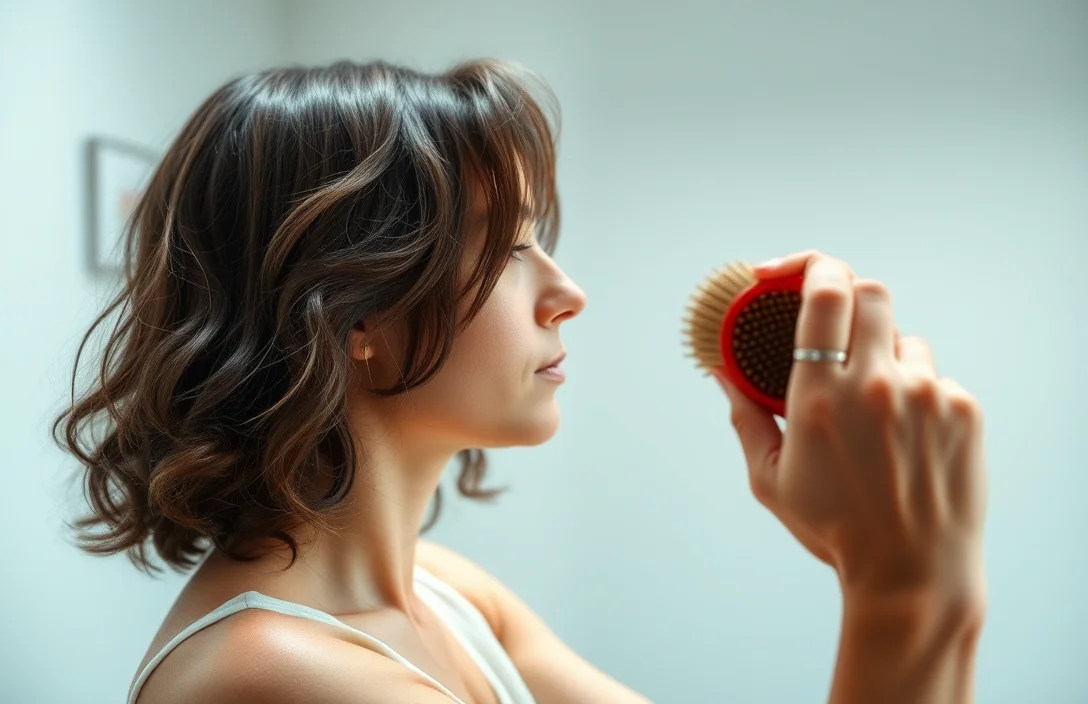
Brushing your hair correctly enhances blood flow to the scalp. Effective techniques stimulate the follicles, promoting circulation and overall scalp health. Begin by using gentle strokes that move from the scalp down to the ends of your hair. This method distributes natural oils, nourishing hair while invigorating the scalp.
Employing a consistent routine is crucial for maximizing benefits. Aim to brush your hair daily for about five to ten minutes. Gradually increase the intensity and duration as your scalp becomes accustomed to the stimulation. Focus on areas where tension accumulates, often at the crown or nape of the neck, to promote increased blood flow in those regions.
Varying your brushing technique can also make a significant difference. Different strokes and patterns can target specific areas, enhancing overall circulation. For instance, use circular motions at the scalp to stimulate blood vessels directly. Long, sweeping strokes can help distribute oils and relax the scalp, further encouraging blood flow.
Utilizing a quality brush tailored to your hair type is essential. Natural bristle brushes are often recommended for their ability to distribute oils effectively while being gentle on the scalp. Choosing the right brush enhances the effectiveness of your brushing technique, providing a more enjoyable experience while promoting circulation.
Choosing the Right Brush
Brush types significantly influence scalp circulation. Natural bristle brushes, for instance, distribute oils from the scalp to the hair, promoting healthy locks while stimulating blood flow. These brushes are gentle, making them suitable for daily use without causing irritation.
Plastic brushes with rounded tips can also enhance circulation. They glide easily through the hair, preventing breakage while stimulating the scalp. Look for brushes with flexible bristles that can massage the scalp effectively during grooming.
Boar bristle brushes are particularly effective for thicker hair types. Their unique structure helps to distribute natural oils effectively while massaging the scalp, promoting circulation and improving hair texture. Regular use can lead to healthier, shinier hair.
Wide-tooth combs serve a different purpose. While not traditionally viewed as a brush, they can help detangle hair without pulling, reducing stress on the scalp. Using them can also stimulate blood flow by gently massaging the scalp with each stroke.
Investing in the right brush enhances the effectiveness of hair brushing. Selecting tools tailored to your hair type and scalp needs will maximize the benefits, ensuring that circulation improves and scalp health flourishes over time.
Frequency of Hair Brushing
Brushing hair regularly enhances scalp circulation. Aim for brushing your hair at least once daily. This practice stimulates blood flow, promoting healthier hair growth and scalp health. Consider the time of day that best fits your routine, as consistency is key to achieving optimal results.
- Morning brushing helps invigorate your scalp. Use a gentle brush to detangle and boost circulation right after waking up.
- Evening brushing relaxes the scalp. Spend a few minutes each night brushing to distribute natural oils and prepare your hair for sleep.
- Weekly deep brushing sessions can be beneficial. Set aside time once a week to focus on your scalp, using a brush designed for increased stimulation.
- Adjust frequency based on hair type. Fine hair may require less brushing, while thicker hair can benefit from more frequent sessions.
- Monitor how your scalp responds. If irritation occurs, reduce frequency and choose gentler techniques to avoid damage.
Incorporating these brushing practices can significantly enhance circulation, contributing to overall scalp health. With consistent effort, you’ll notice improvements over time.
Scalp Massage Benefits
Brushing stimulates blood flow effectively. By incorporating consistent hair brushing into your routine, you can mimic the effects of a scalp massage. This action promotes circulation, making hair follicles more receptive to nutrients and oxygen. Enhanced blood flow can result in a healthier scalp environment, which is essential for maintaining vibrant hair.
Regular brushing delivers several key advantages:
- Increased oxygen supply to follicles.
- Enhanced nutrient delivery to hair roots.
- Improved waste removal from the scalp.
- Stimulated production of natural oils.
Engaging in this practice can often lead to a noticeable difference in scalp health. By brushing your hair correctly, you can effortlessly combine the benefits of both brushing and massage techniques. Each stroke serves to invigorate the scalp, making it feel refreshed and revitalized.
Consistent practice of brushing not only helps with circulation but also promotes relaxation. The gentle movement across the scalp can reduce tension, providing a soothing effect that enhances overall well-being. Integrating this into your daily routine can transform your hair care regimen into a beneficial self-care ritual.
Brushing and Hair Growth
Enhanced circulation stimulates hair follicles, promoting growth effectively. Brushing your hair increases blood flow to the scalp, delivering essential nutrients and oxygen. This process can result in thicker, healthier hair over time. Incorporate regular brushing into your routine to maximize these benefits.
- Choose a natural bristle brush. Natural bristles distribute oils evenly while stimulating the scalp effectively.
- Brush hair at least once daily. Consistency is key for improving circulation and encouraging growth.
- Start at the scalp and work downwards. This technique helps distribute natural oils, nourishing every strand.
- Use gentle strokes to avoid breakage. Aggressive brushing can damage hair and counteract growth benefits.
- Incorporate brushing into your routine. Pairing this practice with other hair care methods enhances overall effectiveness.
Incorporating these steps into your daily routine can significantly improve scalp circulation, leading to better hair growth. Regular brushing, paired with the right tools, ensures that you maximize the benefits for your hair health.
Combining Brushing with Oils
Incorporating oils during your brushing routine enhances circulation significantly. Oils not only nourish the scalp but also create a smooth surface that facilitates easier brushing. Using oils can improve blood flow, which is crucial for maintaining healthy hair growth.
Various oils offer specific benefits. Choose from the following options:
- Argan oil: Rich in antioxidants, it moisturizes and protects hair.
- Coconut oil: Penetrates the hair shaft, reducing protein loss and promoting strength.
- Jojoba oil: Mimics natural scalp oils, balancing moisture levels.
- Rosemary oil: Known for stimulating hair follicles, enhancing blood circulation.
Applying a few drops of your chosen oil before brushing can amplify results. Massage the oil into your scalp gently while brushing to combine the benefits of both techniques. This method encourages better circulation and can lead to healthier hair over time.
Potential Risks of Over-Brushing
Excessive brushing can lead to significant damage to both hair and scalp. Over-brushing can strip the hair of its natural oils, resulting in dryness and brittleness. This can also cause the scalp to become irritated or inflamed, leading to discomfort and potential hair loss. Moderation is essential to ensure that brushing remains beneficial.
Brushing aggressively can lead to breakage. Hair strands are delicate, and constant tugging can weaken them, especially if the hair is wet. Consider using a gentle touch and a wide-toothed comb for detangling wet hair to minimize the risk of damage while promoting circulation.
Repeatedly brushing the same area can irritate the scalp. Constant friction can lead to redness and soreness, which may deter individuals from maintaining a healthy brushing routine. Keeping brushing sessions brief and varied in direction can help alleviate this issue and maintain scalp health.
Some styles may require more brushing than others, but balance is crucial. Long hair often requires more care, yet too much brushing can result in split ends and frizz. Adapt your brushing technique based on hair type and condition to maintain both health and circulation benefits.
Brushing should complement a holistic hair care routine. Integrating proper conditioning and scalp treatments can enhance the benefits of brushing while mitigating potential risks. Focus on maintaining healthy hair and scalp for optimal results in circulation and overall health.
Quick Summary
- Hair brushing can stimulate blood circulation in the scalp.
- Improved circulation may promote healthier hair growth.
- Brushing helps distribute natural oils, enhancing hair health.
- Gentle brushing can reduce stress and promote relaxation.
- It’s important to use the right brush to avoid damage to hair.
- Regular brushing can help remove dirt and product buildup.
- Consulting a professional is recommended for specific hair concerns.
Frequently Asked Questions
1. Does brushing my hair improve scalp circulation?
Yes, brushing your hair can help stimulate blood flow to the scalp. This increased circulation can promote healthier hair growth and may improve the overall health of your scalp.
2. How often should I brush my hair for optimal circulation?
Brushing your hair gently for a few minutes each day is generally sufficient to enhance circulation. However, be sure to avoid over-brushing, which can lead to damage and breakage.
3. What type of brush is best for stimulating circulation?
A boar bristle brush or a wide-toothed comb is often recommended for stimulating scalp circulation. These types of brushes can help distribute natural oils and gently massage the scalp.
4. Are there specific brushing techniques to improve circulation?
Using gentle, circular motions at the scalp while brushing can enhance circulation effectively. Start at the roots and work your way to the ends, ensuring you don’t tug or pull too hard.
5. Can brushing my hair too much be harmful?
Yes, excessive brushing can lead to hair breakage and damage. It’s important to brush with care and not to overdo it, especially if your hair is prone to tangling or damage.

- Does Summer Really Boost Hair Growth Speed? Insights and Facts - March 31, 2026
- Medium Hairstyles for School: 25 Best Looks That Are Easy - March 31, 2026
- Hairstyles for Medium Hair for School: Easy and Stylish - March 31, 2026