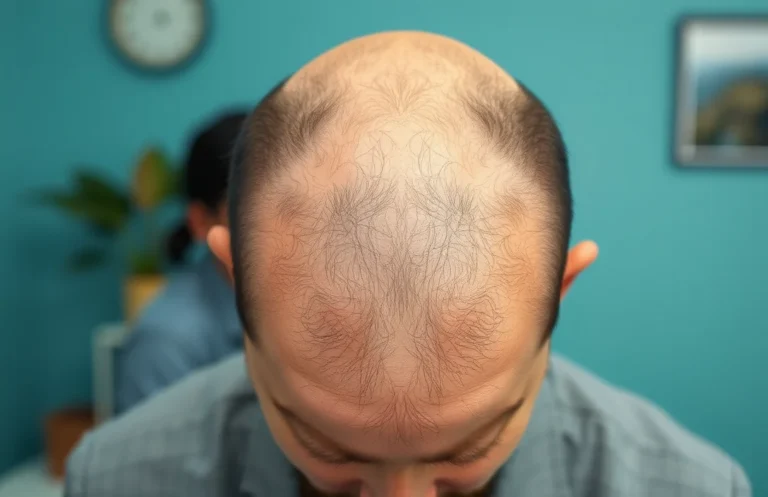
Natural Hair Regrowth at Home: Effective Methods to Promote Growth
According to studies, approximately 80% of individuals experience some form of hair thinning by age 40. Natural hair regrowth at home is not only possible but can also yield effective results when approached with consistency and the right methods.
Research indicates that natural oils, herbal remedies, and nutrient-rich diets can significantly support hair regrowth. By adopting safe and effective home treatments, you may witness visible improvements in hair thickness and overall health.
Understanding Hair Growth Cycles
Hair growth occurs in distinct phases: anagen, catagen, and telogen. Anagen is the active growth phase, lasting several years, where follicles produce new hair. Catagen follows, marking a transitional period lasting a few weeks, during which hair stops growing and detaches from the follicle. Finally, telogen is the resting phase, lasting a few months, where hair falls out to make way for new growth.
During the anagen phase, hair can grow approximately half an inch per month. Genetics, health, and nutrition significantly influence the duration of this phase. Ensuring your body receives essential vitamins and minerals can strengthen follicles and promote a longer growth phase.
Recognizing these cycles helps in understanding hair thinning or loss. If you notice a significant increase in shedding, it may indicate a disruption in the balance of these phases. Maintaining a healthy lifestyle and using natural remedies could support the hair growth process effectively.
Patience is crucial when implementing natural methods for regrowth. Visible results may take time as hair grows at a gradual rate. Consistency in following a routine will aid in nurturing your scalp and follicles, setting the foundation for new, healthy hair.
Herbal Remedies for Growth
Herbs have been used for centuries to promote hair regrowth naturally. Specific plants contain active compounds that support hair health by improving circulation, providing nutrients, and reducing inflammation. Incorporating these herbs into your routine can lead to noticeable improvements in hair thickness and growth.
Rosemary is a standout herb for stimulating hair follicles. Studies suggest that it increases blood circulation to the scalp, encouraging hair growth. You can create a simple rosemary rinse by steeping fresh or dried rosemary in boiling water. After it cools, use it as a final rinse after shampooing to reap its benefits.
Nettle is another powerful herb known for its high nutrient content. Rich in vitamins A, C, and K, as well as minerals like iron and silica, nettle can strengthen hair and promote growth. Prepare a nettle tea or infusion to drink, or apply it topically as a rinse to nourish your scalp.
Aloe vera offers soothing properties that can benefit hair and scalp health. Its gel contains enzymes that promote hair growth while moisturizing the scalp. Apply fresh aloe vera gel directly to your scalp and let it sit for at least 30 minutes before rinsing out. Consistent use can help maintain a healthy environment for hair to flourish.
Horsetail is loaded with silica, which is vital for hair strength and elasticity. This herb can be taken as a supplement or brewed as a tea. Regular consumption may improve hair texture and support overall growth, making it a valuable addition to your hair care regimen.
Essential Oils to Stimulate Follicles
Essential oils act as powerful tools for hair regrowth. Popular options include rosemary, lavender, and peppermint oils, known for their ability to stimulate hair follicles. These oils improve circulation to the scalp, promoting hair growth and thickness. Regular use can lead to noticeable improvements in hair density over time.
Rosemary oil stands out for its effectiveness. Research indicates that it can increase hair count and thickness, rivaling some conventional treatments. Mix a few drops with a carrier oil, such as coconut or jojoba, and massage it into your scalp. Doing this two to three times a week can yield significant results.
Lavender oil not only smells great but is also beneficial for hair health. Its calming properties reduce stress, which can contribute to hair loss. Combine lavender oil with a carrier oil and apply it to your scalp regularly for the best results.
Peppermint oil is another excellent choice, known for its refreshing scent and invigorating properties. Studies show it promotes hair growth by increasing blood flow to the scalp. Mix peppermint oil with a carrier oil and massage it into your scalp to enhance the effects.
Consistency is key with essential oils. Incorporate them into your hair care routine, and you may see noticeable improvements in thickness and regrowth over time. Remember to patch-test any new oil to ensure there are no adverse reactions.
Nutritional Support for Hair Health
Nourishing your hair from within is crucial for promoting regrowth. Focus on incorporating foods rich in vitamins and minerals that specifically support hair health. Key nutrients include biotin, zinc, iron, and vitamins A, C, D, and E. These nutrients can be found in various foods, making them easy to include in your daily diet.
Eggs serve as an excellent source of protein and biotin, essential for hair structure and growth. Fish, particularly salmon, provides omega-3 fatty acids, which help reduce inflammation and promote a healthy scalp. Leafy greens like spinach and kale contain iron and vitamins A and C, crucial for maintaining hair follicles.
Nuts and seeds are packed with beneficial nutrients. Almonds, walnuts, and flaxseeds offer omega-3 fatty acids, zinc, and vitamin E, all vital for hair vitality. Whole grains, such as quinoa and brown rice, provide B vitamins and iron, further supporting overall hair health.
Incorporating supplements can also be beneficial. Biotin and collagen supplements have gained popularity for their potential hair health benefits. Always consult with a healthcare provider before starting any new supplementation to ensure safety and effectiveness.
Scalp Massage Techniques
Scalp massages significantly enhance blood flow, promoting hair regrowth. By stimulating the scalp, you encourage better nutrient delivery to hair follicles. Consistent practice can lead to noticeable improvements over time. Aim for a massage routine that fits your schedule, ideally several times a week, to maximize benefits.
Begin with your fingertips. Use gentle pressure to apply circular motions across your scalp. Start at the front and work your way to the back, covering all areas. This method increases circulation and relaxes tension, both vital for optimal hair health.
Incorporate essential oils for added benefits. Rosemary, peppermint, and lavender oils are excellent choices that can enhance the massage experience. Mix a few drops with a carrier oil like coconut or jojoba, and apply it during your massage. Not only does this improve hydration, but it also infuses your scalp with nourishing properties.
Vary your techniques for better results. You can use kneading motions or light tapping to stimulate different areas. Experiment with different pressures and durations to find what feels best for you. Each method contributes to increased blood circulation, an essential factor in natural hair regrowth.
Commit to consistency. Regular massages will yield better results over time. Track your progress and make adjustments as needed. Patience is key; results may take weeks or months to appear, but your efforts will be worth it in promoting healthier hair growth.
DIY Hair Masks and Treatments
Natural hair masks can significantly aid in promoting growth and revitalizing your strands. Here are a few effective recipes you can try at home to support hair regrowth naturally.
Avocado and olive oil mask: Combine one ripe avocado with two tablespoons of olive oil. Mash thoroughly until smooth, then apply the mixture directly to your scalp and hair. Leave it on for 30 minutes before rinsing with a mild shampoo. This mask provides essential fatty acids and vitamins that nourish hair follicles.
Coconut milk and honey mask: Mix half a cup of coconut milk with two tablespoons of honey. Apply this mixture to your scalp and hair, focusing on the roots. Allow it to sit for 45 minutes, then wash it out with cool water. Coconut milk is rich in nutrients that stimulate hair growth, while honey acts as a natural humectant.
Egg and yogurt mask: Whisk together one egg and half a cup of plain yogurt. Apply to damp hair, ensuring even coverage from roots to tips. Leave for 20 minutes, then rinse with lukewarm water. Eggs provide protein, which strengthens hair, while yogurt adds moisture and promotes a healthy scalp.
Consistency is key for these treatments. Regular application, ideally once a week, can help you see noticeable improvements in hair thickness and health. Patience is essential, as natural regrowth may take time to show visible results.
Lifestyle Changes for Healthy Hair
Nutrition plays a vital role in hair regrowth. Consuming a balanced diet rich in vitamins and minerals can significantly impact hair health. Focus on foods high in omega-3 fatty acids, proteins, iron, and zinc. Incorporate fruits, vegetables, nuts, seeds, and whole grains to provide essential nutrients. Consider adding leafy greens and berries to enhance circulation and support growth.
Hydration is essential for overall health. Drinking enough water daily ensures that your body, including your hair follicles, remains hydrated. Aim for at least 8 glasses per day, adjusting based on your activity level. Herbal teas can also contribute to your fluid intake while providing additional health benefits.
Sleep quality affects hair health. Prioritizing 7-9 hours of restorative sleep each night promotes overall well-being and helps reduce stress levels. Stress can lead to hair loss, so consider relaxation techniques like meditation or yoga to improve your sleep cycle and mental health.
Exercise improves blood circulation, which nourishes hair follicles. Engage in regular physical activity to support overall health and promote hair growth. Aim for at least 30 minutes of moderate exercise most days, incorporating activities you enjoy to maintain consistency.
Avoiding harsh chemicals is crucial for maintaining healthy hair. Refrain from using products with sulfates, parabens, and artificial fragrances. Opt for natural hair care options that are gentle and nourishing. Always read labels and choose products that align with your commitment to natural solutions.
Quick Summary
- Natural hair regrowth is possible at home with consistent care and attention.
- Essential oils, such as rosemary and peppermint, can stimulate hair follicles and promote growth.
- A balanced diet rich in vitamins and minerals, particularly biotin and zinc, supports hair health.
- Scalp massages improve blood circulation, potentially enhancing hair growth.
- Regular use of natural hair masks, like those made from coconut oil or aloe vera, can nourish hair and scalp.
- Staying hydrated and managing stress levels are crucial for overall hair health.
- Patience and consistency are key, as natural methods may take time to show results.
Frequently Asked Questions
Is hair regrowth possible naturally at home?
Yes, hair regrowth is possible through natural methods at home. Many people have found success using natural oils, herbal treatments, and dietary changes to promote healthier hair growth.
What natural remedies are effective for hair regrowth?
Some effective natural remedies include castor oil, rosemary oil, and aloe vera. These have been known to stimulate hair follicles and improve scalp health, promoting hair regrowth over time.
How long does it take to see results from natural hair regrowth methods?
Results can vary, but typically you may start to see improvements within 3 to 6 months of consistent use. Patience and regular application of your chosen remedies are key to achieving visible results.
Are there any risks associated with natural hair regrowth treatments?
Most natural remedies are safe, but it’s important to do a patch test first to check for allergies. Additionally, consult with a healthcare professional if you have underlying conditions or are taking medications.
Can diet impact hair growth?
Yes, a balanced diet rich in vitamins and minerals can significantly impact hair health. Nutrients such as biotin, zinc, and omega-3 fatty acids are particularly beneficial for promoting hair growth.

- Medium Hairstyles for School: 25 Best Looks That Are Easy - March 31, 2026
- Hairstyles for Medium Hair for School: Easy and Stylish - March 31, 2026
- Hairstyles for Medium Length Hair for School: 28 Styles That Are Easy - March 31, 2026