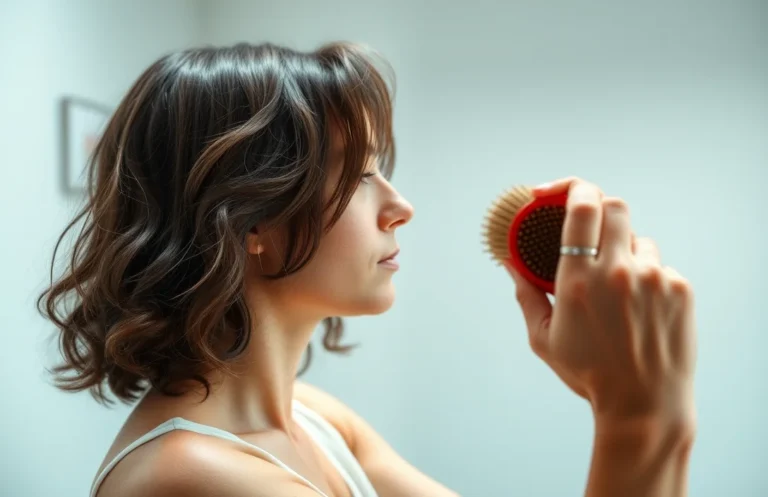
Does Trimming Hair Really Speed Up Hair Growth?
Studies indicate that trimming hair does not directly affect the rate of growth. In fact, hair grows approximately half an inch each month, regardless of whether it’s trimmed. Understanding this can clarify misconceptions about hair care and growth practices.
Trimming hair helps maintain health and prevents split ends, but does not accelerate growth rate. Regular cuts can improve appearance, making hair look fuller and healthier over time, which may give the illusion of faster growth.
What to Know About is hair growth faster after tr
Trimming hair doesn’t directly accelerate its growth rate. Hair grows at an average rate of half an inch per month, regardless of trimming. However, regular trims can promote healthier hair, which may prevent breakage and split ends, allowing hair to appear longer over time. Healthy hair can lead to better management and styling, enhancing overall appearance.
Many people believe that trimming stimulates hair follicles, but that’s a misconception. Hair growth occurs at the scalp, and trimming only affects the ends. While it helps maintain the hair’s shape and remove damage, it does not impact the speed at which hair grows from the roots. Understanding this distinction is crucial.
Research shows that a healthy scalp environment supports optimal hair growth. Maintaining cleanliness, proper scalp hydration, and nutrition can significantly influence growth rates. Incorporating scalp massages or using essential oils may also enhance blood circulation, promoting better hair health and growth. Focus on these factors for improved hair vitality.
Key Points for is hair growth faster after tr
Regular trimming removes split ends and damaged hair, promoting healthier strands. By eliminating these imperfections, hair appears smoother and can grow more effectively. While trimming does not directly speed up growth, it prevents breakage, allowing hair to maintain its length over time. Commit to trimming every 6 to 8 weeks for optimal results.
Healthy hair care practices support growth. Using proper shampoos, conditioners, and treatments can make a significant difference. Focus on products that nourish and strengthen hair follicles, ensuring they remain robust during the growth process. A balanced diet rich in vitamins and minerals also contributes to overall hair health.
Scalp stimulation enhances blood circulation. Massaging the scalp regularly encourages nutrient delivery to hair follicles, promoting growth. Consider incorporating essential oils like rosemary or peppermint into your routine for added benefits. Create a consistent massage schedule to maximize results.
Hydration plays a crucial role in hair health. Drinking enough water keeps hair hydrated from the inside out, reducing dryness and brittleness. Aim for at least 8 glasses of water daily to support your hair’s overall condition and growth potential.
Stress management is essential for hair growth. High-stress levels can lead to hair loss and hinder growth. Implement relaxation techniques such as meditation, yoga, or deep-breathing exercises to maintain a calm mind and promote healthier hair. Prioritizing mental well-being can positively impact hair vitality.
Tips for is hair growth faster after tr
Regular trims remove split ends, ultimately promoting healthier hair growth. Maintaining hair’s integrity prevents breakage, allowing strands to grow longer over time. Scheduling a trim every 6-8 weeks can significantly impact overall hair health.
Consistent hydration keeps hair moisturized, which is essential for growth. Invest in quality leave-in conditioners and hair oils to maintain optimal moisture levels. Hydrated hair is less prone to damage, promoting a more robust growth cycle.
Nutrition plays a crucial role in hair growth. Incorporate a balanced diet rich in vitamins and minerals, particularly biotin, vitamin E, and omega-3 fatty acids. These nutrients support hair strength and can enhance growth rates.
Scalp care is vital for stimulating growth. Regularly massage the scalp to increase blood circulation, which nourishes hair follicles. Consider using essential oils like rosemary or peppermint for additional benefits.
Benefits of is hair growth faster after tr
Trimming hair regularly prevents split ends, promoting healthier strands. Healthy hair appears fuller and bouncier, which can give the illusion of faster growth. A fresh trim eliminates damaged ends that can hinder overall hair vitality, allowing the hair to grow without interruption. This practice encourages a polished look while maintaining the integrity of hair follicles.
Cleansing the scalp promotes new growth. A well-exfoliated scalp removes dead skin cells, improving blood circulation to hair follicles. Enhanced circulation leads to better nutrient delivery, supporting hair growth. Incorporating scalp massages after trimming can further boost this effect, making hair appear healthier and encouraging it to grow at a steady rate.
Incorporating regular trims into your routine ensures consistent hair health. Scheduling trims every 6-8 weeks can help maintain length while removing damaged sections. Consistency in trimming allows for a focus on nourishing the roots, creating an environment where hair can thrive. Observing this routine can result in noticeable improvements in hair appearance and texture.
Investing in quality hair care products enhances results significantly. Products designed to strengthen hair and prevent breakage work best when combined with regular haircuts. Look for shampoos and conditioners enriched with proteins and vitamins. Such formulations support the hair structure, enabling it to grow longer and healthier over time.
Options for is hair growth faster after tr
Regular trims improve hair health significantly. Cutting split ends prevents further damage, which can hinder growth. Healthy hair is less prone to breakage, allowing it to reach its full potential. For optimal results, aim to trim every 6-8 weeks, especially if your hair is long or prone to damage. This routine helps maintain a vibrant appearance while promoting length.
Maintaining hydration keeps hair follicles strong. Use moisturizing shampoos and conditioners to provide essential nutrients. Hydrated hair is less likely to break, contributing to overall growth. Incorporate leave-in conditioners or hair oils to add moisture and protect against environmental stressors. This simple habit can greatly enhance the health and appearance of your hair.
Nourishing your body impacts hair growth. Consuming a balanced diet rich in vitamins and minerals supports follicle function. Foods high in protein, omega-3 fatty acids, and biotin are especially beneficial. Regularly including nuts, fish, eggs, and leafy greens in your meals creates a solid foundation for healthy hair growth, making trimming effectively more noticeable.
Expert Advice on is hair growth faster after tr
Trimming hair regularly encourages healthier growth. By cutting split ends and damaged hair, you prevent breakage, which can slow down growth. Regular trims help maintain hair integrity, allowing the hair to grow longer without setbacks caused by damage. Aim for a trim every 6 to 8 weeks to maximize these benefits.
Regular maintenance plays a crucial role. Keeping your hair well-trimmed not only improves its appearance but also supports optimal growth conditions. By eliminating damage, you give your hair a better chance to flourish. Investing in quality hair care products can further enhance the health and vitality of your strands.
Nutrition significantly impacts hair growth speed. A balanced diet rich in vitamins and minerals, such as biotin, zinc, and omega-3 fatty acids, strengthens hair follicles. Incorporating these nutrients into your diet can complement regular trims and enhance overall hair health, fostering more robust growth.
Hydration contributes to effective hair growth. Drinking adequate water ensures that your hair cells receive the moisture they need to thrive. Dehydrated hair can become brittle and prone to breakage, negating the benefits of trimming. Aim for at least eight glasses of water daily for optimal hair health.
Examples: is hair growth faster after tr
Regular trims prevent split ends. Keeping hair healthy is crucial for optimal growth. Cutting the tips every 6 to 8 weeks helps maintain the integrity of each strand. This practice also encourages healthier hair overall, making it less prone to breakage, which can slow growth. Prioritize maintenance to achieve the best results.
Healthy habits contribute significantly to growth. Incorporate a balanced diet rich in vitamins and minerals that support hair health. Essential nutrients like biotin, vitamin E, and omega-3 fatty acids are particularly beneficial. Drinking enough water also promotes hydration, which is vital for maintaining healthy hair and encouraging growth.
Gentle styling techniques promote longevity. Avoid excessive heat and harsh chemical treatments that can damage hair. Using heat protectants and opting for low-heat styling methods can minimize damage. Consider protective styles that reduce wear and tear on your hair while maintaining a polished look.
Consistent care routines yield results. Establish a hair care regimen that includes moisturizing and nourishing products tailored to your hair type. Regular conditioning treatments can enhance moisture retention and reduce breakage. A well-rounded approach ensures that your hair stays strong and resilient, supporting faster growth.
Quick Summary
- Trimming hair does not directly speed up hair growth.
- Hair grows from the roots, so cutting the ends doesn’t affect the growth rate.
- Regular trims can prevent split ends and breakage, leading to healthier-looking hair.
- Healthy hair can appear to grow faster due to reduced damage and improved appearance.
- Factors such as genetics, diet, and overall health play a significant role in hair growth rates.
- Using proper hair care techniques can support optimal growth and maintenance.
- Consulting with a professional stylist can provide personalized advice for hair health.
Frequently Asked Questions
Does trimming hair actually make it grow faster?
No, trimming hair does not directly affect the rate of hair growth. Hair growth occurs at the scalp level, and trimming simply removes split ends and damaged hair to promote healthier-looking strands.
How often should I trim my hair for optimal growth?
It is generally recommended to trim your hair every 6 to 8 weeks to maintain its health and prevent split ends. Regular trimming can help your hair look healthier, but it won’t speed up the actual growth process.
What is the average rate of hair growth?
On average, hair grows about half an inch (1.25 cm) per month, or roughly 6 inches (15 cm) per year. Factors such as genetics, age, and overall health can influence this rate.
Are there any tips to promote faster hair growth?
To encourage faster hair growth, maintain a healthy diet rich in vitamins and minerals, stay hydrated, and avoid excessive heat styling. Additionally, using gentle hair care products can help minimize damage.
Does hair texture affect growth rate?
Hair texture does not directly affect the growth rate, but it can influence how quickly hair appears to grow. For example, straight hair may seem to grow faster than curly hair due to the way it lays flat and shows length more readily.

- Medium Hairstyles for School: 25 Best Looks That Are Easy - March 31, 2026
- Hairstyles for Medium Hair for School: Easy and Stylish - March 31, 2026
- Hairstyles for Medium Length Hair for School: 28 Styles That Are Easy - March 31, 2026