How Brushing Your Hair Can Enhance Its Health and Shine
Research shows that brushing hair can improve scalp health and promote hair growth by distributing natural oils. Regular brushing helps untangle hair, prevent breakage, and enhance shine. Ignoring this simple practice might lead to unhealthy hair and scalp issues over time.
Brushing is crucial for healthy hair. It distributes oils evenly, reduces tangles, and encourages blood circulation in the scalp. Regular brushing also enhances shine and prevents breakage, making it an essential part of your hair care routine.
Stimulating Scalp Circulation
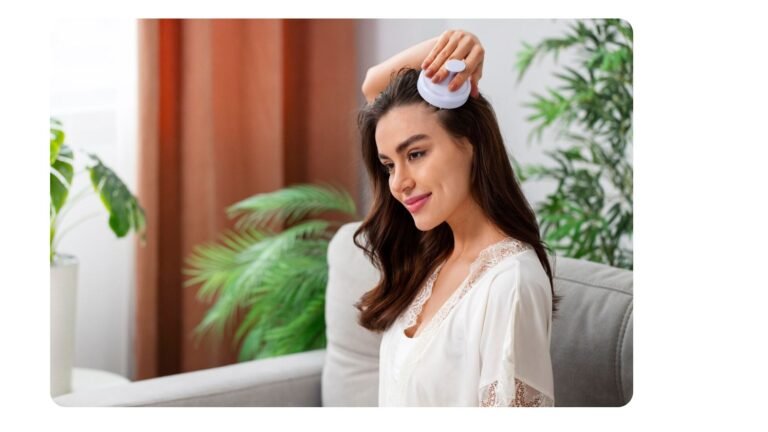
Brushing your hair enhances blood flow to the scalp, which is crucial for healthy hair growth. Increased circulation delivers essential nutrients and oxygen to hair follicles, promoting stronger strands and aiding in overall hair health. Regular brushing can stimulate these benefits, making it an important practice in your hair care routine.
- Choose a suitable brush. Natural bristles are recommended for effective scalp stimulation.
- Start at the scalp. Begin brushing close to the roots to maximize blood flow directly at the hair follicles.
- Use gentle strokes. Avoid aggressive brushing; instead, apply light pressure to prevent damage.
- Brush consistently. Aim for at least two to three times per week to see noticeable improvements in circulation.
- Incorporate massage techniques. Combine brushing with a scalp massage to further enhance blood flow and relaxation.
Incorporating these practices into your routine can significantly contribute to healthier hair. Consistent brushing not only promotes circulation but also enhances the overall appearance and vitality of your locks.
Even Distribution of Natural Oils
Brushing hair effectively spreads sebum, the natural oil produced by the scalp. This oil moisturizes hair, enhancing its health and appearance. Regular brushing helps distribute sebum from the roots to the tips, preventing dryness and brittleness. Maintaining this balance is crucial for achieving shiny, healthy locks.
- Start at the roots. Gently brush the scalp area to lift and distribute oil evenly down the hair shaft.
- Use a suitable brush. Opt for a boar bristle brush, known for its ability to distribute oil without causing breakage.
- Brush daily. Establish a routine to ensure natural oils reach every strand, promoting overall hair health.
- Be gentle. Avoid tugging or pulling, which can damage hair and lead to split ends.
- Brush in sections. Divide hair into manageable parts to ensure even distribution and prevent tangles.
Incorporating these techniques will help maintain moisture levels, leading to healthier hair. Regular brushing is essential for achieving the desired shine and vitality in your hair.
Reducing Tangling and Breakage
Regular brushing significantly reduces tangling and breakage. By incorporating a consistent brushing routine, hair remains manageable and less prone to knots. This practice ensures that hair strands are less likely to snag or pull, minimizing damage and promoting overall hair health.
- Brush hair daily to maintain smoothness. A dedicated time each day for brushing can help prevent knots from forming.
- Use the right brush for your hair type. For fine hair, opt for a wide-toothed comb, while thicker hair may benefit from a paddle brush.
- Start from the ends and work upwards. This technique prevents unnecessary tugging at the roots and eases out tangles without causing breakage.
- Be gentle with the brushing process. Rushing can lead to increased tension on the hair, which can ultimately result in more damage.
- Incorporate detangling sprays or conditioners. These products can provide additional slip, making it easier to brush through knots without harming the hair.
Establishing these brushing habits will ensure that hair remains healthy and resilient. By preventing tangles and breakage, hair can maintain its shine and softness over time.
Enhancing Hair Texture and Shine
Brushing regularly contributes to improved hair appearance. Distributing natural oils from the scalp to the hair strands enhances moisture retention and adds shine. This simple practice can transform dull hair into a vibrant, healthy-looking mane. Consistent brushing, at least once a day, promotes a polished finish.
- Natural oils balance hair moisture. Start from the roots and work downwards to ensure even distribution of oils throughout your hair. This method not only improves shine but also reduces dryness.
- Brushing stimulates blood circulation. Using a brush with soft bristles can promote healthy growth by increasing blood flow to the scalp. Enhanced circulation nourishes hair follicles, leading to thicker, healthier strands.
- Regular brushing helps in detangling. Using a wide-tooth comb or paddle brush prevents breakage by gently removing knots. Less breakage means more hair integrity and overall improved texture.
- Consistent brushing encourages smoothness. Each stroke helps to align hair cuticles, resulting in a sleeker appearance. Smooth cuticles reflect light better, enhancing shine and creating a polished look.
Removing Dirt and Product Buildup
Brushing helps eliminate dirt and product buildup from hair. Regular brushing dislodges particles that accumulate from environmental exposure and styling products. As you brush, the bristles distribute natural oils from the scalp down the hair shaft, enhancing cleanliness and shine. This process is essential for maintaining healthy hair and preventing residue-related issues.
Daily routines should incorporate brushing for optimal results. Aim for at least once a day, using a suitable brush type for your hair texture. For instance, natural bristle brushes work well for fine hair, while wide-toothed combs suit thicker strands. Practicing gentle strokes ensures you do not damage the hair or scalp during the process.
Incorporating brushing before washing can improve the effectiveness of your shampoo. By loosening dirt and product residue, the shampoo can penetrate better, leading to a deeper clean. Make this simple step a part of your hair care routine to maximize cleanliness and overall health.
Lastly, remember to clean your hairbrush regularly. Accumulated hair, dirt, and product residue on the brush can transfer back to your hair, counteracting the benefits of brushing. A clean brush enhances the effectiveness of your hair care routine and promotes a healthier scalp.
Promoting Relaxation and Stress Relief
Brushing hair can significantly promote relaxation and stress relief. The rhythmic motion of brushing not only detangles strands but also stimulates the scalp, encouraging blood circulation. This increase in blood flow delivers essential nutrients to hair follicles, fostering a healthier environment for hair growth while also calming the mind.
Engaging in a consistent brushing routine can serve as a form of self-care. Taking a few minutes each day to brush your hair allows for a peaceful moment. Many find this practice soothing, as it encourages mindfulness and helps alleviate daily stressors, making it an essential part of hair care.
Incorporating gentle strokes can enhance the benefits. Using a soft-bristled brush, start from the ends and work upward to prevent breakage. This method not only detangles but also distributes natural oils from the scalp down the hair shaft, adding shine and moisture. Over time, the routine becomes a calming ritual that promotes both physical and mental well-being.
Creating a serene environment can amplify relaxation during brushing. Consider listening to calming music or practicing deep breathing while you brush. Such practices can transform the experience into a therapeutic session, reinforcing the connection between hair brushing and improved mental health, ultimately supporting healthy hair.
Choosing the Right Brush Type
Selecting the appropriate brush type is crucial for maintaining healthy hair. Different hair types require different brushes to achieve optimal results. Understanding your hair’s unique texture, thickness, and needs will guide you in choosing the right tool for effective brushing.
- Natural bristle brushes work best for fine or thin hair. They distribute natural oils from the scalp, enhancing shine and minimizing breakage.
- Synthetic bristle brushes are ideal for thick or curly hair. They detangle effectively without causing excessive pulling or damage.
- Wide-tooth combs serve well for wet hair. They gently detangle without causing breakage, making them a safe option post-shower.
- Round brushes are excellent for styling. These tools help create volume and smoothness during blow-drying, especially for straight or wavy styles.
- Specialized detangling brushes are beneficial for all hair types. They often feature flexible bristles that glide through knots, reducing discomfort and preventing hair loss.
Ultimately, the right brush type significantly contributes to overall hair health. Investing in a quality brush tailored to your hair type can enhance shine and vitality, making brushing an essential part of your hair care routine.
Quick Summary
- Regular hair brushing helps distribute natural oils from the scalp, promoting overall hair health.
- Brushing can stimulate blood circulation in the scalp, encouraging hair growth.
- It helps to remove tangles and prevent breakage, leading to healthier hair strands.
- Brushing can remove dirt and product buildup, keeping the hair clean and manageable.
- Using the right type of brush for your hair type can enhance the benefits of brushing.
- Brushing should be done gently to avoid damage and minimize hair loss.
- Frequency of brushing may vary by hair type; fine hair may require less frequent brushing than thick hair.
Frequently Asked Questions
1. Is hair brushing important for healthy hair?
Yes, brushing your hair is important for maintaining healthy hair. It helps distribute natural oils from the scalp, reduces tangles, and can improve blood circulation in the scalp.
2. How often should I brush my hair?
The frequency of brushing depends on your hair type. Generally, it’s recommended to brush your hair once or twice a day to keep it healthy, but those with curly or textured hair may benefit from less frequent brushing to avoid breakage.
3. What type of brush is best for my hair?
The best brush for your hair depends on its texture. For fine hair, a soft-bristle brush is ideal, while for thicker or curly hair, a wide-tooth comb or a detangling brush may be more suitable to minimize damage.
4. Can brushing too much damage my hair?
Yes, excessive brushing can lead to hair damage, breakage, and split ends. It’s important to brush gently and avoid overdoing it, especially with wet hair, which is more susceptible to damage.
5. Should I use a specific technique when brushing my hair?
Yes, using the right technique can make a big difference. Start brushing from the ends of your hair and work your way up to the roots, using gentle strokes to detangle without pulling or breaking the hair.

- Does Summer Really Boost Hair Growth Speed? Insights and Facts - March 31, 2026
- Medium Hairstyles for School: 25 Best Looks That Are Easy - March 31, 2026
- Hairstyles for Medium Hair for School: Easy and Stylish - March 31, 2026