Understanding the Importance of Hair Routines for Healthy Hair
Research shows that 80% of people experience hair damage due to improper care. Establishing a consistent hair routine can significantly enhance hair health, reducing breakage and promoting growth. Neglecting this can lead to long-term issues that are often overlooked until it’s too late.
Effective hair routines are crucial for maintaining hair health. Regular washing prevents buildup, while conditioners nourish strands. Incorporating heat protection protects against styling tools. Finally, trimming reduces split ends, ensuring hair looks vibrant and healthy.
Daily Cleansing for Scalp Health
Daily cleansing is essential for maintaining a healthy scalp. Washing hair removes dirt, oil, and product buildup that can clog hair follicles and hinder growth. Regular cleansing helps prevent dandruff and scalp irritation, promoting an environment conducive to hair health.
Effective cleansing methods include using a gentle shampoo suited for your hair type. Opt for sulfate-free shampoos to avoid stripping natural oils, which can lead to dryness. Focus on the scalp during washing, as this is where buildup accumulates, ensuring you massage the product thoroughly to stimulate circulation.
Consistency plays a crucial role in scalp health. Establishing a routine that includes daily cleansing can help maintain balance while addressing specific scalp issues. Tailor your washing frequency to your hair type; for example, oily scalps may require daily washing, while dry scalps might benefit from less frequent cleansing.
Monitoring your scalp condition is key. Notice any changes in oiliness or irritation, as this can guide you in adjusting your routine. Maintaining a clean scalp not only supports hair health but also enhances the overall appearance and manageability of your hair.
Conditioning for Moisture Retention
Conditioning hair plays a crucial role in maintaining hydration. Moisture retention is essential for healthy hair, helping to prevent dryness and brittleness. Regular conditioning helps to seal moisture in, making hair softer and more manageable. Using a conditioner specifically designed for your hair type can enhance this effect, providing targeted benefits such as added nourishment and protection.
Hydrating ingredients like aloe vera, glycerin, and natural oils work effectively to lock in moisture. Look for products that contain these components, as they can significantly improve hair texture. Applying conditioner after shampooing ensures that the hair cuticle remains smooth, reducing frizz and promoting shine. Consider using a leave-in conditioner for ongoing hydration throughout the day.
Incorporating conditioning into your routine is vital. Regular use can prevent damage caused by environmental factors and styling tools. Additionally, deep conditioning treatments once a week can provide an extra boost of moisture, especially for those with curly or textured hair. This simple step is key to ensuring that hair remains vibrant and healthy.
Protective Styles to Minimize Damage
Protective hairstyles significantly reduce hair breakage. These styles shield the hair from environmental factors and minimize manipulation, which is crucial for maintaining healthy strands. Regularly incorporating protective styles into your routine can enhance hair health and promote growth.
- Choose braids or twists. These styles keep hair secure and reduce exposure to harsh elements, preventing moisture loss and damage.
- Consider wearing wigs or weaves. These options allow you to give your natural hair a break, while still achieving desired looks without daily styling stress.
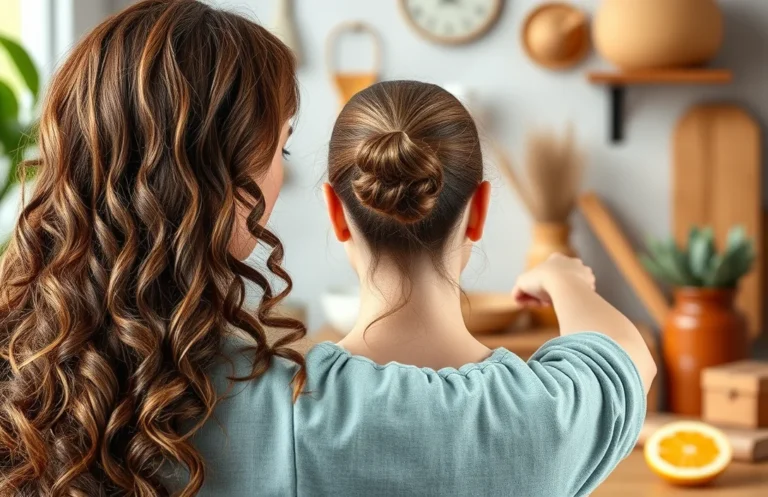
- Opt for buns or updos. Such styles keep hair tucked away, limiting friction and breakage that occurs from rubbing against clothing or surfaces.
- Limit the duration of styles. Avoid leaving protective styles in for too long; aim to refresh them every 6-8 weeks to prevent tension and scalp issues.
- Incorporate regular moisturization. Even while in protective styles, keep your hair hydrated to maintain elasticity and prevent dryness.
Regular Trims for Preventing Split Ends
Regular trims significantly enhance hair health. Cutting off damaged ends prevents the spread of split ends, which can lead to further breakage. Aim for a trim every six to eight weeks to maintain healthy hair. This simple step can make a noticeable difference in the appearance and strength of your hair.
Trimming removes split ends before they travel up the hair shaft. Hair can become weaker and more prone to damage as split ends progress. Timely trims help keep hair looking fresh and vibrant, reducing the need for more drastic measures later.
Investing in quality scissors matters immensely. Professional-grade shears create clean cuts that minimize damage. Avoid using regular household scissors, as they can cause fraying and further split ends, undermining your hair care efforts.
Scheduling trims can complement other hair care practices. Consistent care routines, including washing and conditioning, work best when paired with regular cuts. Together, these practices contribute to overall hair vitality and resilience, crucial for maintaining healthy hair.
Nutritional Support for Strong Hair
Protein consumption directly impacts hair strength and growth. Hair is primarily made of keratin, a type of protein. Incorporating adequate amounts of protein through sources such as lean meats, eggs, legumes, and nuts can significantly enhance hair health. Aim for at least 50 grams of protein daily to support vibrant, strong hair.
Vitamins play a crucial role in maintaining hair vitality. Essential vitamins like A, C, D, and E contribute to healthy hair follicles and overall scalp health. Foods rich in these vitamins, such as spinach, carrots, oranges, and avocados, should be staples in your diet. Consider a multivitamin if nutritional gaps exist.
Minerals are equally important for optimal hair health. Iron and zinc are vital for promoting circulation and supporting the hair growth cycle. Incorporate sources like red meat, shellfish, beans, and seeds into your meals to ensure adequate mineral intake. Regularly consuming these foods can prevent hair breakage and thinning.
Omega-3 fatty acids are essential for scalp health. These healthy fats nourish hair follicles and support the overall strength of your hair. Include fatty fish like salmon, walnuts, and flaxseeds in your diet. A balanced intake of omega-3s can lead to shinier, healthier hair.
Heat Protection for Styling Safety
Applying heat protection products is essential before styling. These products create a barrier between your hair and the heat from tools like blow dryers, flat irons, and curling wands. Without this shield, hair can become dry, brittle, and prone to breakage. Prioritizing a heat protectant is crucial for maintaining hair health.
Sprays, creams, and serums are effective options. Look for products containing silicones, which help coat the hair cuticle, or natural oils, which provide moisture. Apply the product evenly to damp hair for optimal results. Focus on lengths and ends, where damage is often most severe.
Timing matters significantly. Always apply heat protectants before using any heat styling tool. Let the product dry slightly before applying heat to ensure maximum effectiveness. Ignoring this step can lead to irreversible damage over time.
Monitoring the temperature of your styling tools is equally important. Use lower heat settings when possible, especially for fine or damaged hair. Aim for 300-350°F for most hair types, adjusting as necessary based on your hair’s resilience.
Investing in quality heat protectants pays off. Regular use can lead to healthier, shinier hair, reducing the risk of split ends and breakage. Incorporating this simple step into your routine significantly enhances overall hair health.
Personalization of Hair Routines
Customizing hair routines enhances individual hair health. Tailoring your approach based on specific hair types, concerns, and goals leads to better outcomes. Each person’s hair reacts differently to products and techniques, making personalized care essential for optimal results.
- Identify your hair type accurately. Different textures, such as straight, wavy, curly, or coily, require distinct products and methods for care. Use the right shampoo, conditioner, and styling products designed specifically for your hair type.
- Assess specific hair needs regularly. Look for signs of damage, dryness, or oiliness. Adjust your routine accordingly, incorporating treatments like deep conditioning or clarifying shampoos to address these issues effectively.
- Experiment with products and techniques. Try out different brands, formulas, and application methods to see what works best. Keep a journal to track changes in your hair’s response, allowing you to refine your routine over time.
- Consult professionals for guidance. Visiting a stylist can provide personalized recommendations. They can analyze your hair and suggest tailored solutions based on your lifestyle and hair goals.
- Stay consistent with your routine. Commit to a regular schedule for washing, conditioning, and treatments. Consistency is key to achieving and maintaining healthy hair.
Quick Summary
- Consistent hair routines can improve overall hair health and appearance.
- Regular washing helps remove dirt and excess oil, preventing scalp issues.
- Conditioning is essential for maintaining moisture and reducing breakage.
- Using heat protectants minimizes damage from styling tools.
- Regular trims help eliminate split ends and promote healthy growth.
- Tailoring products to your hair type enhances effectiveness and results.
- Protective styles can minimize damage and promote hair strength.
Frequently Asked Questions
1. What is a hair routine?
A hair routine is a set of practices and products used consistently to maintain and improve the health and appearance of your hair. This can include washing, conditioning, styling, and treating your hair with specific products tailored to your hair type.
2. Why are hair routines important for hair health?
Hair routines are essential because they help to keep your hair clean, moisturized, and protected from damage. Regular care can prevent issues such as dryness, split ends, and breakage, leading to healthier and more manageable hair.
3. How often should I wash my hair as part of a hair routine?
The frequency of washing your hair depends on your hair type and lifestyle. Generally, oily hair may require washing every day or every other day, while dry or curly hair might only need washing once a week to retain moisture.
4. What products should I include in my hair routine?
Your hair routine should include a gentle shampoo, a nourishing conditioner, and possibly additional treatments like masks or oils based on your hair’s needs. Always choose products that suit your hair type, whether it’s straight, curly, or color-treated.
5. Can a hair routine help with hair loss?
While a hair routine alone may not completely prevent hair loss, it can significantly improve the overall health of your scalp and hair. Incorporating products that promote scalp health and using gentle techniques can support hair growth and minimize breakage.

- Medium Hairstyles for School: 25 Best Looks That Are Easy - March 31, 2026
- Hairstyles for Medium Hair for School: Easy and Stylish - March 31, 2026
- Hairstyles for Medium Length Hair for School: 28 Styles That Are Easy - March 31, 2026