Are Hair Extensions Bad for Your Scalp? Understanding the Risks
Research indicates that over 50% of women who use hair extensions experience some level of scalp irritation or damage. Understanding the potential ramifications is crucial for anyone considering this popular beauty enhancement. Scalp health should never be compromised for aesthetics.
Extensions can indeed be bad for your scalp if misapplied or poorly maintained. Key issues include traction alopecia, irritation, and infections. Choosing high-quality extensions and professional application can mitigate risks significantly.
Types of Hair Extensions
Various hair extensions exist, each with unique applications. Common types include clip-in, tape-in, sew-in, and micro-link extensions. Understanding these options aids in making informed decisions regarding potential scalp effects. Choosing the right type can significantly influence both the longevity of usage and scalp health.
Clip-in extensions offer a temporary solution. They attach with small clips and can be easily applied or removed without professional help. Most users appreciate the convenience, but frequent usage may still lead to some tension on the scalp.
Tape-in extensions consist of adhesive strips that bond to natural hair. These extensions lay flat against the scalp, providing a seamless look. Professional application is recommended, as improper placement can cause damage or discomfort to sensitive scalps.
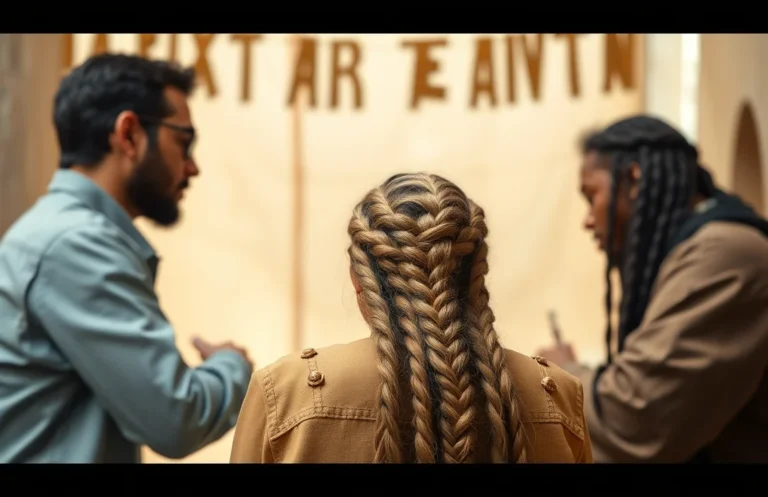
Sew-in extensions involve braiding natural hair into cornrows, where wefts are sewn in. This method typically provides a secure fit but requires more maintenance. Over time, the added weight can strain the scalp, especially if not installed or removed properly.
Micro-link extensions use small beads to attach extensions to natural hair. This method prevents glue or adhesive use, reducing potential irritation. Proper care is essential, as neglect can lead to tangling and additional stress on hair follicles.
Scalp Tension and Hair Damage
Hair extensions often create tension on the scalp, impacting hair health. This pressure can lead to discomfort, pain, and even hair loss if not managed properly. Understanding how extensions affect scalp tension is crucial for maintaining healthy hair and a comfortable wearing experience.
- Scalp tightness can result from heavy or improperly applied extensions. Ensuring that the weight is evenly distributed helps alleviate unnecessary pressure.
- Regularly assess the condition of your scalp. Look for signs of irritation, redness, or soreness, which may indicate excessive tension from the extensions.
- Schedule breaks from wearing extensions. Allowing your hair and scalp to recover prevents long-term damage and reduces the risk of traction alopecia.
- Consult with a professional stylist. They can recommend suitable types of extensions and application methods that minimize tension on the scalp.
- Consider lightweight options. Choosing extensions made from lighter materials can significantly reduce the burden on your scalp.
Allergic Reactions and Sensitivities
Allergic reactions to hair extensions can occur due to various materials used in their construction. Common allergens include certain adhesives, synthetic fibers, and even dyes. Individuals with sensitive skin or existing allergies may experience redness, itching, or swelling on the scalp.
Specific reactions often stem from the adhesive used to attach extensions. Many of these glues contain formaldehyde or other harsh chemicals, which can irritate the scalp. Testing a small area before full application is a wise step to minimize adverse reactions.
Natural hair extensions typically have a lower risk of causing allergies compared to synthetic options. Opting for high-quality, human hair extensions can reduce the likelihood of scalp sensitivities significantly. Always check product labels and consult with professionals if unsure about the materials.
Seeking professional advice is crucial for those with a history of allergies. Specialists can recommend suitable materials and application methods that minimize risks. Additionally, they can provide insights on how to care for extensions without aggravating any sensitivities.
Maintenance and Scalp Health
Regular maintenance practices directly impact scalp health, particularly with extensions. Neglecting proper care can lead to irritation, buildup, and damage. Adopting a consistent routine ensures that both your natural hair and the extensions remain healthy, reducing the risk of complications.
- Gently cleanse your scalp weekly. Use sulfate-free shampoos to avoid stripping natural oils. This prevents scalp dryness and irritation, promoting a healthier environment for hair growth.
- Moisturize regularly for hydration. Apply lightweight oils or leave-in conditioners to keep the scalp nourished. Hydrated skin reduces flakiness and creates a comfortable foundation for extensions.
- Limit heat styling to protect. Excessive heat can weaken both natural hair and extensions. Opt for air drying or low-heat tools to maintain integrity and reduce scalp stress.
- Schedule professional maintenance appointments. Regular visits to a stylist ensure proper installation and care of extensions. Professionals can also assess scalp condition, making necessary adjustments to maintain health.
- Monitor for signs of irritation. Pay attention to itching, redness, or unusual sensitivity. Early detection of issues allows for timely interventions and adjustments to your maintenance routine.
Duration of Wear and Risks
Wearing extensions for prolonged periods can significantly impact scalp health. The weight of the extensions, combined with tension at the roots, may lead to discomfort and potential damage over time. It’s crucial to monitor the duration to prevent adverse effects on the scalp.
- Limit continuous wear to avoid stress. Keeping extensions in for more than eight weeks can increase the risk of traction alopecia, a condition resulting from excessive pulling on hair follicles.
- Schedule regular breaks between applications. Allowing the scalp time to rest promotes recovery and reduces irritation, making it essential to plan breaks after each extension use.
- Consult professionals for optimal duration. Stylists can provide personalized recommendations based on hair type, extension method, and individual scalp sensitivity, ensuring safe use.
- Monitor scalp condition continuously. Regularly check for signs of irritation or discomfort, which can indicate that extensions are negatively impacting the scalp’s health.
- Consider lighter alternatives for long-term wear. Choosing lighter extension types, such as tape-ins or micro-links, can lessen the load on the scalp, reducing the risk of damage.
Signs of Scalp Stress
Experiencing discomfort or pain indicates potential issues. Signs such as itching, redness, or swelling can reveal that hair extensions are causing stress on the scalp. These symptoms may signify an allergic reaction to the materials used or too much tension from the extensions themselves.
Noticing excessive shedding or thinning hair should raise concerns. If hair appears significantly weaker or falls out more than usual, it may be a direct result of the extensions. This damage can lead to long-term hair loss if not addressed promptly.
Developing scabs or sores is another serious symptom. If the scalp shows signs of trauma, such as open wounds or crusts, it’s critical to remove the extensions immediately to prevent further injury. Ignoring these signs can exacerbate the damage and complicate recovery.
Monitoring scalp hygiene is essential. Increased oiliness or buildup around the extensions often indicates that the scalp isn’t getting cleaned properly due to the added weight and tension. This can lead to irritation and infection if not managed correctly.
Consulting with a professional stylist can help assess the situation. If any of these symptoms are present, seeking advice from someone experienced in hair extensions is crucial. They can provide recommendations for safe removal and alternatives to reduce stress on the scalp.
Consulting Professionals for Safety
Consulting a professional is crucial for safe hair extension use. Experienced stylists can assess your scalp health and recommend suitable options. They understand the specific needs of your hair type and scalp condition, ensuring that extensions do not cause damage. Regular consultations will help maintain scalp integrity and overall hair health.
Seeking expert advice can prevent complications. Professionals can provide insights on appropriate installation techniques and aftercare routines tailored to your needs. This guidance minimizes the risk of tension and irritation, allowing for a more enjoyable experience with hair extensions.
Visiting a dermatologist is also beneficial if scalp issues arise. Medical professionals can diagnose problems like inflammation or allergic reactions that may stem from hair extensions. Timely intervention can protect your scalp and hair from further damage.
Regular check-ins with your stylist ensure that your extensions fit well and remain comfortable. Monitoring your scalp’s condition helps catch any early signs of stress or irritation. Professional adjustments can be made to alleviate pressure and prevent potential issues.
Investing in professional services offers peace of mind. Knowing that your scalp is being cared for by an expert allows you to enjoy the benefits of hair extensions without unnecessary worry. Prioritizing safety through professional consultation is essential for maintaining healthy hair and scalp.
Quick Summary
- Hair extensions can cause tension on the scalp, potentially leading to traction alopecia.
- Improper application or removal of extensions can damage natural hair and the scalp.
- Allergic reactions to the materials used in extensions or adhesive can occur.
- Regular maintenance and proper care are essential to minimize scalp issues.
- Choosing high-quality extensions and professional application can reduce risks.
- Individuals with sensitive scalps should consult with a professional before using extensions.
- Scalp health should be monitored regularly while using hair extensions.
Frequently Asked Questions
Are hair extensions bad for my scalp?
Hair extensions themselves are not inherently bad for your scalp, but improper application or excessive weight can lead to traction alopecia or irritation. It’s important to choose high-quality extensions and have them applied by a professional.
Can hair extensions cause hair loss?
Yes, if hair extensions are too heavy or are applied too tightly, they can pull on your natural hair and lead to hair loss over time. Regular breaks between extensions can help minimize this risk.
How can I protect my scalp while using hair extensions?
To protect your scalp, ensure that your extensions are applied correctly and not too tightly. Additionally, maintain a healthy scalp by keeping it clean, moisturized, and by avoiding heavy products that could lead to buildup.
Are there specific types of extensions that are safer for my scalp?
Clip-in extensions are generally safer for your scalp since they don’t require adhesive or heat, allowing for easy removal. Other options, like tape-in or sew-in extensions, can be safe if applied correctly and not left on for extended periods.
How often should I take breaks from wearing extensions?
It’s recommended to take breaks every 6-8 weeks to allow your scalp and natural hair to recover. This helps to prevent damage and gives your scalp a chance to breathe.

- Does Summer Really Boost Hair Growth Speed? Insights and Facts - March 31, 2026
- Medium Hairstyles for School: 25 Best Looks That Are Easy - March 31, 2026
- Hairstyles for Medium Hair for School: Easy and Stylish - March 31, 2026