Can Hair Brushes Stimulate Hair Growth
Studies reveal that regular brushing can enhance scalp circulation, potentially promoting hair growth. A 2018 survey indicated that 75% of participants believed that using brushes positively affected their hair density. This highlights the importance of hair care tools in maintaining healthy locks.
Brushing stimulates blood flow to the scalp and helps distribute natural oils. Key factors include using the right brush type, maintaining proper technique, and frequency of brushing. These elements can significantly contribute to healthier hair growth.
Brushing Techniques for Growth
Brushing hair properly can stimulate growth effectively. Begin with a wide-tooth comb or a gentle brush to detangle. Starting at the ends prevents breakage, which is crucial for maintaining healthy strands. Gradually work your way up towards the roots, using slow and steady strokes. This method promotes blood circulation in the scalp, an essential factor for hair health.
Applying natural oils before brushing enhances the benefits. Oils such as argan or coconut nourish the hair and improve manageability. A few drops on your palms, rubbed together, can be distributed evenly through the lengths of your hair. Follow this with brushing to ensure even coverage, maximizing the moisturizing effect and reducing friction.
Brushing techniques should include timing as well. Aim for gentle strokes twice a day, especially in the morning and evening. This routine not only helps with styling but also encourages healthy scalp stimulation. Consistency in this practice can lead to noticeable improvements in hair vitality and growth over time.
Using the right brush type plays a crucial role. Opt for brushes with natural bristles, as they can distribute oils from the scalp along the hair shaft. This distribution keeps hair hydrated and shiny, contributing positively to its overall health. Avoid brushes that tug or pull, as they can cause damage and hinder growth.
Types of Brushes and Their Effects
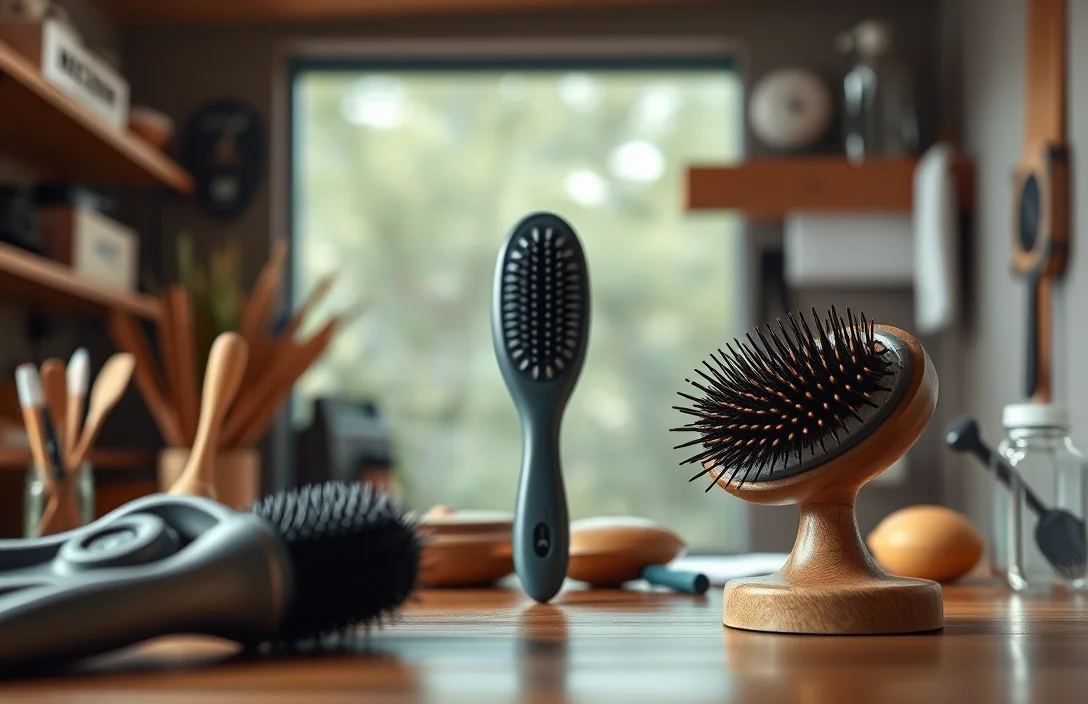
Various brush types impact hair health differently. Selecting the right brush can enhance your hair’s condition and potentially support growth. Each type serves a specific purpose, and understanding these differences is essential for effective hair care.
- Boar bristle brushes excel at distributing natural oils from the scalp throughout the hair. This process can lead to shinier, healthier strands, promoting an overall improved appearance.
- Round brushes, often used for styling, create volume and smoothness. Their shape allows for better airflow when blow-drying, which can help prevent heat damage when used correctly.
- Paddle brushes are ideal for detangling and smoothing hair. Their wide surface makes it easier to manage larger sections, minimizing breakage and promoting a smoother finish.
- Wide-tooth combs are perfect for wet hair. They gently detangle without causing excessive pulling or breakage, which is crucial for maintaining healthy hair.
- Vented brushes allow for quicker drying times with heat styling tools. Their design promotes airflow, reducing the risk of heat damage while maintaining hair integrity.
Scalp Stimulation Benefits
Brushing the hair stimulates the scalp effectively, enhancing blood circulation. Increased circulation delivers vital nutrients and oxygen to hair follicles, promoting healthier hair growth. Regular brushing can also help clear away dead skin cells, allowing for a cleaner scalp environment conducive to hair health.
- Brush daily to maximize circulation. Consistent brushing at least once a day ensures that blood flow remains optimal, encouraging follicles to remain active.
- Use a brush with natural bristles. Natural bristles can provide a gentle massage effect on the scalp, which further enhances blood flow while minimizing damage to the hair shaft.
- Incorporate different brushing techniques. Varying your brushing method, such as circular motions or gentle strokes, can stimulate different areas of the scalp, enhancing overall circulation.
- Consider timing your brushing. Brushing right before a shower can help loosen dirt and oils, allowing for a more effective cleansing process while still promoting circulation.
- Choose the right brush size. A brush that fits comfortably in your hand allows for better control and pressure when massaging the scalp, which can increase stimulation effectiveness.
Avoiding Damage While Brushing
Brushing hair with care prevents breakage and maintains healthy strands. Start by selecting the right brush for your hair type. The right bristle material and spacing can make a significant difference in how effectively it detangles hair without causing damage.
- Begin gently at the tips. Start brushing at the ends of your hair and work your way up. This method prevents tugging and reduces stress on the hair shaft.
- Use a wide-toothed comb for wet hair. Wet hair is more prone to breakage, so use a wide-toothed comb to minimize damage during detangling.
- Employ short, smooth strokes. Long, harsh strokes can lead to tangles and breakage. Instead, brush in short sections to maintain hair integrity.
- Incorporate a leave-in conditioner. A light leave-in conditioner can provide slip, making your hair easier to brush and reducing friction.
- Limit brushing dry hair. Frequent brushing of dry hair can lead to split ends. Try to brush only when necessary to keep your hair healthy.
Frequency of Brushing
Brushing hair too frequently can lead to damage, while insufficient brushing may hinder hair growth. Aim for a balanced approach, typically brushing your hair once or twice daily. This frequency allows for natural oil distribution without causing breakage or tangling.
Daily brushing helps stimulate the scalp, promoting blood flow and contributing to healthier hair follicles. Use a gentle brush, especially on wet hair, to minimize stress on strands. Pay attention to hair type; finer hair may require less frequent brushing compared to thicker textures.
Keeping track of your hair’s response to brushing is essential. If breakage or excessive frizz occurs, consider reducing frequency. Conversely, if your hair appears dull or flat, increasing your routine may be beneficial. Finding the right balance will enhance overall hair health.
Scheduling brushing during specific times can also aid in maintaining consistency. Brush hair during morning routines or before bedtime to incorporate it into daily habits. Developing a regular brushing schedule supports both hair growth and overall hair vitality.
Hair Products and Brushes
Applying the right hair products can significantly enhance the effectiveness of brushing. Properly chosen products nourish the hair and prepare it for manipulation, which is essential for maintaining hair health and potentially stimulating growth. Selecting products specifically formulated for your hair type ensures that brushing becomes a beneficial process rather than a damaging one.
- Choose moisturizing shampoos and conditioners. They hydrate hair strands, making them less prone to breakage during brushing.
- Incorporate leave-in conditioners for added protection. These products coat the hair, reducing friction and allowing brushes to glide smoothly.
- Opt for hair oils to enhance manageability. Applying oil before brushing can provide additional slip, making the process easier and more effective.
- Use heat protectants if styling. Protecting hair from heat damage while brushing improves overall health, which may support growth.
- Consider scalp treatments for stimulation. Products that promote scalp circulation can encourage hair follicles, enhancing growth potential.
Implementing these product strategies ensures that brushing not only maintains hair’s appearance but also contributes positively to its growth journey. Regularly reassessing your hair products allows for adjustments based on changing needs, further optimizing results.
Combining Techniques for Best Results
Brushing alone may not suffice for optimal hair growth. Pairing brushing with other hair care techniques can significantly enhance results. Regularly incorporating scalp massages and nourishing oils can stimulate circulation and promote healthier hair. These combined actions create an effective regimen for hair health.
Integrating a balanced diet into your routine also plays a crucial role. Consuming foods rich in vitamins and minerals supports hair growth from the inside. Nutrients such as biotin, vitamin E, and omega-3 fatty acids can fortify hair follicles, making them more resilient.
Using heat protectant sprays before styling can prevent damage. Heat tools may hinder growth by weakening strands. Therefore, protecting hair during styling sessions ensures that your efforts in brushing and nourishing aren’t undone by heat exposure.
Prioritizing regular trims keeps hair looking healthy and prevents split ends. Even with effective brushing, damaged ends can impede growth. Scheduling trims every six to eight weeks ensures that hair remains in optimal condition.
Incorporating high-quality hair products designed for your hair type can also make a difference. Products infused with natural ingredients can enhance moisture and strength, complementing the brushing technique. Combining these practices creates a comprehensive approach to achieving the best results in your hair growth journey.
Quick Summary
- Hair brushes can stimulate the scalp, potentially promoting blood circulation and encouraging hair growth.
- Using the right type of brush, such as a boar bristle brush, can help distribute natural oils from the scalp to the hair, improving overall health.
- Frequent brushing can help remove dirt and product buildup, which may support healthier hair growth.
- Over-brushing or using the wrong brush can lead to hair damage and breakage, counteracting any potential growth benefits.
- Brushing should be done gently to avoid unnecessary stress on the hair strands.
- Incorporating brushing into a regular hair care routine can enhance hair appearance and texture.
- While brushes can aid in maintaining healthy hair, they are not a standalone solution for hair growth; a balanced diet and proper hair care practices are crucial.
Frequently Asked Questions
Are hair brushes helpful for hair growth?
Hair brushes can help promote hair growth by stimulating the scalp and improving blood circulation. However, they should be used gently to avoid damaging hair strands.
What type of brush is best for promoting hair growth?
A boar bristle brush is often recommended for promoting hair growth as it helps distribute natural oils from the scalp along the hair shaft. Additionally, a wide-toothed comb can minimize breakage for those with curly or textured hair.
How often should I brush my hair to encourage growth?
Brushing your hair 1-2 times a day is usually sufficient to stimulate the scalp without causing damage. It’s important to be gentle and avoid over-brushing, which can lead to breakage.
Can brushing hair too much hinder growth?
Yes, excessive brushing can lead to damage and breakage, which may hinder hair growth. It’s best to brush with care and follow a routine that works for your hair type.
Are there specific techniques for brushing that help with hair growth?
Using gentle strokes and starting from the tips of your hair before moving to the roots can help prevent breakage. Additionally, massaging the scalp while brushing can further enhance blood circulation, promoting healthier hair growth.

- Does Summer Really Boost Hair Growth Speed? Insights and Facts - March 31, 2026
- Medium Hairstyles for School: 25 Best Looks That Are Easy - March 31, 2026
- Hairstyles for Medium Hair for School: Easy and Stylish - March 31, 2026