Are Hair Brushes Effective for Detangling Your Hair?
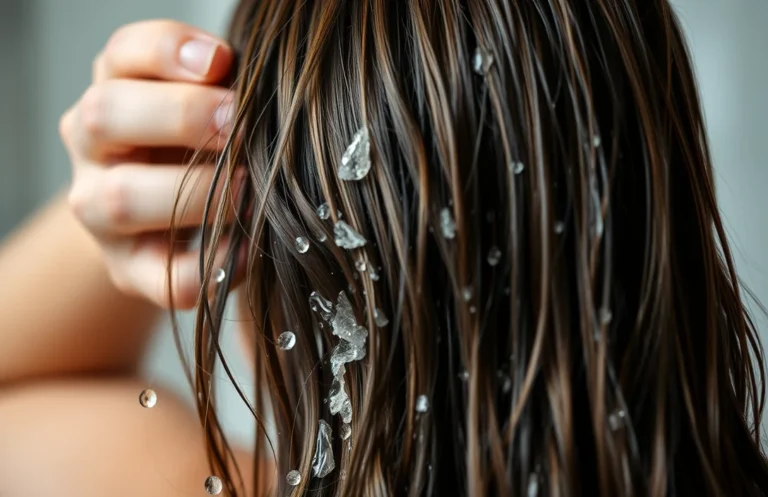
Research indicates that nearly 90% of individuals experience hair tangles at some point, making effective detangling methods essential. Hair brushes can significantly reduce breakage and pain associated with knots, but their effectiveness varies based on hair type and brush design.
Brushes are effective tools for detangling, particularly when used correctly. Choose the right type based on your hair texture, and always start detangling from the ends to minimize damage. Regular maintenance of brushes also enhances their effectiveness.
Types of Hair Brushes
Different hair brushes serve unique purposes for detangling. For effective hair management, select a brush that suits your hair type. Wide-tooth combs work well for wet hair, while paddle brushes are excellent for long, straight locks. Round brushes help in smoothing and adding volume, making them suitable for styling during blow-drying.
Vent brushes feature openings that allow air to circulate, speeding up drying time and minimizing tangling. These are perfect companions for thick or curly hair, as they help reduce frizz while detangling. Boar bristle brushes distribute natural oils throughout your hair, enhancing shine and reducing static.
Plastic bristle brushes are ideal for detangling due to their flexibility and ability to glide through knots. These are particularly beneficial for fine or straight hair, as they can gently separate strands without causing breakage. Always consider your specific hair needs when selecting the appropriate brush for effective detangling.
Brushing Techniques for Detangling
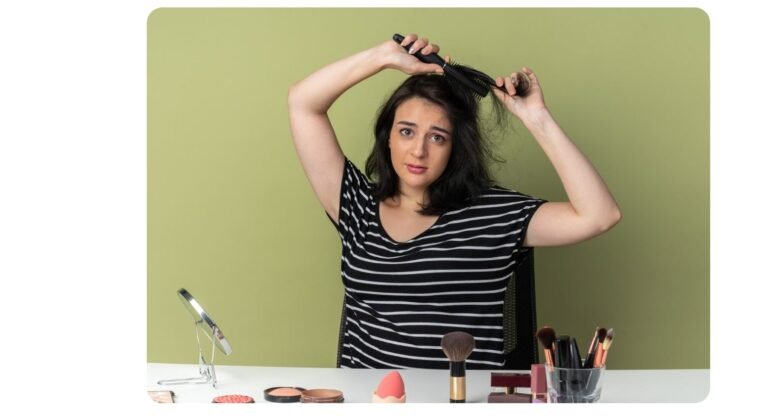
Start detangling from the ends. Begin brushing at the tips of your hair, gradually working your way up. This method reduces breakage and minimizes pain. Holding sections of hair while you detangle also helps prevent pulling on the scalp, ensuring a smoother experience.
Section hair into manageable parts. Dividing hair into smaller sections can significantly ease the detangling process. Use hair clips or ties to keep sections separated, allowing for focused attention on each part. It ensures that you don’t miss any knots and distributes the brushing pressure evenly.
Employ a gentle, smooth motion. Use short strokes rather than long, sweeping ones to avoid tugging. Gentle movements prevent damage and help to gradually loosen knots without causing discomfort. If you encounter a tough tangle, pause and work through it slowly instead of forcing the brush through.
Maintain moisture for easier detangling. Applying a leave-in conditioner or a detangling spray can make a noticeable difference. Moisture helps soften the hair and reduces friction, making it easier for the brush to glide through. This technique is especially beneficial for dry or curly hair types.
Regular maintenance keeps hair healthy. Frequent brushing helps to distribute natural oils from the scalp along the hair strands. This practice not only prevents tangles but also promotes overall hair health, making detangling sessions more effective over time.
Hair Texture Considerations
Brush choice directly impacts detangling effectiveness. Different hair textures—straight, wavy, curly, or coily—will respond differently to various brush types. For example, fine hair may tangle easily and require a gentle, widely spaced bristle brush to avoid breakage. In contrast, thicker textures may benefit from sturdier brushes designed for more robust detangling.
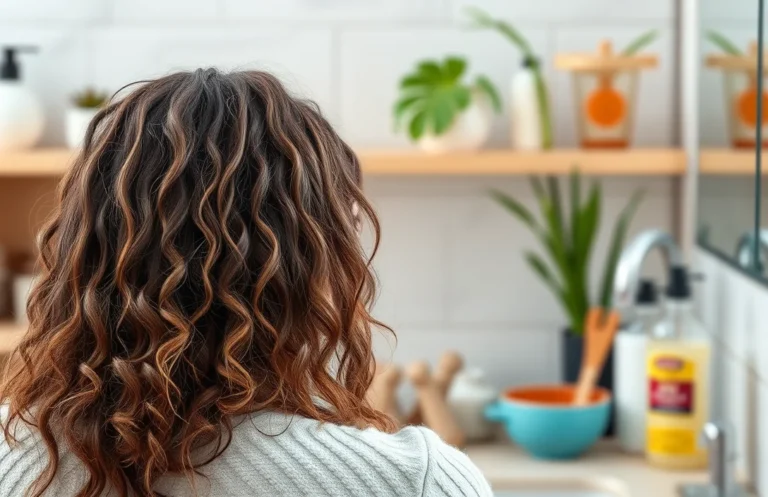
Curl patterns and coarseness play significant roles in detangling efficiency. Curly hair often needs a wider-toothed comb or a specialized detangling brush to glide through without disrupting the curl pattern. Using tools specifically designed for textured hair can minimize frizz and maintain the integrity of your curls.
Length also determines the best brush for detangling. Long hair may require a paddle brush or a detangling brush that can cover more surface area and efficiently remove knots. Short hair can often be detangled with a smaller brush, which allows for more control and precision.
Overall, selecting the correct brush based on hair texture enhances detangling success. Experiment with different brushes to find what best suits your hair type. Observing how your hair responds will guide you to the most effective tool for achieving smooth, tangle-free strands.
Brush Materials and Their Effects
Brush materials significantly influence detangling effectiveness. Natural bristles, such as boar hair, glide smoothly through hair, minimizing breakage. These materials are gentle on the scalp and distribute natural oils, enhancing hair health while detangling. In contrast, synthetic bristles can create static and may not slide as effortlessly through knots.
Wooden brushes offer a unique advantage, as they reduce frizz and static. Their smooth surfaces allow for gentle detangling, especially in thick or wavy hair. Moreover, they are often more durable than plastic counterparts, making them a long-term investment for hair care.
Plastic brushes vary widely in design and effectiveness. Many have widely spaced teeth, which can effectively detangle without pulling. However, sharper edges may snag hair, leading to damage. Selecting a plastic brush with rounded tips can enhance comfort and minimize breakage.
Metal brushes are less common but can be beneficial for specific hair types. They can provide a strong grip and are often used in professional settings for styling. Caution is necessary, as metal can tug at delicate hair. Always assess your hair’s needs before opting for this type.
When to Detangle Hair
Brushing should occur at specific times for optimal results. Ideal moments include after washing, when hair is damp but not soaking wet. This timing allows for easier detangling, reducing the risk of breakage. Use a wide-tooth comb or a detangling brush to gently work through knots without causing damage.
Morning routines can also benefit from brushing. Starting your day with a detangle session can help smooth out tangles that formed overnight. Ensure the hair is dry and use gentle strokes to maintain healthy strands. Avoid aggressive pulling to minimize stress on the hair.
Post-exercise detangling is crucial for those who sweat. Hair can become tangled due to moisture and friction, so addressing it promptly can prevent further knotting. Use a detangling spray for added slip, making the process smoother and more efficient.
Seasonal changes impact hair texture, making timing essential. During humid months, hair may tangle more easily, requiring frequent detangling sessions. Conversely, in dry seasons, detangling can be less frequent but should still be part of your routine to maintain hair health.
Alternatives to Hair Brushes
Detangling combs provide an effective alternative. Designed specifically for untangling hair, these combs often feature wide-spaced teeth that gently glide through knots without causing damage. Opt for a comb made from flexible materials to reduce breakage and discomfort during the process. This tool is especially beneficial for thick or curly hair types.
Finger detangling is another method worth considering. Using your fingers to separate hair strands helps to minimize breakage and allows for greater control over knots. This technique can be particularly advantageous when your hair is wet and conditioned, making it easier to manage tangles while distributing products evenly.
Wide-tooth combs serve as an excellent choice for detangling. Their spacing prevents hair from getting caught, which can lead to less pulling and tearing. Look for options made from smooth materials to ensure a snag-free experience, especially for wet hair, as this is when strands are most vulnerable.
Heat tools can also assist in detangling. Using a blow dryer with a concentrator nozzle on a low heat setting allows for easier styling and detangling simultaneously. Be cautious with the temperature to prevent hair damage, and always apply a heat protectant beforehand.
Maintenance for Effective Detangling
Keeping brushes clean is essential. Regularly remove hair strands from your brush after each use. This prevents buildup and ensures that the tool remains effective for detangling. Use your fingers or a comb to pull out any trapped hair, and dispose of it properly.
Cleaning brushes promotes hygiene. Wash your brush with warm water and mild shampoo every few weeks. This removes oils, product residue, and dirt that can accumulate over time. Rinse thoroughly to avoid any soap residue, which can affect performance.
Inspect bristles for damage. Regularly check for bent or broken bristles, as these can snag hair and cause breakage. If you notice any issues, consider replacing the brush. A well-maintained brush not only detangles effectively but also minimizes hair damage.
Storing brushes properly extends lifespan. Keep your brush in a dry place, away from direct sunlight and humidity. Consider using a protective case or cover to avoid dust accumulation. Proper storage helps maintain the shape and integrity of the bristles.
Quick Summary
- Hair brushes can be effective for detangling, especially those designed specifically for this purpose.
- Wide-tooth combs are often recommended for wet hair to minimize breakage.
- Brushes with flexible bristles reduce pulling and damage to the hair.
- Detangling brushes can help distribute natural oils from the scalp to the ends of the hair.
- Regular brushing can prevent knots and tangles from forming.
- Choosing the right brush depends on hair type, texture, and length.
- Using a detangling spray or conditioner can enhance the effectiveness of brushes.
Frequently Asked Questions
Are hair brushes effective for detangling hair?
Yes, hair brushes can be effective for detangling hair, especially when used correctly. Look for brushes designed specifically for detangling, as they often have flexible bristles that minimize breakage and reduce pain.
What type of hair brush is best for detangling?
Wide-tooth combs, paddle brushes, and detangling brushes are generally the best options for detangling. These types help to gently remove knots without causing excessive pulling or damage to the hair.
Should I detangle my hair when it’s wet or dry?
It is usually recommended to detangle your hair when it is wet and conditioned, as this can make it easier to manage. However, some people prefer to detangle dry hair, especially if they are using a specific type of brush designed for this purpose.
Can using a hair brush damage my hair while detangling?
Using a hair brush improperly can lead to damage, such as breakage and split ends. To minimize damage, work from the ends of your hair upwards and use a brush with flexible bristles that can glide through knots without pulling.
How often should I detangle my hair?
The frequency of detangling depends on your hair type and texture. Generally, it’s a good idea to detangle your hair every few days or whenever you notice knots, but be gentle to avoid causing stress to your strands.

- Medium Hairstyles for School: 25 Best Looks That Are Easy - March 31, 2026
- Hairstyles for Medium Hair for School: Easy and Stylish - March 31, 2026
- Hairstyles for Medium Length Hair for School: 28 Styles That Are Easy - March 31, 2026