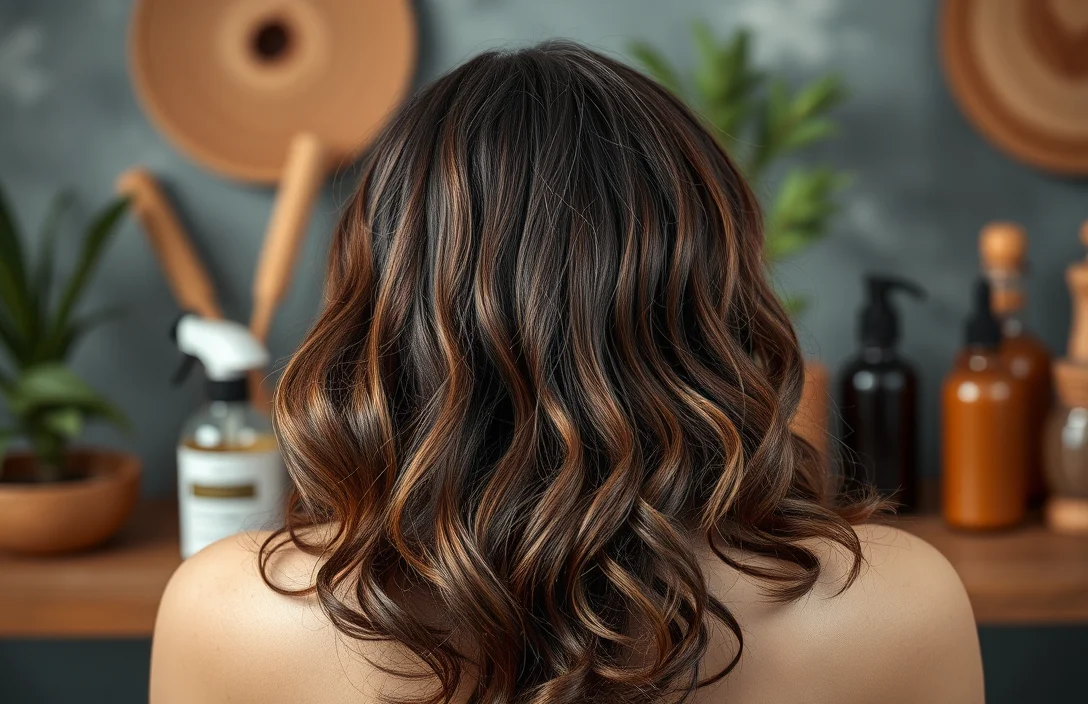
Hair Oils vs. Serums: Evaluating Their Benefits for Hair Health
Studies show that hair oils can penetrate the hair shaft, delivering nutrients directly to the core, while serums primarily coat the hair surface. This fundamental difference raises the question: are hair oils truly better than serums for hair health and styling?
Comparing products reveals that hair oils nourish and moisturize deeply, while serums offer shine and frizz control. Each has unique benefits, making the choice dependent on hair type and desired results.
Hair Oils: Composition and Benefits
Natural ingredients define hair oils, providing essential nutrients for healthy hair. Commonly used oils include coconut, argan, jojoba, and olive. Each oil offers distinct benefits, such as hydration, shine, and nourishment, making them effective for various hair types.
Rich in fatty acids, these oils penetrate hair shafts, promoting moisture retention. Essential vitamins like E and K also contribute to scalp health, reducing inflammation and supporting hair growth. Regular application can lead to stronger, more resilient hair.
- Coconut oil: Deeply moisturizes and protects against damage.
- Argan oil: Rich in antioxidants, enhances shine and softness.
- Jojoba oil: Mimics natural scalp oils, balancing sebum production.
- Olive oil: Strengthens and nourishes, ideal for dry hair.
Application methods enhance effectiveness, such as warm oil treatments or overnight masks. These practices allow oils to fully absorb, maximizing their benefits. Many find hair oils preferable due to their natural composition, leading to a healthier overall appearance.
Moisture Retention: Oils vs. Serums
Moisturizing properties differ significantly between oils and serums. Oils primarily focus on sealing in moisture, forming a barrier that prevents water loss from the hair shaft. Serums, on the other hand, often contain lighter ingredients that may provide some hydration but mainly focus on enhancing shine and reducing frizz.
- Oils penetrate deeply into hair. Rich in fatty acids, they nourish strands and improve moisture retention significantly. This deep penetration helps to lock in hydration, making them excellent for dry or damaged hair.
- Serums typically stay on the surface. Formulated with silicones and lightweight oils, they coat the hair, providing a smooth finish. While they can add shine, they do less for moisture retention compared to oils.
- Oils can be used in various ways. Applying them before washing can protect against moisture loss, while using them after styling can seal in hydration and enhance shine. This versatility makes oils a preferred choice for many hair types.
- Serums work best for styling benefits. They help tame frizz and add a polished look. Despite their benefits, they are not as effective at providing long-lasting moisture compared to oils.
Evaluating moisture retention capabilities reveals oils as a superior option for maintaining hydration in hair. While serums have their place, oils generally outperform them in moisture retention.
Styling Benefits: Oils Compared to Serums
Oils enhance styling by providing flexibility and shine. Their natural properties allow for a lightweight finish that does not weigh hair down. Unlike serums, which often focus on frizz control and hold, oils can create a more natural, tousled look. This makes them ideal for various hairstyles, from sleek ponytails to beachy waves.
- Applying oils pre-styling can improve manageability. Distributing a small amount through damp hair will help detangle strands, making them easier to style. It also prevents heat damage when using styling tools.
- Incorporating oils as a finishing touch adds shine. A few drops can be rubbed between palms and lightly smoothed over styled hair, enhancing its luster and reducing any residual frizz without making hair greasy.
- Using oils for braids or updos can enhance definition. They provide a nourishing barrier that helps keep styles intact while adding subtle texture and separation, ensuring that the overall look remains polished.
- Experimenting with different oils yields various results. Oils like argan and jojoba are lighter, while coconut oil offers more weight. Understanding these differences allows for more tailored styling approaches based on hair type and desired outcome.
Application Methods: Oils and Serums
Applying oils and serums correctly maximizes their effectiveness. Start with clean, damp hair, as this allows for better absorption. Use a small amount of product, roughly a dime-sized portion, and warm it between your palms to activate its properties before application.
Distributing products evenly is crucial for optimal results. Section your hair into manageable parts and apply the oil or serum from mid-length to the ends. Avoid the roots if you have fine or oily hair to prevent greasiness.
Massaging the product into your hair enhances absorption and stimulates the scalp. Use your fingertips to gently work the product in, focusing on areas that need extra care. This technique can promote blood circulation, which benefits hair health.
Timing plays a significant role in application. For oils, apply them as a pre-shampoo treatment or leave them in overnight for deep conditioning. Serums can be used on dry hair as a finishing touch to tame frizz and add shine.
Regular application is essential for consistent results. Establish a routine based on your hair type and specific needs. Consistency helps you determine what works best, ultimately answering the debate of whether oils or serums are superior for your hair health.
Quick Summary
- Hair oils provide deep nourishment and hydration to the hair, making them ideal for dry or damaged hair types.
- Serums often focus on styling benefits, such as frizz control and shine enhancement, rather than deep conditioning.
- Oils can be used as a pre-shampoo treatment or added to regular hair care routines for extra moisture.
- Hair serums typically contain silicones that create a protective barrier, helping to smooth the hair’s surface.
- Users may prefer oils for their natural ingredients, while serums may offer more immediate styling results.
- Both products can complement each other; using oil for nourishment and serum for styling can lead to optimal results.
- Choosing between oils and serums depends on individual hair type, concerns, and desired outcomes.
Frequently Asked Questions
1. What is the main difference between hair oils and serums?
Hair oils are typically made from natural plant extracts and are designed to nourish and moisturize the hair. Serums, on the other hand, are often silicone-based and focus on providing shine and smoothing out frizz.
2. Can hair oils help with dry or damaged hair?
Yes, hair oils are excellent for treating dry or damaged hair as they penetrate the hair shaft and provide deep hydration. Regular use can improve the overall health and appearance of your hair.
3. Are serums effective for controlling frizz?
Yes, serums are specifically formulated to smooth the hair cuticle and reduce frizz. They create a protective barrier that helps maintain sleekness and shine, especially in humid conditions.
4. Which is better for daily use?
Hair oils can be used daily for added moisture and nourishment, while serums are typically used sparingly to avoid weighing hair down. It often depends on your hair type and specific needs.
5. Can I use both hair oils and serums together?
Yes, you can use both products in your hair care routine. Apply hair oil for nourishment and then follow with a serum to seal in moisture and control frizz for a polished look.

- Medium Hairstyles for School: 25 Best Looks That Are Easy - March 31, 2026
- Hairstyles for Medium Hair for School: Easy and Stylish - March 31, 2026
- Hairstyles for Medium Length Hair for School: 28 Styles That Are Easy - March 31, 2026