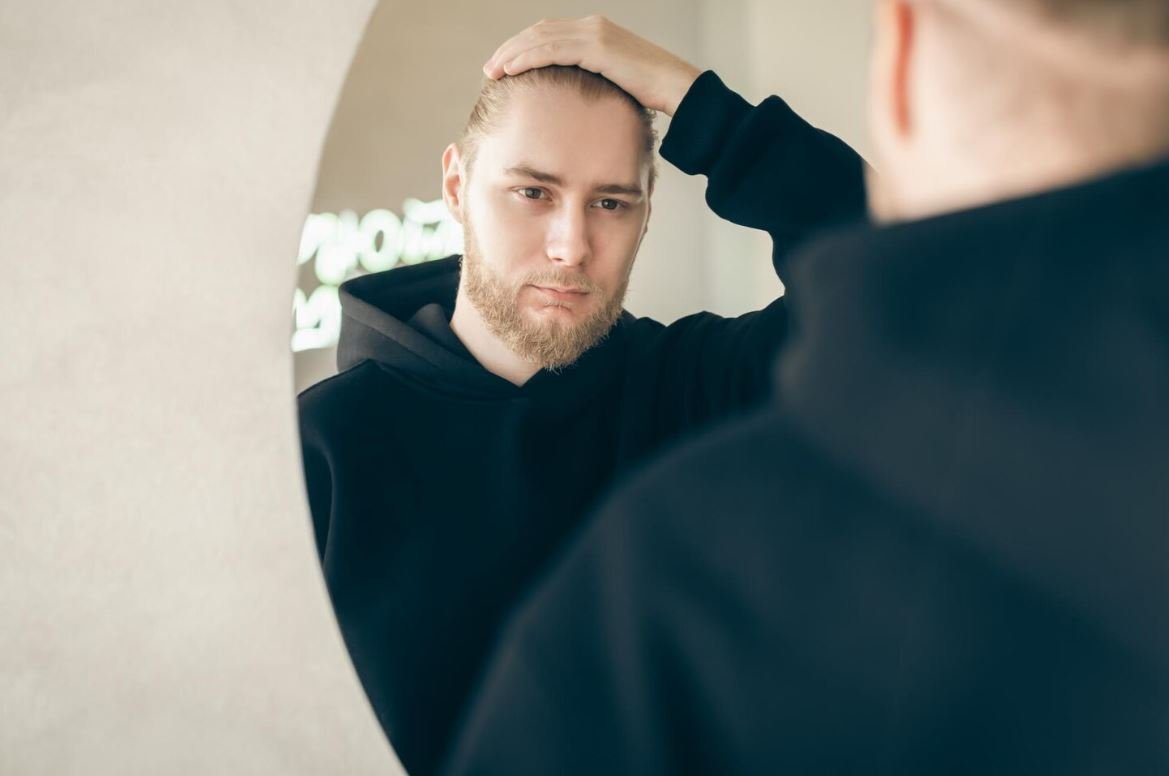
How to Fix Hair Thinning Male – Proven Guide
Hair thinning affects millions of men worldwide, and the frustration of watching your hairline recede or your crown thin out is completely valid.
But here’s the truth how to fix hair thinning male is a question with real, proven answers. Thanks to advances in dermatology, AI-driven diagnostics, and AEO-optimized health information, men today have access to more effective solutions than ever before.
Whether your thinning started at 20 or 50, whether it’s genetic or lifestyle-driven, there are treatments that genuinely work.
This guide cuts through the noise and gives you a clear, honest, science-backed plan — from identifying the root cause to building a daily routine that slows thinning, stimulates regrowth, and protects the hair you still have. Start here. Start now.
What Is Male Hair Thinning and Why Does It Happen?
Male hair thinning is the gradual reduction in hair strand diameter, density, or scalp coverage over time. It’s not the same as sudden shedding it’s a slow process that often goes unnoticed until a significant amount of hair is already lost.
The most common form is androgenetic alopecia, better known as male pattern baldness, which follows a predictable path from a receding hairline to crown thinning and eventually broader scalp exposure.
What Is the Norwood Scale?
The Norwood Scale is the standard classification system for male hair loss, running from Type I (minimal recession) to Type VII (extensive baldness).
Knowing where you fall on this scale helps determine the most appropriate treatment. Types I through IV respond best to medical and topical treatments, while Types V through VII may require more advanced interventions like hair transplant surgery.
Is Male Hair Thinning Genetic or Lifestyle-Related?
The honest answer is usually both. Genetics determines your follicle sensitivity to DHT (the hormone most responsible for male pattern thinning), but lifestyle factors like chronic stress, poor nutrition, inadequate sleep, and harsh hair practices all accelerate the process
. A man genetically predisposed to hair thinning who also has poor sleep habits, a low-protein diet, and high stress levels will experience faster and more severe thinning than someone who manages those factors well.
Why Does Hair Thinning Get Worse Over Time in Men?
How Does DHT Shrink Hair Follicles?
DHT dihydrotestosterone is produced when the enzyme 5-alpha reductase converts testosterone.
In men with genetic sensitivity, DHT binds to androgen receptors in hair follicles and triggers a miniaturization process. Each affected follicle produces progressively shorter, finer hairs over successive growth cycles until it eventually stops producing hair altogether. This process is gradual but cumulative which is why early intervention matters so much.
What Other Factors Speed Up Male Hair Thinning?
Beyond DHT and genetics, several other factors contribute to accelerated hair thinning in men. Chronic stress triggers telogen effluvium a condition where large numbers of follicles prematurely enter the shedding phase, causing noticeable diffuse thinning within two to three months of a stressful period.
Poor diet, particularly low protein and iron intake, deprives follicles of the raw materials they need to produce hair. Scalp inflammation from dandruff, seborrheic dermatitis, or product buildup creates a hostile environment that shortens the hair growth cycle over time.
Does Age Always Make Male Hair Thinning Worse?
Age does increase DHT accumulation in scalp tissue, which is why hair thinning typically progresses with time.
However, age alone isn’t the deciding factor men who start treatment early and maintain it consistently can preserve significantly more hair into their 40s, 50s, and beyond compared to those who do nothing. The earlier you act, the more follicles you protect before they become permanently inactive.
How Can You Diagnose the Real Cause of Your Hair Thinning?
Before starting any treatment, it’s worth taking fifteen minutes to identify what’s actually driving your hair loss. Treating the wrong cause wastes time, money, and potentially makes things worse.
What Blood Tests Should Men Get for Hair Thinning?
Ask your doctor for a comprehensive hair loss panel that includes ferritin and serum iron, vitamin D, zinc, thyroid function (TSH, free T3, free T4), testosterone and DHT levels, and a complete blood count. These tests identify whether nutritional deficiencies or hormonal imbalances are contributing to your thinning — both of which are treatable causes that don’t require long-term medication.
How Can You Tell If It’s Pattern Baldness vs. Another Cause?
Pattern baldness follows a specific path — temples and crown are affected first, and there’s usually a family history on either or both sides. If your thinning is diffuse (spread evenly across the scalp), sudden, or accompanied by fatigue, weight changes, or skin issues, a non-genetic cause like thyroid dysfunction, anemia, or telogen effluvium is more likely. A dermatologist can confirm through a scalp examination or trichoscopy.
What Are the Best Proven Treatments for Male Hair Thinning?
Does Minoxidil Actually Work for Men?
Minoxidil is FDA-approved and clinically proven to slow hair loss and stimulate regrowth in men. It works by widening scalp blood vessels, improving nutrient delivery to follicles, and extending the anagen (active growth) phase of the hair cycle. The 5% foam formulation is most commonly recommended for men — applied directly to a dry scalp once or twice daily. Results begin appearing at three to four months and peak around twelve months of consistent use.
One critical point: minoxidil requires long-term commitment. Stopping it causes the regrowth it produced to shed within three to four months, reverting to baseline. Think of it as maintenance, not a cure.
Is Finasteride the Most Effective Treatment for Male Pattern Baldness?
For men with androgenetic alopecia, finasteride is the most effective single treatment available. It’s a prescription oral medication that blocks 5-alpha reductase — the enzyme that converts testosterone to DHT — reducing scalp DHT levels by up to 70%. Clinical studies show it stops progression in over 80% of men and produces visible regrowth in approximately 65% with consistent daily use.
Finasteride is typically well-tolerated, but a small percentage of men report sexual side effects. These are reversible upon stopping the medication in most cases. The decision to use it should involve a conversation with your doctor, especially if you’re under 40.
What About Combining Minoxidil and Finasteride?
Combining both treatments produces significantly better results than either alone — this is the most commonly recommended medical approach for male pattern thinning today. Minoxidil stimulates follicle activity from the outside while finasteride removes the primary hormonal driver of thinning from the inside. Together, they address the condition from two distinct mechanisms, which is why combination therapy is now considered the gold standard in male hair loss treatment.
Can Ketoconazole Shampoo Help Men With Hair Thinning?
Yes — ketoconazole has documented anti-androgenic properties and reduces scalp DHT levels with regular use. Studies show that using a 1–2% ketoconazole shampoo two to three times per week improves hair density and works synergistically with minoxidil. It also addresses scalp inflammation and seborrheic dermatitis — both of which worsen hair thinning. It’s inexpensive, widely available, and has essentially no downside for men dealing with thinning.
Is PRP Therapy a Good Option for Men?
Platelet-rich plasma therapy is an in-clinic procedure where your own blood is drawn, processed to concentrate growth factors, and injected into thinning areas of the scalp. Clinical evidence supports its effectiveness for androgenetic alopecia in men — particularly in the early to mid stages. Most protocols involve three to four sessions spaced four to six weeks apart, followed by maintenance sessions every six to twelve months. It’s more expensive than topical treatments but produces results that are often visible and lasting.
How to Fix Hair Thinning Male: Step-by-Step Guide
Step 1: Assess and Classify Your Hair Loss Stand in good lighting and compare your current hairline and crown density to photos from two to three years ago. Identify your approximate Norwood stage. Note whether thinning is patterned or diffuse, and whether there’s a family history of baldness.
Step 2: Get a Blood Test Book a GP or dermatology appointment and request the full hair loss panel mentioned earlier. This rules out or confirms nutritional and hormonal contributors before you spend money on treatments.
Step 3: Start Minoxidil 5% Foam Apply to a completely dry scalp — not damp hair — focusing on the thinning areas. Use once or twice daily as directed. Set a daily phone reminder to maintain consistency. Give it a full four months before evaluating results.
Step 4: Discuss Finasteride With Your Doctor If your thinning is clearly pattern-related and progressive, discuss finasteride with your GP or a dermatologist. If prescribed, take 1mg daily consistently. Track any side effects and report them to your doctor promptly.
Step 5: Switch to a Hair-Supportive Shampoo Replace your current shampoo with one containing ketoconazole, caffeine, saw palmetto, or niacinamide. Use it two to three times per week, leaving it on the scalp for two to three minutes before rinsing. Don’t apply conditioner to the scalp — roots only.
Step 6: Optimize Your Diet for Hair Growth Increase your daily protein intake (aim for at least 1g per kg of body weight). Add iron-rich foods like red meat, lentils, and spinach. Include zinc sources such as pumpkin seeds, beef, and chickpeas. Reduce alcohol, which depletes zinc and elevates inflammatory markers that impair follicle function.
Step 7: Add Daily Scalp Massage Spend five to ten minutes daily massaging your scalp with firm fingertip pressure using circular motions. Research from Aderans Research Institute confirmed that daily scalp massage increased hair thickness over 24 weeks. Add two to three drops of diluted rosemary oil for additional benefit — it’s the best-evidenced natural growth stimulant currently available.
Step 8: Manage Stress and Prioritize Sleep Chronic high cortisol is a sustained trigger for hair shedding. Build a concrete stress management routine: exercise at least four times per week, limit caffeine after 2pm, and target seven to nine hours of quality sleep. Growth hormone — released primarily during deep sleep — is essential for follicle repair and regeneration.
Step 9: Protect Existing Hair Stop using tight hats or hair ties, reduce heat styling, and avoid harsh chemical products. Brush gently with a wide-tooth comb. Switch to a silk or satin pillowcase to reduce overnight friction and breakage. These protective habits compound over months.
Step 10: Review Progress at 3 and 6 Months Take monthly photos from the same angle in consistent lighting. At three months, evaluate shedding — reduced shedding is the first sign of success. At six months, evaluate density and regrowth. If progress is insufficient, consult a dermatologist about PRP, prescription topicals, or other advanced options.
Tips to Get Better Results When Fixing Male Hair Thinning
- Combine treatments. Minoxidil plus finasteride plus ketoconazole shampoo outperforms any single product — always layer your approach.
- Apply minoxidil to a completely dry scalp. Moisture dilutes it and reduces absorption by up to 50%.
- Never miss more than two consecutive applications of minoxidil. Consistency is the single biggest predictor of results.
- Don’t judge at eight weeks. Early increased shedding after starting minoxidil is normal and temporary — it means the treatment is cycling out old hairs to make way for new growth.
- Eat enough calories overall. Even eating healthy foods in a large caloric deficit triggers shedding. Don’t combine hair recovery with aggressive weight loss.
- Stay hydrated. Dehydration impairs scalp circulation and cellular activity in follicles — drink at least two liters of water daily.
- Use a scalp serum with proven actives. Serums containing redensyl, procapil, or anagain have emerging clinical evidence for hair retention and can complement topical minoxidil.
- See a dermatologist proactively — not reactively. Don’t wait until thinning is severe. An early consultation gives you more options and better outcomes.
Common Mistakes to Avoid When Fixing Male Hair Thinning
Waiting too long before starting treatment. This is the most costly mistake men make. Every month of untreated thinning means more follicle miniaturization and fewer options. If you notice thinning, start addressing it this week — not next year.
Applying minoxidil to damp or wet hair. It sounds minor but it significantly reduces efficacy. Always apply to a completely dry scalp and wait at least four hours before washing.
Quitting minoxidil after six weeks with no visible results. Minoxidil requires a minimum of three to four months before visible results appear. Stopping early means you never gave it a real chance — and the initial shedding phase that discourages many men is actually proof the product is working.
Only using one treatment. Men who rely solely on an expensive shampoo or a single supplement and expect significant results will be disappointed. Effective treatment requires a multi-angle approach targeting DHT, scalp health, nutrition, and follicle stimulation simultaneously.
Ignoring scalp health. Applying minoxidil or growth serums to an inflamed, flaky, or clogged scalp reduces their effectiveness. Always address seborrheic dermatitis, dandruff, or scalp buildup before or alongside growth treatments.
Self-diagnosing without testing. Assuming it’s purely genetic and starting DHT-blocking treatments when the real cause is a thyroid condition or iron deficiency is a waste of time and potentially harmful. Test first.
Over-supplementing without deficiency. Taking high-dose biotin, zinc, or iron without confirmed deficiency can cause side effects — including worsened hair shedding in the case of excess selenium or vitamin A. Supplement strategically based on your blood results.
FAQs
Can male hair thinning be reversed completely?
It depends on the cause and stage. Thinning caused by stress, nutritional deficiency, or hormonal imbalance is often fully reversible. Pattern baldness caused by DHT can be slowed and partially reversed — especially in early stages — but rarely reversed completely without hair transplant surgery. Early treatment consistently produces better outcomes than late intervention.
How long does it take to see results from male hair thinning treatment?
Most treatments show initial results at three to four months, with significant improvement at six to twelve months of consistent use. Reduced shedding is usually the first noticeable change, followed by increased density and new growth. Patience and consistency are non-negotiable — hair grows slowly and works within natural biological cycles.
Is finasteride safe for long-term use in men?
Long-term studies spanning over ten years show finasteride is generally safe for most men with continued effectiveness. A small minority (around 1–2%) experience sexual side effects, which are reversible upon discontinuation in most cases. Regular check-ins with your doctor are recommended for long-term users, especially those over 50.
Does stress really cause hair thinning in men?
Yes — significantly. Chronic stress elevates cortisol, which disrupts the hair growth cycle and pushes follicles into premature shedding. This condition (telogen effluvium) can cause dramatic, sudden-seeming thinning two to three months after a stressful period. The good news is it’s fully reversible once stress levels normalize and the body recovers.
What is the best shampoo for male hair thinning?
Shampoos won’t regrow hair on their own, but the best options for thinning hair contain ketoconazole (reduces scalp DHT and inflammation), caffeine (stimulates follicle metabolism), or saw palmetto (natural DHT blocker). Use them two to three times per week as part of a broader treatment plan — not as your only intervention.
At what age should men start treating hair thinning?
As soon as you notice it. Hair thinning is easiest to treat in the early stages — Norwood Types I to III — when more follicles are still active. Men in their twenties who address early thinning aggressively have the best long-term outcomes. There is no benefit to waiting, and significant cost to delay.
Can a hair transplant fix male hair thinning permanently?
Hair transplants (FUE or FUT) can restore hair in areas of significant loss and produce permanent results because transplanted follicles are taken from DHT-resistant zones. However, they don’t stop ongoing thinning in non-transplanted areas — which is why medical treatment (minoxidil and/or finasteride) is still needed post-transplant to protect remaining native hair.
Conclusion
Fixing male hair thinning is entirely achievable but it requires the right information, the right treatments, and genuine consistency over time.
The core message of this guide is straightforward: act early, identify the real cause, combine proven treatments, and give them enough time to work.
Minoxidil and finasteride remain the most clinically effective tools available, supported by scalp care, diet optimization, stress management, and daily habits that protect your follicles.
Stop waiting for the problem to resolve itself it won’t. Start with one step today, build your routine over the next few weeks, and stay consistent for the next six months. Your future self will thank you.

- Does Summer Really Boost Hair Growth Speed? Insights and Facts - March 31, 2026
- Medium Hairstyles for School: 25 Best Looks That Are Easy - March 31, 2026
- Hairstyles for Medium Hair for School: Easy and Stylish - March 31, 2026