Hair Brushes vs. Combs: Which Is More Effective for Styling?
Studies show that using hair brushes can reduce breakage by up to 30% compared to combs. This statistic highlights the potential benefits of choosing the right tool for your hair care routine. Brushes not only detangle but also distribute natural oils, promoting healthier hair.
Experts suggest that brushes are better for styling while combs excel at detangling. Brushes work well on longer hair, while combs are ideal for short hair. Ultimately, the best choice depends on your hair type and styling needs.
Styling Techniques with Brushes
Brushes enhance styling by providing better control over hair texture and shape. Depending on the type of brush used, you can achieve various looks, from sleek and straight to voluminous curls. Selecting the right brush can make a significant difference in the final result, allowing for more creativity in styling.
- Round brushes create volume and curls. Begin by sectioning hair into manageable parts. Wrap sections around the brush, using a blow dryer for heat. Rotate the brush while pulling it downward for bouncy curls or outward for volume.
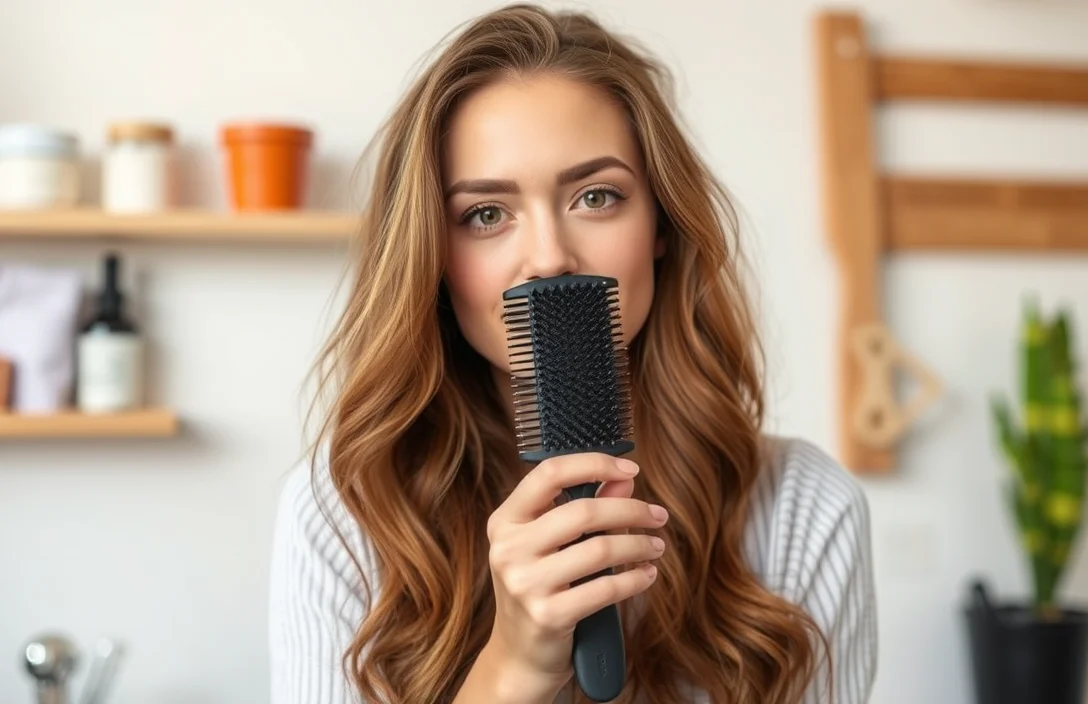
- Paddle brushes smooth and straighten. Start with damp hair and use a paddle brush to glide through from roots to ends. Ensure that the brush is wide enough for your hair texture to minimize pulling and breakage.
- Vent brushes speed up drying. Use these with a blow dryer to reduce drying time. Their design allows air to circulate, quickly removing moisture while styling. This tool is particularly effective for achieving a straight look with less heat damage.
- Boar bristle brushes distribute oils. Utilize this type for polished finishes. As you brush, natural oils travel from the scalp to the hair ends, promoting shine and reducing frizz. Perfect for maintaining your style throughout the day.
- Teasing brushes add volume at the roots. For a voluminous effect, backcomb sections of hair at the crown using a teasing brush. This technique lifts hair away from the scalp, creating an instant boost in fullness.
Combing for Detangling
Combs excel in detangling hair effectively. The design allows for precise separation of strands, reducing breakage. Wide-toothed combs work wonders on wet hair, easing tension and minimizing damage. Using gentle strokes from the ends to the roots helps to dislodge knots without pulling harshly.
Teeth spacing matters significantly. A comb with widely spaced teeth is ideal for thick or curly hair, while narrower teeth suit finer textures. This variation ensures that different hair types receive the right care and attention, promoting health while removing tangles.
Technique plays a crucial role as well. Sectioning the hair into manageable parts simplifies the process, allowing you to focus on one area at a time. This method not only improves efficiency but also ensures that each section is detangled thoroughly.
Regular combing maintains hair health. Frequent detangling sessions, especially on wet hair, prevent mats and tangles from forming. Incorporating detangling products, like sprays or creams, can further ease the process, enhancing the comb’s effectiveness in achieving smoothness.
Volume and Texture with Brushes
Brushes excel at creating volume and texture, providing a distinct advantage over combs. Their bristles lift hair at the roots and help separate strands, resulting in a fuller appearance. Whether you’re styling for a special occasion or everyday wear, using the right brush can make a significant difference in your hair’s overall look.
- Choose a round brush for curls. Round brushes lift hair while blow-drying, allowing you to create beautiful, voluminous waves.
- Pick a paddle brush for smoothing. Paddle brushes effectively detangle and smooth hair while adding some natural volume at the roots.
- Opt for a vent brush for quick drying. Vented brushes allow air to flow through, facilitating faster drying and enhancing volume.
- Experiment with different bristle types. Natural bristles distribute oils and enhance shine, while synthetic bristles can add more volume.
- Use the right technique. Position the brush at the roots and pull through the hair in sections to maximize lift and texture.
Brushes enable versatile styling options, making them ideal for those seeking to elevate their hair game. Embracing these tools can lead to more dynamic hairstyles, showcasing your creativity in every look.
Heat Distribution in Styling
Brushes excel at heat distribution, making them preferable for styling with heated tools. Their design allows for better airflow and surface contact, which helps to evenly distribute heat across the hair shaft. This prevents hot spots and ensures a more consistent styling result. Using brushes with blow dryers or flat irons can enhance the effectiveness of these tools significantly.
- Choose a brush with vented bristles. Vented brushes facilitate airflow, promoting quicker drying and styling. The space between bristles allows hot air to circulate effectively.
- Opt for ceramic or tourmaline brushes. These materials help retain and distribute heat evenly, reducing damage and improving results when styling. They create smooth finishes and minimize frizz.
- Consider brush size based on hair length. Larger brushes work best for long hair, while smaller brushes can provide more control for short styles. Matching the brush size to your hair type enhances styling efficiency.
- Utilize brush techniques for volume. Rolling the brush at the roots while applying heat can create lift and body. This technique maximizes the brush’s potential during styling.
- Experiment with different textures. Some brushes feature mixed bristle types, which combine the benefits of both natural and synthetic materials. These can aid in heat retention and styling versatility.
Combs for Precision Styling
Combs excel in providing precision when styling hair. Their fine teeth can create defined parts and smooth out tangles without disrupting the overall style. This makes them ideal for achieving a polished look, especially for intricate hairstyles.
Precision cutting relies on combs, particularly in professional settings. Hairdressers utilize various combs to achieve the desired lengths and angles. Key benefits include:
- Fine-toothed combs for detailed sections.
- Wide-toothed combs for gentle detangling.
- Tail combs for creating sharp parts.
Incorporating combs into your styling routine enhances control over the hair. You can manage specific areas, ensuring that every section is styled exactly as intended. Using combs helps avoid the fluffiness that brushes may cause, maintaining sleekness.
Ultimately, these tools offer versatility for both straight and curly hair types. Emphasizing precision, combs allow for tailored styling that brushes often cannot achieve. With the right comb, you can effortlessly manipulate your hair into any desired shape.
Hair Type Considerations
Fine hair benefits most from brushes designed with softer bristles that prevent breakage. Using a paddle brush or a boar bristle brush can distribute natural oils effectively while minimizing damage. Opting for a wide-tooth comb also aids in detangling without pulling, crucial for maintaining the integrity of fine strands.
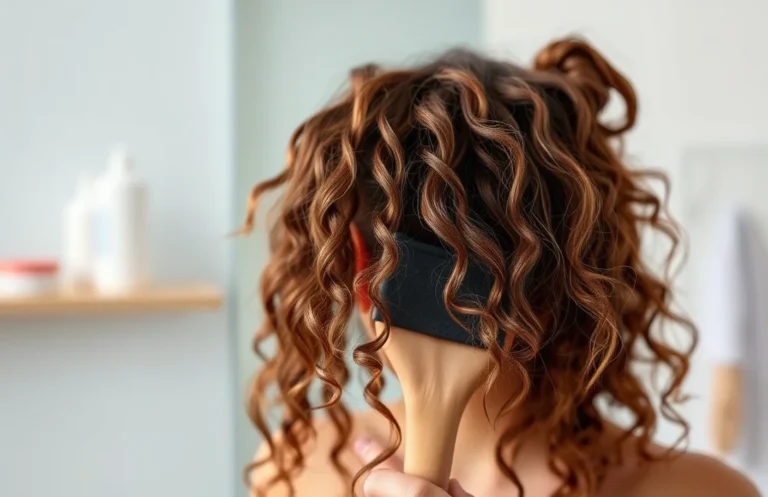
Curly hair often requires tools that enhance its structure. A wide-tooth comb is ideal for detangling curls without disrupting their form. Brushes can sometimes cause frizz, so using a specialized detangling brush designed for curly hair is advisable. These tools help maintain curl definition and reduce breakage.
Thick hair typically benefits from sturdy brushes with stronger bristles. A round brush can help create volume and shape while blow-drying. Conversely, using a wide-tooth comb can effectively detangle thick hair post-wash without excessive pulling, ensuring a smoother finish without damage.
Textured hair requires specific care to prevent frizz and breakage. Detangling brushes or combs designed for thick, curly, or wavy hair work best. Avoiding fine-tooth combs is important, as they can lead to breakage. Instead, opt for tools that glide through without snagging.
Color-treated hair needs gentle handling to avoid damage. Soft-bristle brushes are recommended to minimize breakage while distributing oils. A wide-tooth comb can also help manage tangles without compromising the hair’s color integrity, making it a preferred choice for maintaining healthy, vibrant locks.
Maintenance and Care Differences
Cleaning frequency varies significantly between brushes and combs. Brushes often accumulate hair, oils, and product residue, requiring more regular cleaning. A weekly scrub with soap and water, followed by thorough drying, ensures optimal performance. Combs, on the other hand, generally require less maintenance, needing only occasional wipes or rinses to remove debris.
Materials used affect care routines. Plastic combs are usually more resistant to damage and can tolerate harsher cleaning methods. Wooden brushes, however, require gentle handling and specific cleaning solutions to maintain their finish and longevity. Choosing the right cleaning product for the material extends the life of these tools.
| Tool Type | Cleaning Frequency | Care Method |
| Brush | Weekly | Soap and water; air dry |
| Comb | Monthly | Wipe or rinse |
| Wooden Brush | Bi-weekly | Gentle cleaners; avoid soaking |
Proper storage also plays a role. Brushes should lie flat or hang to avoid bristle damage, while combs can safely be stored in drawers or cases. Ensuring tools are stored correctly prevents wear over time and supports their effectiveness.
Quick Summary
- Hair brushes are generally better for detangling and smoothing hair compared to combs.
- Combs are often preferred for precise styling and sectioning, especially for shorter hair.
- Brushes can distribute natural oils from the scalp, promoting healthier hair.
- Combs are typically more portable and can be easier to use in tight spaces.
- Different hair types may require different tools; brushes for thick hair and combs for fine hair.
- Brushes come in various materials, affecting their performance and suitability for different hair textures.
- Using the right tool can minimize hair breakage and improve overall hair health.
Frequently Asked Questions
Are hair brushes better than combs for detangling hair?
Hair brushes are generally more effective for detangling, especially for longer hair, as they can cover a larger area and work through knots more easily. However, the best choice often depends on your hair type; for example, wide-tooth combs are great for wet hair and curly textures.
What are the benefits of using a hair brush over a comb?
Hair brushes can help distribute natural oils from the scalp throughout the hair, promoting shine and reducing frizz. Additionally, brushes often come in various shapes and sizes, catering to different styling needs and hair types.
Can using a brush damage my hair?
Using the wrong type of brush or brushing too aggressively can lead to breakage and damage. It’s important to choose a brush suitable for your hair type and to use gentle, careful strokes, especially on wet hair.
Are there specific hair types that benefit more from combs?
Yes, fine or curly hair types often benefit from wide-tooth combs, as they reduce breakage and are gentler when detangling. Combs can also be more effective for styling, particularly for creating defined parts or working with short hair.
Should I use both a brush and a comb in my hair care routine?
Many people find that using both tools provides the best results. Brushes can be great for styling and distribution of oils, while combs are excellent for detangling and maintaining specific styles, especially for short or textured hair.

- Medium Hairstyles for School: 25 Best Looks That Are Easy - March 31, 2026
- Hairstyles for Medium Hair for School: Easy and Stylish - March 31, 2026
- Hairstyles for Medium Length Hair for School: 28 Styles That Are Easy - March 31, 2026