Are Hair Brushes Safe for Curly Hair? Key Insights for Healthy Curls
Approximately 65% of individuals with curly hair report damage from traditional brushing methods. Curly hair requires specific care, and using the wrong tools can lead to breakage and frizz. Understanding the impact of brushes on curls is essential for maintaining healthy, beautiful locks.
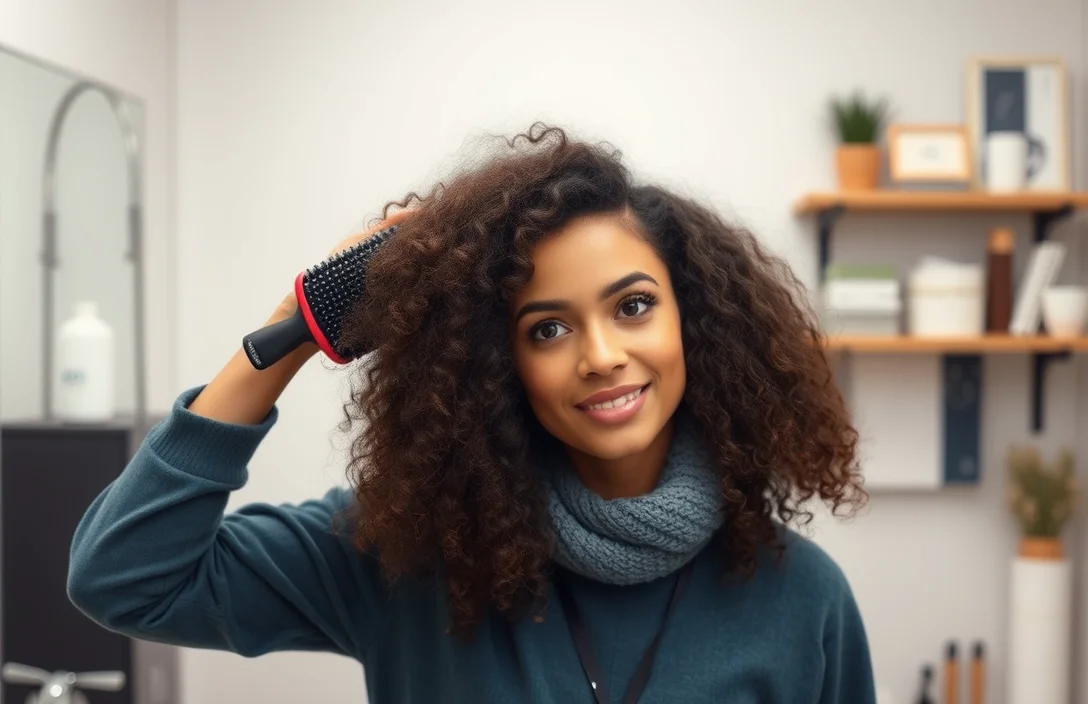
Brushing curly hair can be safe if done correctly. Choose wide-tooth combs or detangling brushes designed for curls. Always brush when wet and use a leave-in conditioner to minimize breakage. Proper technique ensures curls remain defined and healthy.
Brush Types for Curly Hair
Wide-tooth combs are essential for curly hair care. They effectively detangle without disrupting the natural curl pattern. These combs minimize breakage and maintain the shape of your curls, making them perfect for both wet and dry hair. Use them gently to separate curls rather than pull them apart.
Boar bristle brushes work well for adding shine and distributing natural oils. They offer a gentle touch and can help tame frizz while enhancing curl definition. Professionals often recommend these brushes for those looking to achieve smoother curls without damaging the hair.
Denman brushes are popular among curly-haired individuals. Their design features firm bristles that help define curls while detangling. This tool is great for styling, allowing for more control and precision when shaping each curl. Using it on wet hair can yield the best results.
Round brushes serve a different purpose. They are ideal for blow-drying and adding volume to curls. Choose a round brush with a wide barrel to create bouncy curls without unnecessary heat damage. Using this brush technique adds lift and bounce to your hairstyle.
Plastic detangling brushes are another option, especially for thick curls. Their flexible bristles glide through hair smoothly, reducing the risk of breakage. These brushes are designed to tackle knots effectively, making them a practical choice for curly hair enthusiasts.
Detangling Techniques with Brushes
Begin detangling curls when hair is damp and conditioned. Applying a leave-in conditioner or detangling spray can add slip, making the process smoother. Choose a wide-tooth brush or a specialized detangling brush designed for curly textures. This ensures that the brush moves through curls without causing breakage or frizz.
Work in sections to manage tangles effectively. Divide hair into four or more sections, securing each with clips to keep them separate. Starting at the ends, gently brush through each section, gradually moving toward the roots. This method prevents tugging and minimizes damage, ensuring healthier curls.
Utilize gentle strokes while detangling. Avoid aggressive pulling; instead, let the brush glide through the hair. If you encounter a knot, hold the hair firmly above the knot and gently work it out with your fingers first. Patience during this process pays off, as it reduces breakage and keeps curls intact.
Monitor the brush’s effectiveness as you detangle. If you notice excessive pulling or discomfort, reassess your technique or the tool. Some brushes may not be suitable for all curl types, so finding the right tool can significantly impact the overall health of your curls.
Impact on Curl Definition
Brushing curly hair affects its shape and definition significantly. Proper techniques can enhance curls, while improper methods can lead to frizz and loss of curl pattern. Understanding how to use brushes specifically designed for curls can help maintain the integrity of your hairstyle while detangling.
- Choose wide-tooth combs or brushes to gently separate curls without disrupting their formation. These tools minimize breakage and preserve curl shape.
- Work from the ends toward the roots while brushing. This method reduces tugging and allows curls to retain their natural bounce and definition.
- Apply a styling product, like curl cream or gel, before brushing. This adds moisture and helps define curls while preventing frizz during the brushing process.
- Limit brushing to damp or wet hair. Dry brushing can cause damage and disrupt curl patterns, leading to unwanted frizz and undefined curls.
- Experiment with different brushes, such as paddle brushes or denman brushes, to find what works best for your curl type. Each tool can create varying curl definitions depending on its bristle type and design.
Preventing Breakage While Brushing
Brushing curly hair requires care to avoid breakage. Using the right techniques can significantly reduce damage. Always start with dry or slightly damp hair, as wet curls are more prone to stretching and breaking. Approach brushing slowly and gently, allowing your curls to bounce back without unnecessary strain.
Consider the following tips to minimize breakage:
- Use a wide-tooth comb or brush specifically designed for curls. These tools are gentler and reduce pulling.
- Apply a leave-in conditioner or detangling spray before brushing. This adds moisture and slip, making the process smoother.
- Section your hair into manageable parts. Working on smaller sections allows for more control and reduces tugging.
- Brush from the ends towards the roots. This technique prevents pulling on the scalp and minimizes breakage.
- Limit the frequency of brushing. Too much brushing can disrupt curl patterns and lead to damage.
Implementing these strategies can enhance the safety of brushing, ensuring your curls remain healthy and vibrant.
When to Avoid Brushing
Brushing curls while dry can cause significant damage. Curls are naturally more fragile, and dry brushing often leads to breakage and frizz. Instead of using a brush, consider using your fingers to detangle curls gently. This method minimizes stress on the hair strands and helps maintain the curl pattern.
Brushing immediately after washing is also problematic. Wet curls are more prone to breakage, making it essential to wait until hair is at least partially dry. If you need to detangle, use a wide-tooth comb or your fingers while the hair is still damp and coated with conditioner.
Brushing during styling can disrupt curl definition. If curls are already styled, using a brush may create unwanted volume and frizz. Opt to use a styling product or simply reshape curls with your hands to avoid compromising your style.
Brushing in harsh weather conditions is unwise. Wind and humidity can aggravate frizz and disrupt curl patterns. Avoid brushing when the weather is particularly damp or windy to keep curls looking their best. Protecting curls from environmental factors is crucial for maintaining healthy hair.
Brushing too often leads to damage. Over-brushing can strip curls of their natural oils, resulting in dryness and breakage. Limit the frequency of brushing to maintain healthy curls and preserve their natural moisture balance.
Conditioning Before Brushing
Conditioning curls before brushing is crucial for maintaining their health. Applying a suitable conditioner helps to soften hair, making it more manageable and reducing friction during the brushing process. This step is particularly important for curly hair, which can be prone to dryness and breakage.
Moisturizing products, like leave-in conditioners or deep conditioners, provide additional hydration. Choosing a product that suits your hair type enhances the effectiveness of brushing, as it helps detangle without causing damage. Aim to apply the conditioner evenly and allow it to sit for a few minutes before detangling.
Brushing wet or damp hair is often recommended for curls after conditioning. Doing so allows the brush to glide through the hair smoothly, minimizing the risk of breakage. Always use a wide-tooth comb or a brush specifically designed for curly hair to ensure the best results.
Regular conditioning not only prepares hair for brushing but also promotes overall health and shine. Consistency in your conditioning routine can lead to stronger, more resilient curls. Making this a habit can significantly reduce the chances of damage while brushing, leading to healthier, more vibrant curls.
Quick Summary
- Curly hair requires special care; not all brushes are suitable.
- Wide-tooth combs and detangling brushes are generally safer for curls.
- Using the right brush can help minimize breakage and frizz.
- Brushing curly hair when dry can lead to damage; it’s best to brush when wet or damp.
- Consider brushes with flexible bristles to reduce tension on curls.
- Regularly cleaning brushes can prevent product buildup and maintain hair health.
- Consult with a hair care professional for personalized recommendations based on your curl type.
Frequently Asked Questions
Are hair brushes safe for curly hair?
Yes, hair brushes can be safe for curly hair, but it’s important to choose the right type. Look for brushes specifically designed for curls, such as wide-tooth combs or detangling brushes, which help minimize breakage and frizz.
What type of brush is best for curly hair?
The best brushes for curly hair are typically wide-tooth combs or specialized detangling brushes. These tools help to gently separate curls without disrupting their natural pattern or causing damage.
Can I use a regular brush on curly hair?
Using a regular brush on curly hair is generally not recommended, as it can lead to frizz and breakage. Regular brushes can disrupt the curl pattern, making hair more difficult to manage and maintain.
Should I brush my curly hair wet or dry?
It’s best to brush curly hair when it’s damp, ideally while using a leave-in conditioner or detangling spray. This helps to reduce breakage and makes it easier to manage the curls without causing damage.
How often should I brush my curly hair?
It’s advisable to brush curly hair only when necessary, such as during washing or conditioning. Over-brushing can result in frizz and loss of curl definition, so aim to keep brushing to a minimum.

- Does Summer Really Boost Hair Growth Speed? Insights and Facts - March 31, 2026
- Medium Hairstyles for School: 25 Best Looks That Are Easy - March 31, 2026
- Hairstyles for Medium Hair for School: Easy and Stylish - March 31, 2026