Do Hair Transplant Results Look Natural? Key Insights Revealed
Seventy-five percent of hair transplant recipients report satisfaction with their results, often noting a natural appearance that blends seamlessly with existing hair. This statistic highlights the effectiveness of modern techniques in achieving aesthetically pleasing outcomes for those experiencing hair thinning or loss.
Results from hair transplants can appear natural when performed by skilled professionals. Techniques like Follicular Unit Extraction (FUE) produce realistic hairlines and density, ensuring that the final appearance matches your natural hair growth pattern.
Techniques for Natural Results
Follicular Unit Extraction (FUE) remains a leading method for achieving natural-looking results. This technique involves removing individual hair follicles from the donor area and transplanting them to the balding regions. By maintaining the integrity of each follicle, FUE allows for a more seamless blend with existing hair, enhancing the overall appearance.
Precision plays a crucial role in the process. Surgeons use specialized tools to extract and implant follicles with minimal trauma to the scalp. This careful approach reduces scarring and promotes faster healing, making the results more aesthetically pleasing. Patients often report a more comfortable experience with quicker recovery times compared to older techniques.
Natural angles and directions of hair growth are prioritized during implantation. By mimicking the natural growth pattern, the transplanted hair integrates smoothly with the surrounding hair. This attention to detail is essential for ensuring that the final outcome looks authentic and not overly structured.
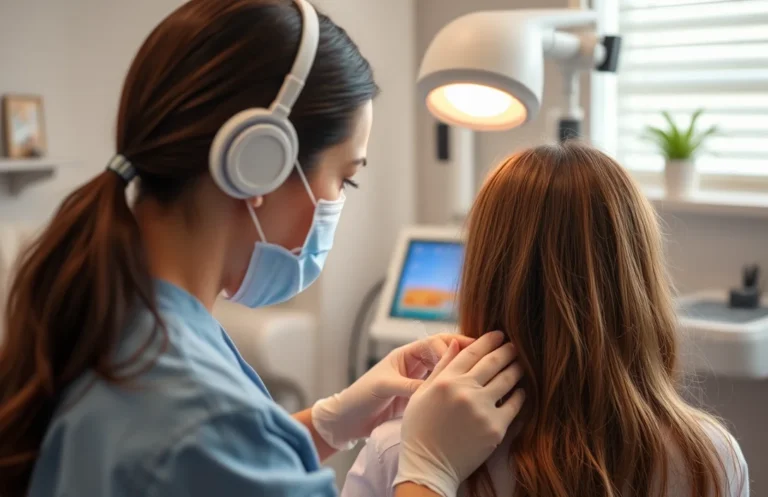
Consultation with a skilled surgeon is vital. Their experience and artistic eye can significantly impact the results. A thorough evaluation of your hair type and personal goals will guide the surgical plan, ultimately leading to a more satisfying outcome. Realistic expectations are also set during this phase, enhancing patient satisfaction.
Hairline Design Principles
Natural-looking hairline design significantly influences the overall appearance of hair transplant results. Crafting a hairline that mimics the natural growth patterns and shape of your original hair is crucial. Skilled surgeons take into account factors like age, gender, and facial structure to achieve the best results.
- Soft angles create realism. Hairlines with gentle, soft angles appear more natural than straight lines. Curves mimic the natural hairline, enhancing the aesthetic.
- Density plays a vital role. Appropriate hair density at the hairline is essential for achieving a fuller look. Sparse hairlines can appear unnatural, while too much density can look pluggy.
- Hair direction matters. Properly aligning the hair follicles in the correct growth direction is critical. This alignment ensures that the hair lies flat and blends seamlessly with existing hair.
- Age-appropriate design is essential. Younger individuals typically have lower hairlines with more density, while older individuals often have receded hairlines. Matching the hairline to the patient’s age promotes a natural look.
- Personalization enhances outcomes. Each person’s hair characteristics and preferences should guide the design. Customizing the hairline ensures that the transplant complements individual features, resulting in natural-looking results.
Donor Hair Quality Importance
High-quality donor hair significantly impacts the final appearance of hair transplant results. Hair follicles that are healthy and robust not only survive the transplantation process better but also grow in a way that mimics natural hair. Using hair from the back or sides of the head, where hair is genetically more resistant to thinning, ensures that the results appear fuller and more natural.
Quality characteristics include thickness, texture, and color. Thicker hair strands create the illusion of density, while a texture closely matching the surrounding hair enhances the overall aesthetic. Color matching is crucial as well; follicles should blend seamlessly with existing hair to avoid stark contrasts that can draw attention.
Selecting experienced professionals is essential for achieving optimal results. Skilled surgeons are adept at harvesting and implanting follicles while maintaining their integrity. They understand the nuances of donor hair quality, ensuring the most favorable outcomes. A detailed consultation prior to the procedure will help clarify expectations and address any concerns you may have about achieving a natural look.
Post-Procedure Care Tips
Follow specific guidelines to enhance healing after a hair transplant. Proper aftercare is crucial to achieving natural-looking results. Adhere to your surgeon’s instructions regarding washing, medication, and avoiding direct sunlight or strenuous activity. These steps will support hair growth and minimize any potential complications.
Maintain hydration by drinking plenty of water. Staying hydrated supports overall healing and skin health, which can positively affect the transplanted hair. Aim for at least eight glasses of water daily to ensure your body heals optimally.
Apply prescribed topical treatments as directed. Medications like minoxidil may be recommended to stimulate hair growth. Consistent use of these products can significantly improve the likelihood of achieving natural-looking outcomes from your transplant.
Limit physical activity during the recovery period. Strenuous exercises can increase blood flow and sweat, potentially affecting the healing of the scalp. Opt for light activities and avoid any movement that puts stress on the hair follicles.
Schedule follow-up appointments with your surgeon. Regular check-ins allow you to monitor progress and address any concerns promptly. These consultations ensure that your recovery is on track, contributing to the overall success and natural appearance of your results.
Realistic Expectations for Growth
Hair growth after a transplant occurs in stages, and patience is essential. Initially, transplanted follicles may enter a shedding phase where hairs fall out; this is normal and temporary. New hair typically starts to grow around three to four months post-procedure, gradually becoming noticeable. Full maturation of the hair can take up to a year, so setting realistic timelines is crucial.
Visible changes take time, often resulting in anxiety for many patients. While the initial results may seem sparse, they improve significantly over time. By six months, many individuals notice substantial thickening and coverage in the treated areas, leading to a more natural appearance. Expecting gradual improvement helps maintain a positive outlook.
Natural-looking results depend heavily on following aftercare instructions. Proper scalp care enhances healing and supports optimal hair growth. Avoiding sun exposure and harsh chemicals during the recovery period can help protect the newly transplanted follicles. Adhering to your surgeon’s recommendations will significantly influence the outcome.
Consistent follow-up appointments with your hair restoration specialist are vital. Regular assessments allow for monitoring of progress and addressing any concerns promptly. Open communication with your surgeon can help you understand what to expect and reassure you as your hair continues to grow and fill in.
Choosing an Experienced Surgeon
Surgeon expertise significantly influences the natural appearance of transplant results. Selecting a board-certified hair restoration surgeon with extensive experience ensures that the procedure is performed with precision and care, leading to outcomes that blend seamlessly with your existing hair.
- Research credentials thoroughly. Verify the surgeon’s board certification and training in hair restoration techniques, especially follicular unit extraction (FUE) or follicular unit transplantation (FUT).
- Review previous work. Examine before-and-after photos of past patients to assess the quality and naturalness of the results achieved by the surgeon.
- Seek patient testimonials. Read reviews and testimonials from previous clients to gauge their satisfaction with both the process and the final results.
- Consult multiple professionals. Schedule consultations with different surgeons to compare their approaches, experience, and the technology they use.
- Ask about techniques. Inquire whether the surgeon employs advanced techniques that promote a natural look, such as artistic hairline design and proper angle placement.
Trust in an experienced surgeon can alleviate concerns about achieving natural-looking results. Their skill will guide the process, ensuring that you receive the best outcome tailored to your individual needs.
Case Studies of Successful Transplants
Real-life examples demonstrate how hair transplants can yield natural-looking results. Consider a 45-year-old male patient who underwent Follicular Unit Extraction (FUE). Post-procedure, his hairline appeared restored, seamlessly blending with his existing hair. Before and after images showcased a remarkable transformation, highlighting the effectiveness of modern techniques.
An additional case involved a 50-year-old woman experiencing significant thinning. After her transplant, she reported high satisfaction with the results. Her new hair not only matched her natural color but also complemented her facial features, enhancing her overall appearance. This illustrates the potential for a harmonious outcome.
Another successful example features a young man who had been self-conscious about his receding hairline. Following the procedure, he noticed increased confidence and a more youthful look. Friends and family remarked on how naturally his new hair grew, reinforcing the idea that skilled surgeons can produce aesthetically pleasing results.
Ultimately, each of these cases underscores the importance of selecting an experienced surgeon. Results can vary widely based on technique and artistry, but with proper care and expert intervention, most patients can achieve results that appear entirely natural. Trusting the process and the professionals involved is key to a successful transformation.
Quick Summary
- Hair transplant results can appear very natural when performed by a skilled surgeon.
- The technique used, such as FUE or FUT, impacts the final appearance of hair growth.
- Natural-looking results depend on the angle, direction, and density of transplanted hair follicles.
- Individual factors, including hair type and scalp condition, play a significant role in the outcome.
- Post-operative care and following the surgeon’s instructions are crucial for achieving natural results.
- It may take several months for the full results of a hair transplant to become apparent.
- Consulting with a qualified professional can help set realistic expectations for naturalness and density.
Frequently Asked Questions
1. Are hair transplant results natural-looking?
Yes, when performed by a skilled and experienced surgeon, hair transplants can yield very natural-looking results. The technique involves transplanting hair follicles from areas of the scalp where hair is abundant to thinning or balding areas, ensuring a seamless blend with your existing hair.
2. How long does it take to see the final results?
Typically, it takes about 6 to 12 months to see the full results of a hair transplant. Initially, you may notice some shedding of the transplanted hair, but new growth will emerge, leading to a fuller appearance over time.
3. Will the transplanted hair look different from my natural hair?
Transplanted hair is usually taken from your own scalp, so it closely matches your natural hair in terms of texture and color. A skilled surgeon will also consider the angle and direction of your existing hair to ensure that the transplanted hair integrates well.
4. Are there any risks of unnatural results with hair transplants?
While there are always risks with any medical procedure, choosing a reputable clinic and a qualified surgeon significantly reduces the chances of unnatural results. It’s essential to discuss your expectations and concerns during the consultation to align on the desired outcome.
5. What factors can affect the natural appearance of hair transplant results?
Several factors can influence the natural look of the results, including the technique used (FUE vs. FUT), the surgeon’s skill, the density of the donor hair, and your hair type. Proper aftercare and following post-operative instructions are also crucial for achieving the best results.

- Medium Hairstyles for School: 25 Best Looks That Are Easy - March 31, 2026
- Hairstyles for Medium Hair for School: Easy and Stylish - March 31, 2026
- Hairstyles for Medium Length Hair for School: 28 Styles That Are Easy - March 31, 2026