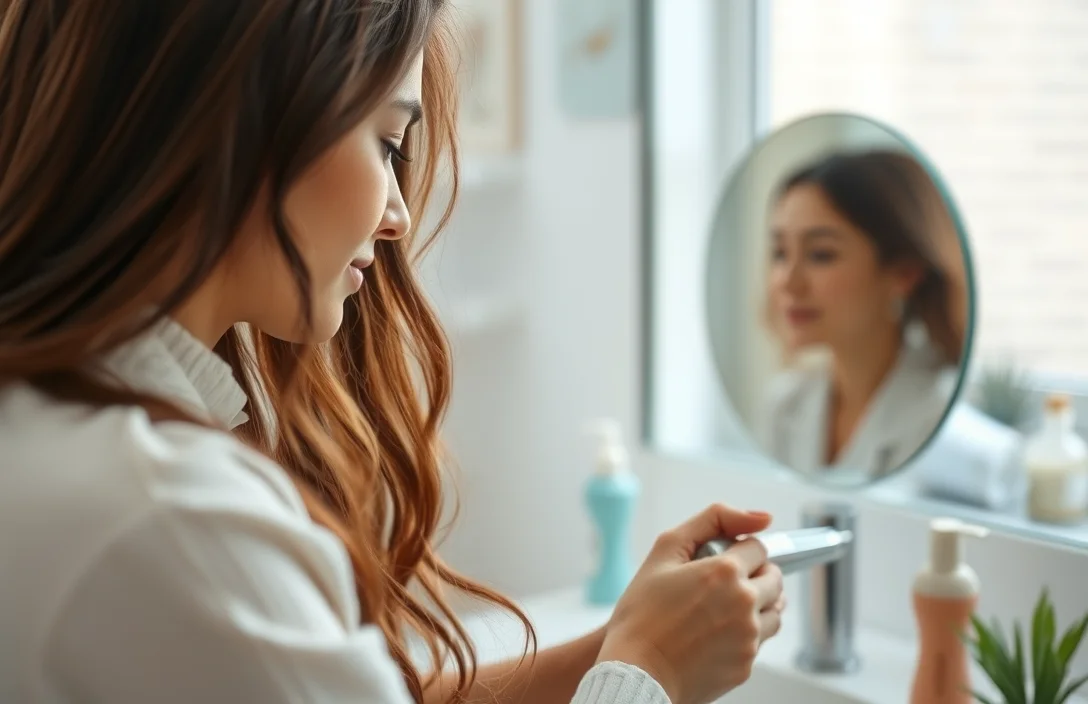
Are Hair Treatments Safe? Understanding Risks and Benefits
Studies reveal that nearly 50% of women and 25% of men use hair treatments regularly, raising concerns about their safety. Chemical processes can lead to scalp irritation, allergic reactions, and long-term hair damage. Understanding the risks associated with these treatments is crucial for informed decisions.
Hair treatments can be safe if performed correctly. Always check for professional certification, conduct patch tests for allergies, and choose quality products. Consulting with a licensed stylist can help ensure the treatment suits your hair type and minimizes potential side effects.
Chemical Treatments Explained
Chemical hair treatments encompass a variety of procedures designed to alter hair structure and appearance. Common types include relaxers, perms, and color treatments. Relaxers are used to straighten curly or wavy hair, while perms add curls or waves to straight hair. Hair coloring treatments, ranging from highlights to full dye jobs, enhance or change hair color.
Many individuals seek these treatments for aesthetic reasons, aiming for a specific hairstyle or color. Relaxers provide a smooth, sleek look, while perms can create volume and texture. Color treatments allow for personal expression, enabling users to experiment with shades from subtle to bold. Each treatment serves a distinct purpose, catering to diverse hair goals.
Professionals often recommend specific products based on hair type and desired outcome. For instance, protein-based products may be suggested for damaged hair, while moisturizing treatments benefit dry hair. Consultation with a stylist ensures appropriate treatment selection, minimizing risks associated with chemical processes.
Understanding application techniques is vital. Many treatments require precise methods to avoid damage. For example, over-processing during coloring can lead to brittle strands. Following stylist instructions and adhering to recommended time limits helps maintain hair health. Patience during the process is essential for achieving optimal results.
Potential Health Risks
Allergic reactions frequently occur with hair treatments, particularly with chemical dyes and relaxers. Symptoms may include itching, redness, and swelling of the scalp or surrounding skin. In severe cases, anaphylaxis can occur, necessitating immediate medical attention. Always conduct a patch test before applying new products to minimize these risks.
Skin irritation often manifests after using harsh treatments. Chemicals like ammonia and hydrogen peroxide can lead to dryness, flaking, or itching. Individuals with sensitive skin should consider milder formulations to avoid adverse reactions. Consulting a dermatologist before treatment can provide tailored advice for those prone to irritations.
Long-term use of damaging products may lead to irreversible hair damage. Continuous exposure to high levels of heat or strong chemicals can weaken hair structure, resulting in breakage and thinning. Limiting the frequency of treatments and using protective products can mitigate these effects, preserving hair health over time.
Respiratory issues can arise from inhaling fumes during certain treatments. Chemicals in hair dyes and relaxers may release volatile organic compounds (VOCs), causing respiratory discomfort or exacerbating existing conditions. Ensuring proper ventilation during application reduces the risk of inhalation and improves overall safety.
Fertility concerns have emerged regarding some hair treatment chemicals. Studies suggest that exposure to certain ingredients may affect reproductive health, although more research is needed for conclusive evidence. Staying informed about product ingredients and opting for safer alternatives can alleviate potential risks.
Benefits of Hair Treatments
Improved appearance is a primary benefit of hair treatments. Many people seek these services to enhance their hair’s shine, color, and overall health. Treatments can repair damage from heat styling, environmental factors, or chemical processes, leading to a more polished look.
Enhanced manageability is another significant advantage. Hair treatments help reduce frizz and tangling, making everyday styling easier. Many individuals notice that their hair becomes smoother and more controllable, saving time during their daily routines.
- Color treatments can refresh dull hues, adding vibrancy.
- Deep conditioning increases moisture levels, improving texture.
- Keratin treatments tame unruly hair, offering lasting results.
- Regular treatments promote healthier growth and stronger strands.
Increased confidence often follows improved hair health. A noticeable transformation can boost self-esteem and change how individuals perceive themselves. Feeling good about one’s appearance can positively impact various aspects of life, from social interactions to professional opportunities.
Benefits of are hair treatments safe
Safety regulations are crucial for hair treatments. Various organizations, including the Food and Drug Administration (FDA) in the U.S., set strict guidelines to ensure that products used in salons meet safety standards. These regulations help prevent harmful chemicals from being used and ensure that treatments are safe for consumer use.
Standards vary globally but often include required testing for allergic reactions, skin irritations, and long-term effects. Manufacturers must provide a list of ingredients, ensuring transparency. Consumers can access this information to make informed decisions about the products they choose for their hair treatments.
Compliance with these regulations is enforced through regular inspections and fines for non-compliance. Salons are required to stay updated on safety standards to operate legally. This oversight helps maintain a standard of care and encourages safe practices within the industry.
Certification programs for stylists also play a role in ensuring safety. Training includes information on safe product usage and proper application techniques. These programs aim to educate professionals, reducing the risk of mishaps and ensuring client safety during treatments.
Choosing Safe Products
Prioritize ingredient transparency when selecting hair treatments. Products should list all ingredients clearly, allowing consumers to identify potentially harmful substances. Avoid items with excessive chemicals, synthetic fragrances, or known irritants. Familiarizing yourself with labels can help ensure you’re making informed choices.
- Research key ingredients thoroughly. Look for natural components like oils, vitamins, and proteins that promote hair health.
- Evaluate product certifications. Seek treatments that have been dermatologically tested or certified organic to ensure safety and efficacy.
- Inspect for allergen warnings. Check for common allergens that might trigger a reaction, especially if you have sensitive skin or scalp conditions.
- Consult reviews from reputable sources. Customer feedback can provide insight into product performance and safety based on real-life experiences.
- Consider patch testing before full application. Testing on a small skin area can help determine if you’ll have an adverse reaction to the treatment.
Adopting these practices can help you navigate the market confidently, ensuring you choose safe hair products that meet your needs.
Professional vs. DIY Treatments
Professional hair treatments generally offer safer options compared to DIY methods. Trained stylists use high-quality products and techniques tailored to individual hair types. They assess hair condition and choose appropriate treatments, which minimizes damage and maximizes benefits. In contrast, DIY treatments often lack proper guidance, leading to potential mishaps, such as over-processing or allergic reactions.
Materials utilized in professional settings are often more advanced than those available for home use. Ingredients in salon products are rigorously tested for safety and efficacy. DIY treatments may rely on household items, which can be unpredictable and sometimes harmful. For instance, vinegar or baking soda can alter hair pH levels and lead to dryness or brittleness.
| Aspect | Professional Treatments | DIY Treatments |
|---|---|---|
| Expertise | Performed by trained professionals | Self-administered without training |
| Product Quality | High-quality, tested products | Common household ingredients |
| Results | Consistent, reliable outcomes | Variable, unpredictable results |
Risks associated with DIY treatments can lead to lasting damage or dissatisfaction. Professionals not only understand the science behind hair treatments but also know how to correct issues if they arise. Investing in a professional service often ensures better results and a safer overall experience.
Aftercare and Maintenance
Maintaining hair health post-treatment is crucial. Proper aftercare ensures the longevity of results, minimizes damage, and promotes overall hair vitality. Implementing a routine tailored to your specific treatment type will yield the best outcomes. This should include using recommended products and avoiding heat styling as much as possible.
Regular deep conditioning treatments are essential. They help restore moisture and repair any potential damage caused by the hair treatment. Look for conditioners that contain natural oils and proteins, as these ingredients strengthen and nourish the hair. Incorporate this step into your routine at least once a week for optimal results.
Protective hairstyles can minimize stress on treated hair. Styles such as braids, buns, or loose updos help prevent tangling and breakage. Avoid tight hairstyles that can put unnecessary tension on the hair and lead to further damage. Switching up your hairstyles can also give your hair a break from styling tools.
Limiting exposure to harsh environmental factors is vital. Sun exposure and chlorine from pools can significantly impact treated hair. Wearing hats or using UV protection sprays can shield your hair from sun damage, while rinsing your hair with fresh water before swimming can reduce chlorine absorption.
Consulting with a professional stylist for personalized advice is recommended. They can provide insights into the specific needs of your hair type and treatment. Regular check-ins can help address any concerns or adjustments needed to maintain your hair’s health effectively.
Quick Summary
- Many hair treatments, including chemical relaxers and dyes, can pose risks if not used correctly.
- Patch testing is essential to identify any potential allergic reactions before full application.
- Professional application by a qualified stylist can minimize risks associated with hair treatments.
- Natural hair treatments, such as oils and masks, are generally safer alternatives.
- Frequency of treatments should be monitored to prevent damage to hair and scalp.
- Consulting with a dermatologist can provide personalized advice based on hair type and health.
- Awareness of ingredients and their potential side effects is crucial for safe hair treatment choices.
Frequently Asked Questions
Are hair treatments safe for all hair types?
Hair treatments can be safe for most hair types, but it’s essential to choose the right treatment based on your specific hair needs. Consulting with a professional stylist can help ensure that the treatment is suitable for your hair type and condition.
What are the potential side effects of hair treatments?
Potential side effects of hair treatments can include dryness, breakage, or allergic reactions, depending on the ingredients used. It’s important to perform a patch test and follow the instructions carefully to minimize risks.
How often can I safely get hair treatments?
The frequency of hair treatments varies based on the type of treatment and your hair’s health. Generally, it is advisable to wait at least 4-6 weeks between chemical treatments to allow your hair time to recover.
Are natural hair treatments safer than chemical ones?
Natural hair treatments are often perceived as safer because they usually contain fewer harsh chemicals. However, it’s still important to check the ingredients, as natural products can also cause allergic reactions for some individuals.
Can hair treatments damage my hair?
While many hair treatments are designed to improve hair health, improper use or over-treatment can lead to damage. Always follow recommended guidelines and consider professional advice to minimize any risks to your hair.

- Medium Hairstyles for School: 25 Best Looks That Are Easy - March 31, 2026
- Hairstyles for Medium Hair for School: Easy and Stylish - March 31, 2026
- Hairstyles for Medium Length Hair for School: 28 Styles That Are Easy - March 31, 2026