Hair Care for Beginners: Essential Tips and Products to Get Started
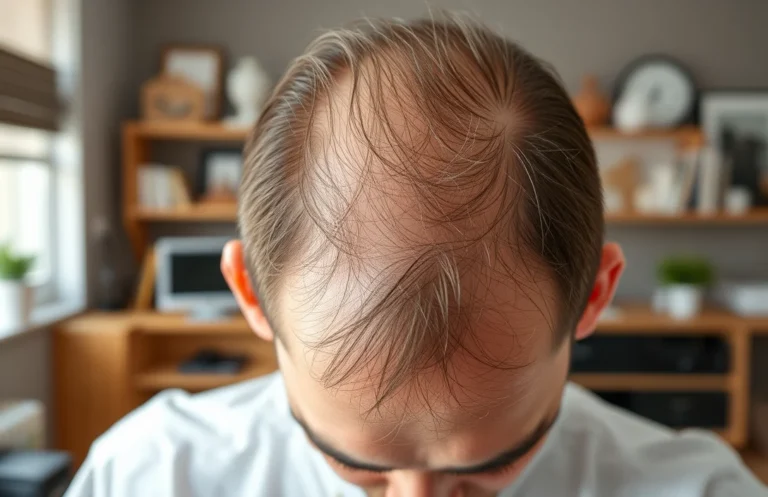
Seventy percent of people experience hair issues at some point, highlighting the importance of effective hair care. A beginner’s guide can provide essential insights into maintaining healthy locks, helping you avoid common mistakes that lead to damage and frustration.
Essential hair care involves identifying your hair type, choosing the right products, and establishing a routine. Understanding these components will drastically improve your hair’s health and appearance, making care manageable and effective for beginners.
Choosing the Right Shampoo
Identifying your hair type is essential for selecting the most effective shampoo. Different hair types have unique needs—oily, dry, curly, or straight. Understanding your specific type helps in choosing a formulation that addresses those requirements, ensuring optimal health and appearance.
- Oily hair benefits from clarifying shampoos. These products remove excess oil and buildup, giving hair a fresh, clean feel.
- Dry hair requires moisturizing shampoos. Look for ingredients like glycerin or oils that hydrate and restore moisture to prevent breakage.
- Curly hair thrives with sulfate-free shampoos. These gentle cleansers help maintain moisture and definition without stripping natural oils.
- Straight hair often does well with lightweight shampoos. Formulations that don’t weigh hair down promote volume and shine.
- Color-treated hair needs special attention. Use shampoos designed for color protection to maintain vibrant shades and prevent fading.
Experimenting with different products may be necessary to find the perfect match for your hair. Pay attention to how your hair responds to each shampoo, adjusting as needed to achieve the best results.
Conditioning Essentials
Conditioner plays a vital role in maintaining healthy hair. It provides essential moisture, detangles strands, and helps prevent damage. Using a suitable product for your hair type can significantly improve texture and manageability. For beginners, understanding how to apply conditioner effectively is crucial for optimal results.
- Apply conditioner after shampooing thoroughly. Ensure that your hair is clean, allowing the conditioner to work effectively on each strand.
- Focus on the ends first. Most damage occurs at the tips of your hair, so apply a generous amount to this area before working your way up.
- Leave the conditioner in for at least 3-5 minutes. This allows the ingredients to penetrate the hair shaft, providing deeper conditioning.
- Rinse with cool water. Cool water helps to seal the hair cuticle, locking in moisture and enhancing shine.
- Consider using a leave-in conditioner weekly. Leave-in products can provide extra hydration and protection against environmental stressors.
Incorporating these steps into your hair care routine will greatly enhance your hair’s health and appearance. Proper conditioning is essential for beginners aiming for beautiful, manageable hair.
Understanding Hair Types
Identifying your hair type is essential for effective care. Understanding the differences between straight, wavy, curly, and coily hair allows you to choose the right products and techniques. Each hair type has unique needs, which influence how you should wash, condition, and style your hair. Knowing this information can save time and enhance results.
Straight hair typically lies flat and can appear shinier. This type often gets oily quickly, so lightweight shampoos and conditioners are recommended. Regular washing may be necessary to manage oiliness effectively.
Wavy hair features a natural bend, often requiring products that enhance texture without weighing it down. Light mousses or curl enhancers work well, as they provide definition while maintaining volume.
Curly hair demands extra moisture and care. Rich creams and leave-in conditioners can help define curls and reduce frizz. Avoiding heat styling tools is also beneficial to maintain curl integrity.
Coily hair is tightly curled, requiring intensive hydration and protection. Thick creams and oils are ideal for this type, as they help lock in moisture and prevent breakage. Regular deep conditioning treatments are a must for maintaining health.
Heat Protection Techniques
Applying heat protectant spray is essential. Before using any styling tool, generously spray a heat protectant on dry hair. This creates a barrier that shields your strands from damaging temperatures, reducing the risk of breakage and split ends. Look for products containing ingredients like silicones or natural oils for optimal protection.
Limiting direct heat exposure helps maintain hair quality. Instead of using the highest settings on styling tools, opt for lower temperatures to prevent excessive damage. Many tools have adjustable heat settings, allowing you to choose the right temperature based on your hair type and desired style.
Investing in high-quality tools is crucial. Professional-grade styling tools often feature advanced technology designed to minimize damage. For instance, tourmaline and ceramic plates distribute heat evenly, preventing hot spots that can burn your hair. Prioritize these materials to ensure your hair remains healthy even after frequent styling.
Incorporating protective hairstyles can reduce heat usage. Styles like braids, buns, or twists can keep your hair looking great without the need for heat styling. By embracing these methods, you can give your hair a break from heat while still enjoying varied looks.
Brushing and Combing Methods
Detangling hair properly prevents damage. Using the right tools and techniques makes a significant difference. Always begin detangling with dry or slightly damp hair to minimize breakage. Choose a wide-tooth comb or a detangling brush designed for your hair type. Follow these steps for effective detangling.
- Start at the ends. Begin combing from the tips of your hair, gradually working your way up to the roots. This method helps to gently remove knots without pulling on the hair.
- Apply detangling spray. Using a quality detangling product can make the process smoother, providing slip and moisture to the hair.
- Section your hair. Divide hair into manageable sections using hair clips. Working in smaller sections reduces the risk of tangles and allows for thorough detangling.
- Work patiently through knots. For stubborn tangles, hold the hair above the knot to avoid stress on the roots and gently work through it with your fingers before using the comb.
- Finish with a brush. Once hair is detangled, use a brush to smooth out any remaining bumps, starting from the ends and moving up to the roots for a polished look.
Employing these methods will ensure healthy hair care practices as you learn the essentials of maintaining your hair.
Mistakes to Avoid with beginner hair care guide
Maintaining scalp health is crucial for overall hair care. A balanced scalp ensures hair grows strong and healthy. Neglecting scalp care can lead to issues such as dandruff, itchiness, and hair loss. Understanding how to care for your scalp will significantly enhance your hair’s appearance and texture.
- Wash hair regularly with suitable shampoo. Choose a gentle formula that suits your scalp type. Overwashing can strip natural oils, while underwashing may lead to buildup.
- Massage your scalp during washing. Using fingertips, gently massage in circular motions. This increases blood circulation, promoting healthy hair follicles.
- Examine products for harsh ingredients. Avoid shampoos and conditioners with sulfates and parabens. Opt for natural ingredients that nourish and soothe the scalp.
- Hydrate your scalp effectively. Use oils or treatments specifically designed for scalp hydration. Essential oils like tea tree or peppermint can soothe irritation and promote a healthy environment.
- Protect your scalp from sun damage. Wear hats or use scalp sunscreens when outdoors. UV rays can harm the scalp just as they do skin, leading to dryness and irritation.
Monitoring your scalp’s condition is essential. Regularly check for signs of dryness, flakiness, or irritation. Addressing issues promptly will prevent more severe problems in the future.
Essential Hair Care Products
Shampoos and conditioners are foundational. Select formulas that match your hair type—whether oily, dry, or color-treated. Look for moisturizing ingredients like oils or hydrating agents to nourish your hair. Sulfate-free options are preferable as they prevent stripping natural oils. Proper cleansing and conditioning will set the stage for effective hair care.
Leave-in conditioners provide extra moisture. Apply them after washing your hair to keep strands hydrated throughout the day. Lightweight sprays or creams can also help with detangling, making styling more manageable. This product is especially beneficial for those with curly or textured hair.
Hair oils serve multiple purposes. Use oils like argan or jojoba to smooth frizz and add shine. They can also protect hair from heat damage when applied before styling. A few drops can transform dull hair into a vibrant, healthy mane.
Heat protectants are crucial for styling. Apply these products before using any heat tools, such as curling irons or blow dryers. They shield hair from damage caused by high temperatures, maintaining its health and integrity. Regular use can significantly improve the overall condition of your hair.
Hair masks are an excellent addition. Use them weekly for deeper conditioning, especially if your hair feels dry or damaged. Look for masks rich in proteins or vitamins, as they repair and strengthen hair over time. Incorporating these into your routine will enhance your hair’s resilience and shine.
Quick Summary
- Understand your hair type to choose the right products and routine.
- Shampoo regularly but not too often; find a balance that suits your scalp.
- Condition your hair to keep it moisturized and manageable.
- Limit heat styling to prevent damage; opt for air drying when possible.
- Regular trims are essential for healthy hair growth and to reduce split ends.
- Protect your hair from environmental factors like sun exposure and chlorine.
- Stay hydrated and maintain a balanced diet for overall hair health.
Frequently Asked Questions
What are the basic steps in a hair care routine?
A basic hair care routine typically includes cleansing, conditioning, and moisturizing. Start by washing your hair with a suitable shampoo, followed by a conditioner to hydrate and detangle, and use leave-in products or oils to lock in moisture.
How often should I wash my hair?
The frequency of washing your hair depends on your hair type and lifestyle. Generally, oily hair may require washing every 1-2 days, while dry or curly hair might benefit from washing every 3-7 days to maintain natural oils.
What type of shampoo and conditioner should I use?
Choose a shampoo and conditioner that suits your hair type—dry, oily, curly, or straight. Look for products with natural ingredients and avoid sulfates and parabens if you’re concerned about harsh chemicals.
How can I prevent hair damage?
To prevent hair damage, limit heat styling, use a heat protectant when necessary, and avoid tight hairstyles that pull on the hair. Regular trimming and deep conditioning treatments can also help to keep your hair healthy.
What should I do if I have dandruff?
If you have dandruff, consider using a specialized anti-dandruff shampoo containing ingredients like zinc pyrithione or ketoconazole. Additionally, maintaining a healthy scalp by avoiding excessive product buildup and keeping it moisturized can help reduce flakes.

- Medium Hairstyles for School: 25 Best Looks That Are Easy - March 31, 2026
- Hairstyles for Medium Hair for School: Easy and Stylish - March 31, 2026
- Hairstyles for Medium Length Hair for School: 28 Styles That Are Easy - March 31, 2026