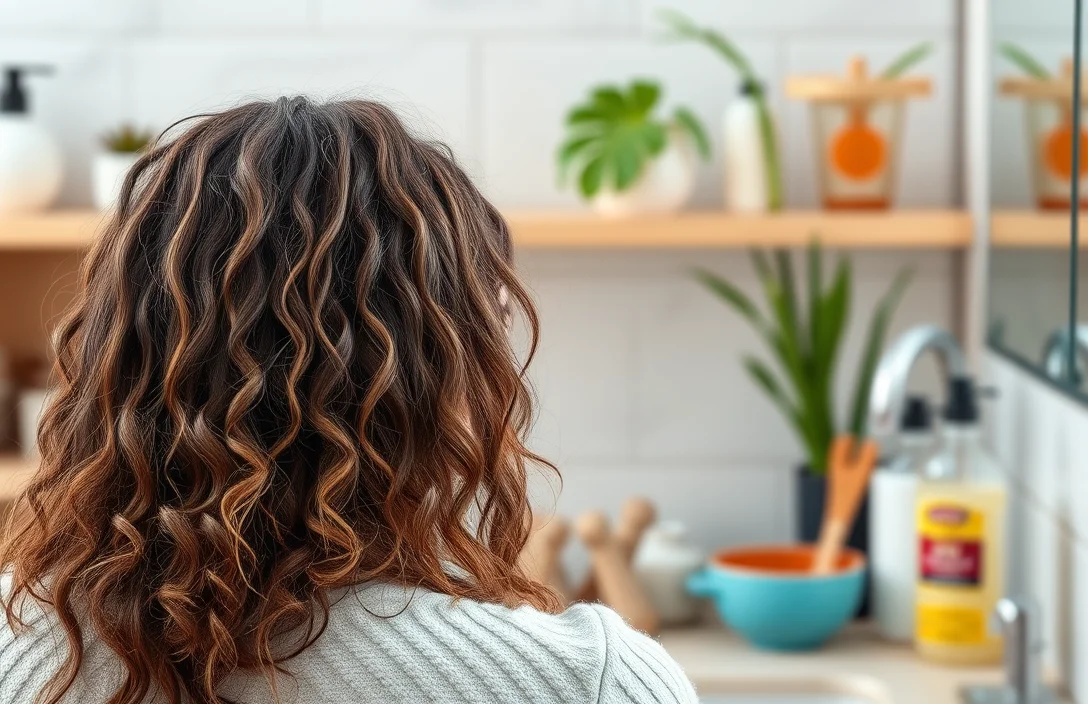
Elevate Your Hair Care Routine for a Healthier Scalp Today
Studies indicate that a healthy scalp can significantly improve hair growth, reducing hair loss by up to 50%. Implementing the best hair care routine not only benefits your hair but also ensures your scalp stays nourished and balanced. Healthy hair begins with a healthy scalp.
Key points include: regular washing to remove dirt and oil, exfoliation to eliminate dead skin cells, moisturizing to maintain hydration, and scalp massages to improve circulation. Each element contributes to overall scalp health.
Choosing the Right Shampoo
Selecting a shampoo that promotes scalp health is crucial for maintaining a vibrant mane. Focus on products free from sulfates and parabens, as they can strip natural oils and irritate the scalp. Always look for nourishing ingredients that hydrate and soothe.
- Identify your hair type. Different hair types require specific formulations. For instance, oily scalps benefit from clarifying shampoos, while dry scalps need moisturizing options.
- Research ingredient lists. Prioritize shampoos with natural ingredients like tea tree oil, aloe vera, or chamomile, which support scalp health and reduce irritation.
- Test for allergies. Conduct a patch test before fully committing to a new shampoo. Apply a small amount on your wrist to ensure no allergic reactions occur.
- Consider fragrance sensitivity. Choose fragrance-free or hypoallergenic options if you have a sensitive scalp, as fragrances can exacerbate irritation.
- Read reviews and recommendations. Consult trusted sources or friends for suggestions. User experiences can provide insight into how effective a shampoo is for scalp health.
Incorporating Scalp Exfoliation
Exfoliating the scalp is crucial for maintaining a healthy environment for hair growth. This process removes dead skin cells, excess oil, and product buildup, which can hinder hair follicles and lead to issues like dandruff. Regular exfoliation promotes better blood circulation, allowing nutrients to reach the hair roots more effectively.
Many professionals recommend using a gentle scalp scrub or exfoliating treatment once a week. Look for products containing natural ingredients, such as sugar or salt, to avoid irritation. Apply the scrub directly to the scalp, massaging in circular motions to lift away impurities without causing damage.
Consider alternative methods like DIY scrubs made from oatmeal or coffee grounds. These natural options provide a gentle yet effective approach to exfoliation. Mix your chosen ingredient with a carrier oil, such as coconut or olive oil, for enhanced moisturizing benefits. Apply this mixture to your scalp and rinse thoroughly.
Establishing a routine that incorporates scalp exfoliation contributes significantly to your overall hair care plan. Consistency is key; make this practice a part of your weekly regimen. You’ll notice improvements in scalp health, reduced flakiness, and a revitalized feeling in your hair.
Benefits of Regular Conditioning
Conditioning regularly helps maintain scalp moisture effectively. Moisture balance is crucial for a healthy scalp environment. When hair is conditioned properly, it prevents dryness and irritation, which can lead to dandruff and other scalp issues. A well-moisturized scalp promotes better hair growth and overall health.
- Choose a conditioner specifically formulated for your scalp type. Look for ingredients like aloe vera or hyaluronic acid, known for their hydrating properties.
- Apply conditioner directly to your scalp during your wash routine. Focus on massaging it into the scalp for at least 2-3 minutes to enhance absorption.
- Rinse thoroughly, ensuring all product is removed. Residue can lead to buildup, which may suffocate hair follicles and hinder growth.
- Condition once or twice a week, depending on your scalp’s needs. Adjust frequency based on how your scalp responds to moisture.
- Consider leave-in conditioners for added hydration. These products can provide long-lasting moisture and help maintain scalp health throughout the day.
Using Natural Oils Effectively
Essential oils provide nourishment directly to the scalp. Coconut oil is one of the best options, known for its ability to penetrate hair shafts and moisturize. Apply it warm for better absorption and use it as a pre-shampoo treatment.
Jojoba oil closely resembles natural scalp sebum. Massaging this oil can help balance oil production while preventing dryness. A few drops are sufficient; apply it directly to the scalp and leave it on for at least 30 minutes before washing.
Tea tree oil acts as a powerful antifungal and antibacterial agent. Dilute it with a carrier oil, such as olive oil, before applying. This helps combat dandruff and keeps the scalp healthy.
Rosemary oil stimulates hair growth by increasing blood circulation. Mix a few drops with a carrier oil and massage it into the scalp. Regular use can lead to improved thickness and vitality in your hair.
Argan oil is rich in vitamin E and antioxidants. Its lightweight texture makes it perfect for daily use. Apply a small amount to the scalp and hair ends after styling to maintain hydration and shine.
Maintaining Balanced Scalp pH
Maintaining a balanced scalp pH is crucial for hair health. Optimal pH levels range from 4.5 to 5.5, which helps keep the scalp healthy and hair shiny. An imbalanced pH can lead to dryness, irritation, and dandruff. Implementing specific strategies can effectively restore and maintain this balance.
Regularly using pH-balanced products supports scalp health. Look for shampoos and conditioners specifically labeled as pH-balanced. These products help maintain natural acidity, preventing issues associated with overly alkaline or acidic formulations.
- Incorporate apple cider vinegar rinses to naturally balance pH. Mix one part apple cider vinegar with three parts water, applying it after shampooing. This rinse helps restore acidity and adds shine.
- Choose mild, sulfate-free shampoos that don’t strip natural oils. Sulfates can disrupt the scalp’s pH, causing dryness and irritation.
- Hydrate with essential oils like tea tree or lavender. These oils not only maintain scalp health but also provide soothing properties that can alleviate irritation.
Monitoring environmental factors is essential for maintaining pH balance. Hard water, for example, can impact scalp health negatively. Consider installing a water filter to reduce mineral deposits that can disrupt pH.
Protecting Scalp from Heat Damage
Heat exposure can severely damage the scalp, leading to dryness and irritation. To protect it during styling, always apply a heat protectant spray or serum. These products create a barrier against high temperatures, minimizing potential harm. Look for ingredients like silicones or natural oils that help shield the scalp while providing moisture.
Using lower temperature settings on styling tools significantly reduces the risk of heat damage. High heat can strip moisture from the scalp and hair, causing long-term issues. Aim for the lowest effective temperature that still achieves your desired style, and try to limit heat styling to a few times a week.
Incorporating protective hairstyles adds another layer of security against heat damage. Styles such as braids or buns can keep hair safe from direct heat exposure. These methods not only protect the scalp but also reduce styling time, making them practical options for maintaining a healthy scalp.
Investing in high-quality tools is crucial for minimizing heat damage. Look for ceramic or tourmaline styling tools, as they distribute heat evenly and reduce hot spots. Quality tools can enhance styling while prioritizing the health of your scalp and hair.
Regular Scalp Massages
Massaging the scalp enhances blood circulation, promoting healthier hair growth. Regular scalp massages can help relieve tension, reduce stress, and keep the scalp clean by distributing natural oils more evenly. Incorporating this simple practice into your hair care routine can significantly improve the health of your scalp and hair.
Techniques for effective scalp massages include:
- Using fingertips to apply gentle pressure in circular motions across the scalp.
- Employing essential oils like peppermint or lavender to enhance relaxation and provide additional benefits.
- Incorporating tools such as a scalp massager or soft bristle brush for added stimulation.
- Focusing on areas that feel tense or tight for a few extra moments.
Consistency is essential for optimal results. Aim for at least 5-10 minutes of massage several times a week. This practice not only aids in promoting a healthy scalp but also contributes to overall well-being. By integrating regular scalp massages, you can take a significant step towards achieving a healthier scalp and, subsequently, healthier hair.
Quick Summary
- Maintain a regular washing schedule to keep the scalp clean and free of excess oil and product buildup.
- Choose sulfate-free shampoos and gentle cleansers to avoid irritating the scalp.
- Incorporate regular exfoliation to remove dead skin cells and promote healthy hair growth.
- Use a nourishing conditioner to hydrate and strengthen the hair while soothing the scalp.
- Consider weekly scalp treatments or masks to address specific concerns like dryness or dandruff.
- Massage the scalp during washing to stimulate blood circulation and enhance hair growth.
- Maintain a balanced diet rich in vitamins and minerals essential for hair health.
Frequently Asked Questions
What are the essential steps in a hair care routine for a healthy scalp?
A healthy hair care routine starts with regular cleansing using a gentle shampoo to remove dirt and excess oil. Follow up with a nourishing conditioner to hydrate the scalp and hair. Additionally, incorporating scalp treatments or oils can help maintain scalp health.
How often should I wash my hair for optimal scalp health?
The frequency of washing your hair depends on your hair type and lifestyle. Generally, washing 2-3 times a week is sufficient for most people, as over-washing can strip natural oils and lead to dryness. Adjust based on your scalp’s oiliness and activity level.
What ingredients should I look for in hair care products?
Look for products containing natural ingredients like tea tree oil, aloe vera, and menthol, which can soothe the scalp and promote a healthy environment for hair growth. Avoid harsh sulfates and parabens that can irritate the scalp.
Can diet affect the health of my scalp?
Yes, a balanced diet plays a crucial role in scalp health. Foods rich in vitamins A, C, D, E, zinc, and omega-3 fatty acids promote hair growth and scalp nourishment. Hydration is also essential, so drink plenty of water throughout the day.
How can I treat a dry or itchy scalp?
To treat a dry or itchy scalp, use a moisturizing shampoo and conditioner and consider weekly scalp masks with natural oils, like coconut or jojoba oil. Avoid hot water and harsh styling products that can exacerbate dryness and irritation.

- Medium Hairstyles for School: 25 Best Looks That Are Easy - March 31, 2026
- Hairstyles for Medium Hair for School: Easy and Stylish - March 31, 2026
- Hairstyles for Medium Length Hair for School: 28 Styles That Are Easy - March 31, 2026