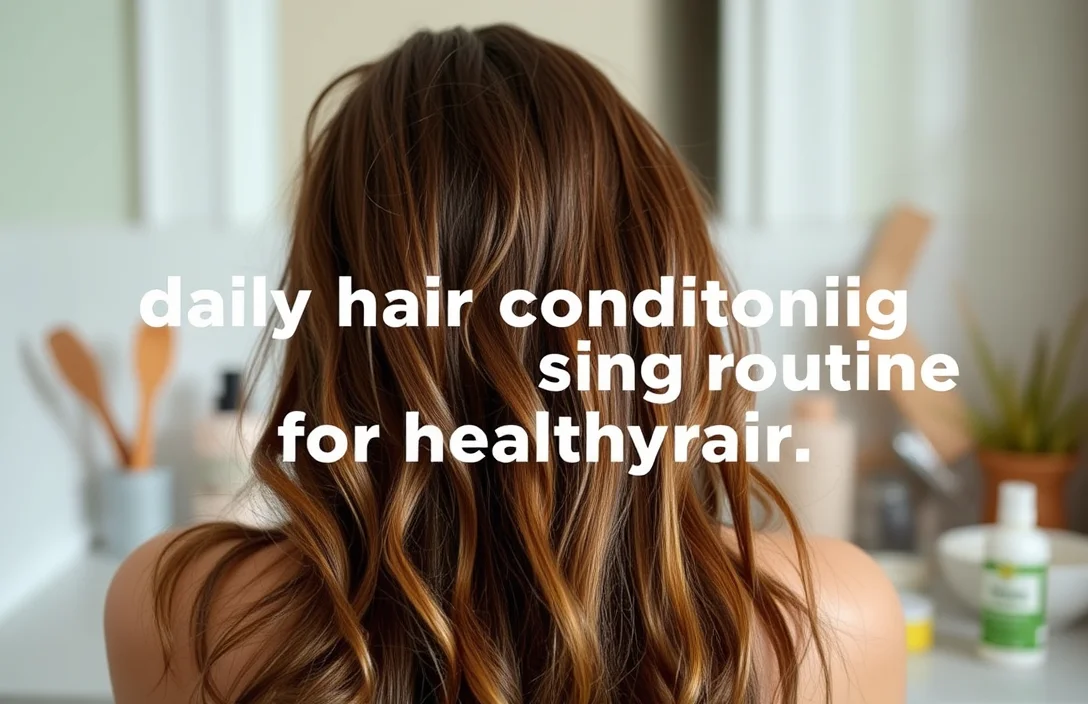
Daily Hair Conditioning Routine: Steps to Achieve Healthy Hair
Studies show that a consistent daily hair conditioning routine can improve hair health by up to 70%. Incorporating conditioning into your daily regimen not only enhances luster but also minimizes damage, making it essential for anyone seeking vibrant, healthy hair.
Daily conditioning involves selecting the right product, applying it correctly, and maintaining a schedule. This routine helps retain moisture, reduces breakage, and promotes overall hair strength, ensuring your hair stays beautiful and manageable.
Choosing the Right Conditioner
Conditioner selection greatly impacts hair health. To achieve optimal results, match the product with your specific hair type. For instance, fine hair benefits from lightweight formulas that avoid weighing strands down, while thick or curly hair requires richer, more moisturizing options to combat dryness and frizz.
Ingredients play a crucial role in effectiveness. Look for conditioners containing natural oils, proteins, and humectants. Oils like argan or coconut nourish and add shine, while proteins strengthen hair structure. Products with glycerin or aloe vera help maintain moisture, essential for preventing breakage.
Brand reputation also matters. Research and choose trusted brands known for quality ingredients and effective formulations. Reading reviews from other users can provide insight into how well a conditioner works for different hair types, guiding you toward the best choice for your daily hair conditioning routine.
Daily Application Techniques
Apply conditioner evenly throughout hair. Start by sectioning your hair into manageable parts to ensure complete coverage. Use your fingers or a wide-tooth comb to distribute the product from mid-lengths to ends, avoiding the scalp area. This method prevents oiliness at the roots while ensuring the most damaged areas receive adequate nourishment.
Focus on the ends of hair. The tips are often the driest and most prone to damage, so pay extra attention to these areas. Applying a bit more product here can help seal moisture and reduce split ends, contributing to healthier-looking hair. Remember that less is more; use just enough to coat without overloading.
Massage conditioner into hair gently. Employ a light circular motion with your fingertips, which helps the product penetrate the hair shaft. This technique not only enhances absorption but also stimulates the scalp, promoting blood circulation. A nourishing scalp can lead to healthier hair growth over time.
Rinse thoroughly with cool water. Cool water helps to close the hair cuticles, locking in moisture and enhancing shine. Avoid hot water as it may strip away natural oils, negating the benefits of conditioning. Make sure no residue remains, as leftover product can weigh hair down.
Timing Your Conditioning Routine
Conditioning hair immediately after washing maximizes its benefits. Clean hair allows conditioners to penetrate the cuticle effectively, ensuring moisture retention and nourishment. Make it a habit to apply conditioner every time you shampoo, as this routine reinforces hydration and protects against damage.
Mornings offer an excellent opportunity for conditioning. If you shower in the morning, applying a conditioner while your hair is still damp enhances absorption. In contrast, evening routines can also be effective, allowing conditioners to work overnight for deep hydration, especially for dry or damaged hair.
Consistently conditioning hair at the right time yields optimal results. Establish a routine that fits your lifestyle, whether it’s daily or every few days. Adapting your conditioning schedule based on your hair type and needs ensures you maintain healthy hair throughout the week.
Incorporating Leave-In Conditioners
Leave-in conditioners offer crucial benefits for daily hair care. These products provide moisture and protection without the need to rinse. Applying them after washing enhances hair manageability, reduces frizz, and keeps strands hydrated throughout the day.
Moisture retention becomes easier with leave-in formulations. They maintain hydration levels, particularly for those with dry or curly hair types. Using a leave-in conditioner prevents breakage and improves overall hair texture.
- Enhanced manageability allows for easier styling.
- Frizz control helps keep hair looking polished.
- Protection from environmental damage shields hair from pollutants and UV rays.
- Improved shine adds luster and vibrancy to dull hair.
Application techniques vary based on hair type. For fine hair, a small amount applied to damp strands works best. In contrast, thicker or curly hair benefits from more generous applications. Experiment with amounts to find the perfect balance for your hair.
Regular use integrates smoothly into your daily hair conditioning routine. Over time, expect noticeable improvements in strength and appearance. Prioritize this step to maintain healthy, beautiful hair.
Scalp Care and Conditioning
Conditioning the scalp is essential for healthy hair. Focus on applying a conditioner directly to the scalp during your daily routine. This practice nourishes hair follicles, promoting growth and reducing dryness. Look for products specifically designed for scalp care, as they can offer targeted benefits that standard conditioners might not provide.
Massaging the conditioner into the scalp helps increase blood circulation. Improved circulation delivers more nutrients to hair roots, enhancing overall health. Use your fingertips in circular motions for a few minutes to stimulate the scalp effectively. This simple action can make a significant difference in hair vitality.
Choosing natural ingredients is crucial for scalp health. Opt for conditioners that include aloe vera, tea tree oil, or peppermint. These ingredients not only hydrate but also possess antimicrobial properties that can help prevent scalp issues. Avoid heavy silicones and artificial fragrances, which may cause irritation.
Maintaining a consistent routine is vital for lasting results. Incorporate scalp conditioning into your daily hair care regimen, ensuring it becomes a habit. Regular application will yield better hydration and nourishment over time, leading to healthier hair overall.
Avoiding Build-Up
Product build-up damages hair health over time. Regularly cleansing your hair, specifically focusing on the scalp, prevents residue from conditioners and styling products. Using a clarifying shampoo occasionally helps remove stubborn dirt and buildup without harsh chemicals. Aim for this at least once a month or as needed, depending on your hair type and product usage.
- Choose lightweight conditioners to minimize residue.
- Focus on the scalp when applying products.
- Rinse thoroughly to eliminate all product traces.
- Consider using sulfate-free products to reduce buildup.
- Incorporate vinegar rinses for natural cleansing.
Monitoring your hair’s response is crucial. If your hair feels heavy or dull, it indicates potential product accumulation. Adjusting your routine or switching products can help maintain a healthy balance. Remember that healthy hair thrives when free from excess product residue.
Seasonal Adjustments to Routine
Adapt your conditioning routine seasonally for optimal results. Different weather conditions can impact hair health significantly. For instance, winter dryness can lead to brittleness, while summer humidity may cause frizz. Adjusting the frequency and type of conditioner used can help address these issues effectively.
Winter months require richer conditioners. Look for products with nourishing ingredients like shea butter or argan oil. These can provide the extra moisture needed to combat cold, dry air. Consider deep conditioning treatments once a week to maintain hydration levels.
Summer calls for lighter formulas. Opt for leave-in conditioners or lightweight sprays that won’t weigh hair down. Protecting hair from sun exposure is crucial, so look for products with UV filters. Incorporate a clarifying wash every few weeks to remove any buildup from sweat and humidity.
Spring and fall present transitional challenges. Hair may respond to fluctuating temperatures and humidity. During these seasons, switch between light and heavy conditioners based on the current climate. Monitor your hair’s response and adjust accordingly to maintain a healthy appearance.
Regularly assess the condition of your hair. Pay attention to signs of dryness or damage. Adjust your routine to meet its needs, ensuring that your daily hair conditioning routine remains effective regardless of seasonal changes.
Quick Summary
- Establish a consistent daily hair conditioning routine to maintain moisture and health.
- Choose a conditioner suited for your hair type, whether it’s dry, oily, or color-treated.
- Apply conditioner primarily to the ends of your hair to avoid weighing down the roots.
- Incorporate deep conditioning treatments weekly for enhanced hydration and repair.
- Use lukewarm water for rinsing to prevent stripping natural oils from the hair.
- Limit heat styling and chemical treatments to reduce damage and maintain hair integrity.
- Regularly trim your hair to eliminate split ends and promote healthier growth.
Frequently Asked Questions
What is a daily hair conditioning routine?
A daily hair conditioning routine involves applying a conditioner or leave-in treatment to nourish and hydrate your hair. This can help improve hair texture, manageability, and overall health, especially for dry or damaged hair.
How often should I condition my hair?
While it’s beneficial to condition your hair daily, the frequency may depend on your hair type. Fine hair may require lighter conditioning every other day, while thicker or coarser hair can benefit from daily conditioning to maintain moisture.
What type of conditioner should I use?
Choose a conditioner that suits your hair type and concerns. For example, use a moisturizing conditioner for dry hair, a volumizing one for fine hair, or a protein-rich conditioner for damaged hair.
Can I skip conditioning if I use a moisturizing shampoo?
While moisturizing shampoos can help, they may not provide the same level of hydration as conditioners. It’s usually best to follow up with a conditioner to lock in moisture and protect your hair from damage.
Are there any tips for applying conditioner effectively?
Apply conditioner primarily to the mid-lengths and ends of your hair, avoiding the roots to prevent greasiness. Leave it on for a few minutes to allow it to penetrate, and consider using a wide-tooth comb to distribute it evenly.

- Does Summer Really Boost Hair Growth Speed? Insights and Facts - March 31, 2026
- Medium Hairstyles for School: 25 Best Looks That Are Easy - March 31, 2026
- Hairstyles for Medium Hair for School: Easy and Stylish - March 31, 2026