Daily Hair Maintenance Tips for Achieving Healthy, Luscious Locks
Seventy percent of individuals struggle with daily hair maintenance, leading to damage and dissatisfaction. Effective hair care techniques can dramatically improve hair health and appearance, making it essential to adopt a consistent routine. Neglecting these practices can result in split ends, dryness, and dullness.
Daily maintenance involves cleansing with the right shampoo, conditioning for moisture, and protecting against heat damage. Incorporate gentle brushing and regular trims into your routine for optimal results. Consistency is key to achieving healthy, vibrant hair.
Daily Cleansing Routine
Washing hair correctly prevents damage and promotes health. Start with lukewarm water to open up the hair cuticles. Avoid hot water, as it can strip natural oils, leading to dryness and breakage. Choose a sulfate-free shampoo that suits your hair type for optimal results.
- Wet hair thoroughly before applying shampoo. Ensure every strand is saturated to facilitate even distribution.
- Apply a quarter-sized amount of shampoo to your scalp. Focus on the roots where oil and product buildup typically occur.
- Massage the scalp gently using your fingertips. Avoid using nails, as this can irritate the scalp and lead to hair damage.
- Rinse thoroughly with lukewarm water. Ensure no shampoo residue remains, as it can cause buildup and dullness.
- Repeat if necessary, especially for oily hair types. A second wash can help remove any remaining impurities.
Finishing with a cool rinse seals the cuticles, enhancing shine and smoothness. This simple technique helps maintain healthy hair and sets the foundation for further care.
Conditioning Techniques
Apply conditioner primarily to damp hair. Start from the mid-lengths and work towards the ends. Avoid applying directly to the scalp, as this can lead to excess oiliness and weigh down your hair. Use a generous amount but not so much that it drips off. This method ensures that the most damaged parts of your hair receive adequate moisture and nourishment.
Massage the product gently throughout your hair. Focus on sections that feel particularly dry or brittle. Use your fingers or a wide-tooth comb to distribute the conditioner evenly. This action helps to detangle hair while ensuring that each strand is coated, promoting better absorption of the product’s beneficial ingredients.
Leave the conditioner in for the recommended time. Most conditioners suggest a duration of 2-5 minutes. For deep conditioning treatments, you might consider extending this time to 10-15 minutes. Wrapping your hair in a warm towel can enhance the effectiveness, allowing the ingredients to penetrate deeply for improved results.
Rinse thoroughly with cool water. Cooler water helps to seal the hair cuticle, which locks in moisture and adds shine. Ensure all product is removed; residue can lead to dullness and buildup. Following these steps will significantly contribute to daily hair maintenance, keeping your locks healthy and vibrant.
Detangling Methods
Start detangling hair when wet. Wet hair is more pliable and less likely to break. Apply a leave-in conditioner or detangling spray to provide slip, making the process smoother. Use your fingers initially to gently work through knots, starting from the ends and gradually moving upwards. This method minimizes pulling and reduces damage.
Employ a wide-tooth comb next. Wide-tooth combs are ideal for detangling as they prevent snagging and tearing. Hold your hair in sections to manage tangles more effectively. Start combing from the tips and work your way up, using gentle strokes. Avoid tugging or forcing the comb through stubborn knots.
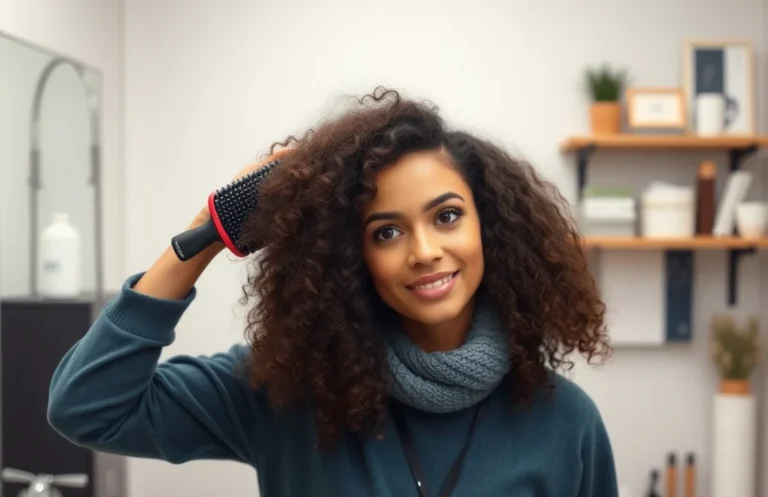
Consider using a specialized detangling brush. These brushes often have flexible bristles designed to glide through hair without causing breakage. They can be particularly useful for thicker or curlier hair types. Brush in small sections and always start at the ends to maintain hair integrity.
Schedule regular trims to manage split ends. Regular maintenance helps reduce tangles over time. Even a small trim every six to eight weeks can keep your ends healthy, making detangling easier in the long run. Healthier hair is less prone to tangling and breakage.
Heat Protection Strategies
Applying heat protectants before styling is essential for maintaining healthy hair. These products create a barrier between your strands and high temperatures, minimizing damage from tools like blow dryers, flat irons, and curling wands. Look for sprays or creams that contain silicones or natural oils, which can effectively shield your hair from heat exposure.
Selecting the right amount of product matters. Generally, a small amount—about a dime-sized portion—is sufficient for medium-length hair. Focus on applying the product evenly from mid-length to the ends, avoiding the roots to prevent greasiness. Ensure your hair is slightly damp for optimal absorption before using heat styling tools.
Investing in quality heat protectants pays off. Not all products are created equal; some offer additional benefits, such as UV protection or hydration. Read labels carefully and opt for those formulated specifically for your hair type, whether it’s fine, thick, or color-treated. Prioritizing this step in your daily routine will result in smoother, shinier, and healthier-looking locks.
Regularly re-evaluating your heat protectant is wise. As your hair changes with seasons or styling habits, you may need to switch products. Experimenting with different formulations can help you find the perfect match, ensuring your hair remains resilient and vibrant despite frequent heat exposure.
Moisturizing Treatments
Daily hydration is crucial for maintaining healthy hair. Incorporate a leave-in conditioner into your routine to provide moisture throughout the day. Look for products that contain ingredients like aloe vera or shea butter, which are known for their moisturizing properties. Apply a small amount to damp hair after washing for best results.
Regular deep conditioning masks significantly enhance moisture retention. Aim to use a deep conditioner once or twice weekly for optimal hydration. Focus on applying it from mid-length to the ends. This targeted application helps repair any damage and keeps hair looking shiny and vibrant.
Natural oils serve as excellent moisturizers. Argan oil and coconut oil can penetrate the hair shaft, providing nourishment and shine. Use a few drops on the ends of your hair to tame frizz and add moisture without weighing it down. This approach allows for a healthy balance of hydration.
Hydrating hair mists are another practical option. These lightweight sprays can be used throughout the day to refresh and hydrate your locks. Look for mists enriched with vitamins and botanical extracts to enhance hair health. A quick spritz can revive your hairstyle and combat dryness.
Routine adjustments can improve overall moisture levels. Avoid washing your hair every day, as this can strip natural oils. Instead, opt for washing every other day or using dry shampoo in between to maintain cleanliness while preserving hydration. This strategy helps keep hair balanced and healthy.
Scalp Care Essentials
Prioritize scalp health for optimal hair growth. A clean and well-nourished scalp creates the perfect environment for hair follicles to thrive. Regular cleansing removes dirt, oil, and product buildup, preventing clogged pores that can lead to hair loss and scalp irritation. Incorporate gentle scalp scrubs or exfoliating treatments into your routine to enhance circulation and promote overall scalp vitality.
Massage techniques significantly enhance blood flow. Spend a few minutes each day gently massaging your scalp with your fingertips. This practice not only feels great but also stimulates circulation, delivering vital nutrients and oxygen to hair roots, thus encouraging healthier hair growth and reducing stress. Consider using natural oils, like jojoba or coconut oil, for added nourishment during your massage.
Hydration impacts scalp health directly. Drink plenty of water daily to keep your scalp hydrated from the inside out. Dehydration can lead to dryness and flakiness, which may cause discomfort and contribute to hair issues. Additionally, using hydrating hair products can help maintain moisture levels on the scalp, fostering a balanced environment for hair growth.
Awareness of scalp conditions is crucial. Watch for signs of irritation, dandruff, or excessive oiliness, as these can negatively affect your hair. If you notice persistent issues, consult a dermatologist or trichologist for specialized treatment options. Maintaining a healthy scalp is fundamental to achieving healthy, luscious locks.
Trimming Frequency
Regular trims are essential for maintaining healthy hair. Aim to trim every 6 to 8 weeks to remove split ends and prevent further damage. Consistent trimming keeps your hair looking fresh and vibrant, enhancing its overall appearance. This practice is particularly important if you style your hair frequently or use heat tools.
Scheduling appointments with a professional stylist can ensure precision. Experienced hairdressers know how much to cut based on your hair type and desired length. Communicate your goals clearly to achieve the best results. Consider bringing photos for reference during your consultation.
Monitoring your hair condition helps determine if you need a trim sooner. Signs like frizz, rough texture, or excessive tangling indicate it’s time for maintenance. Paying attention to these signs allows for timely interventions, ensuring your hair remains healthy.
Incorporating trims into your hair care routine significantly contributes to achieving luscious locks. Consistency is key, and making trimming a priority can yield noticeable results. Embrace the process as a vital step in your daily hair maintenance.
Quick Summary
- Brush your hair daily to prevent tangles and distribute natural oils.
- Use a sulfate-free shampoo and conditioner to maintain moisture and shine.
- Limit heat styling and always use a heat protectant when necessary.
- Trim your hair every 6-8 weeks to reduce split ends.
- Incorporate a weekly deep conditioning treatment for added hydration.
- Protect your hair from sun damage with hats or UV protection products.
- Stay hydrated and maintain a balanced diet for healthier hair growth.
Frequently Asked Questions
What are the best daily hair care practices?
To maintain healthy hair, it’s important to wash it regularly with a suitable shampoo and conditioner for your hair type. Additionally, using a leave-in conditioner or serum can help keep your hair moisturized and manageable.
How often should I wash my hair?
The frequency of hair washing depends on your hair type and lifestyle. Generally, if you have oily hair, washing it every 1-2 days is ideal, while dry or curly hair may only need washing every 3-7 days to prevent stripping natural oils.
What products should I use for daily maintenance?
Look for products that suit your specific hair type, such as sulfate-free shampoos, moisturizing conditioners, and heat protectants if you use styling tools. Additionally, consider using a lightweight oil or serum to add shine and reduce frizz.
How can I prevent damage from styling tools?
To minimize damage, always apply a heat protectant before using styling tools like blow dryers or straighteners. Also, try to limit the use of high heat settings and consider using tools with adjustable temperatures for better control.
What are some tips for detangling hair without causing breakage?
Always detangle your hair when it’s damp, using a wide-toothed comb or a detangling brush to avoid breakage. Start from the ends and work your way up to gently remove knots, and consider using a leave-in conditioner for added slip.

- Medium Hairstyles for School: 25 Best Looks That Are Easy - March 31, 2026
- Hairstyles for Medium Hair for School: Easy and Stylish - March 31, 2026
- Hairstyles for Medium Length Hair for School: 28 Styles That Are Easy - March 31, 2026