Effortless Hair Care Routine: Simple Steps for Beginners
Studies show that 70% of young adults feel overwhelmed by hair care choices, leading to confusion and frustration. Simplifying your hair care routine is essential for achieving healthy hair without the stress. Just a few easy steps can transform your hair while fitting seamlessly into your busy lifestyle.
Starting with basic products, you need a gentle shampoo and conditioner suited for your hair type. Focus on easy techniques like proper washing and drying methods. Consistency is key for visible results, so stick to a routine that feels manageable for you.
Choosing the Right Shampoo
Identify your hair type first. Different hair types require specific shampoo formulas for optimal care. For instance, if your hair is oily, look for clarifying shampoos that help remove excess oil. Conversely, dry hair benefits from moisturizing shampoos that provide hydration and nourishment.
Consider ingredients in your shampoo. Natural ingredients like aloe vera and coconut oil offer hydration, while proteins strengthen hair. Avoid sulfates and parabens, as these can strip hair of its natural oils and lead to damage over time.
Evaluate your scalp health as well. A healthy scalp promotes better hair growth. If you experience issues like dandruff or irritation, opt for shampoos specifically designed to treat those conditions. Medicated shampoos can provide relief and improve overall scalp condition.
Test different products gradually. Experiment with various shampoos to find what works best for your hair. Start with smaller sizes to avoid wasting money, and pay attention to how your hair reacts after each wash. This will help you establish a routine that suits your needs.
Key Points for easy hair care routine for beg
Conditioning your hair properly enhances its health and appearance. Follow these straightforward steps to effectively use conditioner after shampooing. Proper application can make a noticeable difference, ensuring your locks remain hydrated and manageable.
- Apply conditioner to damp hair. Start by squeezing out excess water from your hair after rinsing out shampoo.
- Use a small amount. A quarter-sized dollop is often enough for medium-length hair. Adjust based on your hair type and length.
- Focus on mid-lengths and ends. Concentrate product on the lower half of your hair where it’s typically drier. Avoid the scalp to prevent greasiness.
- Gently comb through. Use a wide-tooth comb or your fingers to distribute the conditioner evenly. This helps detangle and ensures all strands are coated.
- Leave it in for a few minutes. Allow the conditioner to work its magic. A few minutes is usually sufficient for hydration and nourishment.
- Rinse thoroughly with cool water. Cool water helps seal the hair cuticle, enhancing shine and smoothness.
Following these steps will ensure that your hair receives the moisture it needs without complicating your routine. Simple techniques lead to effective results.
Gentle Drying Techniques
Patting hair dry gently is vital. Using a soft, absorbent towel minimizes frizz and damage. Avoid aggressive rubbing, which can create breakage and split ends. Instead, squeeze excess water out of your hair while holding it with both hands. This simple method protects your strands and keeps them healthy.
Air drying offers an excellent alternative. Allowing your hair to dry naturally reduces heat exposure, which can be harmful. Try to let your hair dry at least partially before using any heat styling tools. This approach not only preserves your hair’s integrity but also saves time.
If you must use a blow dryer, keep these tips in mind:
- Set the dryer to low heat.
- Hold it at least six inches away from your hair.
- Use a diffuser attachment for wavy or curly hair.
- Always move the dryer around to avoid concentrating heat on one spot.
Incorporating these drying techniques will significantly enhance your hair care routine. Keeping it simple and gentle is key to achieving healthier, more manageable hair.
Brushing and Detangling
Brushing and detangling hair properly prevents breakage and promotes healthy locks. Start with a wide-tooth comb or a detangling brush, especially on wet hair. Always work from the ends upwards to minimize tugging and damage. Now, follow these simple steps for effective detangling:
- Begin at the ends. Gently comb or brush the tips of your hair to remove tangles without pulling.
- Move upwards gradually. Progressively work your way up the hair shaft, detangling small sections at a time.
- Use a detangling spray. Apply a leave-in conditioner or detangling spray for added slip and ease while brushing.
- Be gentle. If you encounter a stubborn knot, don’t yank. Instead, use your fingers to gently separate the strands.
- Brush regularly. Incorporate brushing into your daily routine to keep hair smooth and reduce future tangles.
Following these steps ensures a smoother brushing experience while maintaining hair integrity. Remember, patience is key!
Heat Protection Essentials
Applying heat protectant is crucial. This product acts as a barrier between your hair and the heat from styling tools. Using a heat protectant can significantly reduce the risk of damage and keep your hair looking healthy. Look for one that suits your hair type and is easy to apply.
Spray or cream options exist. If you prefer a lightweight feel, choose a spray. For thicker hair, a cream may provide better coverage. Always apply it to dry or slightly damp hair before using heat tools. Focus on the mid-lengths to the ends, where damage is most likely to occur.
Heat tools should be adjusted. Set your styling tools to the lowest effective temperature to minimize damage. For fine hair, around 300°F is sufficient, while thicker hair can handle temperatures closer to 400°F. Always keep the heat tool moving to avoid concentrating heat in one area.
Routine application is vital. Incorporate heat protectant into your hair care regimen every time you style your hair. Consistency will lead to healthier hair over time. Remember, taking this simple step can make a significant difference in maintaining the quality of your strands.
Simple Styling Tips
Creating effortless hairstyles relies on using easy techniques that fit your lifestyle. Start by mastering the classic low ponytail. It’s quick and stylish, perfect for any occasion. Simply gather your hair at the nape of your neck, secure it with a hair tie, and pull a few strands loose to frame your face for a relaxed look.
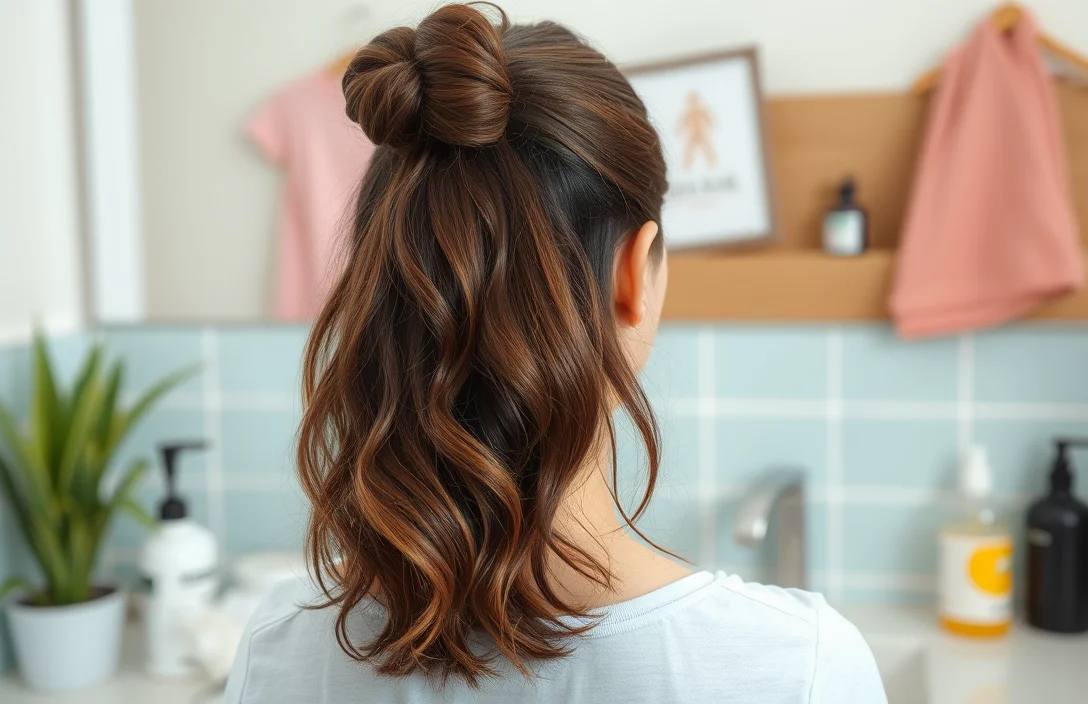
Next, try the half-up, half-down style. This versatile option works well for both casual outings and more formal events. Divide your hair into two sections, securing the top half with a hair tie or clip. Leave the bottom half down for a chic, effortless appearance.
Incorporate braids for added texture and style. Simple three-strand braids can be done on the side or as a crown braid. They take just a few minutes and can transform your look from basic to beautiful with minimal effort.
Lastly, use hair accessories to elevate your everyday looks. Headbands, clips, or scrunchies can instantly add flair to any hairstyle. Choose pieces that complement your outfits to create a cohesive look without spending too much time styling.
Regular Maintenance Schedule
Establishing a regular maintenance schedule is crucial for healthy hair. Aim to wash your hair every 2-4 days based on your hair type and lifestyle. If you have oily hair, you might need to wash more frequently, while dry hair may require fewer washes. Consistency helps maintain moisture and prevents damage.
Scheduling deep conditioning treatments bi-weekly or monthly can significantly improve hair health. Choose a time when you can relax, like a weekend afternoon, to apply a deep conditioner. Leave it on for at least 15-30 minutes before rinsing to allow the product to penetrate your strands.
Trimming your hair every 6-8 weeks helps remove split ends and promotes healthy growth. Regular trims prevent further damage, making your hair look healthier overall. You can visit a salon or trim it yourself if you’re comfortable with basic hair cutting techniques.
Monitoring your hair’s response to products is essential. Keep track of how your hair reacts to different shampoos, conditioners, and treatments. If you notice any irritation or dryness, adjust your product choices accordingly to find the best fit for your hair type.
Quick Summary
- Start with a gentle shampoo to cleanse your hair without stripping its natural oils.
- Condition your hair regularly to keep it hydrated and manageable.
- Use a wide-tooth comb to detangle wet hair, minimizing breakage.
- Limit heat styling to prevent damage; opt for air-drying when possible.
- Incorporate a deep conditioning treatment once a week for added moisture.
- Protect your hair from environmental factors by wearing a hat or using UV protection products.
- Establish a regular trimming schedule to maintain healthy ends and prevent split ends.
Frequently Asked Questions
What basic products do I need for a simple hair care routine?
For beginners, start with a gentle shampoo, a nourishing conditioner, and a leave-in conditioner or hair oil. These products will help cleanse, hydrate, and protect your hair without overwhelming you with choices.
How often should I wash my hair?
Washing your hair 2-3 times a week is usually sufficient for most hair types. If your hair gets oily quickly, you might need to wash it more often, but be careful not to strip your hair of its natural oils.
What techniques should I use to dry my hair without causing damage?
To avoid damage, gently pat your hair dry with a soft towel instead of rubbing it. Consider air-drying or using a blow dryer on a low heat setting, and always use a heat protectant if you choose to style with heat.
How can I tell what hair type I have?
Your hair type can generally be categorized as straight, wavy, curly, or coily. Observe how your hair dries naturally after washing it, and consider factors like thickness and porosity to better understand its needs.
What can I do for visible results without a complicated routine?
Focus on consistency with your basic routine and choose products that suit your hair type. Incorporating a weekly deep conditioning treatment and minimizing heat styling will help improve your hair’s health and appearance over time.

- Does Summer Really Boost Hair Growth Speed? Insights and Facts - March 31, 2026
- Medium Hairstyles for School: 25 Best Looks That Are Easy - March 31, 2026
- Hairstyles for Medium Hair for School: Easy and Stylish - March 31, 2026