
10 Hair Care Habits to Cultivate for Stronger, Healthier Hair
Studies reveal that 90% of people experience hair breakage due to poor hair care habits. Simple adjustments in your routine can significantly improve hair strength and health. Stronger hair isn’t just a myth; it’s achievable through consistent, effective practices that anyone can adopt.
Implementing hydration, gentle cleansing, and regular trims are essential for maintaining strong hair. Avoid excessive heat styling and embrace protective styles. Nutrition also plays a crucial role; a balanced diet rich in vitamins and minerals supports hair strength and growth.
Daily Hydration Practices
Drinking sufficient water directly supports hair health. Hydration plays a crucial role in maintaining moisture levels within hair strands, preventing brittleness and breakage. Aim for at least eight glasses of water daily to ensure your body, including your hair, remains well-hydrated.
Consistent water intake aids in nutrient transportation. Essential vitamins and minerals reach hair follicles more efficiently when the body is hydrated. This process enhances hair growth and overall strength, making it vital to prioritize hydration in your daily routine.
Monitoring your hydration levels can be beneficial. Signs of dehydration often include dry skin and brittle hair. If you notice these symptoms, increase your water intake and observe improvements in your hair’s texture and resilience.
Incorporating water-rich foods can boost hydration. Fruits and vegetables like cucumbers, oranges, and strawberries contribute to overall fluid intake. These options not only hydrate but also provide essential nutrients that promote stronger hair.
Establishing a hydration schedule helps maintain consistency. Setting reminders or associating water intake with daily activities can make it easier to drink the recommended amount. Create habits that integrate hydration into your lifestyle for optimal hair health.
Gentle Washing Techniques
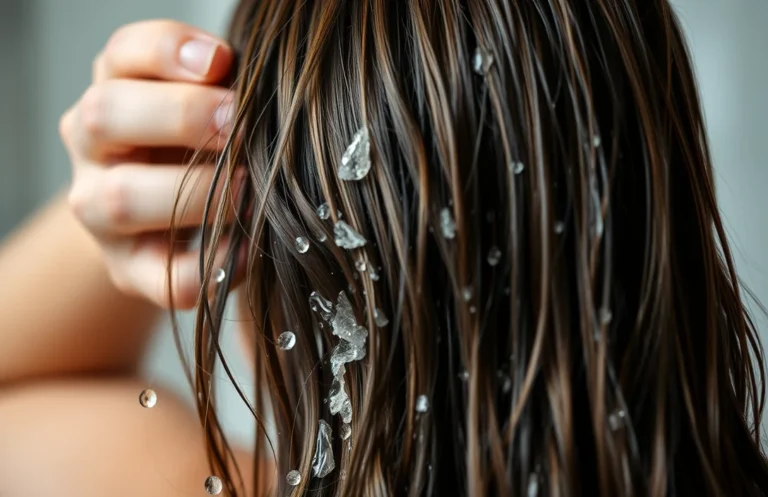
Washing hair correctly prevents damage and promotes strength. Opt for a sulfate-free shampoo to reduce harsh chemicals that strip natural oils. Gentle cleansing helps maintain moisture levels, ensuring hair remains vibrant and healthy.
- Wet hair thoroughly with lukewarm water. Hot water can lead to dryness and frizz, so keep it warm but comfortable.
- Apply a small amount of shampoo, focusing on the scalp. Massaging the scalp with fingertips rather than nails encourages circulation without irritation.
- Rinse completely before applying conditioner. Residual shampoo can weigh hair down, making it look limp.
- Distribute conditioner from mid-lengths to ends. This method prevents buildup at the roots and nourishes the most damaged areas.
- Allow the conditioner to sit for a few minutes. This waiting period maximizes absorption and enhances the conditioning effect.
- Rinse with cool water to seal the cuticle. Cool water helps lock in moisture and adds shine, contributing to overall hair health.
Implementing these gentle washing techniques can significantly improve hair resilience and appearance. Consistency is key for maintaining stronger hair over time.
Regular Trimming Schedule
Maintaining a regular trimming schedule strengthens hair significantly. Cutting off split ends and damaged portions prevents further breakage, ensuring healthier strands. Aim for a trim every 6-8 weeks, depending on your hair type and growth rate. This simple habit can lead to noticeable improvements in hair texture and appearance.
Incorporating trims into your routine promotes overall hair health by:
- Removing split ends that can travel up the hair shaft.
- Encouraging fuller, thicker-looking hair as it grows.
- Reducing frizz and flyaways for smoother styles.
- Boosting shine by eliminating lifeless ends.
Scheduling appointments with a trusted stylist ensures precision and care during the trimming process. Communicate your hair goals to achieve the best results. Regular trims serve as a proactive measure to maintain and enhance the strength of your hair.
Protective Styling Methods
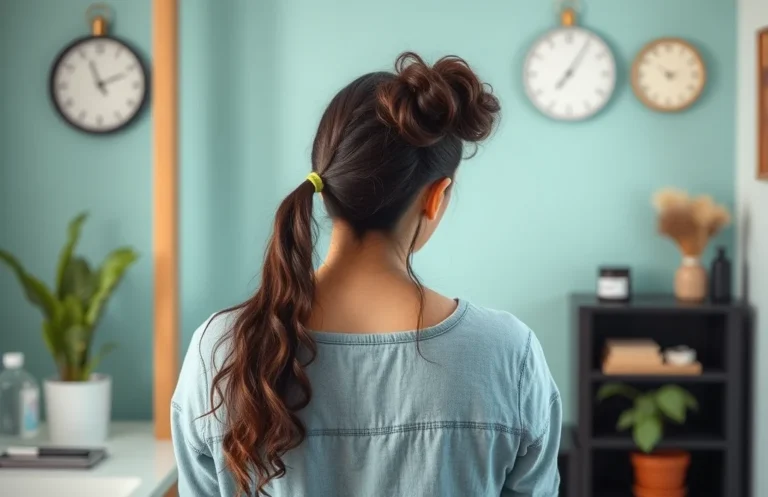
Preventing hair breakage requires effective protective styling methods. Braids, twists, and buns are excellent choices that help shield hair from environmental stressors. These styles minimize manipulation, reducing the risk of damage while keeping hair secure. Aim for low-tension styles to avoid excessive pulling on the scalp, ensuring hair remains strong and healthy.
Using hair accessories wisely enhances protection. Opt for fabric-covered hair ties instead of rubber bands, which can snag and break hair. Additionally, consider using silk or satin scarves and pillowcases to reduce friction while sleeping. These materials help maintain moisture, preventing dryness and brittleness.
Rotating styles regularly contributes to overall hair health. Switching between different protective styles allows hair to rest from tension and stress. Ensure to give your scalp and strands a break by removing styles every few weeks, allowing for proper care and nourishment during the transition.
Maintaining scalp health is crucial for stronger hair. While in protective styles, incorporate scalp massages to stimulate blood flow and promote growth. Use oils or serums to keep the scalp hydrated, ensuring that hair follicles remain nourished and ready for new growth.
Nutrient-Rich Diet Choices
Incorporating specific foods promotes strong hair. Nutrients such as proteins, vitamins, and minerals play essential roles in hair health. Focus on a balanced diet that includes these vital components. Eggs, fish, nuts, and leafy greens offer significant benefits. Each of these foods contributes uniquely to follicle strength and overall hair resilience.
Proteins are fundamental for hair structure. Keratin, the primary protein in hair, requires adequate dietary protein to maintain its integrity. Including sources like chicken, turkey, and legumes can enhance your hair’s strength. Aim for a variety of protein sources to ensure you receive all essential amino acids.
Vitamins A, C, D, and E support hair growth. Vitamin A helps in the production of sebum, promoting a healthy scalp. Citrus fruits, berries, and dark leafy greens deliver vital antioxidants. Incorporate these into your meals to boost hair vitality and combat oxidative stress.
Iron and zinc are crucial minerals for hair health. Iron deficiency can lead to hair loss, so include red meat, lentils, and spinach in your diet. Zinc aids in tissue growth and repair, making foods like seeds and whole grains important for maintaining healthy hair.
Omega-3 fatty acids nourish hair follicles. Fatty fish like salmon and walnuts provide these essential fats, promoting a healthy scalp and reducing inflammation. Regularly consuming these foods can enhance the overall quality of your hair.
Heat Protection Strategies
Protecting hair from heat damage is crucial for maintaining its strength. Applying heat protection products before styling can significantly reduce the risk of breakage and dryness. Always choose a quality heat protectant that suits your hair type, whether it be sprays, creams, or serums.
- Always apply heat protectant first. Spray or rub the product evenly through dry or damp hair, focusing on the ends where damage occurs most.
- Limit heat styling frequency. Reducing the number of times you use hot tools each week minimizes cumulative damage.
- Opt for lower heat settings. Use the lowest effective temperature on your styling tools to achieve the desired results without overheating the hair.
- Invest in quality tools. Professional-grade styling tools often have better heat control and materials that reduce hair damage compared to cheaper options.
- Allow hair to air dry. Whenever possible, let your hair dry naturally instead of using a blow dryer, giving it a break from heat exposure.
By implementing these heat protection strategies, you can maintain healthier hair while enjoying your styling routines.
Scalp Care Routine
Healthy scalp contributes significantly to hair strength. Regularly caring for your scalp ensures optimal conditions for hair growth and reduces issues such as dryness or irritation. Incorporating this into your routine can enhance overall hair health and resilience.
Exfoliating the scalp removes dead skin cells. Using a gentle scrub or a scalp exfoliant once a month helps promote circulation and unclogs hair follicles. Choose a product that suits your scalp type to maintain balance and avoid irritation.
Massaging the scalp stimulates blood flow. Use your fingertips to gently massage in circular motions for several minutes. This simple practice can enhance circulation, delivering nutrients to hair follicles and promoting stronger, healthier hair.
Hydrating the scalp is essential for maintaining moisture. Consider using scalp oils or serums that contain nourishing ingredients like jojoba or tea tree oil. Applying these products regularly can prevent dryness and flakiness, allowing your hair to thrive.
Cleansing the scalp effectively prevents buildup. Choose a sulfate-free shampoo that matches your hair type, using it consistently to maintain a clean environment for hair growth. Ensure thorough rinsing to avoid residue that can weigh hair down.
Protecting the scalp from environmental damage is crucial. Wearing hats or scarves during excessive sun exposure shields your scalp from harmful UV rays. This protection helps prevent sunburn and maintains the integrity of your hair follicles.
Quick Summary
- Regular trimming helps prevent split ends and promotes healthier growth.
- Use a sulfate-free shampoo to maintain natural oils and prevent dryness.
- Incorporate a deep conditioning treatment weekly for added moisture and strength.
- Avoid excessive heat styling to minimize damage and breakage.
- Eat a balanced diet rich in vitamins and minerals that support hair health, such as biotin and omega-3 fatty acids.
- Stay hydrated to keep hair follicles nourished and improve overall hair texture.
- Protect hair from environmental stressors like sun exposure and pollution with appropriate products.
Frequently Asked Questions
What are the best practices for washing my hair?
It’s recommended to wash your hair 2-3 times a week with a sulfate-free shampoo to avoid stripping natural oils. Always follow up with a good conditioner to maintain moisture and softness.
How often should I use hair masks or deep conditioners?
Using a hair mask or deep conditioner once a week can significantly improve hair strength and moisture levels. Choose a product suitable for your hair type to address specific concerns like dryness or damage.
What should I avoid to prevent hair damage?
Avoid excessive heat styling, tight hairstyles, and harsh chemicals, as these can weaken hair over time. Instead, opt for heat protectants and gentle styling methods to minimize damage.
How does diet affect hair health?
A balanced diet rich in vitamins and minerals, particularly biotin, vitamin E, and omega-3 fatty acids, can promote stronger hair growth. Incorporating foods like nuts, fish, and leafy greens can enhance your hair’s overall health.
Can regular trims really help with stronger hair?
Yes, regular trims every 6-8 weeks help eliminate split ends and prevent further damage, promoting healthier hair growth. Keeping your hair well-maintained is key to achieving stronger locks.

- Does Summer Really Boost Hair Growth Speed? Insights and Facts - March 31, 2026
- Medium Hairstyles for School: 25 Best Looks That Are Easy - March 31, 2026
- Hairstyles for Medium Hair for School: Easy and Stylish - March 31, 2026