Repair Your Hair: How Protein Conditioners Transform Damaged Strands
Studies show that protein conditioners can strengthen hair by up to 50%, significantly reducing breakage and improving overall hair health. This is crucial for anyone dealing with damaged hair, as protein is essential for repairing and rebuilding the hair structure.
Protein conditioners work by restoring lost strength, repairing damaged strands, and enhancing elasticity. These benefits lead to smoother, shinier hair and help prevent future damage, making protein conditioners a vital part of any hair care routine.
How Protein Strengthens Hair
Protein serves as a fundamental building block for hair structure. Composed mainly of keratin, hair relies on protein to maintain its strength and resilience. Without adequate protein, strands become brittle and prone to breakage, leading to overall damage and dullness. Incorporating protein-rich conditioners into your routine can significantly enhance the health of your hair.
Keratin treatments act like a protective barrier, fortifying each strand. This approach not only repairs existing damage but also prevents future issues by enhancing elasticity and reducing frizz. Protein conditioners infuse hair with necessary nutrients, creating a smoother surface that reflects light better, resulting in shinier hair. Regular use contributes to long-term strength.
Incorporating protein conditioners can transform hair texture and appearance. Many formulations contain hydrolyzed proteins, which penetrate deeply into the hair shaft. These proteins bond with damaged areas, effectively filling gaps and reinforcing weak spots. Over time, this results in visibly healthier hair, making styling easier and more manageable.
Regular application of protein treatments is essential for maintaining optimal hair health. Different hair types require varying levels of protein, so consider your specific needs. Monitoring how your hair responds to these treatments will help tailor your routine effectively, ensuring maximum benefit for your strands.
Repairing Damage with Protein
Protein conditioners effectively mend split ends and breakage. These specialized treatments work by penetrating the hair shaft and reinforcing weakened areas, leading to healthier-looking hair. Regular use can significantly reduce the appearance of damage and improve overall hair integrity.
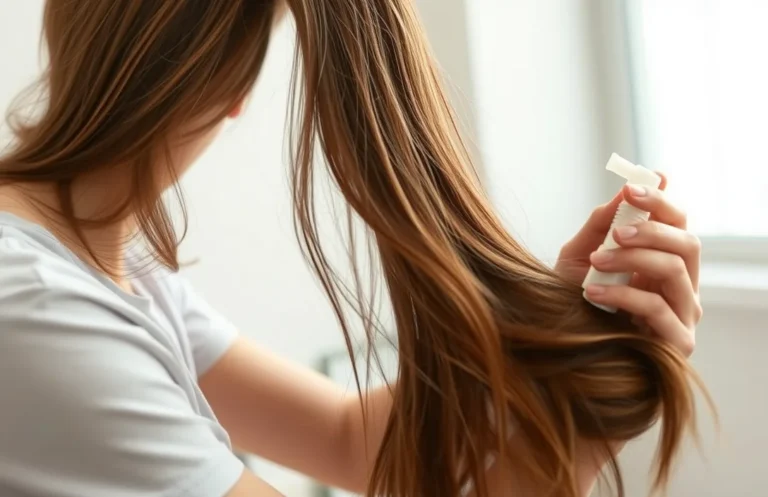
- Apply protein conditioner generously to damp hair. Focus on the ends where split ends are most prevalent. This targeted application allows the formula to work directly on damaged areas.
- Massage the product into your hair thoroughly. Use your fingertips to ensure even distribution, which enhances absorption. This technique maximizes the conditioner’s effectiveness on weak strands.
- Leave the conditioner in for the recommended time. Allowing it to sit for several minutes enables the proteins to bond with the hair, providing much-needed strength and resilience.
- Rinse thoroughly with cool water. This step helps seal the cuticle, locking in the benefits of the treatment while promoting shine. Cool water also aids in minimizing frizz.
- Style as usual after rinsing. After using a protein conditioner, you may notice improved manageability and reduced hair breakage. Incorporate it into your routine for consistent results.
Moisture Balance with Protein
Protein conditioners play a crucial role in maintaining moisture levels in hair. They provide essential amino acids that help restore the hair’s structure while simultaneously locking in hydration. This balance prevents dryness and brittleness, allowing for healthier, more resilient strands.
- Hydrating proteins penetrate the hair shaft. These molecules fill gaps in the cuticle layer, creating a smooth barrier that retains moisture. Effective conditioners contain hydrolyzed proteins that easily absorb into the hair.
- Moisture retention improves elasticity. With adequate protein, hair becomes less prone to breakage. Stronger, more elastic hair means fewer split ends and less damage over time.
- Using conditioners regularly enhances moisture levels. Incorporate protein treatments into your routine, especially after chemical treatments or heat styling. Consistency ensures protection against dryness.
- Combining oils with protein boosts hydration. Natural oils, such as argan or coconut, complement protein conditioners by sealing moisture in the hair. This combination promotes softness and shine.
- Monitoring moisture balance is essential. Keep an eye on how your hair responds to products. Adjust frequency and types of conditioners based on your hair’s needs to maintain optimal health.
Smoothness and Shine Enhancement
Protein conditioners significantly enhance hair texture and shine by penetrating each strand and repairing damage. This results in smoother cuticles and a reflective surface, giving hair a healthy, glossy appearance. Regular use leads to noticeable improvements, making hair more manageable and vibrant.
- Apply protein conditioner to damp hair, focusing on mid-lengths to ends. This ensures the most damaged areas receive adequate nourishment.
- Leave the product in for 5-10 minutes, allowing time for penetration. This step is crucial for maximizing the benefits of the protein treatment.
- Rinse thoroughly with cool water to seal the cuticle. Cooler temperatures help lock in moisture and enhance shine.
- Style as desired, taking care to use heat protectants if heat styling. Protecting hair from further damage maintains the smooth, shiny results achieved.
Incorporating this routine with a protein conditioner will make a significant difference in the overall appearance and feel of your hair. Regular maintenance leads to healthier, shinier strands that radiate vitality.
Protection from Environmental Stressors
Protein conditioners form a protective layer around each hair strand. This barrier shields hair from damaging environmental factors like UV rays, pollution, and humidity. By reinforcing the hair’s structure, these conditioners help maintain moisture levels while preventing further damage from external aggressors.
- Sun exposure can cause dryness. Apply a protein conditioner before sun exposure to create a protective shield. This step helps maintain hydration and minimizes damage from harmful UV rays.
- Pollution contributes to hair fragility. Regularly using protein conditioners can combat this issue by preventing buildup and creating a barrier against environmental toxins. This keeps hair healthier and more resilient.
- Humidity can lead to frizz. Protein conditioners help lock in moisture, preventing excessive absorption of humidity. Maintaining a balanced moisture level results in smoother, more manageable hair.
- Heat styling damages hair. Incorporating a protein conditioner into your routine can enhance hair’s resilience against heat. Apply it before styling to protect against thermal damage and maintain strength.
- Color treatments weaken hair. Protein conditioners restore lost nutrients and strengthen hair after chemical processes. Using them regularly helps keep color-treated hair looking vibrant and healthy.
Types of Protein Used in Conditioners
Specific proteins play essential roles in repairing damaged hair. Each type offers unique benefits, tailoring the conditioner’s effects to your hair’s needs. Selecting the right protein can enhance the overall health, strength, and appearance of your locks.
- Keratin: This fibrous protein forms the primary structural component of hair. It helps restore strength and smoothness, making hair less prone to breakage.
- Silk Protein: Known for its ability to enhance moisture retention, silk protein improves shine and softness while creating a protective barrier against environmental damage.
- Wheat Protein: Rich in amino acids, wheat protein penetrates deeply to strengthen hair from within, increasing elasticity and reducing frizz.
- Soy Protein: This lightweight option aids in moisture balancing, promoting volume and softness without weighing hair down.
- Collagen: Often used for its hydrating properties, collagen helps improve hair thickness and overall texture, making strands appear fuller and healthier.
Choosing the right protein conditioner can make a noticeable difference in the overall condition of your hair. Incorporating these proteins into your hair care routine will enhance resilience and beauty.
Application Tips for Best Results
Follow these essential steps to maximize the benefits of protein conditioners on damaged hair. Proper application ensures that your strands receive the necessary nourishment and repair, leading to healthier hair over time.
- Apply on clean, damp hair. Start by washing your hair with a gentle shampoo to remove any buildup. Squeeze out excess water, as damp hair allows better absorption of the protein conditioner.
- Distribute evenly throughout hair. Use a wide-tooth comb or your fingers to ensure that the conditioner covers all sections of your hair. Focus on the ends, which typically need the most repair.
- Leave it in for recommended time. Check the product instructions to determine how long to leave the conditioner in. This duration is crucial for allowing the proteins to penetrate and strengthen damaged strands.
- Rinse thoroughly with cool water. After the recommended time has elapsed, rinse your hair thoroughly with cool water. This helps to seal the moisture and keep the benefits locked in.
- Use weekly for best results. Incorporate the protein conditioner into your hair care routine once a week. Regular use helps maintain strength and resilience, preventing further damage.
Incorporating these steps will significantly enhance the repairing effects of protein conditioners on damaged hair, leading to noticeable improvements in texture and health.
Quick Summary
- Protein conditioners strengthen hair by replenishing lost protein, which is essential for maintaining hair structure.
- They help repair damaged hair cuticles, reducing breakage and split ends.
- Protein treatments can enhance hair elasticity, making it more resilient to styling and environmental damage.
- Regular use of protein conditioners can improve overall hair texture, making it smoother and more manageable.
- These conditioners can add volume and thickness to fine or limp hair, giving it a healthier appearance.
- They often contain additional moisturizing ingredients that help prevent dryness and maintain hydration.
- Using a protein conditioner in moderation is key, as overuse can lead to stiffness or brittleness in some hair types.
Frequently Asked Questions
1. What is a protein conditioner?
A protein conditioner is a hair treatment designed to strengthen and repair damaged hair by infusing it with proteins. These proteins help to fill in gaps in the hair structure, making it more resilient and less prone to breakage.
2. How does protein conditioner benefit damaged hair?
Protein conditioners help restore elasticity and strength to damaged hair, which can result from factors like heat styling, chemical treatments, or environmental stressors. By reinforcing the hair shaft, they can prevent further damage and improve overall hair health.
3. How often should I use a protein conditioner?
The frequency of use depends on your hair’s specific needs, but generally, using a protein conditioner once every 1-2 weeks is recommended. If your hair is severely damaged, you might benefit from more frequent treatments, but be cautious not to overuse protein products, as this can lead to stiffness.
4. Can protein conditioner cause hair to feel hard or brittle?
Yes, overuse of protein conditioners can lead to hair feeling hard or brittle, especially if the hair is not adequately moisturized. It’s important to balance protein treatments with moisturizing conditioners to maintain optimal hair health.
5. Are there specific ingredients to look for in a protein conditioner?
Look for conditioners that contain hydrolyzed proteins, such as keratin, silk, or wheat protein. These ingredients are effective in penetrating the hair shaft and providing the strengthening benefits that damaged hair needs.

- Does Summer Really Boost Hair Growth Speed? Insights and Facts - March 31, 2026
- Medium Hairstyles for School: 25 Best Looks That Are Easy - March 31, 2026
- Hairstyles for Medium Hair for School: Easy and Stylish - March 31, 2026