How to Naturally Condition and Revitalize Damaged Hair
Studies show that 90% of women experience hair damage at some point, often caused by heat styling, chemical treatments, and environmental factors. Conditioning damaged hair naturally can restore its health, shine, and manageability without relying on harsh chemicals.
Natural solutions for hair conditioning include coconut oil, avocado masks, and aloe vera. These ingredients provide essential nutrients, improve moisture retention, and promote overall hair strength, effectively addressing damage while being gentle on your hair and scalp.
Understanding Hair Damage
Common causes of hair damage include excessive heat styling, chemical treatments, and environmental factors like sun exposure. Each of these elements weakens the hair structure, leading to dryness and breakage. Recognizing these factors is crucial for effective care and conditioning.
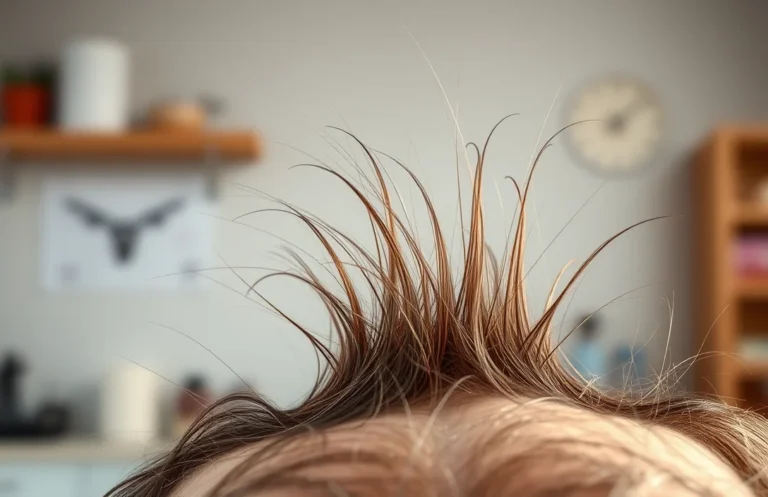
Visible signs of damaged hair include frizz, split ends, and a lack of shine. Hair may feel rough or brittle to the touch, indicating that it requires immediate attention. Identifying these symptoms early allows for timely intervention with natural conditioning methods.
Regular assessments of hair health can prevent severe damage. Monitoring changes in texture and appearance helps to tailor conditioning treatments effectively. By addressing issues promptly, you can maintain the integrity and vitality of your hair.
Preventative measures play a significant role in maintaining hair health. These may include using heat protectants, limiting chemical processes, and adopting protective hairstyles. Each step contributes to reducing the risk of damage and ensures hair remains resilient.
Natural Oils for Conditioning
Coconut oil enhances moisture retention and penetrates the hair shaft effectively. Known for its ability to reduce protein loss, it helps in repairing damaged hair. Apply warm coconut oil from roots to ends, allowing it to sit for at least 30 minutes before washing out. This method protects hair from further damage while promoting shine and softness.
Argan oil contains essential fatty acids and antioxidants that nourish hair. Rubbing a few drops into damp hair can restore elasticity and shine. Focus on the mid-lengths and ends to avoid greasiness at the roots. Regular use can gradually improve overall hair health, making it look vibrant and well-conditioned.
Jojoba oil mimics the natural sebum produced by the scalp. Using it can help balance oil production and keep hair hydrated. Massaging jojoba oil into the scalp promotes circulation and encourages healthy growth. Incorporating this oil into your routine can lead to stronger, healthier hair over time.
Olive oil serves as a deep conditioner, especially for coarse or curly hair types. Its rich consistency provides intense moisture and helps tame frizz. Heat olive oil gently and apply it to dry hair, covering with a shower cap for better absorption. Rinse thoroughly after about 30 minutes for soft, manageable locks.
Homemade Hair Masks
Creating effective hair masks using kitchen ingredients can significantly improve the health of damaged hair. Ingredients like honey, avocado, and yogurt provide essential nutrients and moisture. Here are some simple recipes to try at home.
Avocado and olive oil mask combines the nourishing properties of both ingredients. Mash one ripe avocado and mix it with two tablespoons of olive oil. Apply evenly to damp hair, focusing on the ends. Leave it on for 30 minutes before rinsing with a gentle shampoo.
Honey and coconut milk mask works wonders for hydration. Mix one tablespoon of honey with half a cup of coconut milk. Spread the mixture throughout your hair, ensuring full coverage. Allow it to sit for 20 minutes and then wash it out with lukewarm water.
Banana and yogurt mask offers extra vitamins. Blend one ripe banana with half a cup of plain yogurt. Massage the mixture into your scalp and hair, covering it thoroughly. After 25 minutes, rinse with cool water for shiny, revitalized locks.
Egg and honey mask strengthens hair effectively. Beat two eggs and mix in one tablespoon of honey. Apply to dry hair, concentrating on the roots. Let it sit for 15 minutes before rinsing with cool water to avoid cooking the eggs.
Herbal Rinses and Treatments
Herbal rinses can significantly enhance hair condition and shine. To create an effective rinse, choose herbs known for their nourishing properties. Common options include chamomile for light hair, nettle for strength, and rosemary for scalp stimulation. Prepare the rinse by steeping the herbs in hot water, allowing them to infuse for at least 30 minutes.
Cooling the rinse is essential. After steeping, let the mixture cool to room temperature. Strain out the herbs, keeping only the liquid. For added benefits, consider supplementing the rinse with essential oils such as lavender or tea tree, which can promote scalp health.
Applying the rinse effectively matters. After shampooing, pour the herbal rinse over your hair, ensuring even distribution. Gently massage the scalp to encourage absorption. Allow the rinse to sit for a few minutes before rinsing it out with cool water to lock in moisture and shine.
Regular use offers cumulative benefits. Incorporating herbal rinses into your hair care routine once or twice a week can lead to noticeable improvements in texture and vitality. Experiment with different herbs to find the combination that works best for your hair type and goals.
Gentle Washing Techniques
Minimize damage by selecting a mild, sulfate-free shampoo. Sulfates can strip natural oils and moisture from your hair, exacerbating damage. Look for products containing nourishing ingredients like aloe vera, coconut oil, or shea butter. These components help retain hydration, allowing your hair to regain its natural strength.
Rinse with lukewarm water to protect your scalp and hair cuticles. Hot water can lead to dryness and increased frizz, while cold water may not effectively remove dirt and product buildup. A balanced temperature helps maintain moisture levels, contributing to healthier hair.
Massage gently during washing to avoid breakage. Aggressive scrubbing can weaken strands and lead to split ends. Focus on your scalp, using your fingertips to stimulate blood circulation, promoting hair growth without damaging the lengths. Always be cautious and treat your hair with care.
Limit washing frequency to preserve natural oils. Over-washing can lead to dryness and brittleness, which are detrimental to damaged hair. Aim for two to three times a week, adjusting based on your hair type and lifestyle. In between washes, consider using dry shampoo to manage oiliness without further damage.
Consider incorporating a final rinse with diluted apple cider vinegar for added shine and softness. This natural conditioner helps close hair cuticles, enhancing smoothness and reducing frizz. Mix one part vinegar with three parts water, and apply it after shampooing for best results.
Heat Styling Alternatives
Embrace braiding as a styling method. Braids create beautiful waves without damaging hair from heat. For best results, slightly dampen hair before starting. Use a leave-in conditioner or natural oil to enhance moisture and shine. After a few hours or overnight, release the braids for effortless, natural-looking curls.
Try twist-outs for defined curls. Section hair into small parts and twist each section tightly against the scalp. Allow twists to set for several hours or overnight. Once released, gently separate curls for volume while maintaining definition, achieving a bouncy look without heat.
Consider using hair rollers as a non-damaging alternative. Foam or Velcro rollers can be applied to damp hair, providing a variety of curl sizes. Secure them in place and leave them in until hair is dry. This technique gives curls or waves that last throughout the day.
Utilize hair accessories creatively. Scarves, headbands, or clips can be employed to create unique styles. For instance, wrap hair around a headband for a chic look. These accessories not only elevate your style but also protect hair from environmental damage.
Explore the benefits of natural styling products. Products containing ingredients like aloe vera or coconut oil can provide hold without the need for heat. Look for lightweight gels or creams to define curls or waves naturally while nourishing hair at the same time.
Nutritional Support for Hair
Incorporating specific foods can significantly improve hair health. Nutrient-rich options include eggs, spinach, and fatty fish. Eggs supply protein and biotin, both vital for strong hair. Spinach offers iron and vitamins A and C, promoting a healthy scalp. Fatty fish, such as salmon, provide omega-3 fatty acids that enhance moisture and shine.
Including nuts and seeds also benefits hair condition. Almonds, walnuts, and flaxseeds are packed with essential fatty acids, zinc, and vitamin E. These nutrients help maintain scalp health and support hair growth. Snacking on a handful of these can easily boost your daily intake.
Considering supplements can enhance your diet. Biotin, vitamin D, and omega-3 supplements are popular choices for improving hair vitality. Biotin aids in keratin production, while vitamin D helps create new hair follicles. Omega-3 supplements can ensure adequate fatty acid intake, especially for those who don’t consume enough fish.
Maintaining hydration is crucial for hair health. Drinking sufficient water daily keeps hair hydrated from within. Dehydration can lead to dry, brittle hair, making proper hydration essential for maintaining that natural shine. Aim for at least eight glasses a day to support overall health.
Quick Summary
- Use natural oils like coconut, olive, or argan oil to nourish and hydrate damaged hair.
- Incorporate protein-rich foods and hair masks to strengthen hair strands.
- Limit heat styling and chemical treatments to prevent further damage.
- Utilize gentle, sulfate-free shampoos and conditioners to maintain moisture.
- Regularly trim split ends to promote healthier hair growth.
- Stay hydrated and maintain a balanced diet to improve hair health from within.
- Consider natural remedies like aloe vera and honey for added moisture and shine.
Frequently Asked Questions
What are some natural ingredients I can use to condition damaged hair?
Some effective natural ingredients include coconut oil, olive oil, honey, avocado, and aloe vera. These ingredients help to moisturize, repair, and nourish your hair, promoting healthier strands.
How often should I apply natural conditioners to my hair?
For best results, it is recommended to use natural conditioners at least once a week. However, you can adjust the frequency based on your hair’s specific needs and level of damage.
Can I leave natural conditioners in my hair overnight?
Yes, leaving natural conditioners in your hair overnight can provide deep conditioning benefits. Just make sure to cover your hair with a shower cap or old towel to prevent mess and to rinse it out thoroughly in the morning.
Are there any natural remedies for split ends?
While natural remedies cannot completely repair split ends, regular application of oils like argan or jojoba can help to temporarily smooth and manage them. Trimming your hair regularly is still the most effective way to eliminate split ends.
Is it safe to use essential oils for conditioning damaged hair?
Yes, essential oils like lavender, rosemary, and tea tree oil can be beneficial for hair health. However, always dilute essential oils with a carrier oil before applying them to your scalp or hair to avoid irritation.

- Does Summer Really Boost Hair Growth Speed? Insights and Facts - March 31, 2026
- Medium Hairstyles for School: 25 Best Looks That Are Easy - March 31, 2026
- Hairstyles for Medium Hair for School: Easy and Stylish - March 31, 2026