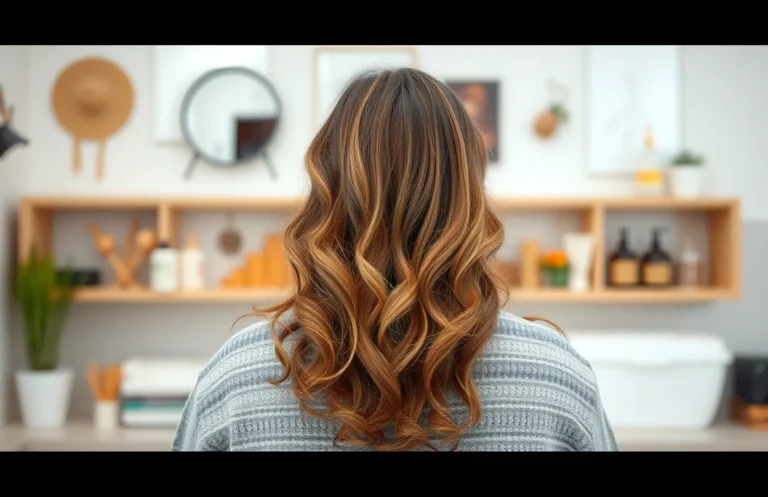
Revitalize Your Locks: How to Restore Moisture to Dry Hair
Studies show that over 50% of women experience dry hair at some point, often due to environmental factors, heat styling, or chemical treatments. Restoring moisture is essential not only for aesthetics but also for the health of your hair, making it vital to understand effective methods.
Effective methods to restore moisture include using hydrating shampoos, applying deep conditioning treatments, and incorporating oils like argan or coconut. Regular trims and avoiding excessive heat also play crucial roles in maintaining moisture and preventing further damage.
Identify Your Hair Type
Recognizing your hair type is essential for restoring moisture effectively. Different hair types—straight, wavy, curly, or coily—have unique needs. For instance, curly and coily hair often requires more hydration due to its structure, which makes it harder for natural oils to travel down the strands.
Assessing your hair’s porosity helps determine moisture retention capabilities. Low porosity hair tends to repel moisture, while high porosity hair absorbs it quickly but may lose it just as fast. Conduct a simple water test: place a strand in water. If it sinks quickly, your hair is high porosity; if it floats, it’s likely low porosity.
Evaluating hair thickness also plays a role. Fine hair may become greasy or weighed down by heavy products, while thick hair often requires richer moisturizers. Tailoring your approach based on these characteristics ensures effective hydration and revitalization of dry locks.
Identifying the health of your scalp is equally important. A dry or flaky scalp can contribute to overall dryness in hair. Regularly checking for flakiness or itchiness allows you to address these issues with targeted treatments.
Choose Hydrating Shampoos
Select shampoos specifically designed for hydration. Look for labels indicating moisturizing or hydrating formulas. Ingredients like aloe vera, glycerin, and natural oils are essential for restoring moisture. Shampoos free from sulfates and parabens prevent further drying, making them suitable for your hair care routine.
Ingredients play a crucial role. Opt for products containing shea butter or coconut oil, as these nourish and replenish dry hair effectively. Reading the ingredient list helps identify which products will work best for your unique hair type.
Brands often advertise their hydrating benefits. Trust reputable companies known for their quality formulations. Reviews and recommendations from others with dry hair can guide you in choosing the right product.
Frequency of use matters significantly. Incorporate hydrating shampoos into your routine based on your hair’s needs. For severely dry hair, consider using them every wash, while those with slightly dry hair may only need them a few times a week.
Transitioning to hydrating shampoos requires patience. Monitor your hair’s response over time, adjusting your product choices as necessary. Consistency is key to achieving optimal moisture levels and revitalizing your locks.
Incorporate Deep Conditioning
Deep conditioning treatments restore moisture effectively. Select a high-quality deep conditioner that contains nourishing ingredients like shea butter, coconut oil, or argan oil. Apply it generously to clean, damp hair, ensuring even distribution from roots to ends. For optimal results, leave the treatment in for at least 20-30 minutes, allowing the ingredients to penetrate and hydrate your strands.
Consider using heat to enhance absorption. Wrapping your hair in a warm towel or using a heated cap can open hair cuticles, allowing deeper penetration of the conditioner. This technique boosts moisture retention, making dry hair softer and more manageable. Rinse thoroughly with cool water to seal the cuticles and lock in moisture.
Regular application is key to moisture restoration. Aim to deep condition at least once a week, or more frequently if your hair is particularly dry or damaged. Consistency will help maintain hydration levels and improve overall hair health, reducing frizz and breakage while enhancing shine.
Use Hair Oils and Serums
Applying hair oils and serums effectively restores moisture and enhances shine. Focus on using products rich in natural oils, such as argan, coconut, or jojoba oil. These ingredients penetrate the hair shaft, providing deep hydration and reducing frizz. Simply apply a few drops to damp or dry hair, concentrating on the ends where dryness is more pronounced.
Selecting the right oil depends on your hair type. For fine hair, lighter oils like argan or grapeseed are ideal, as they won’t weigh the hair down. Conversely, thicker oils like castor or olive oil work better for coarser hair types, offering extra moisture and nourishment.
Incorporating serums into your routine adds an extra layer of protection. Look for serums specifically designed to combat dryness and enhance shine. Apply them after styling for a polished look, or use them on dry hair throughout the day to tame flyaways and rejuvenate your locks.
Experimenting with different combinations can lead to the best results. Try mixing oils with your regular conditioner or using them as a pre-shampoo treatment to maximize moisture absorption. Consistent application will not only restore moisture but also improve overall hair health.
Limit Heat Styling Tools
Reducing heat exposure is crucial. Frequent use of heat styling tools like blow dryers, straighteners, and curling irons can lead to further dryness. By limiting their use, you help retain moisture in your hair, leading to healthier strands over time. Opt for air-drying whenever possible, and reserve heat styling for special occasions.
Implementing heat-free hairstyles makes a significant difference. Styles such as braids, buns, or ponytails can be achieved without heat. These options not only protect your hair but also allow for a break from damaging temperatures. Additionally, when you do use heat tools, applying a heat protectant spray is essential to minimize damage.
Scheduling heat styling days wisely can be beneficial. Try to space out heat applications to give your hair time to recover. This approach helps maintain moisture levels and prevents brittleness. Moreover, consider using tools with adjustable temperatures to ensure you’re not exposing your hair to unnecessary heat.
Investing in quality heat styling tools is also important. Look for options that feature ceramic or tourmaline technology, which distribute heat evenly and reduce the risk of hot spots. By making informed choices, you can enjoy styling versatility without compromising the health of your hair.
Stay Hydrated and Eat Well
Hydration plays a crucial role in hair health. Drinking plenty of water daily helps maintain moisture levels in your hair. Aim for at least eight glasses of water each day to keep both your body and hair hydrated. Consider incorporating hydrating foods, such as cucumbers and watermelons, into your diet.
Nutrition impacts hair quality significantly. Incorporate foods rich in vitamins and minerals to support hair health. Vitamins A, C, D, and E, along with omega-3 fatty acids, contribute to moisture retention. Foods like avocados, nuts, and fatty fish can help nourish your hair from the inside out.
Protein is essential for hair structure. Consuming adequate protein sources, such as eggs, legumes, and dairy, can help strengthen your strands. Hair is primarily made of keratin, a protein, making it vital to include sufficient protein in your meals for optimal growth and moisture retention.
Consider supplements if necessary. Sometimes, diets may lack key nutrients for hair health. Biotin and collagen supplements can promote hydration and strength. Always consult with a healthcare professional before starting any new supplement regimen.
Protect Hair from Environment
Shielding your hair from environmental stressors is crucial for maintaining moisture. Sun exposure, wind, and pollution can strip hair of its natural oils, leading to dryness. Implementing protective measures helps preserve hydration and promotes healthier locks.
- Wear a hat outdoors. A wide-brimmed hat protects hair from UV rays, while also minimizing wind damage. Choose breathable materials to keep your scalp comfortable.
- Use UV protection products. Sprays and leave-in conditioners designed to shield hair from harmful rays are beneficial. Apply them before sun exposure for optimal results.
- Limit heat styling tools. Frequent use of blow dryers, curling irons, and straighteners can exacerbate dryness. Opt for air drying or low-heat settings to maintain moisture levels.
- Wash hair less frequently. Over-washing removes natural oils that keep hair hydrated. Try to wash every other day or use dry shampoo between washes.
- Consider indoor humidity. Dry indoor air can contribute to moisture loss. Using a humidifier during winter months can help maintain a balanced environment for your hair.
Quick Summary
- Use a hydrating shampoo and conditioner designed specifically for dry hair.
- Incorporate deep conditioning treatments at least once a week to replenish moisture.
- Limit heat styling tools and always use a heat protectant when necessary.
- Apply leave-in conditioners or hair oils to lock in moisture and add shine.
- Stay hydrated by drinking plenty of water and maintaining a balanced diet rich in healthy fats.
- Avoid washing hair too frequently to prevent stripping natural oils.
- Consider using a humidifier in dry environments to maintain moisture levels in the air.
Frequently Asked Questions
What are the main causes of dry hair?
Dry hair can be caused by a variety of factors, including environmental conditions like sun and wind exposure, excessive heat styling, and lack of proper hydration. Additionally, chemical treatments such as coloring and perming can strip hair of its natural moisture.
How often should I moisturize my hair?
It’s generally recommended to moisturize your hair at least once a week, but this can vary based on your hair type and environmental factors. For very dry hair, you may benefit from moisturizing treatments 2-3 times a week.
What products are best for restoring moisture?
Look for products that contain hydrating ingredients like argan oil, shea butter, and glycerin. Deep conditioning masks and leave-in conditioners specifically formulated for dry hair can also provide significant moisture restoration.
Can home remedies effectively moisturize dry hair?
Yes, many home remedies can be effective in moisturizing dry hair. Ingredients like coconut oil, olive oil, and honey can be applied as hair masks to help lock in moisture and improve hair health.
Should I avoid any products if I have dry hair?
Avoid products that contain sulfates, alcohol, and heavy fragrances, as these can strip natural oils and further dry out your hair. Instead, choose gentle, hydrating formulas that focus on moisture retention.

- Medium Hairstyles for School: 25 Best Looks That Are Easy - March 31, 2026
- Hairstyles for Medium Hair for School: Easy and Stylish - March 31, 2026
- Hairstyles for Medium Length Hair for School: 28 Styles That Are Easy - March 31, 2026