How to Stop Thinning Hair Fast – Proven Tips
Thinning hair is frustrating but it’s also one of the most treatable hair concerns when you catch it early.
If you’re looking for how to stop thinning hair fast, the answer lies in combining the right diet, scalp care, proven treatments, and lifestyle changes all at once.
Hair thinning doesn’t happen overnight, and neither does recovery but you can see meaningful improvement within weeks when you take the right steps.
This guide covers the real causes of hair thinning, the most effective solutions available today, and a clear action plan you can start immediately.
Whether you’re dealing with postpartum shedding, stress-related hair loss, or early-stage androgenetic alopecia, this article gives you everything you need to take back control of your hair health.
What Is Thinning Hair and How Do You Know You Have It?
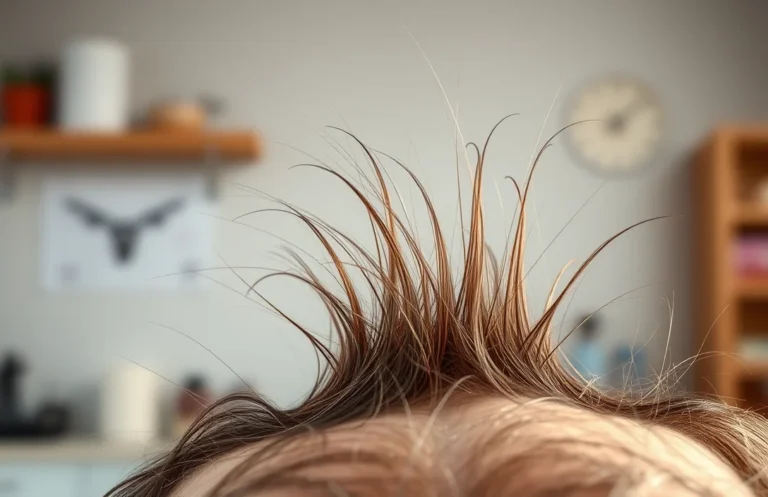
Thinning hair means your hair strands are becoming finer, fewer, or both — without necessarily going fully bald. It shows up as a wider part line, a ponytail that feels thinner than it used to, more scalp visibility, or increased shedding on your pillow and in the shower drain. Normal daily hair loss is 50 to 100 strands. When that number consistently exceeds this range, thinning is likely underway.
Diffuse Thinning vs. Pattern Hair Loss
There are two broad categories worth understanding. Diffuse thinning affects the whole scalp evenly and is more common in women — often linked to stress, diet, or hormonal shifts. Pattern hair loss (androgenetic alopecia) follows a specific path: a receding hairline or bald spots in men, and a widening center part in women. Each type has different treatment priorities, though many solutions overlap.
Is Thinning Hair Permanent?
Not always. A large percentage of hair thinning cases — especially those caused by stress (telogen effluvium), nutritional deficiencies, or hormonal changes — are fully or partially reversible. The key is early action. The longer you wait, the more follicles can miniaturize or become permanently inactive. Acting within the first six to twelve months of noticeable thinning gives you the best chance of full recovery.
Why Does Hair Start Thinning? (Main Causes Explained)
Knowing why your hair is thinning is just as important as knowing how to treat it. Treating the wrong cause wastes time and money.
Hormonal Imbalances
Hormones are one of the biggest drivers of hair thinning in both men and women. DHT (dihydrotestosterone), a byproduct of testosterone, binds to hair follicle receptors and gradually shrinks them — this is the core mechanism behind pattern hair loss. In women, conditions like PCOS, thyroid dysfunction (both hypothyroidism and hyperthyroidism), and postpartum hormonal shifts can cause significant shedding and thinning that lasts months.
Nutritional Deficiencies
Your hair is not a vital organ, so your body deprioritizes it when nutrients are scarce. Low levels of iron and ferritin are among the most common — and most overlooked — causes of hair thinning in women. Deficiencies in vitamin D, zinc, biotin, and protein also directly impair the hair growth cycle. A blood test can confirm which deficiencies you have so you’re not guessing with supplements.
Chronic Stress and Poor Sleep
Stress pushes a large number of hair follicles into the telogen (resting/shedding) phase simultaneously — a condition called telogen effluvium. You typically notice the shedding two to three months after the stressful event, which makes it easy to miss the connection. Poor sleep compounds this because growth hormone — which supports hair follicle repair — is primarily released during deep sleep.
Scalp Health Issues
An unhealthy scalp is an underappreciated cause of hair thinning. Excess sebum buildup, dandruff (seborrheic dermatitis), scalp inflammation, and clogged follicles all create a hostile environment for hair growth. Think of your scalp like soil — if the soil is poor, the plants growing in it won’t thrive.
Harsh Hair Practices
Tight hairstyles (ponytails, braids, buns) cause traction alopecia hair loss from repeated tension on the follicle. Frequent heat styling, chemical treatments, and overwashing all weaken hair shafts and accelerate breakage, which mimics or worsens thinning.
How to Stop Thinning Hair Fast: Step-by-Step Guide
This is your action plan. Follow these steps in order, and address as many simultaneously as you can for the fastest results.
Step 1: Get a Blood Test First Before buying any supplement or treatment, visit your doctor and request a full hair loss panel. Ask for ferritin, iron, vitamin D, thyroid (TSH, T3, T4), zinc, and complete blood count. This takes the guesswork out of supplementation and ensures you’re treating a real deficiency, not just assuming one.
Step 2: Fix Your Diet Immediately Start eating a hair-supportive diet right away — this costs nothing and works in parallel with everything else. Focus on foods rich in protein (eggs, fish, chicken, lentils), iron (spinach, red meat, legumes), and healthy fats (avocado, nuts, olive oil). Hair is made of keratin — a protein — so low protein intake directly stunts growth.
Step 3: Start a Clinically Proven Topical Treatment Minoxidil is the most widely proven over-the-counter treatment for hair thinning. It’s FDA-approved and works by extending the hair growth phase and improving blood flow to follicles. Apply it directly to the scalp (not the hair) once or twice daily. Results typically begin showing at three to four months with consistent use. Women should use the 2% or 5% foam formulation.
Step 4: Improve Your Scalp Health Use a gentle, sulfate-free shampoo two to three times per week. Incorporate a weekly scalp scrub or exfoliant to clear buildup. Try scalp massage for five to ten minutes daily — studies show it can increase hair thickness by stimulating blood flow to follicles. Use your fingertips, not your nails, with firm circular motions.
Step 5: Address Stress Actively Don’t just tell yourself to “stress less” — build a concrete stress management routine. Daily exercise (even a 20-minute walk) significantly lowers cortisol. Prioritize seven to nine hours of sleep. Consider mindfulness, journaling, or therapy if chronic stress is a consistent factor in your life.
Step 6: Take the Right Supplements Based on your blood test results, supplement the specific deficiencies you have. Common helpful supplements for hair thinning include: iron (with vitamin C for absorption), vitamin D3, zinc, biotin (especially if deficient), and collagen peptides. Avoid mega-dosing — more is not always better and can cause side effects.
Step 7: Switch to Gentle Hair Practices Immediately stop tight hairstyles, reduce heat tool use to once or twice per week maximum, and always use a heat protectant when styling. Switch to a wide-tooth comb and avoid brushing wet hair. Use a silk or satin pillowcase to reduce friction overnight.
Step 8: Consider Seeing a Dermatologist or Trichologist If you’re not seeing improvement after three to four months of consistent effort, see a specialist. A dermatologist can prescribe finasteride or spironolactone (for hormonal hair loss), platelet-rich plasma (PRP) therapy, or other targeted treatments that go beyond what’s available over the counter.
What Are the Best Treatments to Stop Thinning Hair Fast?
Minoxidil (Rogaine)
Minoxidil is the gold standard OTC hair loss treatment. It works regardless of the cause of thinning by prolonging the anagen (growth) phase of the hair cycle. It’s available as a liquid or foam in 2% and 5% concentrations. Consistent daily use is essential — stopping it causes hair to revert to its previous state within a few months.
Finasteride and Spironolactone
Finasteride (prescription, primarily for men) blocks the conversion of testosterone to DHT, directly targeting the hormonal cause of pattern hair loss. Spironolactone serves a similar DHT-blocking role for women and is often prescribed for hormonal thinning related to PCOS or androgen excess. Both require a doctor’s prescription and regular monitoring.
Platelet-Rich Plasma (PRP) Therapy
PRP is a clinical procedure where your own blood is drawn, processed to concentrate growth factors, and injected into the scalp. Research shows it can stimulate dormant follicles and improve hair density significantly. It typically requires three to four sessions spaced four to six weeks apart and can be expensive, but results are well-documented.
Low-Level Laser Therapy (LLLT)
FDA-cleared laser caps and combs use red light to stimulate cellular activity in follicles. They’re safe, non-invasive, and can be used at home. Results are modest compared to minoxidil but work well as a complementary treatment, especially for diffuse thinning.
Scalp Massage and Rosemary Oil
A 2023 study confirmed that rosemary oil applied to the scalp was as effective as 2% minoxidil for hair regrowth in men with androgenetic alopecia. Combine it with regular scalp massage for a natural, low-cost option. Dilute a few drops in a carrier oil like jojoba and massage into the scalp three to four times per week.
Tips to Get Better Results When Treating Thinning Hair
- Be consistent above everything else. No treatment works if you skip it regularly. Set a daily reminder for minoxidil or supplement use.
- Treat from multiple angles. Combine diet, topical treatment, scalp care, and stress management simultaneously for the fastest results.
- Take monthly photos in the same lighting. Hair progress is slow and easy to miss day to day. Comparison photos reveal real improvement over months.
- Don’t switch products every few weeks. Hair treatments need at least three to four months to show results. Patience is not optional.
- Wash your scalp, not just your hair. Focus shampoo at the scalp and let it rinse through the lengths rather than scrubbing the full hair shaft.
- Stay hydrated. Dehydration affects cellular function throughout the body, including hair follicle cells.
- Read ingredient labels. Look for shampoos containing ketoconazole, caffeine, saw palmetto, or niacinamide — all have evidence supporting hair growth or retention.
- Avoid yo-yo dieting. Rapid weight loss is one of the most common triggers of sudden hair shedding (telogen effluvium). Crash diets devastate hair health.
Common Mistakes to Avoid Thinning Hair
Waiting too long to act. Many people dismiss early thinning as normal and wait a year or two before doing anything. By then, follicles may have miniaturized significantly. If you notice thinning, start addressing it now.
Buying expensive shampoos and expecting them to regrow hair. Shampoos rinse off they can’t regrow hair or significantly alter the hair growth cycle on their own. A good scalp-care shampoo supports treatment; it doesn’t replace it.
Taking random supplements without testing first. Supplementing iron without a confirmed deficiency, for example, can actually be harmful. Too much zinc can also cause hair shedding. Test before you supplement.
Expecting results in four to six weeks. Hair grows approximately half an inch per month. Treatments that stimulate follicles still work within the natural hair cycle, which means visible improvement takes a minimum of three months — often closer to six. Expecting fast cosmetic results leads to premature abandonment of treatments that are actually working.
Ignoring scalp health. Applying serums and oils to an inflamed, clogged scalp reduces their effectiveness. Always address scalp health as part of your routine.
Using the wrong formulation of minoxidil. Applying liquid minoxidil to long hair instead of the scalp wastes the product. Foam formulations are easier to apply correctly and dry faster.
Skipping protein in your diet. Hair is almost entirely protein. People who undereat protein whether intentionally or due to busy schedules are almost always seeing it reflected in their hair density and growth rate.
FAQs
How long does it take to stop thinning hair fast with treatment?
Most treatments take three to six months to show visible results because hair grows slowly and cycles through phases over weeks. Minoxidil, diet changes, and scalp massage all work within the hair’s natural timeline. You may notice reduced shedding within four to eight weeks, which is the first sign treatment is working — new growth comes later.
Can thinning hair grow back fully?
Yes, in many cases — especially when the cause is stress, nutritional deficiency, or hormonal shifts. If hair follicles are still alive and responsive (not fully scarred), regrowth is possible. Pattern hair loss caused by DHT is more challenging but can be slowed and partially reversed with consistent treatment. A dermatologist can assess follicle viability.
What vitamin deficiency causes thinning hair most often?
Iron deficiency (specifically low ferritin) is the most common nutritional cause of hair thinning, particularly in women. Vitamin D deficiency is a close second. Both are easily identified with a blood test and corrected with supplementation or dietary changes.
Is thinning hair caused by washing it too often?
Washing hair does not cause permanent thinning, but over-washing can dry out the scalp, increase breakage, and cause temporary shedding. Washing two to three times per week with a gentle, sulfate-free shampoo is ideal for most hair types. The hair you see in the drain after washing was already in the shedding phase — washing just accelerates their exit.
Does stress really cause hair thinning, and is it reversible?
Yes, stress causes a condition called telogen effluvium, where large numbers of follicles prematurely enter the resting and shedding phase. It’s fully reversible once the stress trigger is removed and the body recovers. The shedding typically resolves within three to six months. Chronic, ongoing stress, however, can sustain the condition indefinitely — which is why stress management is a non-negotiable part of hair recovery.
What is the fastest natural way to stop thinning hair?
The fastest natural approach combines scalp massage (daily, five to ten minutes), rosemary oil application, a high-protein anti-inflammatory diet, and stress reduction. These won’t match the speed of clinical treatments like minoxidil, but they work well as a foundation or for people who prefer avoiding medications.
Should I see a doctor about thinning hair?
Yes, especially if the thinning is sudden, patchy, or accompanied by other symptoms like fatigue, weight changes, or skin issues. A dermatologist or trichologist can run tests, identify the root cause, and offer prescription-strength treatments that are far more effective for certain types of hair loss.
Conclusion
Knowing how to stop thinning hair fast comes down to three things: identifying the real cause, taking consistent targeted action, and giving treatments enough time to work.
Start with a blood test, clean up your diet, protect your scalp, and add a clinically proven treatment like minoxidil or rosemary oil.
Avoid the common traps of jumping between products or expecting overnight results. Hair recovery is absolutely possible millions of people have achieved it and the sooner you start, the better your outcome will be. Take the first step today, and stay consistent.

- Medium Hairstyles for School: 25 Best Looks That Are Easy - March 31, 2026
- Hairstyles for Medium Hair for School: Easy and Stylish - March 31, 2026
- Hairstyles for Medium Length Hair for School: 28 Styles That Are Easy - March 31, 2026