Is Hair Breakage Caused by Dryness? Understanding the Connection
Seventy percent of people experience hair breakage due to dryness. This alarming statistic highlights the critical need to understand the link between dry hair and breakage. Addressing dryness can significantly improve hair health and reduce breakage, making this topic essential for anyone seeking healthier hair.
Hair breakage is often linked to dryness, which leads to weakened strands and lack of elasticity. To combat hair breakage, focus on hydration, use moisturizing products, and limit heat styling. Understanding this connection is vital for maintaining strong, healthy hair.
Defining Hair Breakage
Hair breakage occurs when strands fracture or split due to various factors, including environmental stressors and hair care practices. Typically, this results in shorter, uneven lengths and frizzy ends. Recognizing hair breakage is crucial for effective treatment and prevention, as it indicates underlying issues with hair health.
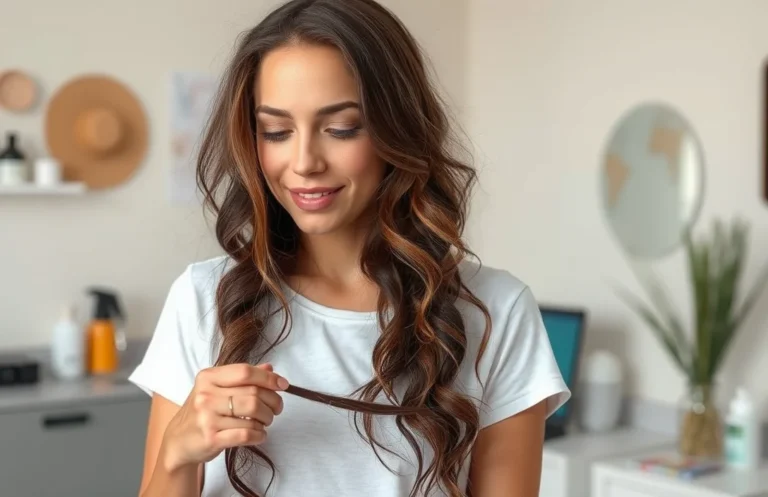
Common signs of hair breakage include brittle texture, split ends, and excessive shedding. Affected hair often feels coarse or rough to the touch. Additionally, broken strands may have a ragged appearance, contrasting with healthy, smooth hair. Identifying these symptoms early can help mitigate further damage.
Factors contributing to hair breakage often involve dryness, over-processing, and lack of moisture. Dryness can weaken hair, making it more prone to breakage. Furthermore, frequent use of heat styling tools and harsh chemicals can exacerbate the issue. Addressing these factors is essential for maintaining strong, healthy hair.
Regular trims can help manage split ends, while conditioning treatments can enhance moisture retention. Incorporating protective hairstyles may also reduce exposure to damaging elements. Prioritizing a consistent hair care routine is key to minimizing breakage and promoting resilience.
Identifying Dry Hair Symptoms
Dry hair often presents clear symptoms. Common indicators include a lack of shine, increased frizz, and a rough texture. When hair becomes dry, it loses its natural moisture, making it more susceptible to breakage. Identifying these signs early can help in addressing the issue before it escalates.
Rough texture is one major symptom. If hair feels brittle or coarse to the touch, it may indicate dryness. This condition often leads to split ends and breakage, as the hair lacks the necessary moisture to remain flexible and resilient.
Frizz is another telltale sign. When hair appears frizzy or puffy, it often means the cuticles are raised due to lack of moisture. This can create a halo effect around the hair, making it look unruly and unkempt. Managing frizz is crucial for maintaining healthy hair.
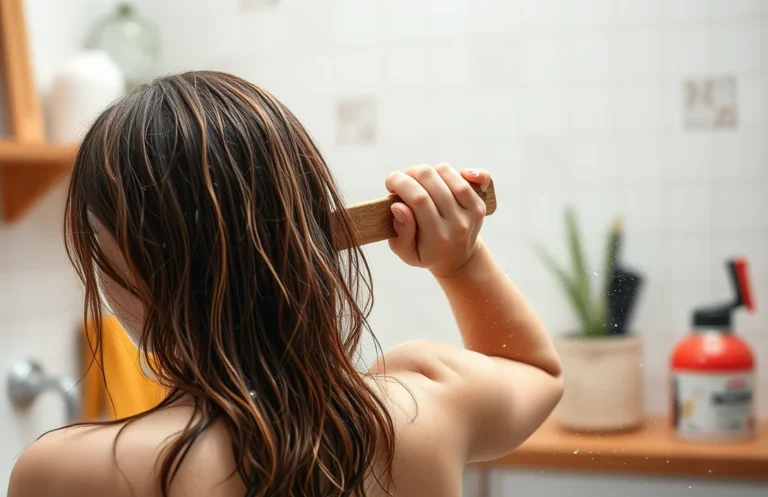
Increased tangling also suggests dryness. If hair tangles easily or feels knotted, it may be a result of dehydration. Tangled hair is more prone to damage during brushing, leading to breakage. Regularly assessing your hair’s condition can help prevent these issues.
Lack of shine signifies moisture loss. Healthy hair reflects light, while dry hair appears dull. If your hair has lost its luster, it’s essential to consider hydration solutions to restore its vitality and prevent further breakage.
How Dryness Affects Hair Structure
Dryness significantly alters hair’s physical properties, leading to increased brittleness and susceptibility to breakage. Hair strands rely on moisture to maintain elasticity and strength. Without adequate hydration, the cuticle, which protects the inner layers, becomes rough and damaged. This roughness exposes the hair to environmental stressors, making it more prone to split ends and breakage.
Moisture loss decreases the hair’s ability to bend without snapping. Lack of hydration causes protein structures within the hair to weaken, resulting in a loss of tensile strength. Consequently, hair becomes less resilient, making it difficult to withstand everyday styling and manipulation. This diminished strength can escalate the risk of hair breakage over time.
Increased porosity often accompanies dry hair. High porosity means that hair absorbs moisture quickly but also loses it just as rapidly. This cycle of gaining and losing moisture leads to instability in the hair structure. As a result, the hair not only feels dry but also appears frizzy and lacks shine, further contributing to the overall fragility of the strands.
Regular conditioning treatments can help counteract the negative effects of dryness. Applying deep conditioners or leave-in treatments replenishes moisture and improves the overall health of hair. Targeted products designed for dry hair can restore elasticity and enhance the protective cuticle layer, reducing the likelihood of breakage caused by dryness.
Common Causes of Hair Dryness
Environmental factors contribute significantly to hair dryness. Exposure to harsh weather conditions, such as extreme heat or cold, can strip moisture from hair. Pollution and UV rays further damage the hair cuticle, leading to dryness. Protecting hair with hats or scarves and using UV protection products can help maintain moisture levels.
Poor nutrition affects hair health. A diet lacking essential fatty acids, vitamins, and minerals can lead to dry hair. Incorporating foods rich in omega-3 fatty acids, such as salmon and walnuts, along with fruits and vegetables can improve hair’s moisture retention. Supplements like biotin may also support hair health.
Over-washing hair removes natural oils. Frequent shampooing, especially with harsh cleansers, dries out the hair. Reducing wash frequency and opting for sulfate-free shampoos allows natural oils to nourish the hair. Consider using dry shampoo between washes to maintain a fresh look without stripping moisture.
Heat styling tools cause significant dryness. Excessive use of hair dryers, curling irons, and straighteners can damage the hair cuticle. Limiting heat styling, using lower temperature settings, and applying heat protectant sprays can minimize damage. Embracing air-drying methods can significantly improve hair moisture levels.
Chemical treatments lead to dryness. Processes like coloring, perming, or relaxing hair often strip moisture. Choosing gentler formulas, spacing out treatments, and following up with deep conditioning treatments will help restore hydration. Regular trims also prevent split ends and maintain overall hair health.
Connection Between Dryness and Breakage
Dry hair leads directly to breakage due to its lack of moisture and elasticity. Without adequate hydration, hair strands become brittle and fragile, making them susceptible to damage from everyday styling and environmental factors. Understanding this connection is vital for maintaining healthy hair.
- Moisture retention is crucial. Hair requires appropriate hydration to maintain its strength. Using hydrating shampoos and conditioners helps replenish moisture levels.
- Regular deep conditioning treatments improve hair’s resilience. Applying deep conditioners or hair masks weekly can significantly enhance moisture retention and reduce breakage.
- Avoiding heat styling tools minimizes damage. Excessive use of blow dryers, curling irons, and straighteners can exacerbate dryness, leading to increased breakage. Limiting their use preserves hair integrity.
- Proper detangling techniques prevent stress. Using a wide-toothed comb and detangling from the ends upwards reduces tension on hair strands, decreasing the likelihood of breakage.
- Environmental factors play a role. Sun exposure, dry air, and pollutants can strip moisture from hair. Wearing hats or using UV protection products can help shield hair from these elements.
Preventing Hair Dryness
Maintaining moisture is essential for healthy hair. To avoid breakage caused by dryness, incorporate moisturizing routines into your hair care regimen. Regularly using hydrating products will help retain moisture and strengthen hair strands. Consider implementing the following strategies to effectively combat dryness:
- Condition regularly with a rich, moisturizing conditioner after every wash to restore hydration.
- Incorporate deep conditioning treatments weekly, using masks that specifically target moisture restoration.
- Opt for leave-in conditioners to provide continuous moisture throughout the day and protect against environmental damage.
- Apply natural oils, such as argan or coconut oil, to seal moisture and add shine.
- Limit heat styling and use protective styles to reduce exposure to damaging elements.
- Ensure proper hydration by drinking sufficient water daily, as internal moisture impacts hair health.
Implementing these practices consistently will help prevent hair dryness and ultimately reduce breakage. Healthy hair should feel soft, manageable, and resilient against damage.
Treating Breakage Caused by Dryness
Replenishing moisture is crucial for repairing dry, broken hair. Begin by integrating a deep conditioning treatment into your routine at least once a week. Look for products containing natural oils like argan, coconut, or jojoba, as they effectively penetrate the hair shaft and restore hydration.
Investing in a leave-in conditioner can provide ongoing moisture throughout the day. These products help to detangle hair while preventing further breakage. Choose a formula designed for dry or damaged hair, ensuring it contains nourishing ingredients to enhance softness and elasticity.
Incorporating hair masks into your regimen offers significant benefits. Opt for masks that focus on hydration and repair, applying them after washing your hair. Allow the mask to sit for the recommended time to maximize its effectiveness, then rinse thoroughly.
Utilizing heat protectants is essential if you style your hair with heat tools. Always apply a heat protectant spray or serum before using blow dryers, straighteners, or curling irons to minimize damage. Look for products that also provide moisture to combat dryness.
Regular trims can help eliminate split ends and reduce the appearance of breakage. Schedule a trim every 6-8 weeks to maintain healthy hair and encourage growth. Keeping your hair in good shape prevents further issues related to dryness and breakage.
Quick Summary
- Hair breakage can often be attributed to dryness, which weakens the hair shaft.
- Dry hair lacks moisture, making it more prone to splitting and breaking.
- Environmental factors such as heat, humidity, and pollution can contribute to hair dryness.
- Overuse of hair products and frequent washing can strip natural oils, leading to dryness.
- Regular conditioning and moisturizing treatments can help prevent hair breakage.
- Maintaining a balanced diet rich in vitamins and minerals supports overall hair health.
- Understanding individual hair type and adjusting care routines is crucial for preventing dryness and breakage.
Frequently Asked Questions
Is hair breakage caused by dryness?
Yes, hair breakage can often be caused by dryness. When hair lacks moisture, it becomes brittle and more prone to breaking, especially at the ends.
What are the signs of dry hair?
Signs of dry hair include frizz, dullness, split ends, and an overall rough texture. If your hair feels straw-like or lacks elasticity, it may be a sign of dryness.
How can I prevent hair breakage due to dryness?
To prevent hair breakage, keep your hair moisturized by using hydrating shampoos and conditioners, and consider incorporating leave-in conditioners or hair oils. Regular trims can also help maintain healthy ends.
Are there specific products that help with dry hair?
Look for products that contain ingredients like glycerin, argan oil, or shea butter, as these are known for their moisturizing properties. Deep conditioning treatments and hair masks can also provide added hydration.
How often should I moisturize my hair to prevent breakage?
It’s recommended to moisturize your hair at least once a week, but this can vary based on your hair type and environmental conditions. Pay attention to your hair’s response and adjust your routine as needed.

- Does Summer Really Boost Hair Growth Speed? Insights and Facts - March 31, 2026
- Medium Hairstyles for School: 25 Best Looks That Are Easy - March 31, 2026
- Hairstyles for Medium Hair for School: Easy and Stylish - March 31, 2026