
Is Daily Hair Brushing Essential for Optimal Hair Health?
Studies show that hair brushing can reduce tangles and promote scalp health. In fact, brushing stimulates blood circulation, which may enhance hair growth. Yet, the necessity of daily brushing varies widely based on hair type and personal preference, making it essential to evaluate the need for your specific situation.
Daily brushing is beneficial for: distributing natural oils, removing dirt and debris, and preventing knots. However, not all hair types require daily brushing. For some, brushing too often can cause breakage, while others may find it essential for maintaining healthy hair.
Benefits of Daily Brushing
Daily brushing significantly enhances hair health. Regularly brushing helps distribute natural oils from the scalp throughout your hair, resulting in improved moisture and shine. This simple practice reduces the chances of dryness and brittleness, leading to a healthier appearance overall.
- Brushing stimulates blood circulation. Increased blood flow to the scalp promotes hair growth by delivering essential nutrients and oxygen to hair follicles. Improved circulation can lead to thicker, healthier hair over time.
- Brushing helps remove tangles. Regularly detangling hair prevents the formation of knots, making it easier to style and manage. Eliminating tangles can also reduce breakage and split ends, contributing to overall hair integrity.
- Brushing eliminates dirt and buildup. By brushing daily, you help remove dust, product residue, and pollutants from your hair. Clean hair is more manageable and reflects light better, enhancing its natural luster.
- Brushing creates a polished look. Consistent brushing leads to smoother hair, reducing frizz and flyaways. A well-groomed appearance can boost confidence and improve how others perceive you.
- Brushing enhances styling options. Daily brushing allows you to experiment with various hairstyles. Keeping hair tangle-free and well-maintained opens up possibilities for different looks.
Potential Risks of Over-Brushing
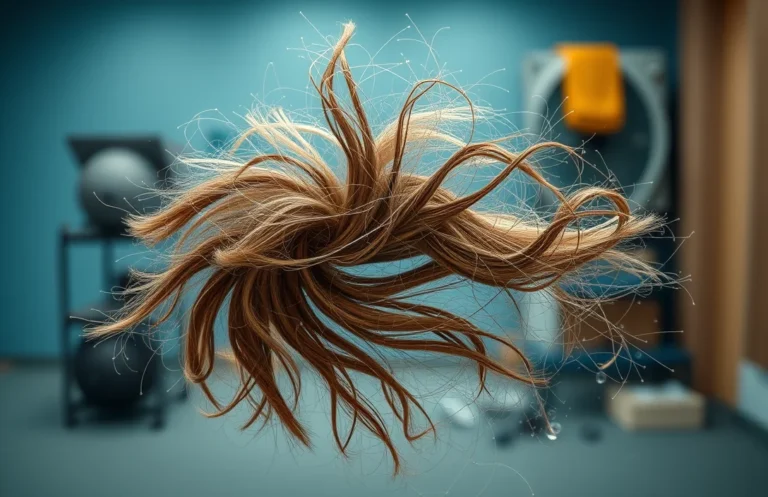
Over-brushing can lead to significant damage. Excessive use of brushes causes hair breakage and split ends, making strands appear unhealthy. This action can strip natural oils, which are essential for maintaining moisture and shine. Healthy hair requires a balance, and too much brushing disrupts this equilibrium.
Damage to the scalp is another concern. Brushing too often can irritate the skin, leading to inflammation and discomfort. This irritation may result in dandruff or other scalp conditions that compromise hair health. Gentle handling is crucial to keep the scalp in optimal condition.
Frizz often becomes a problem with over-brushing. Constantly manipulating the hair can create static, leading to a messy appearance. This issue is particularly prevalent in curly or textured hair types, where defined patterns can be lost. Maintaining natural curls requires minimal disruption to avoid frizz.
Increased tangling can occur as well. Ironically, the more one brushes, the more knots and tangles may develop, especially in longer hair. A careful approach is necessary to prevent the opposite effect of what brushing intends to achieve, which is smoothness and manageability.
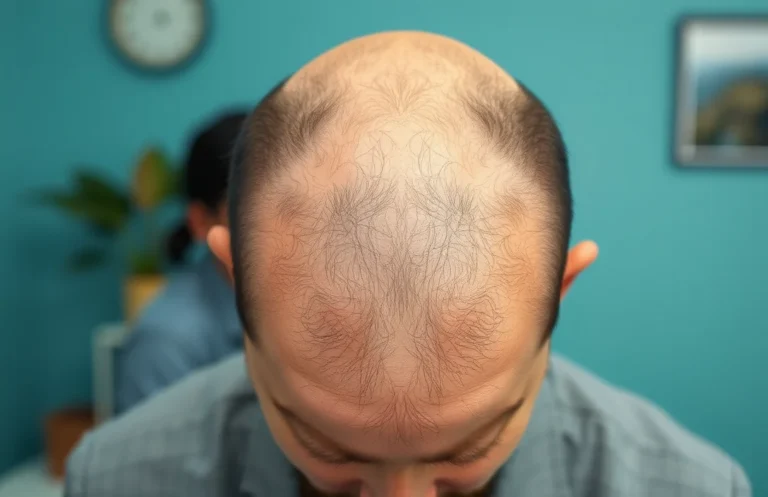
Excessive brushing can also weaken hair follicles. Continuous stress on the hair can lead to hair loss over time. Strands may fall out more easily, which can be distressing for individuals concerned about their hair density. Taking breaks from brushing allows hair to recover and maintain its strength.
Brushing Techniques for Health
Brushing hair safely requires using proper tools. Opt for a brush with soft bristles to minimize damage. Natural bristle brushes are excellent for distributing oils from the scalp, promoting shine and health. Avoid brushes with harsh, stiff bristles that can cause breakage, especially on wet hair.
Maintain a gentle approach during brushing. Start from the ends of your hair and gradually work your way up to the roots. This technique helps to untangle knots without putting excessive stress on the hair shaft. Use slow, steady strokes to ensure a smooth brushing experience.
Consider timing your brushing sessions carefully. Brush your hair when it is dry to reduce the risk of breakage. Wet hair is more vulnerable, so avoid aggressive brushing immediately after showering. If needed, use a wide-tooth comb on damp hair to detangle gently.
Employ a systematic method for optimal results. Section your hair into manageable parts and focus on one section at a time. This organized approach allows for thorough brushing without overwhelming the hair. Each section should be brushed until smooth before moving on to the next.
Incorporate brushing into your daily routine. Regular brushing can stimulate scalp circulation and promote hair health. Aim for gentle yet consistent brushing to achieve the benefits while avoiding potential damage. Proper techniques ensure that daily hair brushing enhances overall hair vitality.
Hair Type Considerations
Brushing frequency varies significantly among different hair types. Curly, straight, wavy, and coarse textures each have unique characteristics that affect daily brushing needs. Understanding how your specific hair type responds to brushing will help in maintaining its health and appearance.
- Curly hair benefits from less brushing. Frequent brushing can lead to frizz and breakage. Instead, consider using a wide-tooth comb or fingers to detangle when wet.
- Straight hair generally handles daily brushing well. This texture can benefit from consistent brushing to distribute natural oils along the hair shaft, promoting shine and reducing tangles.
- Wavy hair requires a balanced approach. Brush lightly in the morning to shape waves, but avoid excessive brushing to prevent losing the wave pattern and generating frizz.
- Coarse hair often needs gentle handling. Brushing should be limited to avoid damage. Use a detangling tool sparingly, focusing on nourishing treatments instead.
By evaluating your hair type, you can determine the necessity and frequency of brushing. Tailoring your routine to your hair’s unique needs ensures optimal health and appearance.
Alternatives to Daily Brushing
Using a wide-tooth comb provides an effective alternative to daily brushing. This tool minimizes breakage and is ideal for detangling without causing stress to the hair shaft. Wide-tooth combs glide through hair more smoothly, making them suitable for both wet and dry hair. Regular use can help maintain hair health without the need for excessive brushing.
Massaging the scalp improves circulation and encourages hair growth. Fingertip massages can stimulate hair follicles, enhancing overall hair health. Spend a few minutes each day gently massaging your scalp, focusing on areas where hair feels thinner or weaker. This simple practice can be a beneficial replacement for daily brushing.
Using hair oils or serums can help manage tangles without brushing. Products containing argan oil, coconut oil, or jojoba oil can reduce frizz and increase shine. Apply these oils sparingly to the ends of your hair to maintain moisture and prevent damage. This method nourishes the hair without the need for daily brushing.
Incorporating regular conditioning treatments can enhance hair texture and reduce tangling. Deep conditioning masks or leave-in conditioners can provide long-lasting hydration. Use these treatments weekly to keep hair soft and manageable, reducing the need for frequent brushing while promoting overall health.
Signs You Need to Brush More
Frequent tangles may indicate increased brushing is necessary. If you find your hair consistently knotting up or becoming difficult to manage, it’s a clear sign that you need to brush more regularly. This helps distribute natural oils, reducing tangles and promoting smoother hair.
Visible dirt and product buildup suggest a need for more brushing. Accumulation of debris can lead to dull-looking hair and scalp irritation. Brushing helps remove these particles, keeping your hair clean and healthy. Incorporate a brushing routine to combat these issues effectively.
Unusual hair breakage can also warrant attention. If you notice more strands falling out than usual, increased brushing may aid in reducing damage. Gentle brushing stimulates the scalp and can promote stronger hair growth over time.
Flat or lifeless hair often benefits from additional brushing. If your hair appears limp or lacks volume, daily brushing can help revitalize it. This action encourages lift at the roots and enhances overall texture, making your hair look more vibrant.
Frizz is another indicator of insufficient brushing. Unruly hair can often be tamed with proper brushing techniques. By smoothing the cuticle layer, you can reduce frizz and achieve a sleeker appearance. Regular brushing can significantly improve your hair’s manageability.
Professional Recommendations
Brushing hair daily can enhance health. Professionals recommend using a quality brush suited for your hair type. Natural bristle brushes work well for fine hair, while wide-toothed combs are ideal for thick or curly textures. The right tool can minimize damage and promote shine.
Establishing a routine improves hair health. Aim for a consistent brushing schedule, ideally once in the morning and once at night. This practice helps distribute natural oils from the scalp, keeping hair moisturized and reducing dryness.
Pay attention to technique during brushing. Start from the ends, gradually working your way up to avoid breakage. Gentle strokes reduce stress on the hair and scalp, promoting a healthier appearance while preventing tangles.
Consider environmental factors affecting hair. Humidity, pollution, and sun exposure can all impact hair condition. Brushing can help remove dirt and debris, maintaining cleanliness and preventing build-up that could lead to damage.
Consulting with a hair care professional can provide personalized advice. Tailored recommendations based on individual hair type and lifestyle ensure optimal brushing practices. Regular check-ins can help adjust routines as hair needs change over time.
Quick Summary
- Daily hair brushing can help distribute natural oils from the scalp, promoting healthier hair.
- Brushing can reduce tangles and knots, making hair easier to manage.
- Regular brushing stimulates blood circulation in the scalp, which may encourage hair growth.
- Over-brushing can lead to hair damage and split ends, so moderation is key.
- The necessity of daily brushing can vary based on hair type; for example, curly hair may require less frequent brushing.
- Using the right brush for your hair type can enhance the benefits of brushing.
- Brushing should be done gently to avoid unnecessary breakage and damage.
Frequently Asked Questions
Is hair brushing necessary every day?
Brushing your hair daily is not strictly necessary, but it can be beneficial for most hair types. It helps distribute natural oils from the scalp, promoting healthier hair and reducing tangles.
What are the benefits of daily hair brushing?
Daily brushing can help keep your hair smooth and shiny by distributing oils and removing dirt and debris. It also promotes blood circulation in the scalp, which can support hair growth.
Can brushing too much damage my hair?
Yes, excessive brushing can lead to hair breakage and damage, especially if done with the wrong tools or on wet hair. It’s important to use a suitable brush for your hair type and to brush gently.
How often should I brush my hair if I don’t do it daily?
If you don’t brush daily, aim for at least a few times a week, depending on your hair type and condition. Curly or textured hair may require less frequent brushing to avoid frizz, while straight hair may benefit from more regular brushing.
What type of brush is best for daily use?
The best brush for daily use depends on your hair type. For fine hair, a wide-tooth comb or a soft-bristle brush is ideal, while thicker hair may benefit from a paddle brush or a detangling brush.

- Does Summer Really Boost Hair Growth Speed? Insights and Facts - March 31, 2026
- Medium Hairstyles for School: 25 Best Looks That Are Easy - March 31, 2026
- Hairstyles for Medium Hair for School: Easy and Stylish - March 31, 2026