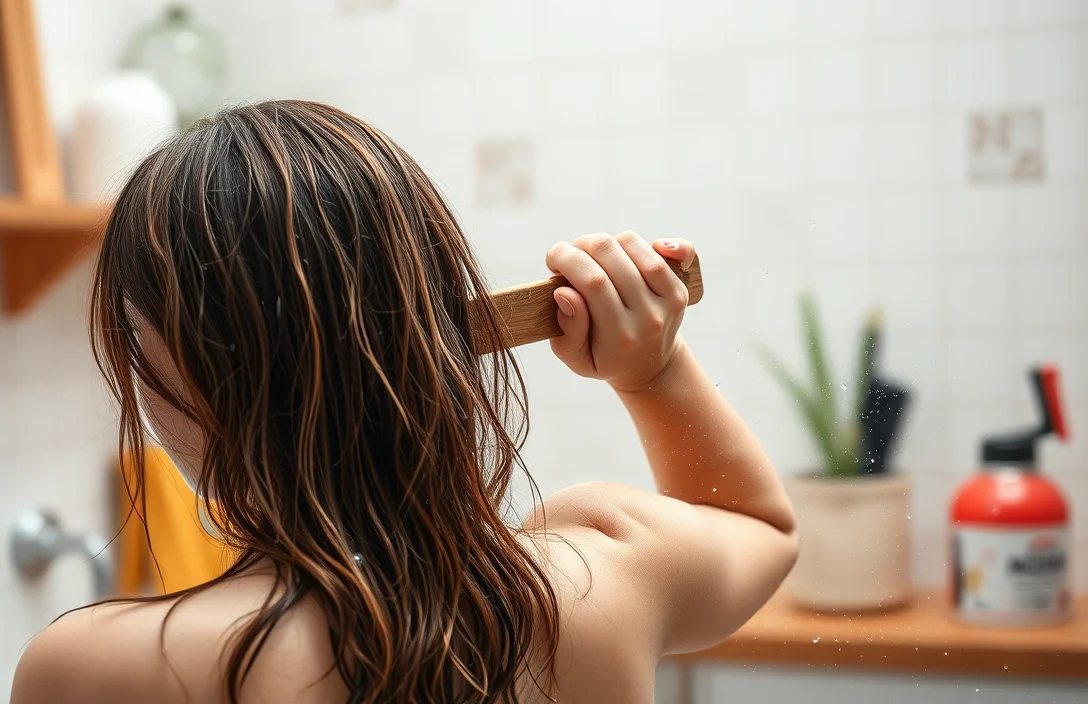
Is Combing Hair When Wet Harmful to Your Hair and Scalp?
Seventy percent of hair damage occurs when hair is wet due to increased elasticity. Combing wet hair can lead to breakage and split ends, as the strands are more fragile. Understanding the implications of this practice is essential for maintaining healthy hair.
Combing wet hair can be harmful, as it increases breakage risk and leads to split ends. For healthier hair, consider using a wide-tooth comb, applying conditioner, or waiting until hair is partially dry before combing.
Effects of Wet Combing
Wet hair becomes significantly more fragile due to its increased elasticity and moisture content. Combing or brushing wet hair can lead to breakage and damage, as the strands are not as strong as they are when dry. Understanding this fragility is crucial for maintaining healthy hair.
- Wet strands stretch easily, risking breakage.
- Moisture weakens hair cuticles, exposing inner layers.
- Rough combing techniques exacerbate damage potential.
- Fine hair types suffer more from wet combing.
- Regular brushing while wet contributes to split ends.
Minimizing combing of wet hair helps preserve its integrity. Instead, consider using a wide-tooth comb or detangling spray specifically designed for wet hair. Gentle handling can prevent excessive strain on vulnerable strands, ultimately leading to healthier hair over time.
Hair Type Considerations
Different hair types respond uniquely to wet combing, impacting their health. Curly hair, for example, tends to be more fragile when wet, leading to breakage if combed aggressively. Straight hair may endure wet combing better, but improper techniques can still cause damage. Understanding your specific hair type is essential for preventing harm.
- Curl pattern influences detangling. For tightly coiled hair, use your fingers first to separate strands before using a comb. This minimizes tension and reduces the risk of breakage.
- Thickness matters significantly. Fine hair is more susceptible to damage when wet. Use a wide-toothed comb and be gentle to avoid pulling and tearing.
- Porosity affects absorption. High-porosity hair absorbs moisture quickly and can swell, making it prone to damage. Consider using a leave-in conditioner to help with detangling.
- Length changes the approach. Long hair can tangle easily, especially when wet. Divide the hair into sections to manage it better and prevent excessive pulling.
- Conditioning can improve results. Apply a good quality conditioner while combing wet hair. This provides slip, making the process smoother and less harmful.
Proper Tools for Wet Hair
Wide-tooth combs work best for detangling wet hair. Their spaced-out teeth glide through strands without causing breakage. Look for combs made from durable plastic or wood, as these materials withstand moisture better than others. Opt for models with rounded tips to minimize scalp irritation while combing.
Vent brushes serve as excellent options for wet hair. These tools feature openings that allow airflow, reducing drying time and preventing heat damage. Choose brushes with flexible bristles to gently detangle without pulling. This combination ensures that hair remains healthy while you style.
Heat-resistant materials enhance comb and brush durability. Rubber or silicone components resist deformation, ensuring longevity even when exposed to moisture. Selecting heat-resistant tools will prolong their life, making them a wise investment for maintaining healthy hair.
Specialized detangling brushes offer additional benefits. Many feature flexible bristles designed to glide through knots easily. Using these brushes helps minimize damage while combing wet hair, making them ideal for anyone concerned about breakage.
Techniques for Wet Combing
Gentle techniques are crucial for safely combing wet hair. Begin by applying a leave-in conditioner or detangling spray to provide slip and minimize friction. This lubrication helps to reduce breakage and makes the combing process smoother.
Section your hair into manageable parts. Start from the ends and work your way up to the roots. This method prevents tugging and minimizes stress on the hair shaft, reducing the potential for damage.
Utilize a wide-tooth comb specifically designed for wet hair. These combs are less likely to pull and break strands compared to fine-toothed combs. Choose one with rounded teeth to further decrease the risk of scalp irritation.
Maintain a slow, steady motion while combing. Quick, erratic movements can lead to tangles and breakage. Focus on one section at a time, allowing your comb to glide through the hair without causing unnecessary strain.
Consider combing in the shower while conditioner is still in your hair. The water and product combination can help ease the combing process, making it less harmful and more effective. Rinse thoroughly afterward to remove any product residue.
Timing: When to Comb
Combing hair immediately after washing is not advisable. Wet hair is more vulnerable and can easily break when subjected to tension. Allow your hair to air dry for at least 50-70% before using any combing tool. This reduces the risk of damage, ensuring a healthier styling process.
Professionals recommend using a wide-tooth comb for detangling once hair is damp but not dripping wet. This method helps to minimize stress on the strands while removing knots. Starting at the ends and progressing toward the roots can further prevent breakage.
Observing your hair’s drying pattern can also guide your combing timing. If your hair tends to dry faster, adjust your combing routine accordingly. By paying attention to moisture levels, you can effectively safeguard your hair while maintaining a neat appearance.
Monitoring how your hair responds to combing is essential. If you notice excessive breakage or frizz, consider extending the drying time before combing. Finding the right balance will contribute to overall hair health and prevent potential harm.
Scalp Health and Wet Combing
Combing hair while wet can impact scalp health negatively. Wet strands are more susceptible to breakage, and excessive force can lead to damage not only to the hair but also to the scalp. This may result in irritation or inflammation, which can cause discomfort.
Using the right tools is essential. A wide-toothed comb made of gentle materials minimizes damage during wet combing. Opt for combs that glide through without snagging, which helps reduce the risk of pulling hair and irritating the scalp.
Conducting wet combing with care is crucial. Start from the ends and work your way up gradually to minimize stress on the roots. Avoid aggressive pulling, as this can lead to hair loss and scalp irritation.
Monitoring scalp reactions is necessary. If you notice signs of redness or discomfort after wet combing, consider reducing the frequency or adopting an alternative method. Healthy scalp conditions are vital for optimal hair growth and overall hair health.
Practicing moderation is advisable. Limit wet combing to necessary occasions and consider using leave-in conditioners or detanglers to aid the process. These products can provide slip, making the combing experience smoother and more comfortable for both hair and scalp.
Alternatives to Wet Combing
Brushing or combing hair when wet can cause damage. Instead, consider detangling spray or leave-in conditioner. These products can help ease knots without the need for a comb. Apply them generously to damp hair to protect strands before styling.
Finger detangling offers a gentle approach. Use your fingers to separate and untangle hair. This method minimizes breakage and allows better control over the strands, reducing stress on the hair.
Plaiting or braiding wet hair can also prevent tangling. Create loose braids to keep hair manageable while it dries. This method helps maintain curl definition and prevents frizz.
Air-drying naturally reduces the need for combing. Embrace the texture of your hair by allowing it to dry without manipulation. This technique promotes healthier strands and minimizes the risk of damage.
Heat protectant sprays are essential if you plan to style wet hair. They create a barrier against heat damage. Always apply these products before using any heated tools, ensuring your hair remains healthy.
Quick Summary
- Combing wet hair can lead to increased breakage and damage due to its fragile state.
- Hair is most vulnerable when wet, making it important to use gentle techniques.
- Using a wide-tooth comb can minimize damage compared to fine-tooth combs or brushes.
- Conditioning products can help reduce friction and ease the combing process on wet hair.
- It’s advisable to detangle hair with fingers before using a comb to prevent tugging.
- Combing should be done softly and starting from the ends, working up to the roots.
- Consider waiting until hair is partially dry or using a leave-in conditioner for better results.
Frequently Asked Questions
Is it harmful to comb wet hair?
Combing wet hair can be damaging, especially if done aggressively. Wet hair is more elastic and prone to breakage, so it’s important to use a wide-tooth comb and be gentle when detangling.
What type of comb should I use on wet hair?
It’s best to use a wide-tooth comb on wet hair. This type of comb helps to minimize breakage and allows for easier detangling without pulling on the hair strands.
Should I comb my hair before or after washing?
Combing your hair before washing can help remove tangles and prevent knots during the washing process. However, if your hair tends to tangle easily, you can also comb it gently while it’s wet, using the right tools.
Can I use a brush on wet hair?
Using a brush on wet hair is generally not recommended, as it can cause more damage than a comb. Brushes can snag and pull on wet hair, leading to more breakage and split ends.
What techniques should I use when combing wet hair?
When combing wet hair, start from the ends and work your way up to the roots to gently detangle. Use slow, gentle strokes and avoid tugging to minimize damage and breakage.

- Does Summer Really Boost Hair Growth Speed? Insights and Facts - March 31, 2026
- Medium Hairstyles for School: 25 Best Looks That Are Easy - March 31, 2026
- Hairstyles for Medium Hair for School: Easy and Stylish - March 31, 2026