Understanding the Link Between Hair Growth and Age-Related Changes
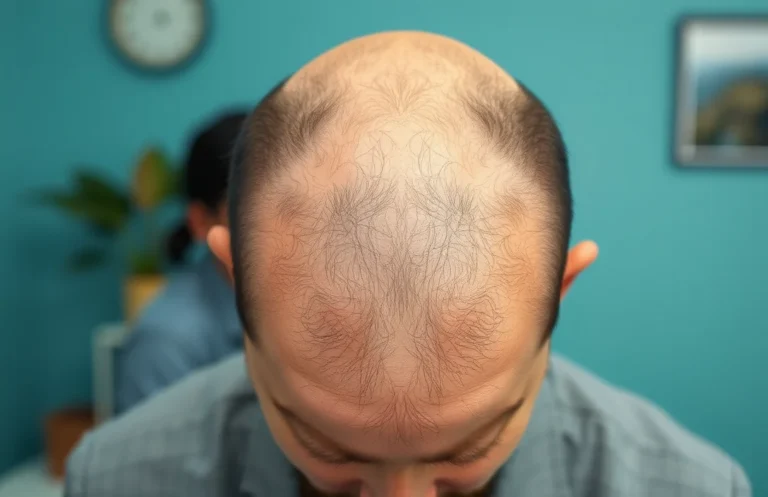
Research shows that hair growth can slow down significantly after the age of 40, with many individuals experiencing noticeable changes in thickness and density. By age 50, about 50% of people will have some degree of hair loss, highlighting the connection between aging and hair health.
Hair growth is influenced by hormonal changes, genetics, and nutrition. Understanding these factors can help you manage hair loss and maintain healthy hair as you age. Addressing your concerns with informed strategies is essential for supporting your hair health.
How Aging Affects Hair Growth
Hair follicles undergo significant biological changes with age. As individuals progress through their 40s and beyond, the growth cycle of hair can slow down. This results in thinner, weaker strands and can contribute to a reduction in overall hair density. Understanding these changes is crucial for managing hair health effectively.
Follicles shrink over time, leading to shorter hair growth phases. Each strand may grow more slowly and remain in the resting phase longer. Consequently, this can result in increased hair shedding and a noticeable difference in hair volume. Awareness of these patterns can help individuals take proactive steps to maintain their hair health.
Nutritional needs also evolve as people age, impacting hair growth. Essential vitamins and minerals play a vital role in maintaining healthy hair. Focusing on a balanced diet rich in nutrients like biotin, zinc, and vitamins A, C, and E can support hair vitality. Incorporating these elements into daily meals can make a significant difference.
Scalp health is another critical factor. Aging skin often becomes drier and less elastic, which can affect the scalp environment. Regular scalp care, such as gentle exfoliation and moisturizing, can promote better circulation and healthier follicles. Taking these steps may help mitigate some age-related changes in hair growth.
Hormonal Changes and Hair Loss
Hormones play a crucial role in hair thinning as we age. As individuals transition through different life stages, particularly during menopause or andropause, hormonal fluctuations can significantly impact hair growth. Decreased levels of estrogen and testosterone often lead to thinner hair strands and reduced growth rates.
Androgens, such as dihydrotestosterone (DHT), can also contribute to hair loss. While both men and women produce androgens, their effects become more pronounced with age. Elevated DHT levels can shrink hair follicles, ultimately resulting in shorter hair growth cycles and increased shedding.
Balancing hormones may help mitigate hair loss. Consulting healthcare professionals can provide insights into potential treatments, including hormone replacement therapy or natural supplements. Monitoring thyroid function is also essential, as thyroid hormones directly influence hair health.
Incorporating lifestyle changes can support hormonal balance. Regular exercise, a nutritious diet rich in vitamins and minerals, and stress management techniques can promote healthier hair growth. Engaging in activities that reduce stress may help maintain optimal hormone levels, positively affecting hair vitality.
Genetics and Hair Growth Patterns
Genetic factors significantly influence hair growth changes as you age. Research indicates that hereditary traits determine hair thickness, density, and the onset of hair loss conditions. Understanding your family history can provide insights into your hair’s future and help you anticipate changes.
- Recognize your family history. Examine the hair growth patterns of relatives to identify potential genetic predispositions to hair thinning or loss.
- Embrace genetic testing. Some companies offer tests that analyze genes related to hair loss, helping you understand your susceptibility.
- Monitor hair changes. Keep a journal of your hair’s condition over time, noting any thinning or changes in texture, which can signal genetic influences.
- Consult with professionals. Trichologists or dermatologists can provide tailored advice based on your genetic background and current hair health.
- Stay informed about treatments. Research advancements in hair restoration therapies that may benefit individuals with a genetic predisposition to hair loss.
Genetics plays a crucial role in determining how your hair behaves as you age. By understanding these influences, you can take proactive steps to maintain healthy hair and address any concerns early on.
Nutritional Deficiencies Impacting Hair
Essential nutrients directly influence hair growth. Key vitamins and minerals play critical roles in maintaining healthy hair follicles. Deficiencies can lead to thinning and loss, particularly as we age. Addressing these nutritional gaps is vital for sustaining hair health during the aging process.
Protein serves as the building block for hair strands. Consuming adequate amounts of protein-rich foods, such as chicken, fish, legumes, and nuts, is crucial. Hair structure relies on keratin, a protein that requires sufficient intake to support strong, healthy growth.
Iron is another key nutrient linked to hair vitality. Low iron levels can lead to anemia, which often results in hair loss. Incorporating iron-rich foods like spinach, lentils, and red meat can help maintain optimal levels and support hair health.
Biotin, a B-vitamin, is essential for hair growth. Supplementing with biotin or consuming biotin-rich foods like eggs, avocados, and whole grains may enhance hair strength. Research indicates that biotin deficiency can negatively affect hair thickness and growth patterns.
Omega-3 fatty acids contribute to scalp health and hair moisture. Foods such as salmon, walnuts, and flaxseeds provide these essential fats, benefiting hair follicles and potentially reducing hair loss associated with aging. Maintaining a balanced diet rich in these nutrients can significantly improve hair growth as one ages.
Scalp Health and Aging
Maintaining scalp condition directly influences hair vitality as we age. A healthy scalp provides the best environment for hair follicles to thrive. Problems like dryness, inflammation, and excess oil can hinder hair growth, making it crucial to prioritize scalp care.
- Regularly cleanse your scalp with gentle shampoos. Choose sulfate-free formulas to avoid stripping natural oils. Cleanliness prevents buildup that can obstruct hair follicles.
- Incorporate scalp massages into your routine. Massaging stimulates blood circulation, promoting nutrient delivery to hair roots. Use fingertips or specialized tools for an effective technique.
- Consider using scalp treatments containing ingredients like tea tree oil or salicylic acid. These can help control dandruff and inflammation, maintaining a healthy scalp ecosystem.
- Moisturize the scalp with light oils or serums. Look for products with jojoba or argan oil to hydrate without clogging pores. Proper moisture supports hair growth and reduces breakage.
- Monitor your scalp for changes. Be attentive to signs of irritation, excessive oiliness, or flakiness. Early intervention can prevent more significant issues affecting hair growth.
Common Myths About Aging Hair
Hair growth does not cease with age. Many believe that once you reach a certain age, your hair will stop growing or will become permanently thin. In reality, hair follicles continue to operate throughout life, albeit with some changes in growth rate and thickness. Understanding this can help dispel fears about inevitable hair loss as you age.
Contrary to popular belief, gray hair does not indicate that follicles have stopped producing color. Instead, the melanin production decreases, leading to hair losing its pigment. While this may signal aging, it does not mean that hair growth has halted. Many people continue to experience normal hair growth even after they start noticing gray strands.
Some think that hair loss is solely genetic. While genetics play a significant role, factors such as hormonal changes, diet, and overall health significantly impact hair health as well. Lifestyle choices can mitigate or exacerbate age-related hair changes, making it crucial to adopt healthy habits to support hair growth.
Believing that hair care products solely determine hair health is misleading. While products can support and nourish hair, they cannot reverse biological aging processes. Instead, focusing on a balanced diet and proper scalp care is essential for maintaining healthy hair as you age.
Effective Treatments for Aging Hair
Scalp health is crucial for maintaining hair vitality as you age. Regular scalp massages can stimulate blood circulation, promoting nutrient delivery to hair follicles. Try incorporating a gentle massage into your daily routine, using your fingertips to apply light pressure in circular motions. This simple practice not only enhances hair growth potential but also brings relaxation and reduces stress.
Topical treatments can significantly improve hair density. Minoxidil, a popular over-the-counter option, works by revitalizing hair follicles and extending the growth phase of hair. Many individuals find success with consistent use, leading to noticeable improvements over time. Always consult with a healthcare professional before starting any new treatment to ensure it aligns with your specific needs.
Nutrition plays an essential role in hair quality. Focus on incorporating foods rich in vitamins and minerals, such as biotin, zinc, and omega-3 fatty acids. Leafy greens, nuts, and fish can support healthy hair growth while combating age-related changes. Consider discussing dietary adjustments with a nutritionist to tailor your intake to your personal health goals.
Professional treatments can offer additional support. Options like PRP (Platelet-Rich Plasma) therapy utilize your body’s own growth factors to stimulate hair follicles. Many clinics offer this treatment, which may lead to significant improvements in hair thickness and overall health. Research local providers and consult with a specialist to explore if this option is right for you.
Quick Summary
- Hair growth rates can slow down with age due to hormonal changes and decreased cell regeneration.
- Genetics play a significant role in hair growth patterns as individuals age.
- Thinning hair and hair loss are common issues associated with aging, particularly in men and women over 50.
- Nutrition and overall health can impact hair growth, making a balanced diet essential at any age.
- Some age-related hair changes, such as graying, are influenced by genetics rather than growth rates.
- Hair growth can be affected by medical conditions and medications, which may become more prevalent with age.
- Regular scalp care and appropriate hair products can help maintain healthy hair as one ages.
Frequently Asked Questions
Is hair growth really affected by age?
Yes, hair growth is influenced by age. As we get older, hair follicles can shrink and produce thinner hair, and the overall rate of hair growth can slow down due to hormonal changes and decreased blood circulation.
At what age do most people start to notice changes in their hair growth?
Many individuals begin to notice changes in their hair growth patterns in their 40s and 50s. This can include thinning hair, slower growth rates, or changes in hair texture as a result of aging processes.
What biological factors contribute to hair growth changes as we age?
Several biological factors contribute, including hormonal changes, particularly a decrease in estrogen and testosterone levels, as well as genetic factors and the natural aging of hair follicles. These changes can lead to hair loss or changes in hair quality over time.
Can I take steps to maintain healthy hair as I age?
Yes, there are several steps you can take, such as maintaining a balanced diet rich in vitamins and minerals, staying hydrated, and using gentle hair care products. Additionally, managing stress and avoiding harsh treatments can also promote healthier hair.
Are there specific supplements that can support hair growth in older adults?
Some supplements, like biotin, vitamin D, and omega-3 fatty acids, may support hair health and growth. However, it’s important to consult with a healthcare professional before starting any new supplement regimen to ensure it’s appropriate for your individual health needs.

- Does Summer Really Boost Hair Growth Speed? Insights and Facts - March 31, 2026
- Medium Hairstyles for School: 25 Best Looks That Are Easy - March 31, 2026
- Hairstyles for Medium Hair for School: Easy and Stylish - March 31, 2026