Is Hair Regrowth Possible After Baldness? Exploring Your Options
According to recent studies, about 40% of men experience noticeable hair loss by age 35, and many wonder if hair regrowth is possible after baldness. Advances in treatments and techniques provide hope for those seeking solutions to reclaim their hair.
Regrowth is possible through various methods such as medications, hair transplant surgeries, and lifestyle changes. Each approach has its own effectiveness and suitability based on the individual’s condition and underlying causes of baldness.
Types of Baldness Explained
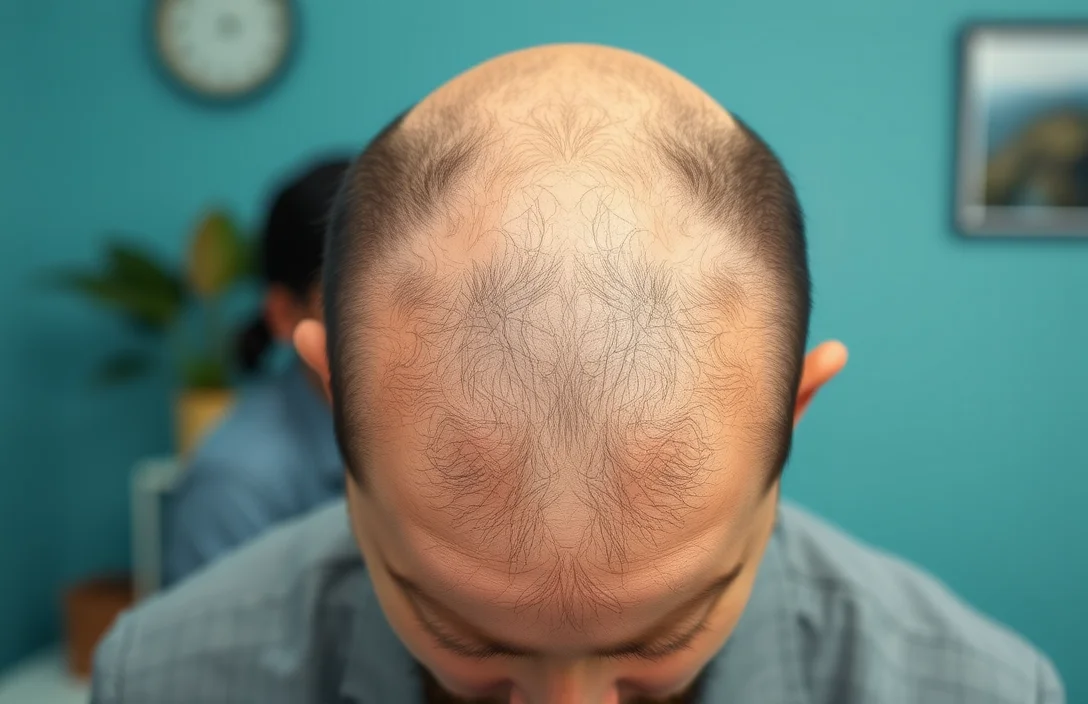
Male pattern baldness primarily affects men, often presenting as a receding hairline or thinning at the crown. Genetic predisposition plays a significant role in this type of baldness, driven by hormones like dihydrotestosterone (DHT). Recognizing this condition early can help in exploring treatment options effectively.
Female pattern baldness differs from male types, usually manifesting as overall thinning rather than a receding hairline. Hormonal changes, particularly during menopause, contribute to this condition. Women experiencing gradual hair loss should consider consulting a specialist for potential solutions.
Alopecia areata causes sudden hair loss in patches and can affect individuals regardless of gender. Autoimmune responses attack hair follicles, leading to hair loss. Treatments often focus on managing the underlying immune dysfunction to promote regrowth.
Telogen effluvium results from stress, illness, or hormonal changes, causing temporary shedding of hair. Typically, hair growth resumes once the triggering factor is resolved. Identifying the cause is crucial for regaining hair health and preventing further loss.
Traction alopecia occurs from excessive pulling or tension on hair, often due to certain hairstyles. Adjusting hair care routines and avoiding tight styles can help prevent further damage and encourage regrowth in affected areas.
Natural Hair Regrowth Possibilities
Natural remedies offer potential hair regrowth options after baldness. Ingredients like essential oils, herbal extracts, and nutrients have shown efficacy in stimulating hair follicles. These methods, while not guaranteed, can promote healthier hair growth for some individuals.
Rosemary oil stands out as a popular choice. Known for its ability to boost circulation, it nourishes hair follicles effectively. Regularly massaging diluted rosemary oil into the scalp can enhance blood flow, potentially leading to improved growth.
Biotin supplements also play a significant role. This vitamin supports keratin production, essential for hair health. Many individuals find that incorporating biotin into their daily routine helps strengthen existing hair and encourages new growth.
Aloe vera is another natural option worth exploring. Its soothing properties can alleviate scalp irritation while providing hydration. Applying pure aloe vera gel directly to the scalp may help create a healthier environment for hair to thrive.
Onion juice has gained recognition for its hair regrowth potential. Rich in sulfur, it may promote collagen production, crucial for strong hair. Applying onion juice to the scalp for several hours before washing can yield positive results for some.
Medical Treatments for Baldness
Minoxidil represents a popular solution for hair regrowth. Available over-the-counter, this topical treatment is applied directly to the scalp. Users typically see results after several months of consistent use. Effectiveness varies, but many report noticeable improvements in hair density and thickness.
Finasteride is another medical option for men experiencing hair loss. This oral prescription medication works by inhibiting the hormone responsible for hair follicle shrinkage. Studies indicate that finasteride can help prevent further hair loss and promote regrowth in some individuals.
Platelet-rich plasma (PRP) therapy offers a newer approach to stimulate hair growth. This procedure involves drawing a small amount of blood from the patient, processing it to concentrate the platelets, and injecting it back into the scalp. PRP has shown promise in improving hair thickness and density.
Low-level laser therapy (LLLT) utilizes light to stimulate hair follicles. Devices like laser combs and helmets deliver this treatment, promoting hair regrowth without invasive procedures. Results may take time, but many users report satisfaction with gradual improvements.
Consultation with a dermatologist can provide personalized recommendations. Professionals assess individual cases, considering factors like hair loss pattern and medical history. Tailored advice can lead to the most effective treatment plan for those seeking hair regrowth solutions.
Hair Transplant Techniques
Follicular Unit Transplantation (FUT) involves removing a strip of scalp from the donor area. Surgeons then dissect this strip into individual follicular units, which are implanted into the balding areas. Effectiveness largely depends on the surgeon’s skill and the patient’s hair characteristics, often yielding natural-looking results.
Follicular Unit Extraction (FUE) is another popular technique, where individual hair follicles are removed directly from the scalp. This method minimizes scarring and allows for quicker recovery. Patients appreciate the less invasive nature and often experience a more comfortable healing process.
Robotic-assisted hair transplant systems enhance precision in FUE procedures. These advanced machines assist surgeons in extracting follicles with greater accuracy, improving overall outcomes. Many clinics are adopting this technology to ensure consistent quality in their hair restoration results.
Scalp Micropigmentation (SMP) offers an alternative to traditional transplants. This technique involves tattooing tiny dots on the scalp to simulate hair follicles, creating the illusion of fuller hair. While not a true regrowth method, it effectively camouflages baldness and is ideal for individuals who prefer a non-surgical option.
Lifestyle Changes for Hair Health
Exercise regularly to improve blood circulation. Increased blood flow supports hair follicles, providing essential nutrients. Aim for at least 30 minutes of moderate exercise most days. Activities like brisk walking, cycling, or yoga can enhance overall health and promote hair growth.
Hydration plays a crucial role in maintaining hair health. Drinking sufficient water helps keep your scalp moisturized, which can reduce dryness and promote a healthy environment for hair regrowth. Aim for at least eight glasses of water daily to support your body’s needs.
Stress management techniques can significantly impact hair health. High stress levels often contribute to hair loss or thinning. Practices such as meditation, deep breathing exercises, or engaging in hobbies can help reduce stress and promote a calm state, fostering better conditions for hair regrowth.
Sleep quality directly affects overall health, including hair growth. Aim for 7-9 hours of restful sleep each night. Good sleep helps the body repair itself and rejuvenate hair follicles, making it essential for anyone concerned about regrowth after baldness.
Smoking cessation is vital for hair health. Smoking reduces blood flow and nutrient delivery to hair follicles, hindering growth. Quitting smoking not only benefits your hair but also enhances overall health, reducing the risk of various diseases.
Supplements and Nutrition for Hair
Biotin supplementation significantly supports hair health. This water-soluble B vitamin plays a crucial role in the production of keratin, a key protein in hair structure. Regular intake can enhance the strength and elasticity of hair follicles, potentially aiding regrowth efforts after baldness.
Iron-rich foods are essential for circulation. Oxygen delivery to hair follicles is vital for growth, and iron helps facilitate this process. Incorporating sources like spinach, lentils, and red meat into your diet can boost iron levels, promoting healthier hair.
Omega-3 fatty acids nourish hair follicles. These healthy fats improve scalp health and reduce inflammation, which can hinder hair growth. Fatty fish like salmon, walnuts, and flaxseeds are excellent sources of omega-3s, making them beneficial additions to your diet.
Zinc is critical for hair tissue growth. This mineral aids in repair and functioning of oil glands around hair follicles. Foods rich in zinc, such as pumpkin seeds, chickpeas, and cashews, can enhance your hair’s vitality and overall health.
Vitamin D influences the hair growth cycle. Deficiencies in this vitamin have been linked to hair loss. Getting sufficient sunlight exposure or consuming fortified foods and supplements can help maintain optimal vitamin D levels for promoting hair regrowth.
Psychological Impact of Baldness
Emotional distress often accompanies baldness, significantly affecting mental health. Many individuals experience anxiety, low self-esteem, and depression due to perceived loss of attractiveness. Addressing these feelings is essential for overall well-being and confidence. Seeking support from friends, family, or professionals can provide valuable coping strategies.
Social interactions frequently become challenging for those dealing with baldness. Fear of judgment or negative perceptions may lead to withdrawal from social situations, potentially worsening feelings of isolation. Engaging in open conversations about these feelings can help alleviate some of the pressure and build stronger connections with others.
Support groups offer a platform for sharing experiences with others facing similar challenges. Connecting with individuals who understand the emotional aspects of hair loss can provide comfort and validation. These environments promote discussions about effective coping mechanisms, encouraging a sense of community and shared resilience.
Therapeutic interventions, such as cognitive behavioral therapy (CBT), can be beneficial in reshaping negative thought patterns. Professional guidance helps individuals develop healthier perspectives on their appearance, fostering improved self-acceptance. Incorporating mindfulness practices can also aid in managing anxiety related to baldness.
Taking proactive steps towards self-care enhances overall mental health. Engaging in regular physical activity, maintaining a balanced diet, and cultivating hobbies can create positive distractions. These activities not only improve mood but also promote a healthier mindset, aiding in the acceptance of hair loss.
Quick Summary
- Hair regrowth is possible for some individuals after experiencing baldness, depending on the underlying cause.
- Genetic factors play a significant role in male and female pattern baldness, often limiting regrowth options.
- Various treatments, such as minoxidil and finasteride, can promote hair regrowth in certain cases.
- Hair transplant surgery offers a more permanent solution for those seeking to restore hair in bald areas.
- Lifestyle choices, including diet and stress management, can influence hair health and regrowth potential.
- Consultation with a healthcare professional is essential to determine the best course of action for hair regrowth.
- Results vary widely, and patience is required as treatments may take time to show effectiveness.
Frequently Asked Questions
1. Is hair regrowth possible after complete baldness?
Hair regrowth after complete baldness depends on the underlying cause of hair loss. If the hair follicles are still alive and healthy, there is a possibility of regrowth with appropriate treatments.
2. What treatments are available for hair regrowth?
Common treatments for hair regrowth include minoxidil, finasteride, and hair transplant surgery. Consultation with a dermatologist or trichologist can help determine the most suitable option for your situation.
3. How long does it take to see results from hair regrowth treatments?
The time frame for seeing results varies by treatment and individual response, but it generally takes at least 3 to 6 months to notice any significant changes. Patience and consistency with the treatment plan are key.
4. Are there any natural remedies for promoting hair regrowth?
Some natural remedies, such as essential oils (like rosemary and peppermint), saw palmetto, and biotin supplements, may promote hair health. However, their effectiveness is not guaranteed and should be complemented with medical advice.
5. Can lifestyle changes support hair regrowth?
Yes, adopting a healthy lifestyle can support hair regrowth. A balanced diet rich in vitamins and minerals, regular exercise, and managing stress can contribute to overall hair health and potentially improve regrowth outcomes.

- Medium Hairstyles for School: 25 Best Looks That Are Easy - March 31, 2026
- Hairstyles for Medium Hair for School: Easy and Stylish - March 31, 2026
- Hairstyles for Medium Length Hair for School: 28 Styles That Are Easy - March 31, 2026