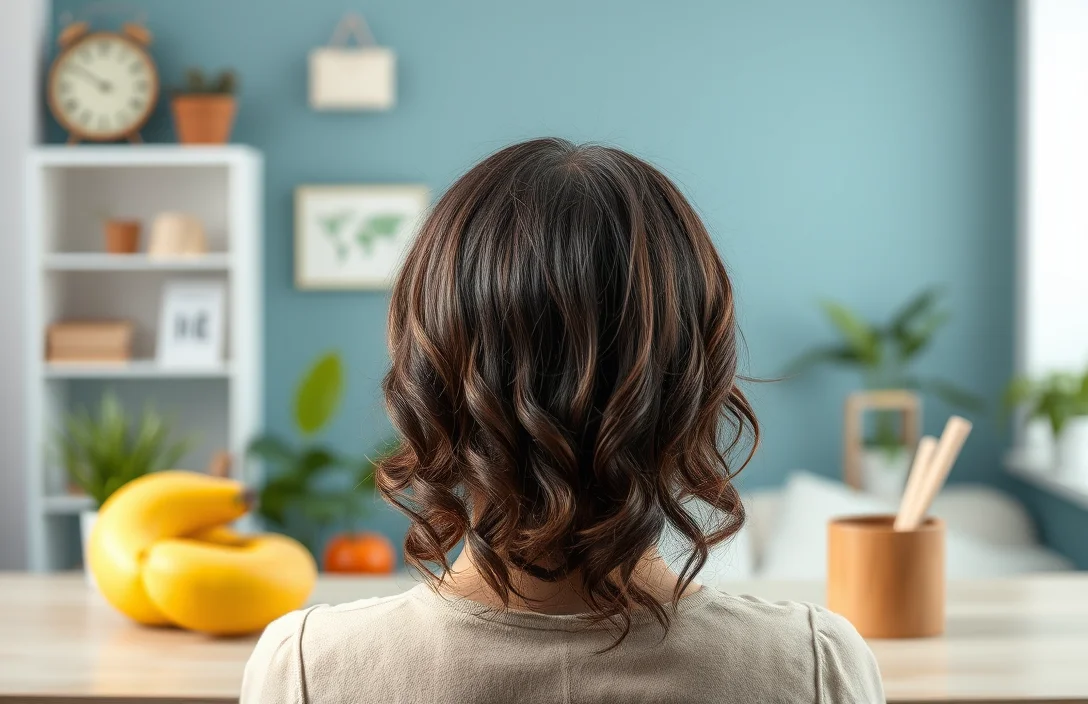
How to Achieve Hair Regrowth After Pregnancy: Solutions and Insights
Seventy-five percent of women experience hair loss after pregnancy, known as postpartum hair shedding. This condition can be distressing, but understanding its causes and solutions is essential for anyone looking to restore their hair health after childbirth.
Regrowth is possible post-pregnancy with proper nutrition, gentle hair care, and patience. Hormonal changes play a significant role, and while shedding is common, most women see improvements within 6 to 12 months after giving birth.
Understanding Postpartum Hair Loss
Hormonal changes after childbirth significantly contribute to hair loss. During pregnancy, elevated hormone levels keep hair in the growth phase longer. After delivery, these levels drop rapidly, causing many women to experience increased shedding. Understanding this cycle helps to alleviate concerns about long-term effects on hair health.
Stress also plays a critical role in postpartum hair loss. New mothers often face various stressors, including sleep deprivation and lifestyle changes, which can trigger hair thinning. Managing stress through relaxation techniques or support networks can mitigate its impact on hair health.
Nutritional deficiencies may exacerbate hair loss. Postpartum women need adequate vitamins and minerals, particularly iron, zinc, and biotin, to support hair regrowth. Ensuring a balanced diet or considering supplements can promote healthier hair during this recovery period.
Genetics can influence hair loss patterns as well. Family history of hair thinning may predispose women to similar issues postpartum. Recognizing genetic factors can help set realistic expectations for hair regrowth after pregnancy.
Medical conditions, like thyroid disorders, can also contribute to hair loss in new mothers. Consulting with a healthcare provider for appropriate evaluations ensures that underlying issues are addressed, paving the way for effective regrowth strategies.
Natural Hair Regrowth Timelines
Postpartum hair regrowth begins typically within three to six months after childbirth. Many women experience shedding during this time, which is part of the hormonal adjustment process. Regrowth can vary greatly among individuals, influenced by factors such as genetics, overall health, and nutrition.
Generally, noticeable regrowth occurs six to twelve months postpartum. Hair follicles that entered the shedding phase will gradually return to the growth cycle. Expect to see new hair growth as fine, short strands that may initially be more textured than the surrounding hair.
By the end of the first year, most women will find their hair returning to its pre-pregnancy thickness. Consistency in hair care and attention to scalp health can significantly aid in this process. Regular trims help manage growing hair and maintain overall appearance.
Monitoring changes during the regrowth phase is crucial. Documenting your hair’s progress helps identify patterns and any potential issues. Should significant concerns arise, consulting a healthcare professional can provide additional insights tailored to individual circumstances.
Nutritional Support for Regrowth
Protein plays a critical role in hair structure. Ensuring adequate protein intake helps strengthen hair follicles and promote regrowth after pregnancy. Incorporate lean meats, poultry, fish, eggs, legumes, and nuts into your daily meals. These foods not only provide protein but also essential amino acids vital for healthy hair.
Iron is essential for oxygen transport in the body, which directly influences hair growth. Low iron levels can lead to hair thinning. Include iron-rich foods like spinach, red meat, lentils, and fortified cereals in your diet. Pairing these with vitamin C sources, such as citrus fruits, can enhance iron absorption.
Omega-3 fatty acids nourish hair follicles and keep the scalp healthy. Incorporate sources like fatty fish, walnuts, and flaxseeds into your meals. These nutrients help maintain moisture and add shine to hair, making it more resilient during the regrowth phase.
Vitamins A and C contribute to sebum production, which keeps the scalp moisturized. Foods rich in these vitamins, like carrots, sweet potatoes, and bell peppers, are beneficial. Regularly consuming these can help maintain a healthy scalp environment conducive to hair regrowth.
Biotin, a B-vitamin, supports hair health and growth. Foods such as eggs, almonds, and whole grains are excellent sources. Including biotin-rich foods can help strengthen hair and may lead to noticeable improvements in thickness and volume.
Topical Treatments for Hair Regrowth
Minoxidil stands out as a popular topical solution for promoting hair regrowth. This FDA-approved medication works by increasing blood flow to hair follicles, stimulating hair growth. Typically available in liquid or foam form, applying minoxidil twice daily can show noticeable results within several months. Always consult a healthcare provider before starting any treatment to ensure suitability for your specific situation.
Biotin-infused topical products are gaining attention for hair restoration. Biotin, or vitamin B7, is essential for keratin production, the primary protein in hair. Creams and serums containing biotin can enhance hair texture and strength. Consistent application can improve overall hair health, making it more resilient to breakage.
Essential oils provide a natural alternative for supporting hair regrowth. Oils like rosemary, peppermint, and lavender have been linked to improved hair density and growth. Diluting these oils with a carrier oil, such as coconut or jojoba oil, and massaging into the scalp can stimulate follicles and promote circulation. Regular use may lead to healthier, fuller hair.
Prescription topical treatments may offer more robust options for some individuals. Corticosteroids, for instance, can reduce inflammation and promote regrowth in cases of alopecia areata. Consulting a dermatologist can help determine the best course of action and tailor a treatment plan based on specific needs.
Lifestyle Changes to Promote Growth
Incorporating nutrient-rich foods significantly impacts hair health. Focus on a balanced diet that includes vitamins A, C, D, E, omega-3 fatty acids, and biotin. Leafy greens, nuts, fish, and fruits provide essential nutrients that support hair regrowth. Regular consumption of these foods not only nourishes the scalp but also promotes overall health, enhancing the body’s ability to regenerate hair.
Staying hydrated is crucial for hair vitality. Water assists in the transportation of nutrients to hair follicles. Aim to drink at least eight glasses of water daily. Proper hydration can lead to improved hair texture and growth, reducing the likelihood of dryness and brittleness that often follows pregnancy.
Managing stress levels contributes to better hair health. Engaging in activities such as yoga, meditation, or deep breathing can help alleviate tension. High stress negatively affects hair growth, so incorporating relaxation techniques into your daily routine can promote a healthier environment for hair restoration.
Regular exercise boosts circulation, enhancing nutrient delivery to hair follicles. Aim for at least 30 minutes of physical activity most days. Activities like walking, jogging, or cycling can improve blood flow to the scalp, promoting a conducive environment for hair regrowth.
Prioritizing sleep is essential for overall health. Aim for 7-9 hours of quality sleep each night. Restful sleep aids in hormone regulation and tissue repair, both of which are vital for hair recovery after pregnancy.
When to Consult a Specialist
Signs of persistent hair loss warrant professional evaluation. If shedding continues beyond six months postpartum, consider consulting a dermatologist or trichologist. They can assess underlying conditions, such as hormonal imbalances or nutritional deficiencies that may hinder regrowth.
Experiencing patchy hair loss requires immediate attention. Conditions like alopecia areata can manifest post-pregnancy and necessitate specialized treatment. Early intervention improves chances of recovery and prevents further hair loss.
Severe scalp issues also indicate the need for expert help. Symptoms like redness, itching, or flaking can signal an infection or dermatitis, which may contribute to hair loss. Addressing these issues promptly can facilitate healthier hair regrowth.
Emotional distress linked to hair loss should not be overlooked. If your mental well-being suffers from changes in appearance, seeking guidance from a mental health professional can provide necessary support. Combining emotional care with physical treatments fosters overall recovery.
Consulting a specialist can offer tailored advice and treatment options. Personalized solutions based on individual circumstances enhance the potential for successful hair regrowth after pregnancy. Don’t hesitate to reach out for professional assistance when needed.
Long-term Hair Care Strategies
Sustaining healthy hair post-pregnancy requires commitment to routine care practices. Regularly incorporating nourishing products and maintaining a balanced diet will promote regrowth and overall hair health. Prioritize both external and internal methods to ensure lasting results.
- Daily hydration supports hair vitality. Drink plenty of water to keep your scalp and hair follicles hydrated.
- Quality shampoos and conditioners strengthen strands. Look for products containing natural oils and proteins to avoid damage.
- Regular trims prevent split ends. Schedule haircuts every 6-8 weeks to maintain hair health and encourage growth.
- Gentle styling techniques minimize breakage. Avoid tight hairstyles and heat styling tools to reduce stress on your hair.
- Consistent scalp massages stimulate blood flow. Spend a few minutes each day massaging your scalp to enhance circulation and promote growth.
Commitment to these strategies will yield positive outcomes. While regrowth may take time, consistency in care will lead to healthier and fuller hair.
Quick Summary
- Post-pregnancy hair loss, known as telogen effluvium, is common and often temporary.
- Pregnancy hormones can lead to thicker hair during pregnancy but may cause shedding after childbirth.
- Hair regrowth is usually possible within 6 to 12 months postpartum as hormone levels stabilize.
- Maintaining a balanced diet rich in vitamins and minerals can support hair regrowth.
- Consulting a healthcare professional can help address severe hair loss or concerns.
- Stress management techniques may assist in promoting healthy hair regrowth.
- Gentle hair care practices can minimize additional hair damage during the regrowth phase.
Frequently Asked Questions
Is hair regrowth possible after pregnancy?
Yes, hair regrowth is possible after pregnancy. Many women experience temporary hair loss due to hormonal changes, but most will see their hair return to its normal growth pattern within a few months postpartum.
What causes hair loss after pregnancy?
Hair loss after pregnancy is primarily caused by hormonal fluctuations. During pregnancy, increased levels of estrogen can prolong the hair growth phase, but after childbirth, these levels drop, leading to shedding of hair that was retained during pregnancy.
How long does postpartum hair loss last?
Postpartum hair loss typically peaks around three to six months after giving birth and can last for several months. Most women notice improvement and regrowth by the time their baby is one year old.
Are there any treatments to promote hair regrowth?
While many women find that hair regrowth occurs naturally, some treatments can help. Using gentle hair care products, maintaining a healthy diet rich in vitamins, and considering topical treatments like minoxidil can support the regrowth process.
When should I see a doctor about hair loss after pregnancy?
If hair loss persists beyond one year postpartum or if you notice other symptoms like scalp irritation or patches of baldness, it may be advisable to consult a doctor. They can rule out other underlying conditions and suggest appropriate treatments.

- Medium Hairstyles for School: 25 Best Looks That Are Easy - March 31, 2026
- Hairstyles for Medium Hair for School: Easy and Stylish - March 31, 2026
- Hairstyles for Medium Length Hair for School: 28 Styles That Are Easy - March 31, 2026