Moisturizer vs Conditioner vs Leave In: Which One Your Hair Actually Need?
Ever stood in the hair care aisle feeling completely overwhelmed by the dozens of bottles promising to transform your hair?
You grab a conditioner, spot a moisturizer, see a leave-in treatment, and wonder: “Aren’t these all basically the same thing?”
You’re not alone. Many people use conditioner, moisturizer, and leave-in products interchangeably or worse, skip some entirely without understanding what each one actually does.
This confusion leads to dry, unmanageable hair and wasted money on products that don’t address your specific needs.
Here’s the truth: these three products serve distinctly different purposes in your hair care routine, and understanding the differences can completely transform your hair health.
A conditioner improves texture and manageability, a moisturizer provides deep hydration, and a leave-in conditioner offers lightweight ongoing care. Choosing the wrong one or using them incorrectly means your hair isn’t getting what it truly needs.
In this guide, we’ll break down the science-backed differences between conditioners, moisturizers, and leave-in treatments so you can build a hair care routine that actually works for your hair type.
You’ll learn exactly when to use each product, which ingredients to look for, and how to avoid the common mistakes that keep your hair from looking its best.
Understanding the Hair Care Basics: Why Product Type Matters
Your hair is made up of three layers: the medulla (inner core), the cortex (middle layer containing proteins and moisture), and the cuticle (outer protective layer of overlapping scales).
When your hair is healthy, the cuticle lies flat, making hair look shiny and feel smooth. When it’s damaged or dry, the cuticle lifts up, leading to frizz, tangling, and breakage.
Here’s where it gets interesting: your hair needs both moisture (water-based hydration) and conditioning (smoothing and coating).
Think of it like your skin you wouldn’t use only lotion or only face wash, right? Your hair is similar. It needs products that hydrate from within, products that smooth the outer layer, and sometimes products that do a bit of both.
The biggest misconception in hair care is that one “miracle” product can do everything. While some products try to be multi-taskers, understanding the specific role of conditioners, moisturizers, and leave-ins helps you target your hair’s actual needs rather than just hoping for the best.
Different hair types also have different needs. Fine hair gets weighed down easily and needs lightweight products, while thick, coarse, or textured hair often craves rich moisture. Your hair’s porosity (how easily it absorbs and retains moisture) also determines which products work best.
This is why your friend’s holy grail product might fall flat on your hair it’s not about the product being “bad,” it’s about it not matching your hair’s needs.
What is a Conditioner? Texture and Manageability Expert
A conditioner is your go-to product for improving how your hair feels and behaves after washing. Its primary job is to smooth the hair cuticle, reduce friction between strands, and make your hair easier to detangle and style.
When you shampoo your hair, the cleansing process can leave the cuticle roughed up and your hair feeling stripped.
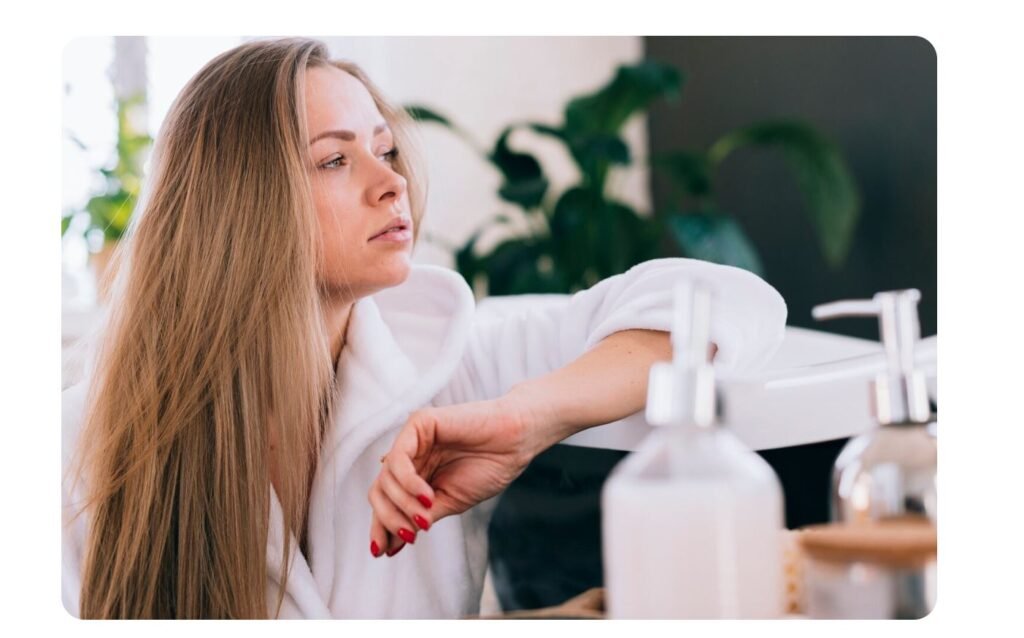
Conditioner swoops in to coat the hair shaft with smoothing agents that help the cuticle lie flat again. This is why your hair feels slippery and smooth when you apply conditioner those coating ingredients are doing their job.
Types of conditioners include:
Rinse-out conditioners are the traditional kind you apply after shampooing and wash out after a few minutes. These work quickly to detangle and smooth your hair for immediate manageability.
Deep conditioners or hair masks are more intensive treatments you leave on for 15-30 minutes (or longer). They penetrate deeper into the hair shaft to provide more substantial repair and conditioning, making them ideal for damaged or very dry hair.
Protein conditioners contain hydrolyzed proteins that temporarily fill in gaps in damaged hair, strengthening it and improving elasticity. These are great for hair that’s been chemically processed or heat-damaged.
Moisture conditioners focus more on softening and hydrating rather than strengthening. These typically contain more emollients and fewer proteins.
Key Ingredients in Conditioners
Understanding what’s in your conditioner helps you choose the right one for your needs.
Smoothing agents like silicones (dimethicone, cyclomethicone) and quaternary ammonium compounds (behentrimonium chloride, cetrimonium chloride) are the workhorses of conditioners. They coat the hair shaft to reduce frizz and add shine. While some people avoid silicones, they’re actually excellent for heat protection and manageability just make sure you’re using a clarifying shampoo occasionally to prevent buildup.
Proteins such as hydrolyzed wheat protein, keratin, or silk amino acids help strengthen hair by temporarily bonding to damaged areas. If your hair is stretchy, limp, or breaks easily, you likely need more protein in your routine.
Emollients like cetyl alcohol, stearyl alcohol, and natural oils provide slip and softness, making hair easier to detangle. Despite their names, these fatty alcohols are actually good for your hair they’re nothing like the drying alcohols found in some styling products.
pH balancers help close the hair cuticle by restoring hair’s natural slightly acidic pH after the alkaline shampooing process. This is why conditioner makes hair feel smoother almost immediately.
When and How to Use Conditioner
For best results, apply rinse-out conditioner immediately after shampooing while hair is still soaking wet. Focus on the mid-lengths to ends of your hair—these older portions need the most conditioning. Avoid applying conditioner directly to your scalp unless you have very dry skin or textured hair that needs moisture at the roots.
Leave it on for 2-5 minutes to allow the ingredients to coat the hair shaft. For deep conditioners, follow the product instructions, but generally 15-30 minutes provides good penetration. Some people like to use heat (a shower cap or warm towel) to help deep conditioners work more effectively.
Rinse thoroughly with cool or lukewarm water. Hot water can reopen the cuticle you just worked to smooth down.
Common application mistakes:
- Using too much product (a quarter-sized amount is usually plenty for medium-length hair)
- Applying to the scalp when you have fine or oily hair
- Not leaving it on long enough for the ingredients to work
- Rinsing with hot water that reopens the cuticle
Most people with normal hair benefit from conditioning every time they shampoo. If you have very fine hair, you might condition every other wash or use a very lightweight formula.
What is a Hair Moisturizer? The Hydration Powerhouse
While conditioners focus on smoothing and manageability, moisturizers are all about hydration—getting water into your hair and keeping it there. This is a crucial distinction that many people miss.
Hair moisturizers are typically thicker, richer formulations designed to maintain optimal moisture levels in your hair between washes.
Think of conditioner as a coat that protects and smooths, while moisturizer is like a drink of water that quenches thirst from the inside.
Moisturizers are especially important for dry, coarse, or textured hair that loses moisture quickly due to its structure.
Curly and kinky hair types have a harder time distributing natural scalp oils down the hair shaft, making them naturally drier and more prone to breakage without proper moisturizing.
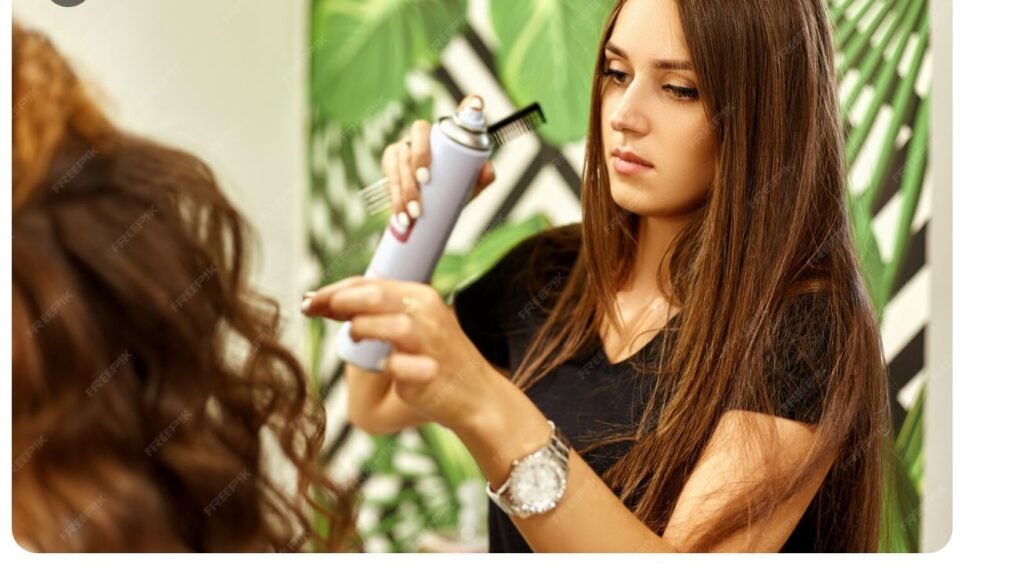
The key difference is that moisturizers are formulated to be left in the hair—they’re not rinsed out. They can be applied daily or as needed whenever your hair feels dry, looks dull, or becomes difficult to manage.
Key Ingredients in Moisturizers
Hair moisturizers contain ingredients that work together in a strategic way: attract water, bind it to the hair, and seal it in.
Humectants like glycerin, aloe vera juice, honey, and panthenol are the hydration heroes. These ingredients attract moisture from the air and bind it to your hair. This is why humidity can affect how your hair behaves—humectants are pulling in that environmental moisture.
Oils and butters such as shea butter, coconut oil, jojoba oil, argan oil, and castor oil provide nourishment and help seal in the moisture that humectants attract. Heavier oils work best for thick, coarse hair, while lighter oils suit fine or thin hair better.
Water is often the first ingredient in moisturizers because, well, you need water for hydration! Water-based moisturizers are lighter and absorb quickly, while oil-based or butter-based moisturizers are richer and provide more sealing power.
Occlusives like shea butter, coconut oil, and even some plant waxes create a barrier on the hair shaft that prevents moisture from escaping. This is the “seal” in the popular LOC (Liquid-Oil-Cream) or LCO (Liquid-Cream-Oil) moisturizing methods.
When and How to Use Hair Moisturizer
Hair moisturizers shine as part of your between-wash maintenance routine. Unlike conditioners that you use during washing, moisturizers are applied to dry or slightly damp hair whenever it needs a hydration boost.
For best results:
Apply moisturizer to damp hair for better absorption. If your hair is dry, you can lightly mist it with water first using a spray bottle. Damp hair has slightly open cuticles that allow moisturizing ingredients to penetrate better.
Use the LOC or LCO method for maximum moisture retention, especially if you have very dry or textured hair. This means layering a water-based leave-in or moisturizer (Liquid), then an oil, then a cream, OR liquid, cream, then oil. This layering traps moisture effectively.
Focus on your hair’s driest areas, which are usually the ends and any sections that tangle easily. If you have oily roots, keep moisturizer away from your scalp.
How often you moisturize depends on your hair’s porosity and texture. Low porosity hair (cuticles lay very flat) might only need moisturizer every few days, while high porosity hair (cuticles are raised or damaged) may need daily moisturizing because it loses hydration quickly. Textured and curly hair often benefits from daily or every-other-day moisturizing.
What is a Leave-In Conditioner? The Hybrid Solution
Leave-in conditioners are the versatile middle ground between traditional rinse-out conditioners and dedicated moisturizers.
They offer lightweight conditioning benefits along with ongoing hydration, all in a formula designed to stay in your hair.
Think of leave-in conditioner as a multi-tasker that gives you some of the smoothing and detangling benefits of a conditioner plus some of the hydration of a moisturizer, but in a much lighter formula that won’t weigh hair down or look greasy.
Leave-ins have become incredibly popular because they’re convenient and work well for a wide range of hair types. They’re particularly loved by people with fine to medium hair who need moisture and manageability but can’t handle heavy products, and by anyone who wants to simplify their routine.
The key difference from rinse-out conditioners is that leave-ins have a much lighter concentration of conditioning agents. If you tried to leave a regular conditioner in your hair, it would likely look greasy and attract dirt because it’s formulated to be diluted and rinsed away. Leave-in conditioners are specifically designed to stay put without buildup.
Key Ingredients in Leave-In Conditioners
Leave-in conditioners combine elements from both conditioners and moisturizers, but in lighter concentrations.
Lightweight conditioning agents provide the slip and detangling properties without the heavy coating of rinse-out conditioners. You’ll often see ingredients like behentrimonium methosulfate (a very mild conditioning agent) or light proteins.
Moisturizing components like glycerin, aloe vera, and light oils provide hydration without greasiness. These are usually present in smaller amounts than in dedicated moisturizers.
Heat protectants are often included in leave-in formulas since they’re applied before styling. Look for ingredients like dimethicone or other silicones that create a protective barrier against heat damage.
Detangling ingredients like panthenol and quaternary compounds make combing through wet hair easier and reduce breakage from manipulation.
Many leave-ins also include UV filters, antioxidants, and other protective ingredients since the product stays on your hair all day.
When and How to Use Leave-In Conditioner
The beauty of leave-in conditioner is its versatility. Here are the most common ways to use it:
After washing: Apply to clean, damp (not soaking wet) hair after your shower. Work it through from mid-lengths to ends, then style as usual. This is the most traditional use—it provides a protective base for styling and helps with heat protection if you’re blow-drying.
As a refresh spray: Many leave-ins come in spray form, making them perfect for reviving hair between washes. Spritz onto dry hair to tame frizz, add shine, or reactivate curls.
As a detangler: Before brushing or combing, spray or work a small amount of leave-in through tangled areas. The slip it provides makes detangling much easier and reduces breakage.
Before heat styling: Apply leave-in as a primer before using hot tools. While it shouldn’t replace a dedicated heat protectant if you style frequently, it offers a layer of protection.
The key is using the right amount. For fine hair, a dime-sized amount or a few spritzes might be plenty. For thick or long hair, you might need more, but start small—you can always add more, but too much product leads to greasy-looking hair and buildup.
Conditioner vs Moisturizer vs Leave-In: The Key Differences Explained
Now that we understand what each product does, let’s see them side by side.
| Aspect | Rinse-Out Conditioner | Hair Moisturizer | Leave-In Conditioner |
|---|---|---|---|
| Primary Purpose | Smooth texture, improve manageability, detangle | Deep hydration, moisture retention | Light conditioning + hydration |
| When to Use | After every shampoo, in shower | Daily or as needed, between washes | After washing, during styling, for refreshing |
| Formulation | Coating agents, proteins, concentrated | Rich oils, butters, humectants, water-based or oil-based | Lightweight, diluted conditioning agents |
| Rinsed Out? | Yes, after 2-5 minutes | No, stays in hair | No, stays in hair |
| Weight/Thickness | Medium to thick | Thick, rich, creamy or butter-like | Light, often spray or thin cream |
| Best For | All hair types, post-wash smoothing | Dry, coarse, textured, curly hair | Fine to medium hair, convenience seekers, all-in-one solution |
| Frequency | Each wash | Daily to weekly depending on dryness | Daily or with each styling |
Formulation Differences That Matter
The density and weight of these products vary significantly. Rinse-out conditioners are concentrated because they’ll be diluted with water and rinsed away. They can afford to be heavier without leaving residue.
Hair moisturizers are rich and substantial because they need to deliver serious hydration and seal it in for days. They often have a creamy or buttery texture that feels thick between your fingers.
Leave-in conditioners are the lightest of the three—they’re formulated to absorb quickly and not feel wet or greasy once applied. The concentration of active ingredients is lower because the product stays on your hair.
pH levels also differ. Conditioners typically have a slightly acidic pH (4.5-5.5) to help close the hair cuticle. Moisturizers may have a more neutral pH since they’re applied to dry hair. Leave-ins fall somewhere in between.
Usage Pattern Differences
Timing is everything when it comes to these products.
Conditioner is part of your cleansing routine—it’s a step you complete in the shower, immediately after shampooing. It’s reactive, addressing the stripping effects of shampoo right away.
Moisturizer is part of your maintenance routine—it’s something you do to your hair between washes when you notice dryness, frizz, or dullness. It’s proactive, preventing dryness before it becomes a bigger problem.
Leave-in conditioner works both ways—it’s applied after washing like a conditioner, but it also works as a maintenance product throughout the week like a moisturizer. It’s the bridge between the two.
The amount you use also varies. With rinse-out conditioner, you might use a generous amount because it’s being washed away. With moisturizer and leave-in, less is more—you want just enough to provide benefits without making hair look greasy or creating buildup.
Which One Does YOUR Hair Actually Need? (Hair Type Guide)
The million-dollar question: which products should you actually be using? The answer depends on your hair type, texture, porosity, and current condition.
For Fine or Thin Hair
If you have fine or thin hair, you’ve probably experienced the dreaded weighed-down, limp, greasy look from using the wrong products.
Recommended: A lightweight leave-in conditioner is your best friend. It provides just enough conditioning and moisture without making hair look flat or oily.
Optional: A rinse-out conditioner, but apply it only from mid-lengths to ends, never at the roots. Look for volumizing or lightweight formulas that won’t cling to your hair.
Caution with moisturizers: Heavy moisturizers will almost certainly weigh fine hair down. If you need extra moisture, choose a very light, water-based spray moisturizer and use it sparingly on the ends only.
Tips:
- Look for products labeled “volumizing,” “lightweight,” or “for fine hair”
- Avoid heavy oils and butters
- Apply products to towel-dried hair (not soaking wet) to avoid diluting them too much
- Use protein treatments occasionally to add body and strength
For Thick or Coarse Hair
Thick, coarse hair can handle—and often needs—richer, more substantial products.
Recommended: All three products can work beautifully in a layered routine. Use a rinse-out conditioner after shampooing, apply a leave-in for styling and heat protection, then seal with a moisturizer daily or as needed.
Focus on: Rich moisturizers with shea butter, coconut oil, or other heavy emollients. These hair types typically have lower porosity and need substantial products to see results.
Technique: The LOC (Liquid-Oil-Cream) method works wonderfully for thick hair. After washing, apply a water-based leave-in, then an oil, then a cream moisturizer. This layering traps moisture effectively.
Tips:
- Don’t be afraid of heavier products—your hair can handle them
- Deep condition weekly for best results
- Consider protein-moisture balance; thick hair often needs both
- Section hair when applying products for even distribution
For Curly or Textured Hair (3A-4C)
Curly and textured hair has unique needs because its spiral structure makes it harder for natural oils to travel down the hair shaft, leading to dryness.
Recommended: A combination of moisturizer and leave-in conditioner gives the best results. Many curly-haired people use rinse-out conditioner, then layer a leave-in and a curl cream or moisturizer.
Why: Higher porosity (common in textured hair) means moisture escapes quickly. You need products that both hydrate and seal that hydration in.
Technique: Apply products to soaking wet hair right after washing—this is when your hair can absorb the most moisture. Use the “praying hands” or “raking” method to ensure even distribution, then scrunch to encourage curl formation.
Tips:
- Co-washing (conditioner-only washing) can be beneficial between shampoo sessions
- Look for products specifically formulated for curls—they typically have the right balance of moisture and hold
- Don’t skip moisturizing between washes; refresh curls with a water-based spray or leave-in
- Humectants like glycerin work great in moderate humidity but may cause frizz in very humid or very dry climates
For Dry or Damaged Hair
If your hair is dry from heat damage, chemical processing, or environmental factors, it needs intensive care.
Recommended: Protein conditioners weekly or bi-weekly to rebuild strength, plus intensive moisturizers to combat dryness. Both are essential.
Balance is key: Damaged hair needs both moisture and protein. Too much protein makes hair brittle; too much moisture makes it mushy and weak. Alternate protein treatments with deep moisture treatments.
Treatment schedule: Use a deep conditioning mask once a week, protein treatment every 2-3 weeks (unless severely damaged, then weekly), and moisturize daily with a leave-in or cream moisturizer.
Tips:
- Minimize heat styling and always use a heat protectant
- Trim split ends regularly—they won’t repair themselves
- Sleep on a silk or satin pillowcase to reduce friction
- Look for repairing ingredients like keratin, amino acids, and ceramides
For Oily or Low Porosity Hair
Oily hair or low porosity hair (where cuticles lie very flat) can be tricky because it doesn’t absorb products easily and can look greasy quickly.
Recommended: A light leave-in conditioner is usually sufficient. You may not need a separate moisturizer at all.
Avoid: Heavy moisturizers at the roots or scalp. Keep all conditioning products on the lengths and ends only.
Focus: Mid-lengths to ends are where you need conditioning and moisture. Your scalp is producing plenty of oil naturally.
Tips:
- Use heat to help product penetration—a warm shower or heat cap during deep conditioning helps low porosity hair absorb products
- Clarify regularly to remove buildup that can make oil worse
- Choose lightweight, water-based products over oil-based ones
- You might benefit from conditioning before shampooing occasionally (reverse washing)
Common Mistakes People Make (And How to Avoid Them)
Even with the best products, using them incorrectly can sabotage your results. Here are the most common hair care mistakes:
1. Using conditioner as a moisturizer (or vice versa)
Many people apply rinse-out conditioner and leave it in, thinking it will moisturize their hair. While it might provide some benefit, rinse-out conditioners are too concentrated to be left in and can cause buildup, greasiness, or attract dirt. Similarly, trying to use a moisturizer as a rinse-out conditioner in the shower won’t give you the smoothing and detangling benefits you need. Use each product as intended.
2. Skipping moisturizer on textured hair
If you have curly, coily, or kinky hair and you’re only using conditioner, you’re likely not getting enough hydration. The structure of textured hair makes it naturally drier, and it needs the extra moisture that dedicated moisturizing products provide between washes.
3. Over-applying leave-in products
More is not better with leave-in products. Too much will make your hair look greasy, feel heavy, and can cause buildup that actually blocks moisture from entering the hair shaft. Start with a small amount—you can always add more.
4. Not considering hair porosity
Your hair’s porosity determines how it absorbs and retains moisture, which affects which products work best. Low porosity hair needs lighter products and sometimes heat to help absorption. High porosity hair needs heavier, sealing products to lock moisture in. Using the wrong products for your porosity leads to frustration.
5. Using products in the wrong order
Product layering matters. Generally, you want to go from lightest to heaviest, and from water-based to oil-based. Applying oil first can create a barrier that prevents water-based moisturizers from penetrating. The standard order is: leave-in or water-based moisturizer, then oil, then cream (LOC method) or leave-in, cream, then oil (LCO method).
6. Choosing products based on marketing vs. ingredients
Fancy packaging and bold claims don’t mean a product will work for your hair. Learn to read ingredient lists. The first 5-7 ingredients make up most of the product. Look for ingredients your hair needs (moisturizing humectants, proteins for strength, oils for sealing) rather than just picking whatever’s trending.
7. Not adjusting your routine seasonally
Your hair’s needs change with the weather. In winter, you might need richer moisturizers to combat dry indoor heating. In summer, humidity might mean you need lighter products or less glycerin. Pay attention to how your hair responds in different seasons and adjust accordingly.
How to Build Your Perfect Hair Care Routine
Ready to put this all together? Here’s how to create a routine that actually works for your hair.
Step 1: Determine Your Hair Type and Needs
Before buying any products, assess your hair honestly.
Porosity test: Take a strand of clean hair and drop it in a glass of water. If it sinks quickly, you have high porosity (absorbs moisture easily but loses it quickly). If it floats, you have low porosity (resists moisture absorption). If it sinks slowly, you have normal porosity.
Texture assessment: Is your hair fine (individual strands are thin), medium, or coarse (individual strands are thick)? Is it straight, wavy, curly, or kinky? Texture and curl pattern affect which products work best.
Current concerns checklist:
- Is your hair dry, oily, or normal?
- Do you have frizz, breakage, or split ends?
- Is it tangled easily or hard to manage?
- Has it been chemically treated or heat damaged?
- Does it lack shine or feel rough?
Understanding these factors guides your product selection.
Step 2: Choose Your Core Products
Based on your assessment, select products that match your needs.
Conditioner selection:
- Fine/oily hair: Lightweight, volumizing conditioner
- Thick/dry hair: Rich, moisturizing conditioner
- Damaged hair: Protein-repairing conditioner
- All hair types benefit from an occasional deep conditioning mask
Moisturizer selection:
- Dry/textured hair: Rich cream or butter-based moisturizer
- Medium hair: Creamy lotion-type moisturizer
- Fine hair: Light spray moisturizer or skip entirely if leave-in is sufficient
- Look for humectants, oils, and water in the ingredient list
Leave-in selection:
- Fine hair: Spray leave-in or very light cream
- Thick hair: Creamy leave-in with conditioning agents
- Curly hair: Leave-in with curl-enhancing ingredients
- All hair types: Something with heat protection if you style with heat
Reading ingredient lists: Water or aloe should typically be first for moisturizing products. Avoid products where alcohol (denatured alcohol, SD alcohol) is high on the list. Look for specific ingredients your hair needs—protein for strength, oils for sealing, humectants for moisture.
Step 3: Create Your Wash Day Routine
Your wash day is when you give your hair the most intensive care.
The basic flow:
- Cleanse: Shampoo your scalp and roots (the hair lengths get clean from the runoff)
- Condition: Apply rinse-out conditioner to lengths and ends, leave for 2-5 minutes, rinse
- Moisturize: On damp hair, apply leave-in conditioner and/or a water-based moisturizer
- Seal: If needed, seal with an oil or cream to lock in moisture
Product layering order: Remember LOC (Liquid-Oil-Cream) or LCO (Liquid-Cream-Oil). For most people, LCO works better because the oil seals everything in at the end.
Techniques for application:
- Use the “praying hands” method for curly hair (smooth product between palms, then down the hair)
- “Rake” through with fingers for even distribution
- For fine hair, focus products on ends and avoid roots
- Section very thick or long hair for thorough application
Step 4: Maintain Between Washes
Your between-wash routine keeps hair healthy and looking good until your next wash.
Daily or as-needed moisturizing:
- Lightly mist hair with water if it’s dry
- Apply a small amount of moisturizer or leave-in to damp hair
- Focus on ends and any particularly dry areas
- Refresh curls by scrunching with wet hands or a spray leave-in
When to re-moisturize: Pay attention to your hair. Does it feel dry or rough? Does it tangle more easily? These are signs it needs moisture. Some people moisturize daily, others every few days.
Night-time hair care:
- Sleep on a silk or satin pillowcase to reduce friction
- For long or textured hair, put it in a loose braid or pineapple (high, loose ponytail)
- Consider a silk or satin bonnet or scarf
- Apply a small amount of moisturizer before bed if hair is very dry
The Bottom Line: Can You Use All Three?
Absolutely! Many people with normal to dry hair benefit from using all three products—a rinse-out conditioner during washing, a leave-in conditioner for styling and protection, and a moisturizer for between-wash maintenance.
However, it completely depends on your hair type and needs. If you have fine or oily hair, you might only need a conditioner and a light leave-in. If you have thick, coarse, or textured hair, you’ll probably get the best results from all three.
The key is preventing product overload. Signs you’re using too many products or too much product include:
- Hair feels heavy, limp, or greasy
- Products sit on top of hair rather than absorbing
- Hair is difficult to style and lacks movement
- You notice visible buildup or flaking
If you experience these issues, scale back. Use less product, skip a step, or alternate days when you use certain products.
Some people prefer a minimalist approach—just a conditioner and a leave-in, nothing more. Others thrive with a comprehensive routine that includes multiple products. The “right” routine is the one that makes your hair look and feel its best without frustrating you or taking too much time.
Listen to your hair’s response. If it’s soft, manageable, shiny, and healthy-looking, you’ve found your groove. If it’s dry, frizzy, or breaking, you need more moisture or different products. If it’s greasy or limp, you’re using too much or products that are too heavy.
Hair care is personal and often requires some experimentation. What works for your favorite YouTuber or your best friend might not work for you and that’s completely normal.
Frequently Asked Questions
Can I use a leave-in conditioner instead of a rinse-out conditioner?
Not really. While leave-in conditioners provide some conditioning benefits, they’re much lighter than rinse-out conditioners and won’t give you the same detangling and smoothing effects right after shampooing. Rinse-out conditioners are more concentrated and designed to address the immediate effects of cleansing. If you’re trying to streamline your routine, you could potentially use just a leave-in if your hair is healthy and not prone to tangling, but most people get better results using both for different purposes.
How do I know if my hair needs more moisture or more protein?
There’s a simple test: Take a strand of wet hair and gently stretch it. If it stretches a lot and doesn’t bounce back (or breaks very easily), you need protein—your hair is over-moisturized and weak. If it breaks immediately with little to no stretch, you need moisture—your hair is dry and brittle. Healthy hair will stretch about 30-50% of its length and then bounce back. You want balance between moisture and protein, not too much of either.
Can I use regular conditioner as a leave-in?
It’s not recommended. Regular conditioners are formulated to be diluted and rinsed out. They contain higher concentrations of ingredients that can cause buildup, attract dirt, or make hair look greasy if left in. Some people dilute regular conditioner with water to use as a leave-in, but you’re better off just buying an actual leave-in conditioner that’s formulated for the purpose.
How often should I moisturize my hair?
It depends on your hair type and porosity. Low porosity hair might only need moisturizing every 3-4 days, while high porosity hair might need it daily. Textured, curly, and coily hair generally benefits from daily or every-other-day moisturizing. Straight or fine hair might not need separate moisturizer at all if you’re using a good leave-in. Pay attention to how your hair feels—if it’s dry, rough, or tangling, it needs moisture.
What’s the difference between a hair moisturizer and hair oil?
This is a crucial distinction. A moisturizer hydrates your hair—it adds water and water-based ingredients that actually increase moisture content. Oils don’t moisturize; they seal. Oils create a barrier on the hair shaft that locks in moisture that’s already there, but they can’t add moisture themselves. This is why you should apply moisturizer first, then oil. Using only oil on dry hair just seals in the dryness. You need both: water-based moisture and oil-based sealant.
Do I need a moisturizer if I use a leave-in conditioner?
It depends on your hair. If you have fine, straight, or normal hair, a good leave-in conditioner might provide all the moisture you need. If you have thick, coarse, curly, or very dry hair, you’ll probably get better results layering a leave-in with a richer moisturizer. The leave-in provides light conditioning and initial hydration, while the moisturizer gives deeper, longer-lasting moisture. Try just the leave-in first; if your hair still feels dry or looks dull after a day or two, add a moisturizer into your routine.
Conclusion
Understanding the difference between moisturizers, conditioners, and leave-in treatments isn’t just about knowing definitions—it’s about giving your hair exactly what it needs to thrive.
Conditioners smooth and detangle, making your hair manageable after washing. Moisturizers hydrate deeply and maintain moisture levels between washes. Leave-in conditioners offer lightweight, ongoing care that bridges the gap between the two. Each serves a distinct purpose, and once you match the right products to your hair type, you’ll see a dramatic difference in your hair’s health, appearance, and manageability.
The good news? You don’t need to be overwhelmed anymore when you’re standing in that hair care aisle. Armed with this knowledge, you can make informed choices about which products your hair actually needs rather than just hoping the marketing claims are true.
Start by honestly assessing your hair type, porosity, and current condition. Choose products with ingredients that address your specific needs. Build a routine that works for your lifestyle—whether that’s a simple conditioner-and-leave-in combo or a full routine with all three products.
Most importantly, pay attention to how your hair responds. Hair care is personal, and what works beautifully for someone else might not be right for you. Be willing to experiment, adjust seasonally, and change products as your hair’s needs evolve with age, damage level, and styling habits.
Your hair is unique, and it deserves a routine that’s tailored to its specific needs. Now you have the knowledge to create exactly that.
Have questions about your specific hair type or need help choosing products? Drop a comment below I’d love to help you figure out the perfect routine for your hair!

- Does Summer Really Boost Hair Growth Speed? Insights and Facts - March 31, 2026
- Medium Hairstyles for School: 25 Best Looks That Are Easy - March 31, 2026
- Hairstyles for Medium Hair for School: Easy and Stylish - March 31, 2026