Conditioner Application: Should You Focus on Your Scalp or Ends?
Over 60% of people mistakenly apply conditioner to their scalp, leading to greasy hair and product buildup. Knowing where to apply conditioner can significantly impact hair health, shine, and manageability. Proper application ensures maximum benefits and prevents common hair issues.
Conditioner should typically be applied to the ends of the hair rather than the scalp. This method prevents greasiness and allows for optimal moisture retention, while also treating the hair without clogging pores on the scalp.
Conditioner Purpose Explained
Conditioner serves to hydrate and protect hair, making it manageable and soft. This tool repairs damage, reduces frizz, and enhances shine. Applying it correctly is crucial for optimal results, as it can improve overall hair health significantly. Understanding where to apply conditioner can influence the effectiveness of your hair care routine.
Moisturizing properties in conditioners target dry hair, particularly at the ends. Split ends and breakage often occur in this area, making it essential to focus on them during application. Concentrating on the ends allows the product to work more effectively, providing the necessary nutrients where they are most needed.
Targeting the scalp can be beneficial but varies by hair type. People with oily scalps may find that applying conditioner to the roots can weigh hair down. In contrast, those with dry or coarse hair might benefit from a light application at the scalp to enhance overall moisture levels.
Choosing the right conditioner is also vital. Different formulations cater to specific hair concerns, such as color-treated, curly, or fine hair. Selecting a product tailored to your hair type can maximize the benefits, ensuring that your hair remains healthy and vibrant.
Benefits of Scalp Conditioning
Applying conditioner to the scalp promotes healthier hair growth. This practice nourishes the hair follicles directly, ensuring they receive essential moisture and nutrients. Healthy follicles contribute to stronger, shinier hair, reducing breakage and enhancing overall appearance.
Regular scalp conditioning can alleviate dryness and flakiness. A well-moisturized scalp prevents irritation and discomfort, creating a healthier environment for hair to thrive. This approach also supports the scalp’s natural oil balance, which is crucial for maintaining hair health.
- Improved blood circulation enhances nutrient delivery.
- Reduced dandruff and scalp irritation.
- Strengthened hair roots lead to less fallout.
Incorporating this practice into your hair care routine can yield significant benefits. Noticeable improvements in hair texture and overall scalp condition can be achieved by consistently applying conditioner to the roots. Prioritizing scalp health is a key step in achieving beautiful hair.
Focus on Hair Ends
Concentrate conditioner on hair ends. The ends of hair are the most vulnerable and prone to damage. Applying conditioner to this area helps to restore moisture, reduce split ends, and improve overall appearance. Most hair types benefit from targeted conditioning at the ends, ensuring they remain healthy and manageable.
Prioritize moisture for dry ends. Dryness often leads to frizz and breakage, making it essential to replenish lost hydration. A rich conditioner can provide the necessary nourishment, allowing the ends to stay soft and smooth. Regularly conditioning this area can prevent further damage over time.
Minimize product buildup on the scalp. Focusing conditioner on the ends rather than the roots helps avoid excess oiliness and buildup on the scalp. This strategy ensures that the scalp remains clean and healthy, while the ends receive the moisture they need for optimal condition.
Enhance shine and manageability. Conditioning the ends not only promotes health but also adds shine and improves texture. Well-conditioned ends tend to reflect light better, giving hair a vibrant, glossy look. This simple practice can make a noticeable difference in your hair’s overall aesthetic.
Hair Type Considerations
Hair types significantly influence where conditioner should be applied. Fine hair typically benefits from application on the ends, preventing greasiness at the scalp. Conversely, coarser hair can tolerate conditioner on the scalp, helping with dryness and frizz.
- Fine hair prefers end application. Focus on mid-length to ends, ensuring moisture without weighing it down.
- Curly hair should have conditioner applied generously from scalp to ends. This promotes hydration and defines curls.
- Thick hair often requires more product. Apply conditioner throughout, starting at the scalp to ensure even distribution.
- Color-treated hair demands extra attention. Apply conditioner to both ends and scalp for balanced moisture and protection against damage.
- Straight hair benefits from minimal scalp application. Concentrate on the ends to reduce oiliness while maintaining softness.
Scalp Health vs. Hair Damage
Balancing scalp health with hair damage prevention is crucial. Focus on the scalp to maintain a clean and nourished environment. Applying conditioner directly to the scalp can lead to excessive oiliness and product buildup, which may affect hair growth negatively. Instead, prioritize the ends of your hair where damage is most likely to occur.
Targeting the ends prevents breakage and split ends, ensuring that your hair looks healthy and vibrant. While the scalp requires moisture, heavy conditioners can clog hair follicles. Lightweight conditioners or leave-in products can hydrate the scalp without overwhelming it. This strategy allows you to nourish the roots while keeping the ends fortified.
Maintaining a two-pronged approach also helps in achieving overall hair health. Scalp treatments, such as oils or serums, can be applied separately to improve scalp conditions. These products can stimulate blood circulation and deliver essential nutrients, promoting better hair growth. Prioritize your product choices based on your specific hair and scalp needs.
Balancing these considerations ultimately leads to healthier hair. By focusing conditioner on the ends, you reduce the risk of damage while still ensuring your scalp remains hydrated. Regularly assess your hair’s condition and adjust your routine accordingly for the best results.
Application Techniques
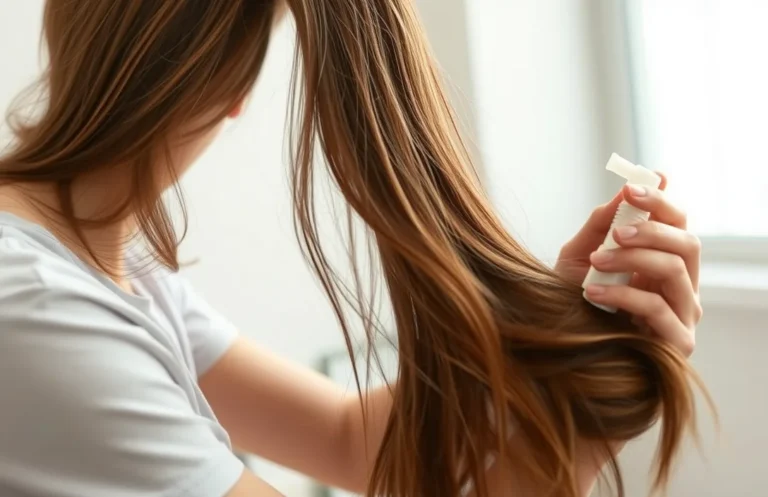
Focus on sections requiring moisture. Apply conditioner primarily to the ends of your hair rather than the scalp. This technique helps prevent buildup on the scalp while ensuring the more porous, often damaged ends receive the necessary hydration they need. Using your fingers, gently distribute the product from mid-length to the tips.
Massage conditioner through hair strands. Use your fingertips to work the product into the hair, ensuring even coverage. This action not only enhances absorption but also stimulates blood circulation, promoting healthier hair growth. Concentrate on any particularly dry or damaged areas for optimal results.
Rinse thoroughly for best outcome. After allowing the conditioner to sit for a few minutes, rinse your hair under lukewarm water. Ensuring complete removal prevents residue from forming, which can weigh hair down or lead to greasiness. A good rinse also enhances shine and softness.
Consider using a wide-tooth comb. After applying conditioner, use a wide-tooth comb to distribute the product evenly. This method detangles hair without causing breakage and ensures that every strand benefits from the conditioning treatment. Start at the ends and gradually work your way up to the roots.
Explore leave-in conditioners for added benefits. For those with particularly dry or damaged hair, incorporating a leave-in conditioner can provide an extra layer of moisture. Apply it sparingly to the ends after your regular conditioning routine to maintain hydration throughout the day.
Frequency of Application
Conditioner application frequency depends on hair type. Oily scalps may require less frequent use, while dry or damaged hair benefits from regular conditioning. For optimal results, consider your individual needs and hair health before determining a schedule.
- Daily application is ideal for dry or damaged hair. Use a lightweight conditioner and focus on the ends to avoid weighing down the roots.
- Every other day suits normal hair types. Apply to the mid-lengths and ends, ensuring hydration without over-conditioning the scalp.
- Weekly treatments work for oily hair types. Opt for a clarifying conditioner to maintain scalp health while preventing excess buildup.
- Occasional deep conditioning can restore moisture. Use once a month for all hair types, applying from mid-lengths to ends to boost overall health.
Adjust your routine based on seasonal changes. During dry winters, increase frequency, while summer may allow more flexibility. Monitor how your hair responds and adapt as needed.
Quick Summary
- Conditioners are primarily designed to hydrate and nourish the hair shaft rather than the scalp.
- Applying conditioner to the ends helps to prevent split ends and maintain hair health.
- Over-conditioning the scalp can lead to buildup, making hair look greasy and lifeless.
- Individuals with dry scalps may benefit from targeted scalp treatments instead of regular conditioners.
- Fine or oily hair types may require less conditioner on the scalp to avoid weighing hair down.
- For best results, focus conditioner application on the mid-lengths and ends of the hair.
- Experiment with different techniques to find what works best for your hair type and scalp condition.
Frequently Asked Questions
Should I apply conditioner to my scalp?
Generally, it’s not recommended to apply conditioner directly to your scalp, especially if you have oily hair. Conditioners are designed to moisturize and soften hair, and applying them to the scalp can lead to buildup and greasiness.
Is it better to apply conditioner to the ends of my hair?
Yes, applying conditioner to the ends of your hair is often more beneficial. The ends are typically the driest and most damaged part of your hair, so they require extra moisture and nourishment.
Can applying conditioner to the scalp cause dandruff?
Using conditioner on the scalp can contribute to dandruff for some people, particularly if the product is heavy or not suited for your hair type. It can lead to product buildup, which may irritate the scalp and result in flaking.
What if I have dry scalp and hair?
If you have a dry scalp and hair, consider using a lightweight conditioner on the scalp but be cautious with the amount. A specialized scalp treatment or a leave-in conditioner can also help hydrate the scalp without causing excessive buildup.
How often should I condition my hair?
The frequency of conditioning depends on your hair type and condition. Generally, it’s recommended to condition your hair every time you wash it, which can range from once a week to daily, depending on your hair’s needs and your lifestyle.

- Medium Hairstyles for School: 25 Best Looks That Are Easy - March 31, 2026
- Hairstyles for Medium Hair for School: Easy and Stylish - March 31, 2026
- Hairstyles for Medium Length Hair for School: 28 Styles That Are Easy - March 31, 2026