Natural Tips to Enhance Your Hair Health for Luscious Locks
Studies show that over 80% of people experience hair issues at some point in their lives. Natural remedies can significantly improve hair health, offering effective solutions without harmful chemicals. Embracing these tips can lead to vibrant, strong, and healthy hair.
Start with nutrient-rich foods to nourish hair from within. Incorporate essential oils for scalp health and moisture. Use natural masks like avocado or yogurt to enhance shine. Lastly, stay hydrated to maintain overall hair vitality.
Hydrating with Natural Oils
Coconut oil and argan oil significantly enhance moisture levels in hair. These natural oils penetrate the hair shaft, reducing dryness and preventing breakage. Regular application can lead to shinier, healthier locks, making them an essential part of any hair care routine.
Coconut oil is rich in fatty acids, which nourish and hydrate hair effectively. Applying it as a pre-wash treatment can protect against damage during washing. Argan oil, packed with antioxidants, helps to tame frizz and adds a protective layer against environmental stressors.
- Coconut oil: ideal for deep conditioning.
- Argan oil: perfect for smoothing flyaways.
- Olive oil: promotes shine and elasticity.
- Jojoba oil: mimics natural scalp oils.
Applying these oils can be done in several ways. Warm a small amount in your hands and massage it into dry hair or scalp. For added benefits, leave the oil on for a few hours or overnight, then wash out with shampoo. Consistent use leads to noticeable improvements in hair health.
Nourishing with Whole Foods
Incorporating nutrient-rich foods enhances hair health significantly. Foods loaded with vitamins and minerals, like fruits, vegetables, nuts, and seeds, directly contribute to stronger, shinier hair. Focus particularly on those rich in vitamins A, C, D, E, and B vitamins, as well as minerals like zinc and iron.
Leafy greens provide essential nutrients for hair growth. Spinach and kale contain iron and vitamins A and C, crucial for producing sebum, the natural conditioner for hair. Including these greens in salads or smoothies can help nourish your locks from within.
Fatty fish boosts hair strength and shine. Salmon and mackerel are excellent sources of omega-3 fatty acids, which promote scalp health and enhance hair density. Aim to consume these fish twice a week for optimal results.
Nuts and seeds are packed with beneficial nutrients. Almonds, walnuts, and flaxseeds offer vitamin E and healthy fats that help maintain hair moisture and prevent breakage. Snacking on a handful daily can provide significant benefits.
Whole grains are vital for hair vitality. Oats and brown rice contain B vitamins, which are essential for energy production and overall hair health. Opt for whole grains instead of refined options to maximize nutrient intake.
Scalp Massage Techniques
Massaging the scalp enhances blood circulation, promoting hair health naturally. Regular scalp massages can stimulate hair follicles, encouraging growth and improving overall scalp condition. Follow these simple steps to perform effective massages at home.
- Begin with clean hands. Ensure your fingers are free of any products or dirt before touching your scalp. This cleanliness prevents irritation and maintains scalp health.
- Use fingertips to apply pressure. Gently press your fingertips into the scalp, using a circular motion. Focus on areas where hair feels thinner or more fragile.
- Vary the pressure applied. Experiment with light and firm pressure to see what feels best. Adjusting pressure helps in targeting tension while promoting relaxation.
- Incorporate hair oils if desired. Natural oils like coconut or jojoba can enhance the massage experience. They provide nourishment and slip, making movements smoother.
- Massage for 5-10 minutes daily. Consistency is key; aim for daily sessions to maximize benefits. A short, regular routine is more effective than sporadic longer sessions.
Implementing these techniques into your routine can significantly improve hair vitality and promote a healthier scalp environment.
Using Herbal Rinses
Herbal rinses, such as chamomile and nettle, significantly enhance hair health naturally. These rinses can add shine and improve the overall appearance of your hair. To create a herbal rinse, steep dried herbs in boiling water for 15-30 minutes. Strain the mixture and let it cool before applying it to your hair after shampooing.
Chamomile is known for its lightening properties, making it ideal for those with blonde or light-colored hair. Applying chamomile rinse can help brighten your locks while also adding softness. For best results, use this rinse regularly to maintain its effects.
Nettle offers numerous benefits, particularly for scalp health. Rich in vitamins and minerals, it can help strengthen hair and reduce shedding. Rinsing hair with nettle infusion nourishes the scalp, promoting hair growth and vitality. Aim to use this rinse at least once a week to fully reap its benefits.
Combining both herbs provides an excellent way to enjoy the advantages of each. Mixing chamomile and nettle in your rinse can yield a beautiful blend that nourishes hair while enhancing shine. Experiment with different ratios to find the perfect mixture for your hair type and preferences.
Avoiding Heat Damage
Heat styling tools can weaken hair. Reducing their use is essential for healthier locks. Consider alternative styling methods that don’t require heat. Embrace natural textures and styles to preserve hair integrity while achieving beautiful looks.
Exploring non-heat techniques can yield great results. Here are some effective alternatives:
- Air-drying instead of blow-drying retains moisture and minimizes damage.
- Braiding damp hair creates natural waves without needing a curling iron.
- Using foam rollers allows for bouncy curls without heat application.
- Embracing headbands or hair wraps can help create stylish looks effortlessly.
- Experimenting with twist-outs can enhance natural curls without any heat.
Investing in heat protectant sprays is also beneficial. If heat usage is necessary, applying these sprays can shield hair from damage. Prioritize protecting your strands to maintain overall health.
Natural Hair Masks
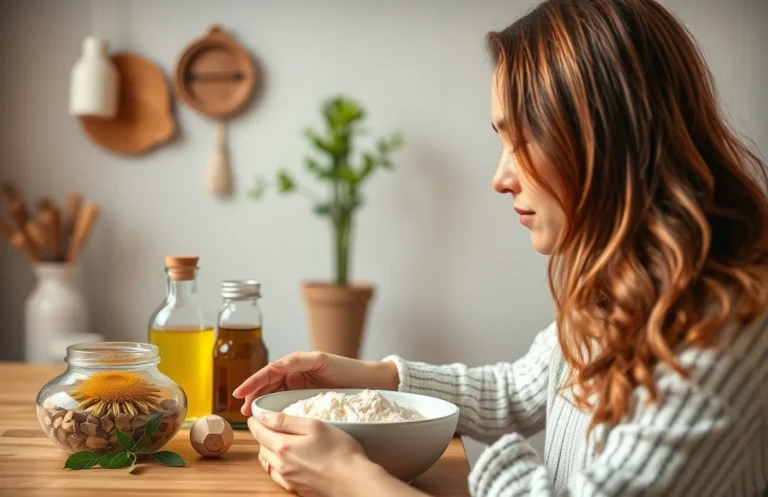
DIY hair masks offer effective solutions for nourishing and revitalizing hair using natural ingredients. Creating your own masks allows for customization based on your hair type and needs. Consider these simple recipes to enhance your hair health naturally.
Avocado and honey blend provides deep hydration. Mash one ripe avocado and mix in two tablespoons of honey. Apply the mixture to damp hair, focusing on the ends. Leave it on for 30 minutes, then rinse thoroughly. This mask adds moisture and shine, making hair look healthy.
Coconut oil and banana combination strengthens strands. Blend one ripe banana with two tablespoons of coconut oil until smooth. Apply to hair from roots to tips and cover with a shower cap. After 20-30 minutes, wash out with shampoo. This mask helps prevent breakage and adds elasticity.
Yogurt and olive oil mix encourages scalp health. Combine half a cup of plain yogurt with two tablespoons of olive oil. Massage into the scalp and through the hair. Allow it to sit for 30 minutes before rinsing. This mixture provides nourishment and can help with dandruff issues.
Egg and aloe vera mask promotes protein repair. Whisk two eggs with three tablespoons of aloe vera gel. Apply the mixture to damp hair, ensuring even coverage. After 20 minutes, rinse with cool water. This mask strengthens hair and supports growth, making it a valuable addition to your hair care routine.
Staying Hydrated
Consuming adequate water daily significantly impacts hair health. Hydration helps maintain moisture levels, preventing dryness and brittleness. Aim for at least eight 8-ounce glasses of water daily. Incorporate water-rich foods like cucumbers and oranges to enhance your intake. Healthy hair relies on sufficient hydration, influencing shine and manageability.
Drinking water facilitates nutrient delivery to hair follicles. Proper circulation ensures that essential vitamins and minerals reach hair roots, promoting growth and strength. Dehydration can lead to weak strands and hair loss, making consistent water consumption crucial for maintaining luscious locks.
Monitoring your hydration levels can be beneficial. Signs of dehydration include dry skin, fatigue, and reduced hair elasticity. Adjusting your water intake based on physical activity and environmental conditions can help maintain optimal hydration. Consider setting reminders to drink water regularly throughout the day.
Incorporating herbal teas can provide additional hydration. Teas such as chamomile or peppermint not only hydrate but also offer antioxidants beneficial for hair health. Balancing water intake with nutritious foods and lifestyle choices will lead to improved overall hair vitality.
Quick Summary
- Maintain a balanced diet rich in vitamins and minerals essential for hair growth, such as biotin, vitamin E, and omega-3 fatty acids.
- Stay hydrated by drinking plenty of water to keep your hair and scalp moisturized.
- Limit the use of heat styling tools and chemical treatments that can damage hair.
- Incorporate regular scalp massages to stimulate blood circulation and promote hair growth.
- Use natural oils, such as coconut or argan oil, to nourish and condition hair.
- Avoid tight hairstyles that can cause breakage and traction alopecia.
- Ensure adequate sleep and stress management to maintain overall hair health.
Frequently Asked Questions
What are some natural oils that can improve hair health?
Natural oils such as coconut oil, argan oil, and jojoba oil are excellent for hair health. They provide essential nutrients, promote hydration, and help reduce frizz and breakage.
How often should I wash my hair for optimal health?
Washing your hair 2-3 times a week is generally recommended for maintaining healthy hair. Over-washing can strip natural oils, leading to dryness, while under-washing can result in an oily scalp.
Can diet really affect the health of my hair?
Yes, a balanced diet rich in vitamins and minerals is crucial for healthy hair. Foods high in omega-3 fatty acids, vitamins A, C, D, and E, and proteins can promote stronger and shinier hair.
Are there any natural remedies for dandruff?
Natural remedies such as tea tree oil, apple cider vinegar, and aloe vera can help alleviate dandruff. These ingredients have antifungal and soothing properties that can reduce flakiness and irritation.
How can I protect my hair from heat damage?
To protect your hair from heat damage, use a heat protectant spray before styling and limit the use of heat tools. Additionally, try air-drying your hair whenever possible and opt for lower heat settings when styling.

- Medium Hairstyles for School: 25 Best Looks That Are Easy - March 31, 2026
- Hairstyles for Medium Hair for School: Easy and Stylish - March 31, 2026
- Hairstyles for Medium Length Hair for School: 28 Styles That Are Easy - March 31, 2026