Deep Conditioning for Hair: Unlocking Its Benefits for Healthier St…
Research shows that deep conditioning treatments can improve hair moisture levels by up to 80%. This vital step in hair care helps restore shine, softness, and manageability, especially for those with dry or damaged hair. Understanding its benefits can significantly boost your hair’s health and appearance.
Deep conditioning is designed to penetrate the hair shaft, delivering intense moisture and nutrients. Benefits include reducing frizz, repairing damage, and enhancing shine. Selecting the right product based on your hair type is essential for optimal results.
What is Deep Conditioning?
Deep conditioning focuses on restoring moisture and repairing damage in hair. This treatment penetrates the hair shaft, providing essential nutrients and hydration that regular conditioners may not deliver. Ideal for dry, damaged, or color-treated hair, deep conditioning enhances overall hair health and promotes shine.
Products designed for this purpose often contain richer ingredients, such as oils, proteins, and vitamins. These components work together to strengthen hair, reduce breakage, and improve elasticity. Choosing the right product tailored to your hair type is crucial for achieving optimal results.
Incorporating deep conditioning into your routine can significantly transform your hair’s texture and appearance. Ideally, applying a deep conditioner once a week allows for consistent nourishment. The process can be as simple as applying the product, covering your hair with a shower cap, and letting it sit for a specified time, typically between 15 to 30 minutes. Rinsing thoroughly afterward ensures the benefits are fully absorbed.
How It Differs from Regular Conditioning
Deep conditioning treatments penetrate the hair shaft more effectively than regular conditioners. While standard conditioners mainly coat the hair surface to provide temporary moisture and shine, deep conditioners contain richer ingredients designed to restore and repair from within. This targeted approach is crucial for those with damaged or dry hair.
Formulations vary significantly between the two. Regular conditioners often contain lighter ingredients, suitable for daily use, while deep conditioners feature nourishing oils, proteins, and emollients for intensive treatment. Such ingredients are essential for replenishing lost moisture and repairing structural damage.
Frequency of use differs greatly. Regular conditioners can be used daily or after every wash, but deep conditioning treatments are recommended once a week or bi-weekly, depending on hair type and condition. Overuse can lead to product buildup, which may weigh hair down.
Application methods also set them apart. Deep conditioning typically involves applying the product generously and allowing it to sit for a longer duration, often under heat or a shower cap, which enhances absorption. In contrast, regular conditioners are usually applied briefly during a shower.
Results from deep conditioning are often more pronounced. Users can expect improved softness, elasticity, and manageability after a treatment. Unlike regular conditioning, this method can significantly reduce breakage and enhance overall hair health, making it an essential step in any hair care routine.
Ingredients to Look For
Deep conditioners vary widely, but certain ingredients consistently provide excellent benefits. Look for products featuring natural oils, proteins, and humectants. These components help repair damage, add moisture, and improve hair elasticity, leading to healthier locks.
Coconut oil penetrates the hair shaft, reducing protein loss and preventing breakage. Its moisturizing properties make it ideal for dry, damaged hair. Shea butter offers intense hydration and helps seal in moisture, making hair softer and more manageable.
Keratin is a key protein that strengthens hair, repairing damage from heat styling and chemical treatments. Products containing keratin can restore your hair’s natural strength and prevent future damage. Glycerin acts as a humectant, attracting moisture from the air to keep your hair hydrated.
Aloe vera delivers soothing hydration and promotes scalp health. Its natural enzymes can help remove dead skin cells, leading to a healthier environment for hair growth. Honey is another excellent ingredient, providing moisture and enhancing shine without weighing hair down.
Pay attention to labels and opt for formulas that align with your hair type and specific needs. Finding the right deep conditioning product can transform your hair’s health and appearance.
How Often to Deep Condition
Frequency of deep conditioning depends significantly on your hair type and its current condition. For dry or damaged hair, deep conditioning once a week is ideal to restore moisture and strength. If you have fine or oily hair, every two weeks might be sufficient to avoid weighing it down while still providing necessary nourishment.
For curly or textured hair, weekly treatments work wonders, as these types often require extra hydration. Creating a consistent routine ensures that your hair remains healthy and manageable. Pay attention to your hair’s response; if it feels dry or frizzy, consider increasing the frequency.
Individuals with color-treated hair should prioritize deep conditioning to counteract the drying effects of dyes. Aim for once a week or after every wash if your hair feels particularly parched. Listening to your strands will guide you in finding the perfect balance for your unique needs.
Application Techniques for Best Results
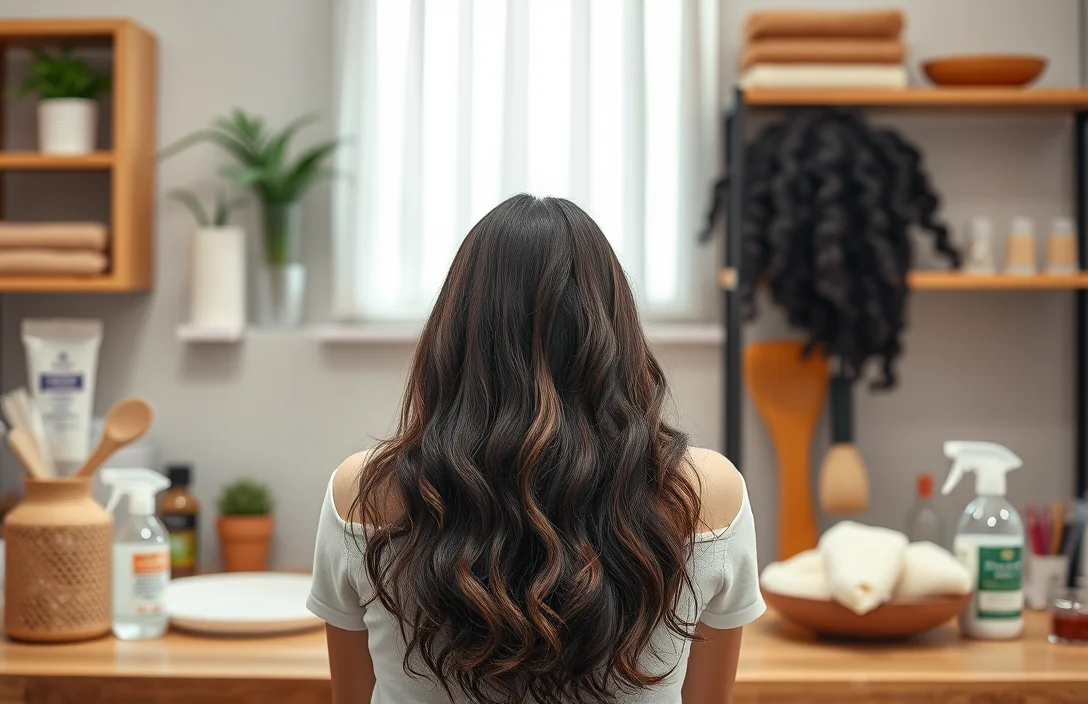
Applying deep conditioners effectively boosts hair health significantly. Start by dividing your hair into sections, typically four or more, to ensure even distribution. Use clips to hold each section in place while you work with the others. This method prevents missing spots and ensures every strand gets the nourishment it needs.
Next, select a generous amount of your chosen deep conditioner. Focus on the mid-lengths and ends first, as these areas are usually drier and more damaged. Apply the product using your fingers or a wide-tooth comb for even coverage. Be gentle to avoid breakage while ensuring the formula penetrates deeply.
After applying, consider using heat to enhance the conditioning process. Cover your hair with a plastic cap or wrap, then apply a warm towel or use a hooded dryer for 15-30 minutes. The heat opens the hair cuticles, allowing the product to absorb more effectively. Rinse thoroughly with cool water to seal the cuticles and lock in moisture.
Lastly, maintain consistency in your routine. Regular application of deep conditioners tailored to your hair type will yield the best results over time. Keep track of how your hair responds and adjust your technique or product choice as needed to continue improving its condition.
Signs Your Hair Needs Deep Conditioning
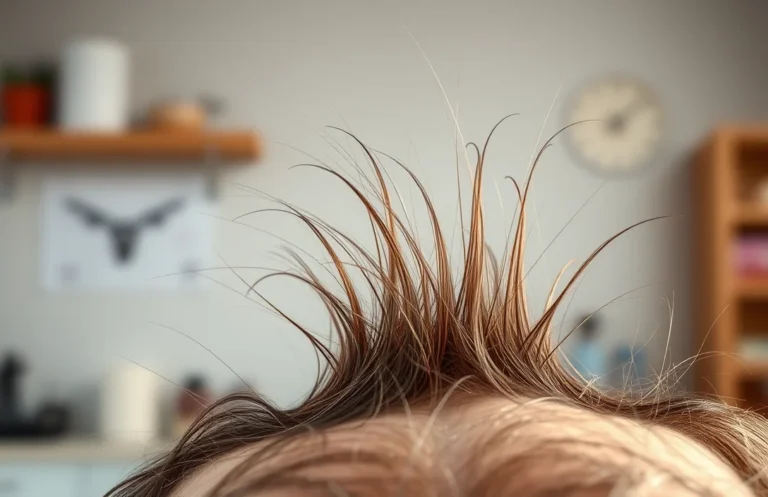
Frizz and flyaways indicate that your hair is craving moisture. When hair lacks hydration, it often reacts by becoming unmanageable and puffy. If you find yourself wrestling with your locks to get them to behave, it’s time to consider deep conditioning treatments.
Breakage and split ends signal excessive damage. If you’re noticing more hair on your brush or in the shower drain than usual, your strands might be in distress. Deep conditioning can help restore strength and elasticity, reducing breakage and promoting healthier hair growth.
Dullness and lack of shine mean your hair may be deprived of nutrients. If your hair appears lifeless and lacks luster, it’s likely time for a deep conditioning treatment. This process can infuse your hair with essential oils and moisture, bringing back that vibrant shine.
Texture changes often reveal a deeper issue. If your hair feels coarse or rough, it may be struggling to retain moisture. A good deep conditioning treatment can help soften the hair cuticle, making your strands feel smoother and more manageable.
Heat styling signs are a clear red flag. If you frequently use blow dryers or flat irons, your hair might need extra care. Deep conditioning can help mitigate damage caused by heat, restoring moisture and preventing further harm.
Post-Deep Conditioning Care
Maintain moisture with light leave-in products. After deep conditioning, applying a leave-in conditioner can help lock in the hydration you’ve just added. Look for lightweight formulas that won’t weigh your hair down. This step ensures your hair stays soft and manageable throughout the day.
Apply heat protectant before styling. If you plan to use heat tools, always spritz a heat protectant spray onto your strands. This shields your hair from damage while styling, preserving the benefits of your deep conditioning treatment. Make this a non-negotiable part of your routine!
Limit washing frequency to retain moisture. Washing hair too often can strip away essential oils, which are crucial for healthy hair. Aim to wash your hair 2-3 times a week, allowing your natural oils to nourish your strands in between washes.
Incorporate regular trims into your routine. Scheduling trims every 6-8 weeks helps remove split ends and prevents further damage. Keeping your hair healthy from the ends up will enhance the overall appearance and feel of your hair.
Stay hydrated and maintain a balanced diet. Hydration and nutrition play vital roles in hair health. Drinking plenty of water and eating a diet rich in vitamins and minerals will support your hair’s condition from the inside out, making your deep conditioning efforts even more effective.
Quick Summary
- Deep conditioning is a hair treatment designed to improve moisture and overall health.
- It penetrates the hair shaft more deeply than regular conditioners.
- Deep conditioners typically contain proteins, oils, and moisturizing agents.
- This treatment can help repair damage from heat styling, coloring, and environmental factors.
- Regular use can lead to softer, shinier, and more manageable hair.
- Deep conditioning is suitable for all hair types, especially dry or damaged hair.
- It is recommended to deep condition hair every 1-2 weeks for optimal results.
Frequently Asked Questions
What is deep conditioning for hair?
Deep conditioning is a hair treatment that provides intense moisture and nourishment to the hair. It typically involves applying a rich conditioner or mask to help repair damage, improve texture, and enhance shine, making it particularly beneficial for dry or damaged hair.
How often should I deep condition my hair?
The frequency of deep conditioning depends on your hair type and its condition. Generally, it’s recommended to deep condition once a week for normal to dry hair, while very damaged hair might benefit from treatment every 3-4 days.
What are the benefits of deep conditioning?
Deep conditioning can help restore moisture, reduce frizz, and improve elasticity in your hair. It also enhances overall manageability and shine, making it easier to style and maintain healthy-looking hair.
How do I choose the right deep conditioner for my hair type?
When selecting a deep conditioner, consider your hair type and specific concerns. Look for products that target your needs, such as moisture for dry hair or protein for damaged hair, and check for ingredients that suit your hair’s unique characteristics.
Can I make my own deep conditioning treatment at home?
Yes, you can easily create a deep conditioning treatment at home using natural ingredients like coconut oil, avocado, or honey. Mixing these ingredients can provide your hair with nourishment and hydration, but make sure to test for allergies first.

- Does Summer Really Boost Hair Growth Speed? Insights and Facts - March 31, 2026
- Medium Hairstyles for School: 25 Best Looks That Are Easy - March 31, 2026
- Hairstyles for Medium Hair for School: Easy and Stylish - March 31, 2026