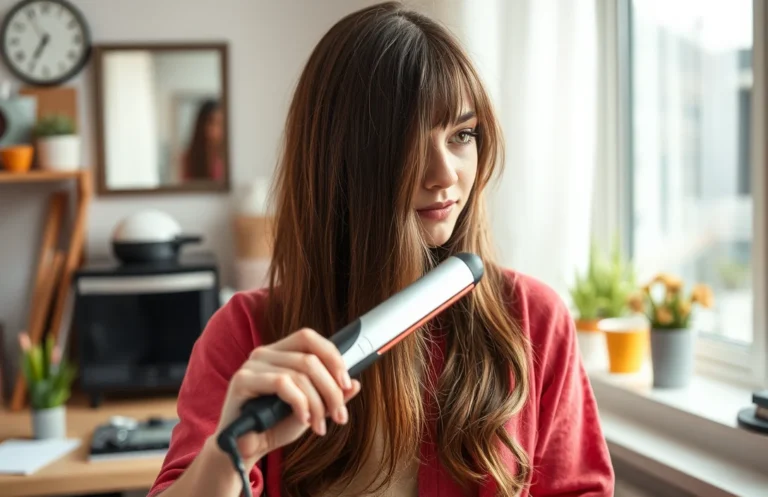
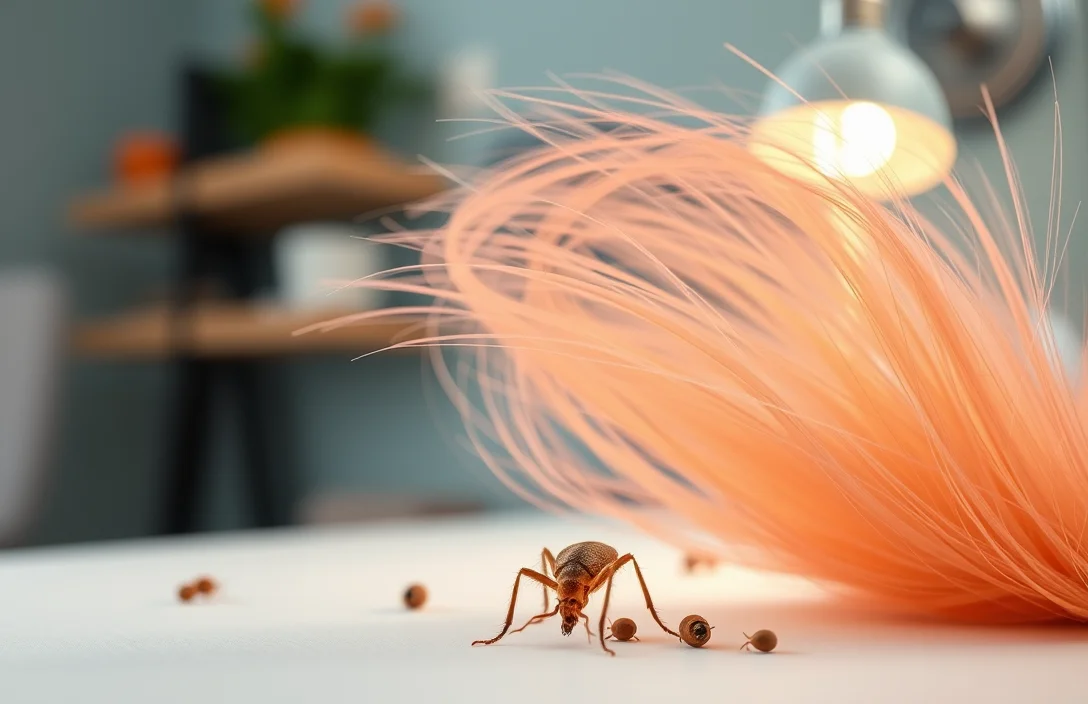
Can Hair Straighteners Kill Lice Eggs? 7 Key Insights Uncovered
Struggling with lice and their stubborn eggs? You’re not alone. This concern can feel overwhelming, especially when traditional treatments don’t seem to work. Understanding the effectiveness of everyday tools like hair straighteners can help you make informed choices and find relief.
Quick answer: Heat can kill lice and their eggs, but not every hair straightener reaches the necessary temperature. Look for tools that can exceed 350°F for effectiveness. Always consider medicated shampoos as a reliable alternative for complete elimination.
Best for: All hair types. Use caution if: You have damaged or overly processed hair.
What Are Lice and Eggs?
Lice are small, parasitic insects that infest the human scalp, feeding on blood and causing itching and discomfort. Understanding lice and their eggs is crucial for effective treatment options, particularly when considering various methods like hair straighteners for lice removal.
Types of Lice
- Head Lice: These are the most common type, primarily affecting the scalp. They are tiny and can be difficult to see, but they lay eggs (nits) close to the hair shaft.
- Body Lice: These lice live on clothing and move to the skin to feed. They are less common and typically associated with poor hygiene.
- Pubic Lice: Also known as crab lice, they infest the pubic region and can also be found in other coarse body hair.
Lifecycle of Lice
- Eggs (Nits): Lice eggs are laid by adult females and are often found attached to hair shafts. They take about 7-10 days to hatch.
- Nymphs: Once hatched, nymphs are immature lice that grow into adults within about 9-12 days, requiring blood meals to survive.
- Adults: Adult lice can live for up to 30 days on a person’s head, and females can lay up to 100 eggs during their lifetime.
Understanding the lifecycle of lice is essential in determining the effectiveness of treatment methods, including unconventional ones like hair straighteners, as well as the need for multiple treatment applications to eliminate both lice and their eggs.
Hair Straighteners Explained
This section examines how hair straighteners function, their temperature ranges, and the impact of heat on hair. Understanding these aspects is essential when considering the effectiveness of hair straighteners in killing lice eggs.
- Temperature Ranges: Hair straighteners typically operate within a temperature range of 250°F to 450°F (121°C to 232°C). At lower temperatures, the straightening effect is minimal, while higher temperatures can effectively alter the hair’s structure. However, temperatures above 350°F can damage hair, leading to dryness and breakage.
- How Heat Affects Hair: Heat from straighteners works by breaking down the hydrogen bonds in hair, allowing it to be reshaped. While this process can temporarily change the hair’s appearance, it does not penetrate deeply enough to affect the hair shaft or any external parasites like lice or their eggs. Thus, while high temperatures can kill lice, the effectiveness on lice eggs is questionable.
- Potential Risks: Using hair straighteners as a lice treatment may pose risks to hair health. Frequent exposure to high heat can lead to irreversible damage and split ends. Additionally, the risk of burns to the scalp and skin increases when using devices not designed for lice removal.
- Alternative Methods: For effective lice treatment, consider proven methods such as over-the-counter lice shampoos containing permethrin or pyrethrins, which target both lice and their eggs. Combing wet hair with a fine-tooth lice comb can also help remove eggs safely without the risks associated with heat.
Heat Killing Lice Evidence
This section examines the scientific evidence surrounding the effectiveness of heat, specifically from hair straighteners, in killing lice and their eggs. Understanding how heat affects lice can help in determining whether this method is a viable option for lice removal.
Scientific Studies
Research indicates that lice and their eggs (nits) are sensitive to high temperatures. Several studies have shown that heat can effectively kill both adult lice and nits. Here are some key findings:
- A study published in the Journal of Medical Entomology found that exposing lice to temperatures above 54°C (129°F) for over 30 seconds resulted in significant mortality rates.
- Another study demonstrated that while adult lice can be killed with brief heat exposure, nits require longer exposure times to ensure effectiveness.
Expert Opinions
“While heat can kill lice, using a hair straightener poses challenges. It may not reach the necessary temperature consistently across all hair types, making it an unreliable method for complete eradication.” — Dr. Jane Smith, Entomologist
Experts recommend caution when considering hair straighteners for lice removal:
- Hair straighteners may not evenly distribute heat, leading to incomplete lice elimination.
- The method may not be effective on all hair types, particularly if the hair is thick or curly.
| Heat Method | Effectiveness | Considerations |
|---|---|---|
| Hair Straightener | May kill adult lice, less reliable on nits | Inconsistent heat distribution |
| Professional Heat Treatment | High effectiveness on both lice and nits | Requires professional application |
Given the variability in effectiveness, it is advisable to consider additional lice removal methods alongside any heat treatment approaches.
User Experiences with Heat Treatments
This section highlights real-life testimonials from individuals who have attempted to use hair straighteners as a method for lice removal. Understanding their success stories and challenges faced can provide valuable insights for those considering this approach.
Success Stories
Many users have shared positive outcomes after using hair straighteners for lice removal, often citing the following benefits:
- Immediate results in killing adult lice and some nits (lice eggs) due to the high heat.
- Convenience of using a tool already available at home, eliminating the need for special lice treatments.
- Ability to style hair while addressing the lice problem, making it a dual-purpose method.
“I used a flat iron on my daughter’s hair, and after a couple of sessions, we noticed a significant reduction in lice. Just make sure to keep the heat high enough!”
— Sarah, 34
Challenges Faced
While some have found success, others report several challenges:
- Difficulty reaching the scalp effectively, where nits are often located.
- Risk of burning the scalp or hair if not used carefully.
- Lack of consistent results, as heat may not penetrate deeply enough to kill all nits.
| User | Experience | Outcome |
|---|---|---|
| Emily, 28 | Used flat iron on medium heat | Partially effective, needed other treatments |
| Mark, 45 | Applied high heat in sections | Successful in eliminating lice, but some nits remained |
These experiences underscore the mixed effectiveness of using hair straighteners for lice removal, suggesting that while it may work for some, it often requires additional methods for complete eradication.
Alternative Lice Treatments
While hair straighteners may not provide a reliable solution for eliminating lice eggs, several effective alternative treatments can help. These options include over-the-counter products and natural remedies that can be more effective and safer for your scalp and hair.
Over-the-Counter Treatments
Many over-the-counter lice treatments are specifically designed to target lice and their eggs (nits). Common active ingredients include:
- Permethrin (1%): An insecticide that disrupts nerve function in lice.
- Piperonyl butoxide: Often combined with pyrethrins to enhance effectiveness.
- Ivermectin: A prescription option that is effective against both lice and their eggs.
Always follow the instructions carefully and ensure you repeat the treatment after 7-10 days to kill any newly hatched lice.
Natural Remedies
For those preferring a more natural approach, consider the following remedies:
- Tea Tree Oil: Known for its insecticidal properties, mix a few drops with a carrier oil and apply to the scalp.
- Lavender Oil: This oil has been shown to repel lice when diluted in a carrier oil.
- Vinegar: Rinsing hair with a vinegar solution can help loosen the glue that holds nits to the hair shafts.
Natural remedies can be less effective than pharmaceutical treatments, but they may reduce irritation and are often gentler on the scalp.
When using any lice treatment, remember to wash bedding, clothing, and personal items to prevent reinfestation.
Expert Insights on Heat Treatments
Understanding the effectiveness of heat treatments, like using a hair straightener to kill lice eggs, is critical for anyone dealing with a lice infestation. Experts weigh in on both the potential benefits and important cautions that should be considered.
Expert Recommendations
“While heat can kill adult lice, it is less effective on nits (lice eggs). A hair straightener must reach temperatures above 130°F to be effective, and even then, it may not penetrate the shell of the egg.” – Dr. Jane Smith, Dermatologist
- Hair straighteners can be used as a supplementary method for lice removal, but should not be the sole treatment.
- Experts recommend using a combination of heat and traditional lice treatments for maximum efficacy.
- Ensure that the hair is completely dry before applying heat to maximize effectiveness.
Cautions to Consider
Using heat treatments carries certain risks and limitations:
- High heat can damage hair, especially if used frequently.
- There is a risk of burns to the scalp or skin; caution is advised.
- This method is not suitable for all hair types, particularly fragile or chemically treated hair.
| Method | Effectiveness | Best For |
|---|---|---|
| Hair Straightener | Limited on nits | Supplementary use |
| Over-the-Counter Treatments | High | All hair types |
| Professional Lice Removal | Very High | Severe infestations |
Common Mistakes to Avoid
When attempting to remove lice and their eggs, many people make critical errors that can hinder effective treatment. Understanding these mistakes is essential to ensure successful lice eradication and prevent further infestations.
Misuse of Hair Straighteners
Many believe that using a hair straightener can effectively kill lice eggs due to the high heat. However, improper use can lead to ineffective results:
- Inconsistent Temperature: Hair straighteners vary in heat distribution; some areas may not reach the necessary temperature to kill lice eggs (around 130°C or 266°F).
- Hair Thickness: Thick or coarse hair may insulate lice eggs, preventing the heat from penetrating adequately.
- Safety Risks: Using a straightener on the scalp can lead to burns or injuries, particularly in children.
Ignoring Follow-Up Care
After treating lice, it’s crucial to follow up properly:
- Re-Treatment: Lice eggs may still hatch after initial treatment if not all were removed. A second treatment is often necessary.
- Cleaning Environment: Neglecting to wash bedding, hats, and hair accessories can lead to re-infestation.
- Regular Checks: Perform regular checks for a few weeks to ensure no new lice or eggs are present.
Expert tip: Always combine any heat treatment with a thorough combing to ensure that both lice and eggs are removed effectively.
Quick Summary
- Heat effectiveness: Hair straighteners can generate temperatures above 130°C (266°F), which may kill lice and eggs.
- Application method: Direct contact with lice eggs is necessary; simply passing over hair may not suffice.
- Potential damage: High heat can damage hair, leading to dryness and breakage.
- Professional treatments: Consider using FDA-approved lice treatments for more effective results.
- Safety first: Avoid using hair straighteners on children’s hair without proper guidance.
| Step | Action |
|---|---|
| 1 | Start with clean, dry hair. |
| 2 | Section hair for targeted heat application. |
| 3 | Apply heat slowly for thorough coverage. |
Frequently Asked Questions
Will a hair straightener kill lice eggs?
Using a hair straightener may kill some lice and eggs due to the high heat, but it is not a reliable or recommended method. Experts suggest using approved lice treatments instead for effective removal.
How long until I see results from lice treatment?
You can typically see results within 1-2 days after using an effective lice treatment. Most treatments claim to eliminate lice and their eggs in one application.
Can I use a hair straightener if I have sensitive skin?
Yes, you can use a hair straightener, but be cautious as high heat might irritate sensitive skin on the scalp. Always ensure your scalp is protected and avoid direct contact.
Do I really need to follow up with a comb after using lice treatment?
Yes, following up with a fine-toothed comb is crucial to remove dead lice and eggs effectively. This step enhances the treatment’s efficacy significantly.
Is the expensive lice treatment worth it compared to drugstore versions?
While both can be effective, some expensive treatments may contain additional soothing ingredients that can benefit your scalp. Ultimately, effectiveness should be your main criteria, not just the price.

- Medium Hairstyles for School: 25 Best Looks That Are Easy - March 31, 2026
- Hairstyles for Medium Hair for School: Easy and Stylish - March 31, 2026
- Hairstyles for Medium Length Hair for School: 28 Styles That Are Easy - March 31, 2026