5 Best Hair Growth Products for Women in 2026 (Actually Tested & Worth It)
Last Updated: June 2026 | Expert Hair Care Review
Losing more hair than usual is one of those things that starts small and quietly takes over your headspace.
Maybe you noticed it on your hairbrush. Or in the shower drain. Or in the way your ponytail feels thinner than it did a year ago. Whatever the trigger, the experience is the same: you start scanning ingredients labels, reading Reddit threads at midnight, and wondering which products actually work versus which ones are just beautifully packaged false hope.
Here’s the uncomfortable truth: the hair growth product market is enormous, largely unregulated in its marketing claims, and full of products that sound compelling and do very little.
But there are exceptions. A smaller group of products has genuine science behind them — clinical studies, dermatologist endorsements, and most importantly, consistent real-world results across thousands of women.
This guide focuses on those products. Five of them, specifically. Each one picked for a different hair concern, a different budget, and a different stage of the hair loss journey.
If you’re serious about regrowing hair or stopping shedding, this is where you start.
The 5 Best Hair Growth Products for Women
1. Minoxidil 5% (Women’s Rogaine Foam) — Best Clinically Proven Option

Product Type: Topical Treatment
Active Ingredient: Minoxidil 5%
Best For: Female pattern hair loss, diffuse thinning, crown thinning
Price Range: $35–$50 (3-month supply)
If you want the most evidence-backed hair growth product available without a prescription, this is it. Full stop.
Minoxidil is the only FDA-approved topical ingredient for female hair loss. It works by extending the anagen (active growth) phase of the hair cycle and increasing blood flow to the scalp, which delivers more oxygen and nutrients to struggling follicles.
Women’s Rogaine 5% Foam is the most popular minoxidil formulation for women — the foam absorbs faster than the liquid, is less likely to drip onto the face, and is alcohol-free, making it gentler on the scalp.
Results aren’t instant. Most women see meaningful regrowth at the 4–6 month mark. Some see results as early as 8–12 weeks. The clinical data is consistent: in controlled studies, approximately 77% of women using 5% minoxidil experienced measurable regrowth or reduced shedding after 48 weeks.
Key Benefits:
- FDA-approved — the gold standard for over-the-counter hair regrowth
- Clinically proven in multiple large-scale studies
- Visible regrowth at the crown and temples in most users
- Foam formula is easy to apply and dries quickly
- Available without a prescription
Honest Drawbacks:
- Initial shedding is real. During the first 2–6 weeks, many women experience increased shedding as the hair cycle resets. This is normal and temporary — but it’s alarming if you’re not expecting it.
- You have to keep using it. Minoxidil maintains results only as long as you use it. Stop the treatment and the hair you’ve regrown will shed within 3–6 months.
- Results are not universal. Roughly 20–25% of women see limited response. Severity of hair loss and timing of treatment start both affect outcomes.
- Not suitable during pregnancy or breastfeeding without medical guidance.
Real-World Example: A 38-year-old teacher with crown thinning after her second pregnancy reported visible regrowth along the hairline at 5 months of consistent use. “The before-and-after photos shocked me,” she noted in her review. “I’d stopped believing anything would work.”
Who should buy this: Women with confirmed female pattern hair loss or diffuse thinning who want the most evidence-backed option. Start early — minoxidil is more effective when started before hair loss becomes advanced.
2. Nutrafol Women — Best Oral Supplement for Hair Growth

Product Type: Oral Nutraceutical Supplement
Key Ingredients: Synergen Complex (Ashwagandha KSM-66, Tocotrienol Complex, Saw Palmetto, Marine Collagen, Biotin, Zinc)
Best For: Stress-related shedding, hormonal hair loss, nutritional gaps
Price Range: $79–$88/month (subscription pricing available)
Nutrafol occupies a unique position in the hair growth market. It’s not a simple biotin pill — it’s a multi-pathway supplement targeting four common root causes of hair loss simultaneously: stress hormones, DHT sensitivity, oxidative stress, and nutritional deficiency.
The formulation is backed by two published clinical studies. In the most recent trial, 86% of women who took Nutrafol for 6 months reported improvements in hair growth rate, and 80% reported improved overall hair quality. Those numbers are notably strong for a supplement category that’s often full of weak evidence.
The hero ingredient is KSM-66 Ashwagandha — a clinically validated adaptogen that reduces cortisol levels. Since elevated cortisol is one of the primary triggers of telogen effluvium, bringing stress hormones down creates a physiological environment more conducive to hair growth.
Key Benefits:
- Multi-targeted formula addresses several root causes simultaneously
- Published clinical studies — not just marketing claims
- Addresses stress-related shedding specifically, which many topical products miss
- Physician-recommended and available through dermatologist offices
- No topical application required — just four capsules daily
Honest Drawbacks:
- Expensive. At $79–$88/month, a 6-month commitment (the minimum timeline to judge results) costs $475–$530. This is a real barrier.
- Takes time. Most women see noticeable improvement at the 3–6 month mark. Patience is genuinely required.
- Not a standalone solution for pattern hair loss. Nutrafol works best for stress or nutritionally driven shedding. It’s less effective as the sole treatment for androgenetic alopecia.
- The capsule count (4 per day) bothers some users.
Real-World Example: A 32-year-old marketing executive experiencing heavy postpartum shedding after her first child tried Nutrafol after her dermatologist suggested it. At 4 months, her shedding had noticeably reduced. At 6 months, she saw significant baby hair regrowth along her hairline. “It didn’t feel like a miracle — it felt like my hair was just… recovering,” she said.
Who should buy this: Women whose hair loss is linked to chronic stress, hormonal fluctuation, postpartum recovery, or suspected nutritional deficiency. It’s also worth considering as a complement to minoxidil rather than an alternative.
3. Kérastase Initialiste Advanced Scalp & Hair Concentrate — Best Scalp Serum

Product Type: Topical Scalp Serum
Key Ingredients: Cell Peptides, Vitamin E, Ceramides
Best For: Scalp health, hair density, preventing future thinning
Price Range: $55–$65 (60ml)
Not all hair loss starts at the follicle — sometimes it starts at the scalp.
An unhealthy scalp environment — one with product buildup, poor circulation, excess sebum, or chronic inflammation — creates conditions where even healthy follicles struggle to produce strong, dense hair. Kérastase Initialiste addresses this upstream problem.
This concentrated serum uses a cell peptide complex that penetrates the scalp’s upper layers to stimulate cellular activity within hair follicles. The ceramide-rich formula also reinforces the scalp’s moisture barrier, reducing chronic dryness and irritation that can impair growth.
Unlike minoxidil or DHT blockers, Initialiste doesn’t target hair loss at the hormonal level. Instead, it optimizes the scalp environment — improving blood microcirculation, reinforcing the follicle anchor, and increasing the tensile strength of individual strands.
Key Benefits:
- Lightweight, non-greasy texture — doesn’t weigh hair down or require washing out
- Noticeably improves scalp comfort within weeks of first use
- Strengthens existing hair and reduces breakage alongside encouraging new growth
- Works well as a complement to other treatments
- From a professional salon brand with strong dermatological credibility
Honest Drawbacks:
- Not a standalone treatment for significant hair loss. It works best as part of a broader hair care routine, not as the single solution to heavy shedding.
- The 60ml bottle goes quickly if used daily on longer or thicker hair.
- Results on actual regrowth are more modest than minoxidil — it excels at prevention and optimization rather than reversal of established loss.
- Premium price for the quantity provided.
Real-World Example: A 44-year-old woman with a chronically itchy, dry scalp and noticeable thinning at the crown added Initialiste to her routine alongside her dermatologist-recommended minoxidil treatment. Within 6 weeks, her scalp irritation resolved. At 3 months, she attributed improved hair density partly to the serum’s role in making her scalp a more hospitable environment.
Who should buy this: Women who want to optimize scalp health, prevent future thinning, or boost the effectiveness of another hair growth treatment. Also excellent for women in their 30s noticing early thinning who want a proactive, preventative approach.
4. The Ordinary Multi-Peptide Serum for Hair Density — Best Budget Option

Product Type: Topical Hair Serum
Key Ingredients: Redensyl, Procapil, Baicapil, AnaGain
Best For: Hair density, early-stage thinning, budget-conscious shoppers
Price Range: $18–$22 (60ml)
The Ordinary doesn’t do luxury packaging or marketing theatrics. They do transparent formulations at honest prices — and their Multi-Peptide Hair Serum is arguably one of the best value-for-money hair growth products available anywhere.
The formula stacks four evidence-referenced active ingredients:
- Redensyl — targets hair follicle stem cells to encourage follicles back into the growth phase
- Procapil — a DHT-inhibiting complex that also improves scalp microcirculation
- Baicapil — a plant-based complex shown in studies to increase hair density and the number of hairs in the active growth phase
- AnaGain — derived from organic pea sprouts, shown to activate specific signals in dermal papilla cells that trigger new growth
Each ingredient has published research behind it. The combination addresses hair density from multiple angles simultaneously — and at $20, the cost-of-entry is dramatically lower than competing serums.
Key Benefits:
- Exceptional value — professional-grade actives at a fraction of the price
- Multi-mechanism formula addresses growth from several pathways
- Works on all hair types and is suitable for color-treated hair
- Fragrance-free and lightweight — no residue or greasy feel
- Easy to find online and in stores
Honest Drawbacks:
- Slower results than minoxidil. The actives are well-researched but not as powerfully proven as FDA-approved minoxidil. Expect 4–6 months minimum to judge effectiveness.
- The pump-free dropper bottle is fiddly to use.
- Minimal effect on androgenetic alopecia without combination with a DHT blocker or minoxidil.
- The Ordinary’s no-frills approach means no customer support infrastructure compared to premium brands.
Real-World Example: A 29-year-old with early diffuse thinning post-stress used The Ordinary serum daily for 5 months. She photographed her crown monthly and noted a clear increase in hair density from month 3 onward. “I expected nothing at this price. I got a lot,” she wrote.
Who should buy this: Women in the early stages of thinning who want to try an evidence-informed topical without committing $60–$100 to a serum. Also ideal as a complement to a supplement regimen or as a first step before trying minoxidil.
5. HairMax LaserBand 82 — Best Device for Hair Regrowth
Product Type: Laser Hair Growth Device (LLLT)
Technology: Low-Level Laser Therapy (655nm red light)
Best For: Female pattern hair loss, complement to topical treatments
Price Range: $395–$449
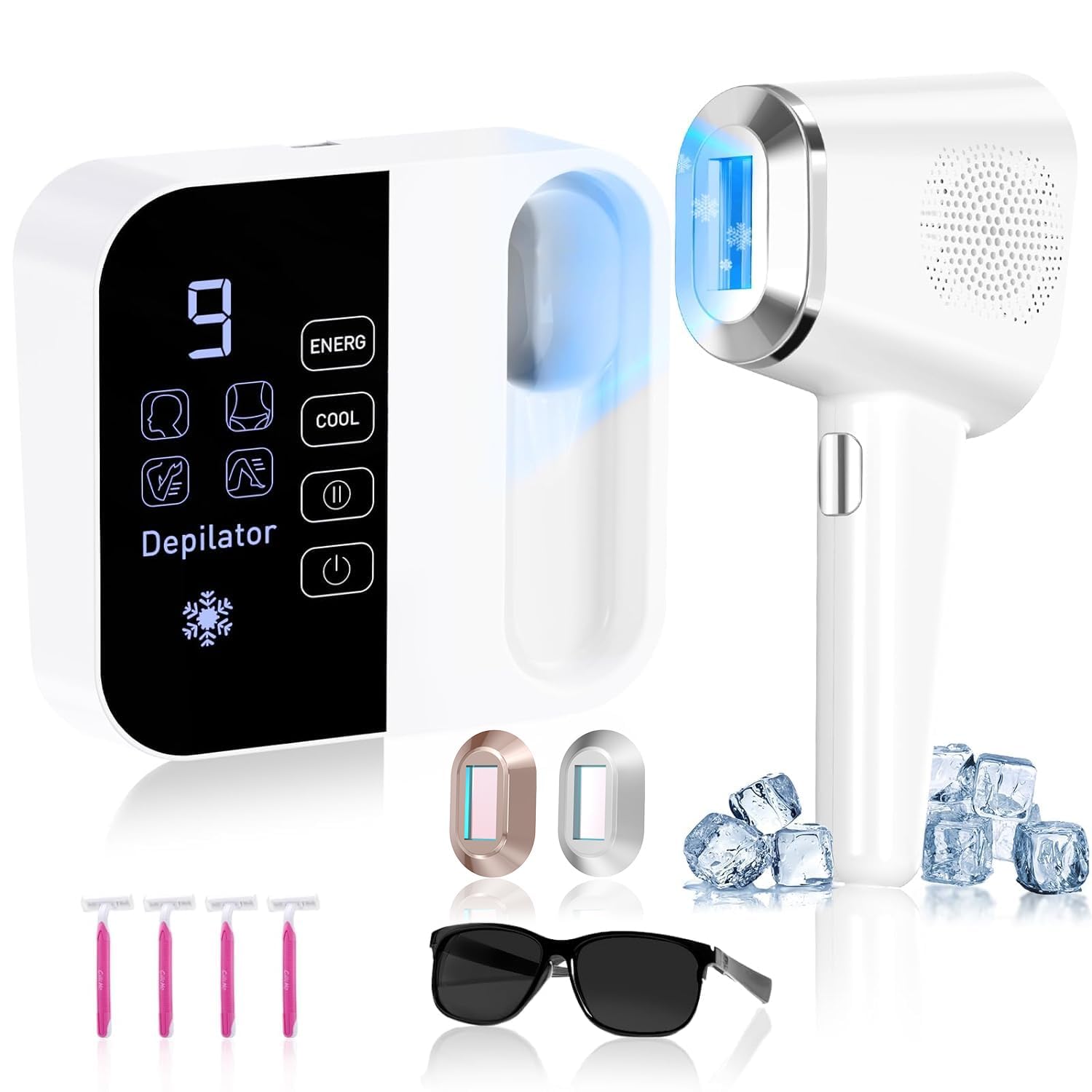
Low-Level Laser Therapy (LLLT) sits at the more advanced end of at-home hair regrowth technology — and the HairMax LaserBand 82 is consistently one of the most reviewed and clinically validated devices in the category.
The science behind LLLT is established: red light at 655nm wavelength penetrates the scalp and is absorbed by cells in the hair follicle. This photobiomodulation process stimulates cellular energy production (ATP), which reactivates follicles that have entered a dormant state and extends the active growth phase.
The LaserBand 82 is FDA-cleared for the treatment of hair loss in women — a meaningful designation that separates it from the many red-light gadgets on the market with no regulatory backing. Clinical studies on LLLT devices generally show hair count increases of 30–40% over 26 weeks of consistent use.
You use it for 90 seconds, three times per week. The full-head band design means full coverage with each session.
Key Benefits:
- FDA-cleared for women’s hair loss — backed by clinical evidence
- 90-second treatment sessions — realistic for long-term compliance
- One-time purchase (no monthly subscription or refill cost)
- Works synergistically with topical treatments — many dermatologists recommend combining LLLT with minoxidil
- Proven technology with 15+ years of published research
Honest Drawbacks:
- High upfront cost. $400+ is a significant investment, though it eliminates ongoing product costs.
- Results require consistency over 6+ months — not a quick fix.
- It looks and feels a bit awkward to wear. The 90-second session isn’t glamorous.
- The device requires charging and some maintenance.
- Not suitable for certain medical conditions or medication interactions — check the guidelines before purchasing.
Real-World Example: A 51-year-old woman with moderate female pattern hair loss combined the HairMax LaserBand with Women’s Rogaine after her dermatologist recommended the combination approach. At 8 months, her scalp photography showed meaningful regrowth across the crown — more than either treatment had produced individually. “The investment felt ridiculous at first. It doesn’t anymore,” she said.
Who should buy this: Women with established female pattern hair loss who want to combine the most evidence-backed at-home technologies. Also worth considering if you’ve tried topical treatments alone with limited results — LLLT often amplifies their effectiveness.
Why Women Lose Hair (And Why It Matters for Choosing a Product)
Before we get into recommendations, this context is important — because the reason you’re losing hair directly determines which product category will help you.
The most common causes of hair loss in women include:
- Telogen effluvium — temporary shedding triggered by stress, illness, pregnancy, crash dieting, or hormonal shifts. Hair follicles enter a resting phase en masse, causing noticeable shedding 2–3 months after the triggering event.
- Androgenetic alopecia (female pattern hair loss) — genetic hair thinning, typically appearing as diffuse thinning at the crown or widening part. Affects roughly 40% of women by age 50.
- Nutritional deficiencies — low iron, biotin, zinc, vitamin D, or protein can all contribute to shedding and slow regrowth.
- Scalp health issues — dandruff, seborrheic dermatitis, or product buildup can clog follicles and inhibit healthy growth.
- Over-processed or damaged hair — breakage from heat, bleach, or tight styles can mimic hair loss even when the follicles themselves are healthy.
Why does this matter? Because a biotin supplement won’t help androgenetic alopecia. A DHT-blocking serum won’t fix a nutritional deficiency. Knowing your “why” helps you choose the right tool for the actual problem.
If you’re unsure what’s causing your hair loss, a dermatologist or trichologist can run a quick panel and give you a clear answer. It’s worth doing before spending money on products.
Full Comparison Table
| Product | Type | Best For | Longevity of Use | Monthly Cost | Evidence Level |
|---|---|---|---|---|---|
| Women’s Rogaine 5% Foam | Topical Treatment | Pattern hair loss, crown thinning | Ongoing | ~$17 | ★★★★★ FDA-Approved |
| Nutrafol Women | Oral Supplement | Stress/hormonal shedding | Ongoing | ~$79–88 | ★★★★☆ Clinical Studies |
| Kérastase Initialiste | Scalp Serum | Scalp health, early thinning | Ongoing | ~$30–35 | ★★★☆☆ Brand Research |
| The Ordinary Multi-Peptide | Hair Serum | Early thinning, density | Ongoing | ~$5–7 | ★★★★☆ Published Actives |
| HairMax LaserBand 82 | LLLT Device | Pattern loss, complement therapy | One-time | $0 after purchase | ★★★★★ FDA-Cleared |
Use Cases: Which Product Matches Your Situation?
“I’m losing hair after pregnancy or a stressful period.”
Best choice: Nutrafol Women, optionally combined with The Ordinary serum.
Postpartum and stress-related shedding (telogen effluvium) is usually temporary. Nutrafol’s stress-hormone targeting is particularly relevant here. Give it 3–6 months — most telogen effluvium resolves on its own timeline, but Nutrafol can accelerate recovery.
“My part is widening and my crown looks thinner than it used to.”
Best choice: Women’s Rogaine 5% Foam. Consider adding HairMax LaserBand for enhanced results.
Widening part and crown thinning are hallmarks of androgenetic alopecia. Minoxidil is the most proven intervention. Start it as soon as you notice the pattern — earlier treatment yields better outcomes.
“My scalp is irritated, itchy, and my hair feels thin and brittle.”
Best choice: Kérastase Initialiste as the primary scalp treatment, alongside a dermatologist consultation.
Scalp inflammation actively interferes with healthy hair growth. Addressing the scalp environment is the logical first step before adding any growth-stimulating treatment.
“I want to try something evidence-based without spending a lot.”
Best choice: The Ordinary Multi-Peptide Serum for Hair Density.
At $20, it’s an accessible, low-risk entry point with legitimate science behind the actives. Give it 5–6 months of daily use before evaluating.
“I’ve tried other things and they haven’t worked. I want to try something more advanced.”
Best choice: HairMax LaserBand 82, ideally combined with minoxidil.
LLLT is frequently recommended as an add-on when topical monotherapy has underperformed. The combination of increased scalp microcirculation from LLLT and minoxidil’s growth-phase extension creates a synergistic effect many women respond to better than either alone.
Buying Advice: How to Choose the Right Hair Growth Product
Step 1: Identify the Type of Hair Loss You’re Experiencing
This is genuinely the most important step and the one most women skip. Buying a DHT blocker for postpartum shedding won’t help much. Buying a biotin supplement for androgenetic alopecia is money wasted.
If you’re not sure, a dermatologist appointment — or even a telehealth consultation with a hair loss specialist — can save you months of trial and error.
Step 2: Set a Realistic Timeline
No hair growth product works in two weeks. The minimum meaningful evaluation period for any topical is 3 months. For supplements and devices, 6 months is more appropriate. If you’re not prepared to commit to that timeline, you’ll likely abandon effective products prematurely and conclude they “didn’t work.”
Step 3: Don’t Stack Too Many Products at Once
It’s tempting to buy five things simultaneously when you’re worried about hair loss. The problem is that you won’t know which one is working. Start with one or two products, give them time, then add others if needed.
Step 4: Photograph Your Progress Monthly
Hair change is slow enough that day-to-day observation is unreliable. Take a photo in consistent lighting at the same angle on the first of each month. This creates an objective record that’s far more useful than memory.
Step 5: Watch for Red Flags in Marketing
Be skeptical of:
- Products claiming to “regrow a full head of hair” in 30 days
- Supplements with massive ingredient lists but no published research
- Before/after photos without context (lighting, styling, and angles can be manipulated)
- Brands that won’t clearly list their active ingredients and concentrations
Frequently Asked Questions
What is the most effective hair growth product for women?
Minoxidil 5% (Women’s Rogaine) is the most clinically proven over-the-counter option — it’s the only FDA-approved topical treatment for female pattern hair loss. For non-pattern shedding related to stress or hormones, Nutrafol has strong clinical backing. The “most effective” product depends on the underlying cause of your hair loss.
How long does it take for hair growth products to work?
Most women see the first signs of improvement — reduced shedding or baby hair regrowth — at the 2–4 month mark. Meaningful density improvement typically takes 5–6 months. Full results from any hair growth regimen are generally evaluated at 12 months. Patience isn’t optional; it’s part of the process.
Can hair growth products cause side effects in women?
Minoxidil can cause initial increased shedding (temporary), scalp irritation, or in rare cases, unwanted facial hair if it drips during application. Nutrafol is generally well-tolerated, though some women experience mild digestive adjustment in the first week. Laser devices like HairMax have a very low side-effect profile. Always check individual product guidelines and consult a doctor if you’re pregnant, breastfeeding, or on medication.
Do hair growth vitamins and supplements really work for women?
It depends on the supplement and the cause of hair loss. Biotin alone is frequently overhyped — it only helps if you have an actual biotin deficiency (uncommon in women who eat a balanced diet). Multi-ingredient supplements like Nutrafol, which address stress hormones, DHT, and antioxidant support simultaneously, have stronger clinical evidence and are more likely to produce real results in a broader range of women.
Is minoxidil safe for women to use long-term?
Yes. Minoxidil has been used by women for over 30 years with a well-documented safety profile. Long-term use is considered safe for most healthy adult women. The main consideration is that results depend on continued use — stopping the treatment will reverse the gains over several months.
Can I use multiple hair growth products at the same time?
Yes, and many dermatologists actively recommend combination approaches. Minoxidil and LLLT (laser therapy) work synergistically and are frequently recommended together. Nutrafol can be used alongside topical treatments without interaction. What you want to avoid is layering multiple topical products with similar mechanisms without medical guidance, as this can irritate the scalp without adding benefit.
What causes hair thinning in women in their 30s and 40s?
The most common causes are: androgenetic alopecia (genetic pattern thinning, which can start as early as the 20s), hormonal fluctuations related to perimenopause, nutritional deficiencies (especially iron, which is common in premenopausal women), chronic stress, and the cumulative effects of styling damage over years. A blood panel from your doctor can identify nutritional contributors quickly.
Which hair growth product is best for postpartum hair loss?
Nutrafol Women’s Balance (their formulation targeting postpartum and perimenopausal women) is specifically designed for this situation. The Ordinary Multi-Peptide Serum is also a practical, low-cost topical addition. Postpartum hair loss is typically self-resolving within 6–12 months — treatment is about acceleration and support rather than intervention in a permanent condition.
Final Verdict: The Best Hair Growth Product for Women Depends on Your Hair Loss
Here’s the clear summary:
| Your Situation | Best Product |
|---|---|
| Female pattern hair loss / widening part | Women’s Rogaine 5% Foam |
| Stress or hormone-related shedding | Nutrafol Women |
| Scalp health and early prevention | Kérastase Initialiste |
| Budget-friendly first step | The Ordinary Multi-Peptide Serum |
| Advanced treatment / amplifying results | HairMax LaserBand 82 |
If you only buy one thing from this list, make it based on your specific hair loss cause. Rogaine for pattern loss. Nutrafol for stress and hormonal shedding. The Ordinary if you want to start with the least financial commitment.
If you can invest in two, the Rogaine + Nutrafol combination covers both topical and internal pathways simultaneously — and that dual-approach is what many dermatologists recommend for women experiencing significant thinning.
Hair loss is not a vanity problem. It affects confidence, identity, and daily wellbeing in ways that deserve real solutions. The products on this list are those real solutions.
Ready to start your hair recovery journey? All five products are available on Amazon with Prime shipping. Look for the official brand stores on Amazon for authenticity — particularly for Nutrafol and Women’s Rogaine, where counterfeit or improperly stored products occasionally appear in third-party listings. Buying from brand-authorized sellers protects your results.
Disclosure: This article contains affiliate links. We may earn a small commission if you purchase through our links, at no additional cost to you. All product evaluations are based on clinical evidence, published studies, and real-world user experience — not brand relationships.

- 10 Best Hair Oil For Nourishment Buyer Guide 2026 - October 25, 2026
- 10 Best Hair Oil For Natural Black Hair Buyer Guide 2026 - October 25, 2026
- 10 Best Hair Oil For Natural Hair Buyer Guide 2026 - October 25, 2026