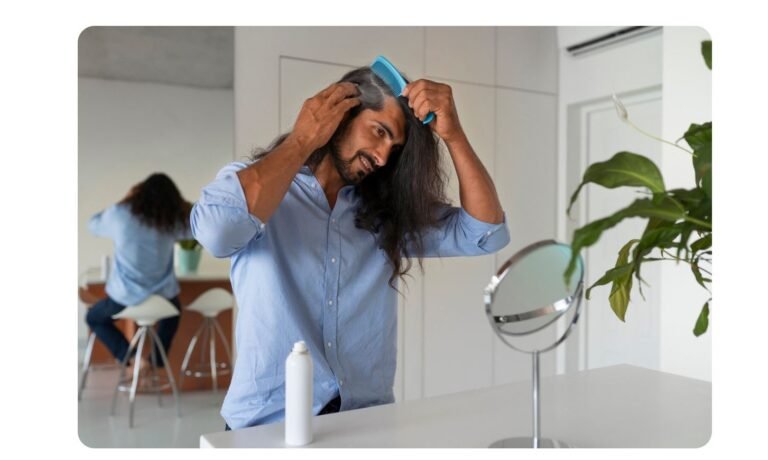

7 Expert Tips to Soothe Itchy Hair Growth and Care
Struggling with itchy hair growth? You’re not alone. Many people experience this uncomfortable sensation as hair follicles push through the skin.
Understanding why this happens can help you find relief and create a comfortable grooming routine.
The key to alleviating itchiness during hair growth lies in regular exfoliation and hydration. Incorporate gentle exfoliants like salicylic acid to clear dead skin, and use a moisturizing lotion with ingredients such as aloe vera or shea butter to soothe irritation.
Best for: All skin types. Use caution if: You have sensitive or acne-prone skin.
What Is Hair Growth Itch?
Hair growth itch is a common sensation experienced by individuals as new hair emerges from the scalp or skin. Understanding the causes and who typically experiences this itch can help manage the discomfort effectively.
- Causes of Itching: The itching sensation often occurs due to the hair follicles being stimulated as hair begins to grow. This can lead to irritation in the surrounding skin, especially if the area is sensitive or dry. Additionally, factors like inflammation, ingrown hairs, and product buildup can exacerbate the itch.
- Who Experiences Itching: Hair growth itch can affect anyone undergoing hair regrowth, including those with different hair types and skin conditions. People with sensitive skin or conditions such as eczema may be more prone to this sensation, as their skin may react more intensely to new hair growth.
Identifying Your Skin and Hair Type
Understanding your skin and hair type is crucial in managing the itchiness that can accompany hair growth. Different skin types and hair textures can react differently to new hair growth, influencing the level of itchiness you may experience. By identifying your unique characteristics, you can better address the underlying causes of discomfort.
Oily vs. Dry Skin
Your skin type can greatly affect how your scalp feels during hair growth. Here’s how to identify your skin type:
- Oily Skin: Appears shiny, particularly in the T-zone; may have enlarged pores. Hair growth may lead to increased itchiness due to excess oil clogging follicles.
- Dry Skin: Feels tight, rough, or flaky; may show signs of redness. This type can exacerbate itchiness as dry skin lacks moisture and can lead to irritation during hair growth.
Thick vs. Thin Hair
The thickness of your hair can also play a role in how it feels as it grows:
- Thick Hair: Can be coarse and may trap more oil and dirt, leading to irritation and itchiness as new hair pushes through.
- Thin Hair: Often more sensitive and may not trap as much oil, but can still become itchy if the scalp becomes irritated.
Expert tip: Regularly exfoliating the scalp can help remove dead skin and reduce itching, especially for those with thicker hair.
Key Ingredients for Relief
When hair begins to grow back, it can often lead to irritation and itching. Fortunately, certain ingredients can help alleviate this discomfort and soothe the skin. Understanding how these ingredients work can aid in maintaining skin health during the hair growth process.
| Item | Amount/Specification | Notes |
|---|---|---|
| Salicylic Acid | 0.5-2% | Best for oily and acne-prone skin; helps exfoliate and reduce inflammation. |
| Tea Tree Oil | 5-10% | Natural antiseptic; ideal for sensitive skin types, but always dilute before use. |
| Aloe Vera | Pure gel or 95%+ concentration | Great for all skin types; provides hydration and cooling relief. |
- Always perform a patch test when introducing new ingredients, especially with salicylic acid and tea tree oil.
- Apply aloe vera gel after shaving or waxing to soothe the skin.
- For best results, incorporate these ingredients into your skincare routine consistently; expect to see improvement in 4-6 weeks.
- Use salicylic acid in the evening, as it can increase skin sensitivity to sunlight.
Step-by-Step Care Routine
Managing itching during hair growth requires a dedicated routine that addresses both skin health and hair follicle comfort. This step-by-step guide will help you establish effective morning and evening practices to minimize discomfort and promote healthy hair growth.
Morning Routine
Start your day by cleansing the area with a gentle, sulfate-free cleanser suitable for your skin type. This helps remove any overnight buildup that can irritate the skin. Look for cleansers containing aloe vera or chamomile for their soothing properties.
After cleansing, apply a lightweight, non-comedogenic moisturizer. Choose one that contains hyaluronic acid to hydrate the skin without clogging pores. This is essential for all skin types, including oily and combination skin.
Finish with a broad-spectrum SPF 30+ sunscreen to protect the skin from UV damage. This step is crucial even if the hair is growing in, as sun exposure can exacerbate irritation.
Evening Routine
At night, cleanse again with your gentle cleanser to remove any impurities that have accumulated throughout the day. Consider a product with salicylic acid if you’re prone to breakouts, as it can help keep pores clear.
After cleansing, apply a soothing serum that contains niacinamide (Vitamin B3) at a concentration of 2-5%. This can help reduce inflammation and itching. Always do a patch test first to ensure it doesn’t irritate your skin.
Seal in hydration with a thicker moisturizer at night, especially if you have dry skin. Look for ingredients like ceramides or sheabutter to support the skin barrier.
Common Mistakes to Avoid
Understanding what can exacerbate itching during hair growth is crucial for maintaining comfort and skin health. Common mistakes, such as over-washing and neglecting moisturizers, can lead to increased irritation and discomfort. Here are key pitfalls to avoid:
Over-Washing
Washing your hair too frequently can strip the scalp of natural oils, leading to dryness and irritation. This is especially true for those with dry or sensitive skin types. Here are some tips to consider:
- Aim to wash your hair no more than 2-3 times a week.
- Use a gentle, sulfate-free shampoo to avoid further drying out the scalp.
- Consider co-washing (using conditioner only) between washes to maintain moisture.
Ignoring Moisturizers
Many people forget that the scalp needs hydration just like the rest of the skin. Skipping moisturizers can lead to increased itchiness during hair growth. Consider these strategies:
- Incorporate scalp oils containing ingredients like jojoba oil or tea tree oil to soothe irritation.
- Look for lightweight scalp treatments that won’t weigh down hair, especially for oily or combination skin types.
- Apply a moisturizing conditioner or leave-in treatment after washing to help lock in moisture.
Expert tip: Always do a patch test when trying new products to avoid adverse reactions on sensitive skin.
Budget-Friendly Options
Finding relief from itchiness associated with hair growth doesn’t have to drain your wallet. There are several effective drugstore products and DIY remedies that can soothe irritation without breaking the bank. Here are some practical solutions to help you manage that uncomfortable itch.
Drugstore Products
- CeraVe Moisturizing Cream – $16: Contains ceramides and hyaluronic acid to hydrate and repair the skin barrier. Best for dry to normal skin types.
- Gold Bond Medicated Anti-Itch Lotion – $10: Features menthol and aloe to cool and soothe itching. Ideal for all skin types.
- Aveeno Skin Relief Moisturizing Lotion – $10: Includes oatmeal to calm irritation and hydrate the skin. Works well for sensitive skin.
DIY Remedies
For those who prefer natural solutions, consider these DIY remedies that can help alleviate itching during hair growth:
- Oatmeal Bath: Add colloidal oatmeal to warm bathwater to soothe itchy skin. Soak for 15-20 minutes.
- Cool Compress: Apply a cool, damp cloth to the itchy area for instant relief.
- Aloe Vera Gel: Use pure aloe vera for its anti-inflammatory properties. Apply directly to the skin as needed.
“For persistent itchiness, always patch test new ingredients and consult a dermatologist if irritation continues.”
| Product | Price | Key Ingredient | Best For |
|---|---|---|---|
| CeraVe Moisturizing Cream | $16 | Ceramides, Hyaluronic Acid | Dry to Normal Skin |
| Gold Bond Anti-Itch Lotion | $10 | Menthol, Aloe | All Skin Types |
| Aveeno Skin Relief Lotion | $10 | Oatmeal | Sensitive Skin |
Expert Tips for Itch Relief
Experiencing itchiness during hair growth is common, but there are effective strategies to soothe your skin and enhance comfort. By incorporating regular exfoliation and hydration into your routine, you can alleviate itchiness and promote healthier hair growth.
Regular Exfoliation
Exfoliation helps remove dead skin cells, preventing clogged hair follicles and reducing itchiness. This works best for oily to combination skin. Aim to exfoliate 1-2 times a week using gentle methods.
- Physical Exfoliants: Look for scrubs with fine granules to avoid irritation.
- Chemical Exfoliants: Products containing salicylic acid or lactic acid can help dissolve dead skin without scrubbing.
Expert tip: Always patch test new exfoliants on a small area of skin to check for irritation.
Hydration Tips
Moisturizing is crucial for keeping your skin hydrated and reducing the urge to scratch. Apply a suitable moisturizer after exfoliating and daily to maintain skin barrier function.
| Product | Price | Key Ingredient | Best For |
|---|---|---|---|
| CeraVe Moisturizing Cream | $16 | Hyaluronic Acid | All skin types |
| Neutrogena Hydro Boost Gel | $20 | Glycerin | Oily to combination skin |
| La Roche-Posay Lipikar Balm | $30 | Shea Butter | Dry skin |
For best results, apply your moisturizer twice daily—once in the morning and once at night. Remember to layer your products in the order of cleanser → toner → serum → moisturizer to ensure maximum hydration.
Quick Summary
- Hair Growth and Itching: Itching during hair growth is common due to skin sensitivity and irritation.
- Exfoliation is Key: Regularly exfoliating the scalp can help ease itching and promote healthy hair growth.
- Moisturize: Use a lightweight, non-comedogenic moisturizer to soothe the scalp.
- Avoid Irritants: Stop using products with harsh chemicals that can exacerbate itching.
- Consult a Professional: If itching persists, consult a dermatologist for underlying issues.
| Routine | Steps |
|---|---|
| Morning Routine | 1. Cleanse scalp 2. Apply lightweight conditioner 3. Style hair |
| Evening Routine | 1. Cleanse hair 2. Exfoliate scalp 3. Moisturize scalp |
Frequently Asked Questions
How long until I see results from hair growth?
You can typically expect to see some hair growth within 4 to 6 weeks, but noticeable results often take about 3 to 6 months depending on the individual and the method used.
Can I use hair growth products if I have sensitive/acne-prone skin?
Yes, you can use hair growth products, but look for those specifically labeled for sensitive skin and conduct a patch test first to avoid irritation.
What’s the difference between oral and topical hair growth treatments?
Oral treatments often work systemically and may provide more comprehensive results, while topical treatments focus on local stimulation of hair follicles and may have quicker visible effects.
Do I really need to exfoliate my scalp for hair growth?
Yes, exfoliating your scalp can help remove dead skin cells and buildup, promoting a healthier environment for hair growth by keeping follicles unclogged.
Is the expensive version of hair growth products worth it compared to drugstore versions?
Often, the expensive versions contain higher concentrations of active ingredients, but you can find effective drugstore options; it’s best to read reviews and check ingredient lists to find what truly works for you.

- Does Summer Really Boost Hair Growth Speed? Insights and Facts - March 31, 2026
- Medium Hairstyles for School: 25 Best Looks That Are Easy - March 31, 2026
- Hairstyles for Medium Hair for School: Easy and Stylish - March 31, 2026