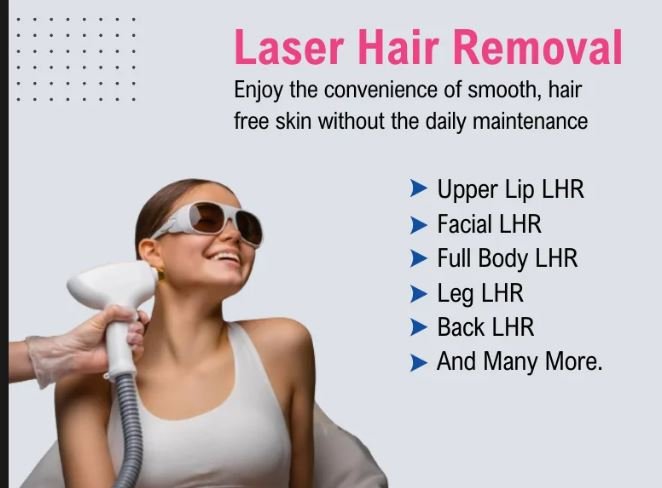
Laser Hair Removal for Fair Hair: 7 Key Insights and Tips
Laser hair removal can work on fair hair, but it is usually less effective than on dark hair because fair hair contains less pigment for the laser to target. Blonde, light brown, gray, red, and white hair may need multiple sessions for meaningful reduction, and very light or gray hair may respond only minimally.
Results depend on your hair color, skin tone, hair thickness, treatment area, and the device settings. A qualified provider should assess those factors, use an FDA-cleared device, and explain what level of reduction is realistic. Expect mild redness or swelling for a few hours to a few days. After treatment, avoid hot showers, baths, saunas, and steam rooms for 24-48 hours.
Key Takeaways
-
Fair hair usually needs multiple sessions. Hair grows in cycles, and only some follicles respond during each appointment.
-
Pigment drives results. Less melanin in fair hair gives the laser a smaller target.
-
Choose a qualified provider. Safety and effectiveness depend on trained use of FDA-cleared devices and personalized settings.
-
Match the laser to your skin and hair. Providers may use wavelengths in the 755-1064 nm range, depending on the device and your characteristics.
-
Avoid tanning before treatment. Sun exposure and tanning can increase the risk of complications and make treatment settings less predictable.
-
Follow the aftercare window. Keep treated skin away from hot showers, baths, saunas, and steam rooms for 24-48 hours.
-
Is Laser Hair Removal Effective for Fair Hair?

Laser hair removal targets melanin inside the hair shaft and follicle. Very light or pigment-lacking hair – including blond, gray, red, and white hair – absorbs less laser energy than dark brown or black hair, so the treatment often produces slower or less complete reduction.
Book a consultation before buying a package. The provider should assess your Fitzpatrick skin type, hair color, hair thickness, and treatment area. Ask which laser they use, such as Alexandrite, Diode, or Nd:YAG, and how they choose the wavelength and settings for your skin and hair.
A credible clinic should also explain its limits. Newer devices may improve treatment options, but they cannot create pigment where very light or gray hair has little or none. If your hair is extremely light, a provider may recommend a test spot before you commit to a full series.
How Laser Hair Removal Works on Fair Hair
Laser hair removal uses concentrated light pulses absorbed by pigment in the hair shaft and follicle. The light becomes heat, which damages follicle structures and slows future growth. The treatment does not affect every follicle equally because hair grows in cycles. Only follicles in the active growth phase respond well during a given session, so one appointment cannot produce a complete result.
Modern systems use different wavelengths and penetrate the skin differently. Common wavelength bands for hair removal fall in the visible-to-near-infrared range, often around 755-1064 nm, depending on the laser. Skin tone alone does not determine the best option; the provider must consider both skin tone and hair pigment.
The main limitation for fair hair is simple: less melanin gives the laser less to absorb. That usually means slower results, more sessions, and sometimes a smaller reduction percentage than treatment produces on darker hair.
A Practical Treatment Plan for Fair Hair

-
Book a consultation and ask for a patch test. Have the provider evaluate your skin type, hair color, and treatment area. Ask how the test spot will guide the settings used on the rest of the area.
-
Stop tanning and avoid sun exposure. Tanning adds pigment to the skin and can increase the risk of complications or make laser selection less predictable.
-
Prepare the area the day before, or follow your clinic’s instructions. Shave if recommended. The laser needs access to the target hair, while excess surface hair can increase discomfort.
-
Arrive with clean, dry skin. Do not apply lotions, perfumes, oils, or other products to the treatment area.
-
Wear protective eyewear. Eye protection should remain in place during laser delivery, and the technician should adjust settings based on your skin’s response.
-
Follow aftercare for 24-48 hours. Keep treated skin away from heat and use the clinic’s recommended approach for redness or swelling.
-
Return on the clinic’s schedule. Because follicles respond at different points in the growth cycle, a series of appointments is usually more useful than trying to judge the treatment after one session.
-
The session may feel like warm pinpricks or mild snapping. It should not feel like a severe burn. Redness and swelling are usually mild and temporary, but careless aftercare can make irritation last longer.
Treat the skin as sensitive for the first two days. Avoid hot showers and baths, saunas, and steam rooms for 24-48 hours after treatment.
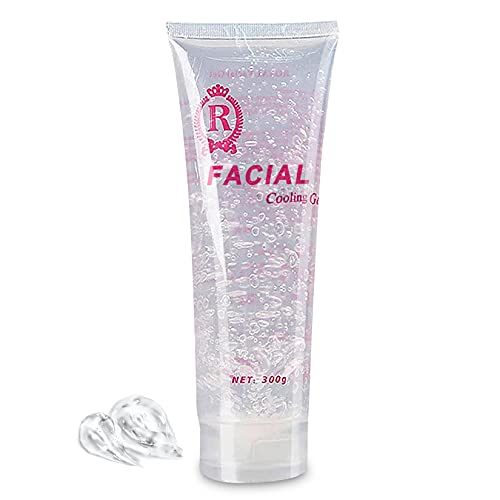
Helpful pick
300ML Cooling Gel for Laser Hair Removal Device and Radio Frequency Facial Body Skin Care Machine for Women and Men
Use this soothing cooling gel to calm your skin and enhance comfort during your laser hair removal sessions.
Which Lasers Are Used for Fair Skin and Hair?
The right technology depends on both skin tone and hair pigment. The goal is to target the follicle without overheating the surrounding skin, so providers choose a wavelength and energy setting that fit the individual rather than applying one standard approach to everyone.
Common laser types include:

-
Alexandrite: Often discussed for lighter skin tones.
-
Diode: Commonly described as versatile for many body areas.
-
Nd:YAG: Frequently selected for deeper penetration and different melanin interaction patterns.
-
The laser name alone does not guarantee a good result. Settings, technique, hair thickness, and the contrast between your hair and skin also affect comfort and effectiveness. A provider should be able to explain why a particular device and wavelength fit your situation.
Cooling systems or numbing gels may improve comfort. Cooling does not make the laser work better by itself, but it can help your skin tolerate the session and make it easier to stay consistent with the treatment plan.
Fair Hair and Fair Skin Fit Guide
|
Factor |
Best Candidates |
Limitations |
|---|---|---|
|
Skin Color |
Light to medium tones |
Darkest skin tones require special lasers |
|
Hair Color |
Dark brown to black |
Blond, gray, red, or white hair less effective |
|
Laser Technology |
Alexandrite, Diode, Nd:YAG |
Some lasers better for specific skin tones |
|
Treatment Area |
Underarms, Brazilian, legs, full body vary |
Bigger areas take longer sessions |
If your hair is blonder or less pigmented than you expected, adjust your expectations rather than assuming the treatment will fail. Ask the clinic whether your remaining hair has enough pigment to respond and whether a test spot is appropriate.

Helpful pick
Braun IPL, Silk·Expert Pro 5, IPL Hair Removal for Women and Men, Permanent Laser Hair Reduction At-Home, 2 Heads, Pouch, IPL5137
The Braun Silk Expert Pro 5 is a highly versatile IPL device suitable for various body areas and skin types.
How to Improve Results and Control Costs
Stable skin, consistent appointments, and individualized settings give you the best chance of seeing useful reduction. Choose a provider who uses FDA-cleared devices and does not treat every client with identical settings.
Laser hair removal is generally considered safe when a qualified professional uses an FDA-cleared device and adapts the settings to your skin type and hair color. Redness and swelling can occur and usually resolve within hours to a few days.
Plan for multiple sessions if you want visible reduction rather than an uncertain result after one visit. Ask the clinic how it will assess progress and whether maintenance treatments may be needed for fine regrowth.
Clinics often charge by session and vary by treatment area. These example costs can help you sanity-check quotes:
|
Area |
Example cost per session |
What it implies |
|---|---|---|
|
Underarms |
$130 – $241 |
Smaller area, usually quicker |
|
Brazilian |
Around $241 |
Moderate area, often specialized |
|
Full Legs |
Approximately $397 |
Larger area, longer sessions |
|
Full Body |
$549 – $739 |
Extensive coverage, longest sessions |
Use these figures as a ballpark only. Your total cost depends on the number of sessions you need and whether the clinic sells individual treatments or packages.
Mistakes That Reduce Laser Results on Fair Hair
The most common mistake is treating fair hair as though it will respond like dark hair. Expecting guaranteed removal can leave you disappointed when treatment produces slower growth or a smaller reduction.
Ignoring sun exposure is another avoidable problem. Tanning can increase the chance of unwanted effects by adding pigment to the skin and making it harder to target the hair safely. If you recently tanned or plan to spend time in the sun, rescheduling may be safer than proceeding.
Poor aftercare can also prolong irritation. You may feel fine immediately after treatment, then trigger more redness by taking a hot shower, visiting a sauna, or using a steam room. Keep the first 24-48 hours calm.
-
Hot showers and baths: Avoid them for 24-48 hours because heat can increase irritation.
-
Saunas and steam rooms: Skip them for 24-48 hours to help prevent prolonged redness.
-
Heat and friction: Reduce vigorous workouts that cause heavy sweating or rubbing on the treated area.
-
Untailored settings: A laser type that looks appropriate on paper can still cause unnecessary discomfort or poor results if the settings or technique are wrong.
-
Tips for Managing a Fair-Hair Treatment Series
Track how your hair responds by treatment area. Reduction may appear first where the remaining hair is darkest and the follicles are thickest. Keep simple notes on the date, skin reaction, and timing of regrowth, then share them at your follow-up.
Ask why the provider selected a particular wavelength. “Fair” does not describe one universal combination of skin tone and hair pigment, so the clinic should explain how its choice fits you.
Treat eye protection and skin preparation as non-negotiable. Follow the clinic’s instructions about shaving or trimming between sessions. Excess surface hair or skipped preparation can affect comfort and how the laser interacts with the area.
Plan for maintenance. Laser hair removal can significantly reduce growth for many people, but some fine hair may return over time. Maintenance sessions may be part of a reasonable long-term plan, especially when fair hair responds less strongly.

Helpful pick
Amifiy Ice Cooling IPL Laser Hair Removal Device Home Use, Auto-detect Skin Tone Hair Removal Machine for Women Men, 3 Energy Levels & 2 Modes, Face Body Use with Razor & Glasses
This Amifiy device features skin tone auto-detection to help you manage your treatment series safely and effectively.
7 Key Insights for Laser Hair Removal on Fair Hair
-
It can work, but pigment limits the outcome. Blond, light brown, gray, red, and white hair generally respond less reliably than dark hair.
-
Expect a series of appointments. Hair cycles prevent one treatment from reaching every responsive follicle.
-
Skin tone and hair color must be assessed together. Fair skin does not automatically indicate the best laser or settings.
-
A patch test is worth requesting. It gives the provider a way to assess your skin’s response before treating a larger area.
-
Sun avoidance reduces risk. Tanning can make treatment less predictable and increase complications.
-
Aftercare affects comfort. Avoid hot showers, baths, saunas, and steam rooms for 24-48 hours.
-
Maintenance may be necessary. Fine regrowth can return, particularly when the original hair has limited pigment.
-
Your next step is to book a consultation with a patch test and a treatment plan based on your skin type and hair color. Ask, “Which laser wavelength are you using for my skin and hair, and why?” Then follow the clinic’s sun-avoidance instructions and the 24-48 hour aftercare rules between appointments.
FAQ
How well does laser hair removal work on fair hair?
Laser hair removal can work on fair hair, but it is usually less effective than on dark hair because fair hair has less melanin to absorb laser energy. People with blond, light brown, gray, red, or white hair may need multiple sessions for meaningful reduction. Dark brown and black hair typically respond best.
Is laser hair removal safe for fair skin in the United States?
Laser hair removal is generally safe when a trained professional uses FDA-cleared devices and settings tailored to your skin type and hair color. Redness and swelling are common side effects and usually resolve within hours to a few days. Serious complications are uncommon but become more likely when providers use incorrect techniques or settings.
How many sessions will I likely need?
Most people with fair hair need multiple sessions because hair grows in cycles and only some follicles respond during each appointment. The number varies with hair color, thickness, and treatment area. Your clinic should estimate a session count after assessing your hair and reviewing your response to a test spot.
What should I avoid after laser hair removal?
Avoid heat sources for 24-48 hours, especially hot showers and baths, saunas, and steam rooms. Heat can increase irritation and prolong redness. Use gentle skin care and follow your provider’s aftercare instructions.
Can I do laser hair removal at home instead of at a clinic?
Home IPL devices may reduce some hair growth, but they typically work less reliably than professional laser treatment on lighter hair. If you want strong reduction for fair hair, a clinic evaluation is usually the better first step. If you choose an at-home device, expect more variable results and longer-term maintenance rather than immediate permanent removal.

- 10 Best Hair Oil For Oily Skin Buyer Guide 2026 - October 26, 2026
- 10 Best Hair Oil For Overnight Buyer Guide 2026 - October 26, 2026
- 10 Best Hair Oil For Oily Scalp And Dry Ends Buyer Guide 2026 - October 26, 2026